
REVIEW · CUSCO REGION, PERU
Cusco: Historic Walking Tour with Pisco Sour and Music Show
Cusco’s story unfolds best on foot, and this two-hour city walk packs a lot into a short route. You move from the Spanish churches around the Plaza de Armas to Inca walls, San Blas lanes, a luthier’s workshop, and a hilltop view, ending with a Peruvian drink.
I like the small groups, limited to 10, and the way the tour mixes major sights with details such as the 12 and 13 angled stones and the Andean Trilogy. I also like that guides such as Erick, Nilo, and Niki have been praised for clear history lessons and an easygoing style. The main drawback is that the music stop may not always operate, and the $10 price can be confusing because the tour is also presented locally as a free walking tour supported by tips.
Key points at a glance
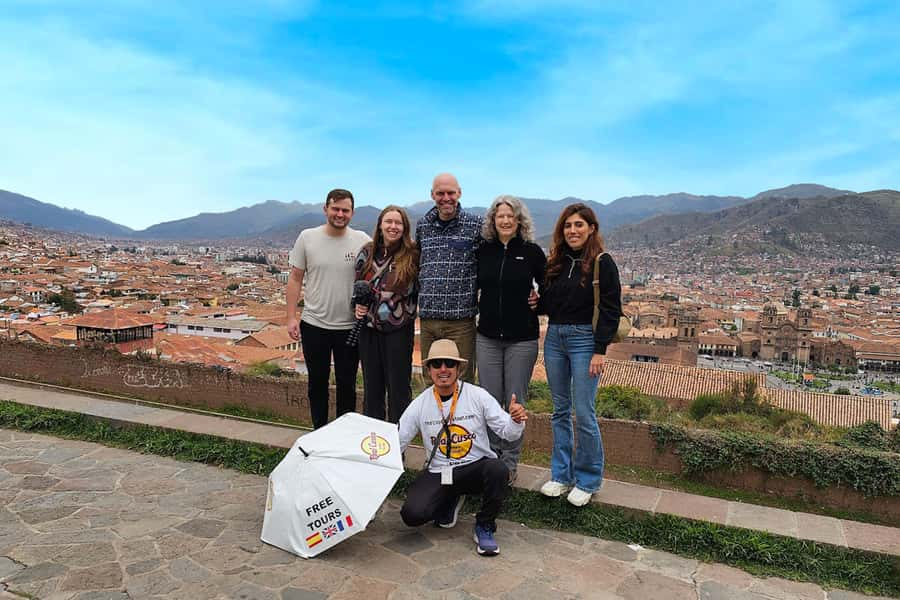
- Start beside the Inca Fountain: Meet in the Plaza de Armas, where the guide carries a white umbrella.
- See Cusco’s big sights on foot: The route includes the Cathedral, Company of Jesus, Qoricancha, San Blas, and famous Inca stonework.
- Look for the Condor, Puma, and Snake: The Andean Trilogy appears in carved Inca walls along the walk.
- Visit a working luthier: The instrument-maker stop adds a local craft angle to the history lesson.
- Finish with a Peruvian drink: Choose a pisco sour or non-alcoholic chicha morada.
- Expect route changes: The music vendor may be closed, so the Andean show is not guaranteed on every departure.
Starting in Cusco’s Plaza de Armas
Your meeting point is next to the Inca Fountain in the Plaza de Armas, at approximately -13.516772, -71.9787231. Look for the guide holding a white umbrella. This is a useful meeting setup in a crowded square, though you should still arrive with enough time to locate the fountain and guide.
The square gives you a quick lesson in Cusco’s layered past. Spanish churches and arcades frame a place that was important long before the colonial period. The tour begins with the Cathedral, followed by the Company of Jesus, one of the square’s most striking churches.
Your guide explains what you are seeing rather than simply pointing out buildings. That matters in Cusco, where Spanish colonial architecture often sits directly on earlier Inca foundations. If you are new to the city, this opening section helps you get your bearings before the walk moves into narrower streets.
More History Tours in the world:
- Porto: An Intimate Fado Show in a Historical Tavern
★ 4.8 · 2,055 reviews - Vienna Mozart Concert in Historical Costumes at the Musikverein
★ 4.5 · 888 reviews - Tenerife: History The Evolution of Music Show Entry Ticket
★ 4.8 · 620 reviews
From Spanish churches to the Qoricancha
The next major stop is Qoricancha, the Inca Sun Temple. This is one of the key places on the route because it shows the contrast between Inca engineering and later Spanish construction.
The tour gives you historical context from outside and along the city streets. Museum or monument entry is not included, so you should not expect a full paid visit inside every site. That keeps the tour inexpensive, but it also means this experience works best as an orientation walk rather than a replacement for a dedicated Qoricancha visit.
I like this approach for a first day in Cusco. You learn which places deserve more of your time, then you can return later for an independent visit if you want a slower look. It also keeps the pace moving, which is important when the whole tour lasts only two hours.
Inca stones and the Andean Trilogy
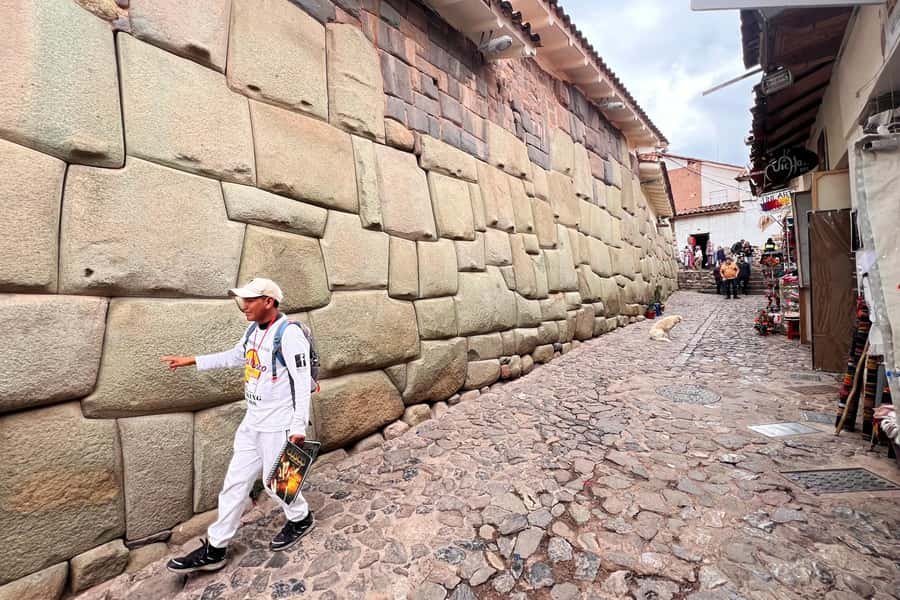
Cusco’s most memorable details are often at street level. Along the route, you see the famous 12 and 13 angled stones, examples of the tight-fitting masonry that makes Inca walls so distinctive.
The guide also introduces the Andean Trilogy: the Condor, Puma, and Snake. These symbols connect the spiritual world, the human world, and the world below, and they give you a better way to read the carved forms around the city.
This is where a guide adds real value. Without explanation, a carved wall can look like an old construction detail. With context, you begin to notice how the stones were shaped, how they fit, and why certain animals and symbols matter in Andean culture.
The walk does involve uneven streets, slopes, and stairs in parts of Cusco. It is not suitable for wheelchair users or people with mobility impairments. The provider also lists it as unsuitable for babies under one, people over 95, and people with hearing impairments.
San Blas, narrow lanes, and city views
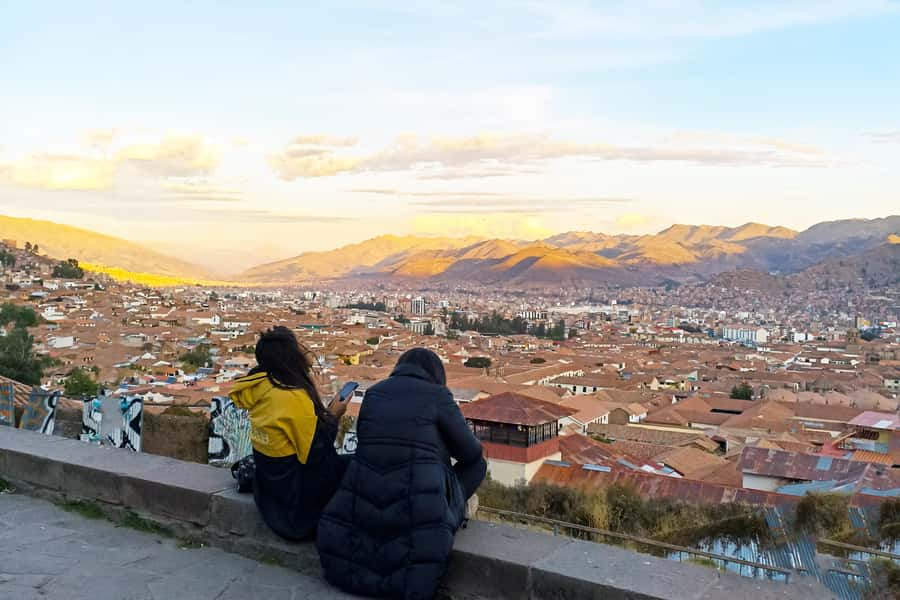
The route continues into San Blas, one of Cusco’s most atmospheric neighborhoods. Its small streets and traditional feel make a pleasant change from the broad open space of the main square.
San Blas is also uphill, so you should expect some effort even though the tour is short. The reward is a different view of Cusco, with streets that feel more local and less formal than the main colonial center.
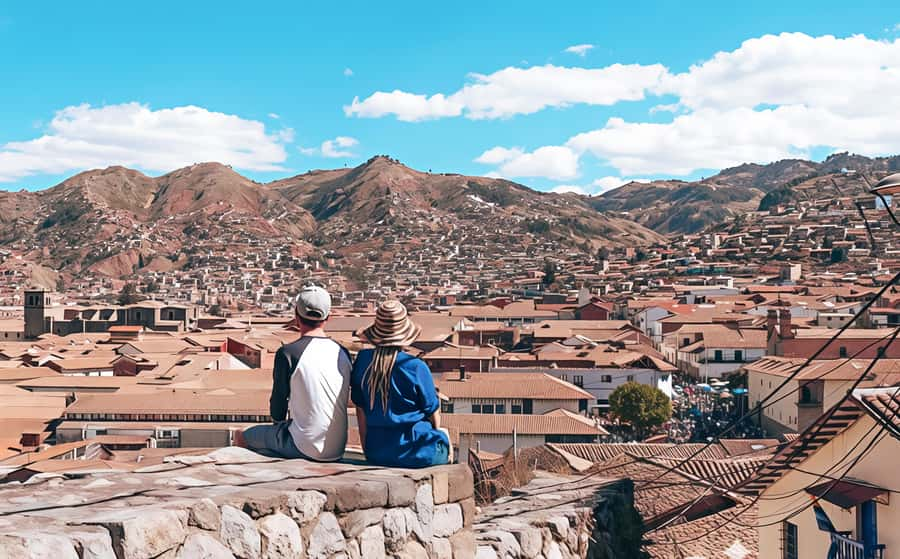
A viewpoint is part of the route, and the timing may provide sunset scenery on some departures. That detail has made the experience especially appealing for people who want photographs without booking a separate viewpoint excursion. Views depend on the start time and conditions, so do not treat sunset as guaranteed.
One stop is 7 Borreguitos Street, described as one of the most picturesque streets in the city. It is a good place for photographs, but it is also the sort of stop that benefits from a guide’s help. You learn why the street matters instead of simply passing through for a quick picture.
More Live Music in the world:
- Vienna: Vivaldi’s Four Seasons Concert in Karlskirche
★ 4.7 · 14,951 reviews - Venice: La Fenice Opera House Entry Ticket with Audio Guide
★ 4.6 · 11,742 reviews - Sydney: Opera House Guided Tour with Entrance Ticket
★ 4.8 · 8,312 reviews - New Orleans Steamboat Natchez Jazz Cruise with Dinner Option
★ 4.0 · 7,533 reviews
A luthier’s workshop and Andean music
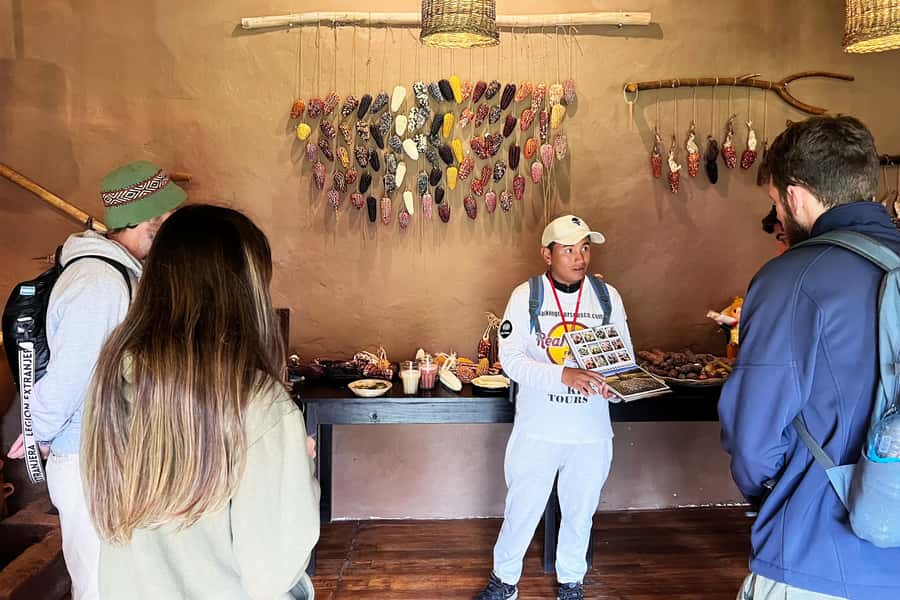
The visit to a luthier’s workshop adds a practical, human part to the tour. A luthier makes and repairs musical instruments, and the stop connects Andean music with the skill required to create the instruments themselves.
You then have an Andean music show as part of the planned experience. This can be a nice change of pace after several churches and walls. It gives the tour a cultural performance element without requiring you to book an evening show separately.
There is one important caution. The music vendor has occasionally been closed, so the show may not happen on every departure. If the performance is the main reason you are booking, ask about availability before you go. When the stop is unavailable, the guide may suggest another local dance show or adjust the route.
That flexibility can work in your favor, but it also means the itinerary is not completely fixed. One participant found that the actual route differed from the description and still felt it covered more of the city. I would view that as a benefit if you care most about seeing Cusco with a good guide, but a drawback if you want each listed stop delivered exactly as written.
The Temple of Manco Capac
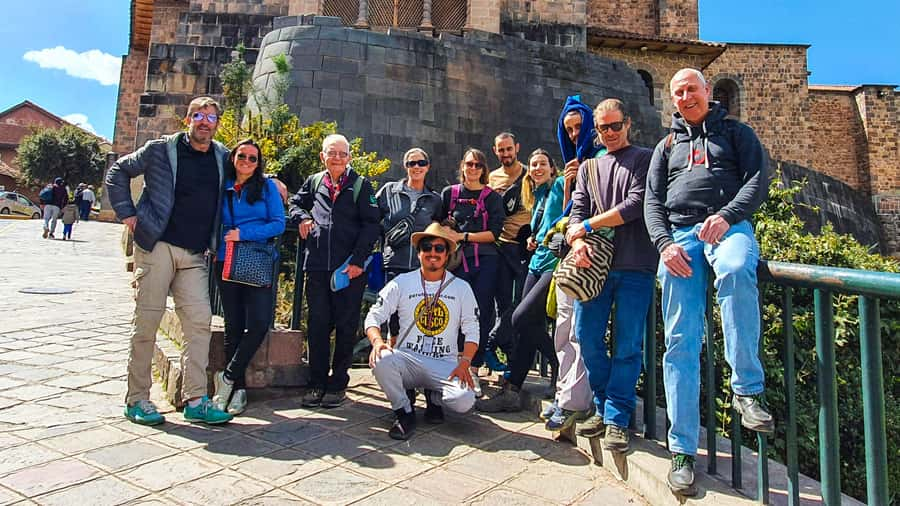
The walk includes the Temple of the First Inca Ruler, Manco Capac. This stop gives the tour a direct link to the traditional founding story of the Inca state.
As with Qoricancha and other historic locations, entry to museums is not included. The value here comes from the guide’s explanation and the wider route, not from an extended indoor visit.
I find this kind of stop useful because it keeps the history tied to actual places. You are not only hearing about Manco Capac in the abstract. You are walking through the city and seeing where those stories fit into Cusco’s cultural identity.
Ending with pisco sour or chicha morada
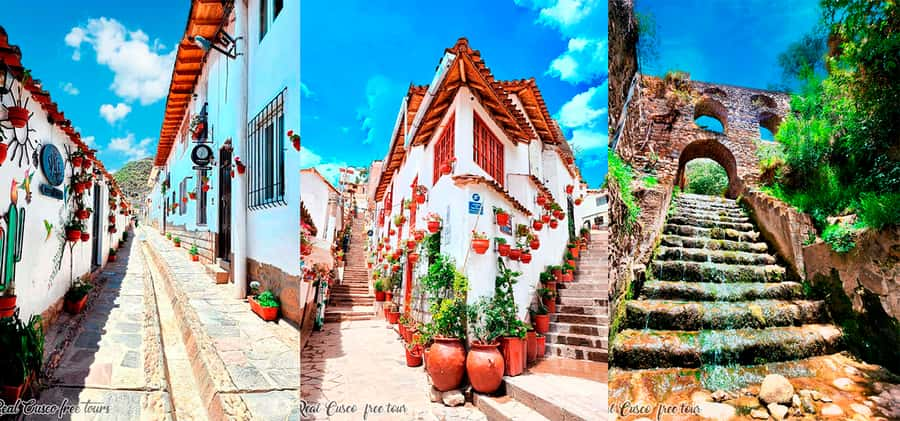
The final stop is a simple one: choose a pisco sour, Peru’s national drink, or chicha morada, a non-alcoholic drink made from purple corn. It gives the group a chance to sit down, raise a glass, and ask final questions.
The drink is included, which helps the $10 price feel more substantial. A pisco sour is not a full meal or a tasting session, so you should think of it as a closing toast rather than a dedicated food experience.
The setting can be part of the appeal. One departure ended at a small, attractive restaurant where the group made the toast. That sort of finish feels more relaxed than simply stopping on a street corner, though the exact venue may vary.
If you do not drink alcohol, chicha morada makes the tour accessible without making you sit out the final activity. It is also a useful introduction to a familiar Peruvian favorite.
Guide quality and group size
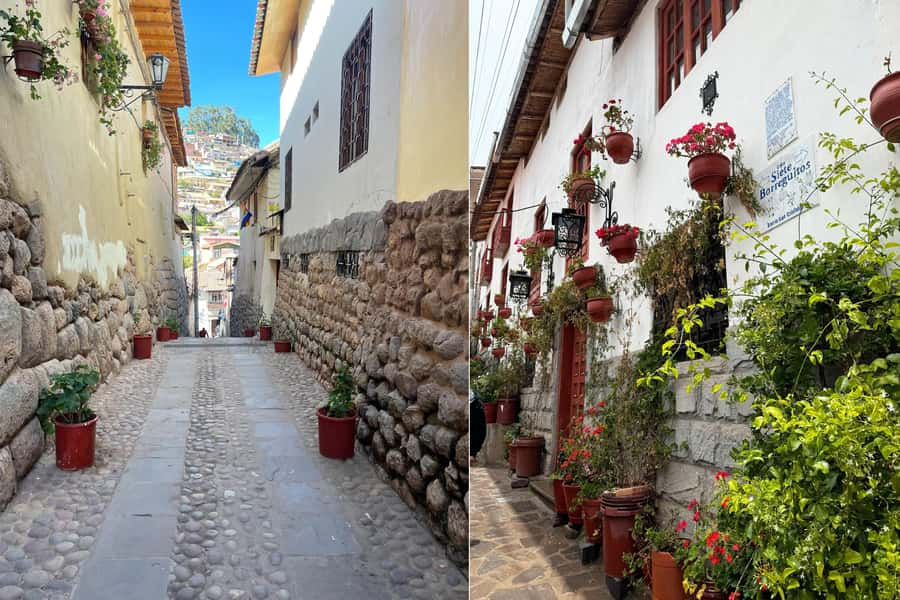
The tour is offered in English and Spanish, with a live bilingual guide. Groups are capped at 10 people, though some departures may be much smaller. One English-language group had only three participants, making the walk feel close to private.
Guide quality is a major strength here. Erick has been praised for mixing history, practical travel tips, and humor. Nilo has led a tour with strong explanations and good group spirit, while Niki has been noted for clear communication. An anthropologist has also guided the route, which can add extra depth to discussions of the Incas and Cusco’s past.
Of course, guides vary from one departure to another. Still, the small-group format gives you a better chance to ask questions than a large coach tour. You can also expect the route and amount of commentary to shift slightly depending on the guide and local conditions.
Is $10 good value?
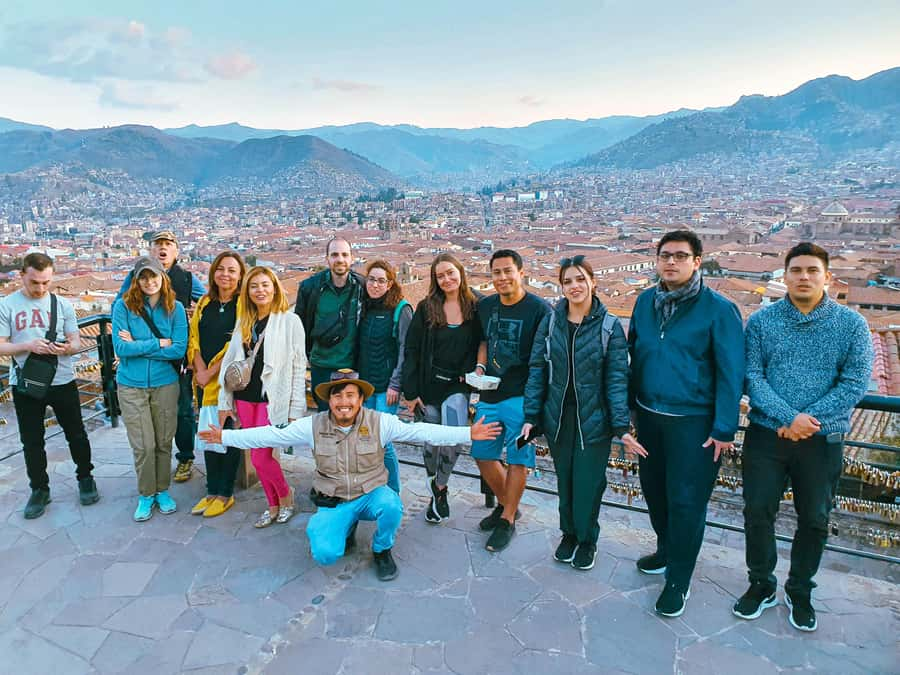
At $10 per person, the tour is inexpensive for a guided introduction to central Cusco. You receive a two-hour walk, a bilingual guide, a luthier visit, the planned music experience, and a pisco sour or chicha morada.
The price needs a little clarification. This is described as a paid activity, but it also operates in the style of a free walking tour, where people can join locally and give a tip at the end. Some participants felt the online payment effectively pre-paid the expected tip, while still leaving a tip at the end.
I would confirm the payment arrangement before booking. If you want a reserved place, a small group, and a clear start time, paying $10 may be worthwhile. If you are comfortable joining a free local walk and handling the tip yourself, you may find another option at the Plaza de Armas.
The tour also offers free cancellation up to 24 hours before departure and a reserve-now, pay-later option. Starting times vary, so check availability for the date you want.
Who should book this Cusco walk?
I would choose this tour for a first day in Cusco, especially if you want an overview before visiting museums and major sites on your own. It gives you history, streets, views, craft, music, and a drink without taking up half a day.
It suits adults and older children who can manage uphill walking and uneven streets. It is less suitable if you need step-free access, use a wheelchair, have a hearing impairment, or want a slow, detailed interior visit to every monument.
You should also book with realistic expectations about the itinerary. The strongest parts are the guide-led explanations, small group, San Blas streets, Inca stonework, and city views. The music show is a welcome extra, but it can be affected by the vendor’s opening hours.
Should you book it?
Book this walk if you want a compact introduction to Cusco led by a personable guide, with a few cultural extras and a drink at the end. It is particularly useful when you have just arrived and want practical orientation along with history.
Think twice if the Andean music show is your main goal, or if you expect the $10 payment to cover every tip and entry fee. Confirm the music stop and payment details first. For most visitors who can handle the hills, this is a good-value way to meet Cusco on foot and decide which places deserve a closer visit.
FAQ
Where does the Cusco walking tour meet?
Meet next to the Inca Fountain in the Plaza de Armas. The guide will be holding a white umbrella.
How long does the tour last?
The walking tour lasts two hours.
Which languages are available?
The tour is offered in English and Spanish. A French guided tour requires at least four customers to proceed.
Is a drink included?
Yes. You can choose a pisco sour or a non-alcoholic chicha morada.
Are museum entry fees included?
No. Museum and optional attraction entry fees are not included.
Is the tour suitable for wheelchair users?
No. The experience is not suitable for wheelchair users or people with mobility impairments. It is also listed as unsuitable for babies under one, people over 95, and people with hearing impairments.
Just added to the listings in the world
- Wine, Jazz and Magic: A Night at Malkhaz Jazz Club★ 5.0 · 2 reviews
- Warsaw: Guided Walking Tour with a Private Chopin Concert★ 5.0 · 13 reviews
- Wrocław: Chopin & Friends piano concerts★ 4.6 · 28 reviews
- Viva Blackpool: ABBA Bottomless Brunch with Live Music★ 5.0 · 2 reviews
- Warsaw: Candlelight Concert at Fryderyk Concert Hall★ 4.7 · 110 reviews
- Warsaw: Chopin Concert Ticket With Glass of Champagne★ 4.7 · 59 reviews
- Vienna: Sunday Brunch Danube Cruise & Live Music★ 4.2 · 42 reviews
- Vienna Supreme Orchestra at Palais Niederösterreich★ 4.8 · 10 reviews
Live Music, compared.
Vivaldi’s Four Seasons Concert in Karlskirche
Read our review →
La Fenice Opera House Entry Ticket with Audio Guide
Read our review →
Opera House Guided Tour with Entrance Ticket
Read our review →
New Orleans Steamboat Natchez Jazz Cruise with Dinner Option
Read our review →
Budapest Danube Cruise and Dinner Options, Live Music and Dance
Read our review →
3-Course-Dinner Cruise on the Seine with live music
Read our review →
Classical Concert in the World-Famous Musikverein
Read our review →
Browse the lists this tour appears in