
REVIEW · AUSTRIA
Vienna: Classical Concert at St. Stephen’s Cathedral
St. Stephen’s Cathedral is one of Vienna’s great places to hear music, not simply one of its great buildings. Inside the Gothic nave, a string ensemble, choir, soloist, or organist can make a familiar work sound entirely different. I especially like the chance to hear Mozart, Bach, Vivaldi, or Beethoven in a setting tied to Vienna’s musical past, and I like that tickets start at about $11 per person. The main drawback is seating: cheaper places may offer a limited view, and the cathedral’s wooden benches can become uncomfortable after an hour.
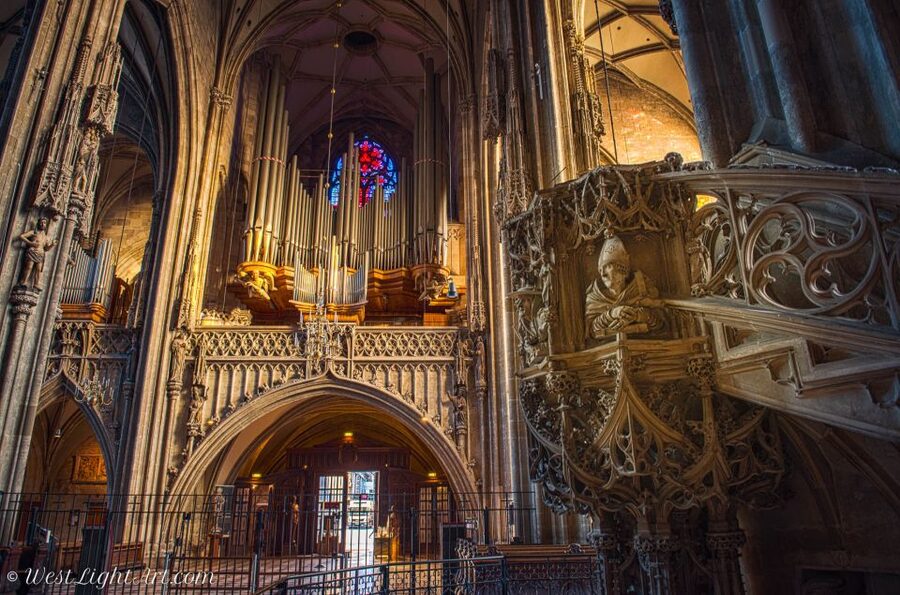
I also like the range of programs. You can choose a string concert such as Vivaldi’s Four Seasons, a Mozart or Christmas performance, or an organ recital using the enormous instrument with more than 12,000 pipes. Read the option carefully before booking, since the music, performers, seating, and even the style of the evening can vary.
Key points to know before you book
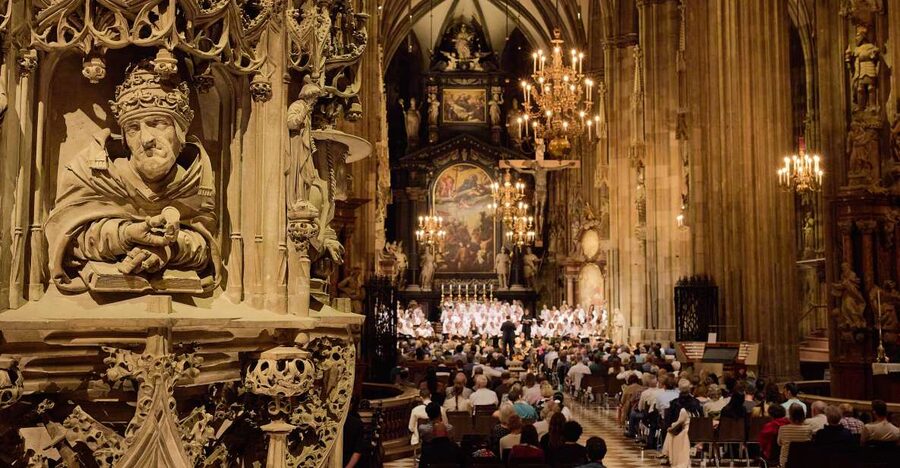
- Music inside Vienna’s Gothic landmark: The concert takes place at St. Stephen’s Cathedral, directly above the Stephansplatz subway station.
- Several programs are available: Choose from Mozart, Bach, Vivaldi, Beethoven, Christmas music, Requiem performances, or organ recitals, depending on the date.
- A one-hour evening plan: Performances last about one hour to 65 minutes, making this an easy addition after sightseeing or dinner.
- Seat category matters: Seats are assigned within your selected category, and earlier booking generally gives you a better position.
- The Giant Organ is a separate highlight: The instrument has more than 12,000 pipes and is used for dedicated organ concerts.
- Simple, flexible booking: Admission begins 30 minutes before the performance, wheelchair access is available, and cancellation is allowed up to 24 hours before the start.
Why St. Stephen’s Cathedral changes the concert
Vienna has no shortage of classical music. You can hear orchestras in grand concert halls, churches, palaces, and smaller venues across the city. This experience earns its place on your schedule because the building itself is part of the performance.
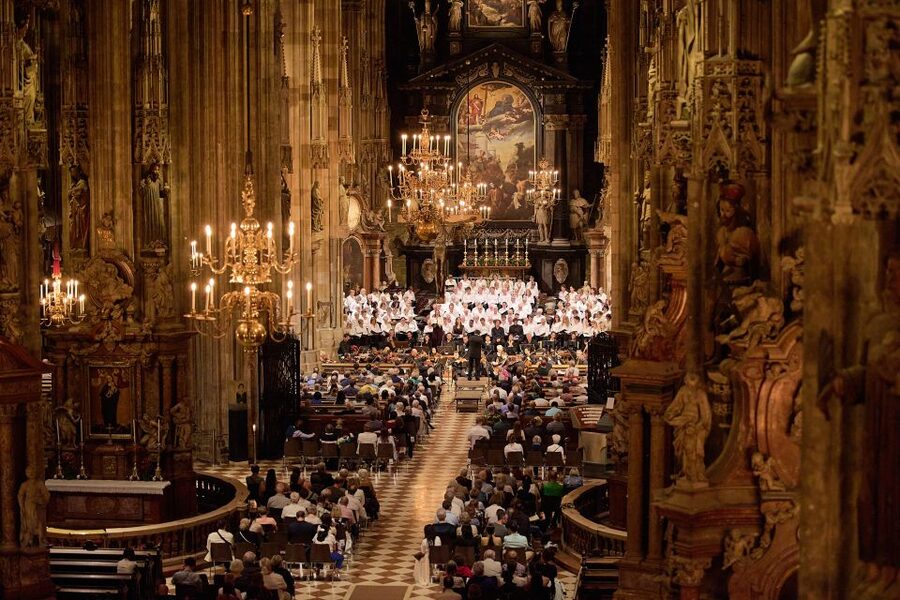
St. Stephen’s Cathedral occupies the center of Vienna, with its patterned roof and tall Gothic form visible from much of the central district. Once inside, you sit among high stone columns, religious artwork, and dim lighting rather than in a conventional concert hall. The setting gives the music a slower, more reflective mood.
I find the acoustics especially important here. Sound carries through the cathedral with a long echo, which can make an organ or choral work feel huge. That same echo can soften the detail of a fast string passage, so the cathedral is not always the ideal place for precise chamber-music listening. Still, the atmosphere is the point. You are hearing European classical music in a sacred building where Mozart and Haydn once played.
This is also a useful way to see the cathedral from the inside. A normal sightseeing visit can feel hurried, especially when you are trying to take in the architecture around other people. During the concert, you have roughly an hour to sit quietly and look up at the vaulting, altars, and illuminated interior.
More Church and Cathedral Concerts in Austria
- Vienna: Classical Concert in St. Anne’s Church (Annakirche)
★ 4.6 · 3,414 reviews - Vienna Classical Concert at St. Peter’s Church
★ 4.5 · 2,039 reviews - Salzburg Cathedral: Organ Concert at Midday
★ 4.6 · 2,007 reviews
Choosing between Mozart, Vivaldi, Bach, and the organ
The title of the option matters more than the general activity name. This is not one fixed concert with one fixed orchestra. The available program can change by date, and the experience differs quite a bit between a string ensemble, a choir, an organist, or a larger orchestra.
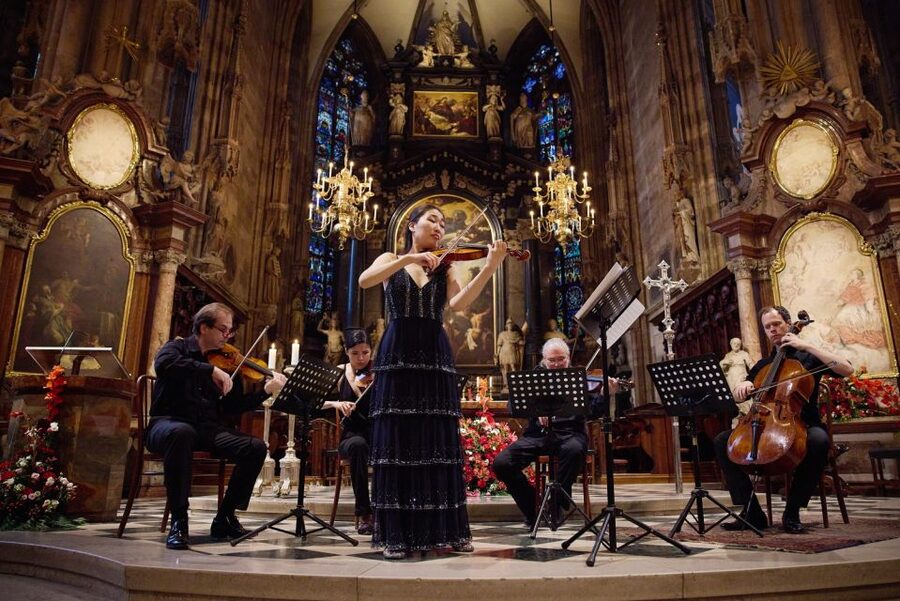
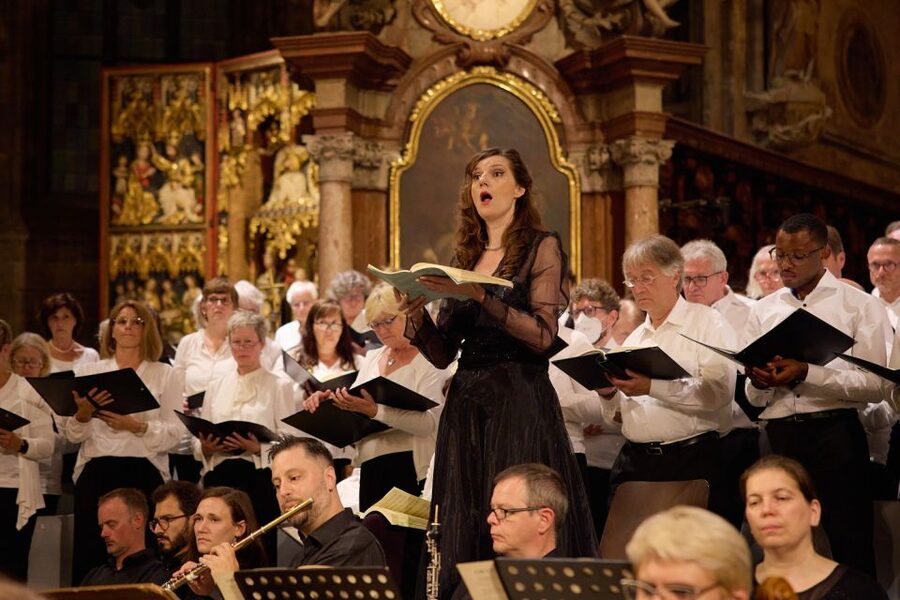
A string performance featuring Vivaldi’s Four Seasons is likely to be the easiest choice for a first classical concert. You will recognize much of the music, and the contrast between lively violin passages and the cathedral’s still interior works well. One performance described by the supplied information featured violinists and a cellist, while other dates may use a string quintet or another ensemble.
Mozart is a natural fit for Vienna. The cathedral’s program can include Mozart’s major works, and special performances of Mozart’s Requiem are scheduled on particular dates, including July 5, All Saints Weekend, and midnight on December 4, the hour associated with Mozart’s death. Check the date closely because a Requiem performance is a different evening from a short instrumental program.
Bach is another strong choice if you prefer serious, structured music. His works benefit from the cathedral’s large acoustic, especially when performed by organ or choir. Beethoven and other European composers may also appear, so the full program is worth checking before you pay.
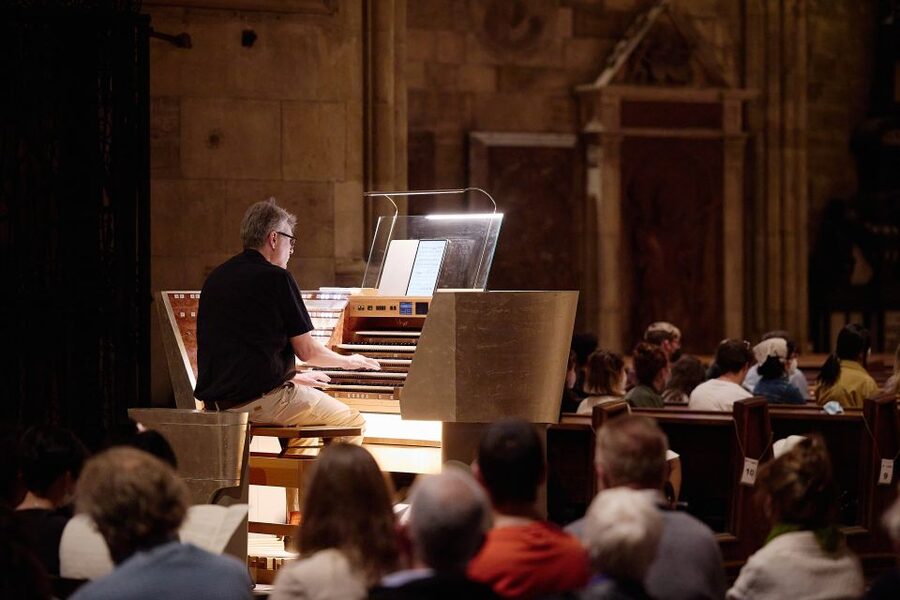
The Giant Organ concert is its own category. The instrument has more than 12,000 pipes, making it one of Europe’s largest organ units. You may not have a clear view of the organist, but that matters less for an organ recital than it would for a string concert. The power of the sound is the main event.
Christmas and Advent programs offer a different mood. A seasonal concert can be a calm evening stop during a busy December visit, while the Advent Concert with the Vienna Symphony Orchestra on December 11 is a more special date listed in the schedule. Again, do not assume that every cathedral concert includes the same orchestra or level of production.
Arrival at Stephansplatz and the first 30 minutes
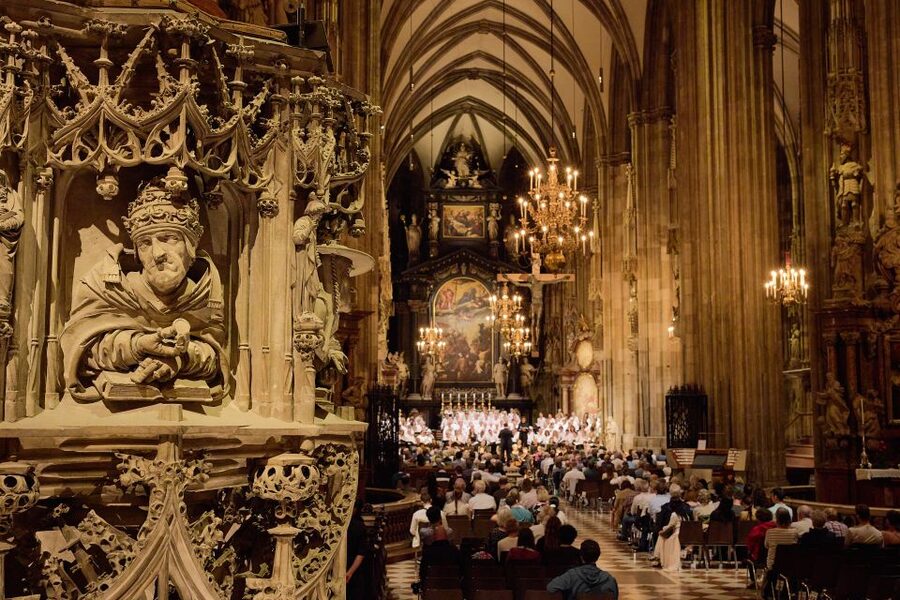
Finding the cathedral is easy. St. Stephen’s sits at the heart of Vienna, and the Stephansplatz subway station is directly in front of it. U1, the red line, and U3, the orange line, both stop there.
Admission begins 30 minutes before the performance. I would use that time rather than arriving at the last minute. It gives you room to find the correct entrance, pass through the check-in process, and locate your assigned section before the music starts.
The check-in process has been described as somewhat slow at busy times, and one entrance can create a queue. This is a good reason to arrive early, especially if you have paid for a better seat and want to settle in without rushing.
You do not receive a guided tour of St. Stephen’s Cathedral. The concert gives you time inside the building, but it is not a history walk, architectural explanation, or formal sightseeing visit. If you want detailed information about the cathedral, plan a separate visit.
There is no food or drink included, and one useful practical detail is that the cathedral does not have a toilet available during the concert. Use facilities before you arrive.
Seating: the detail that can shape the evening
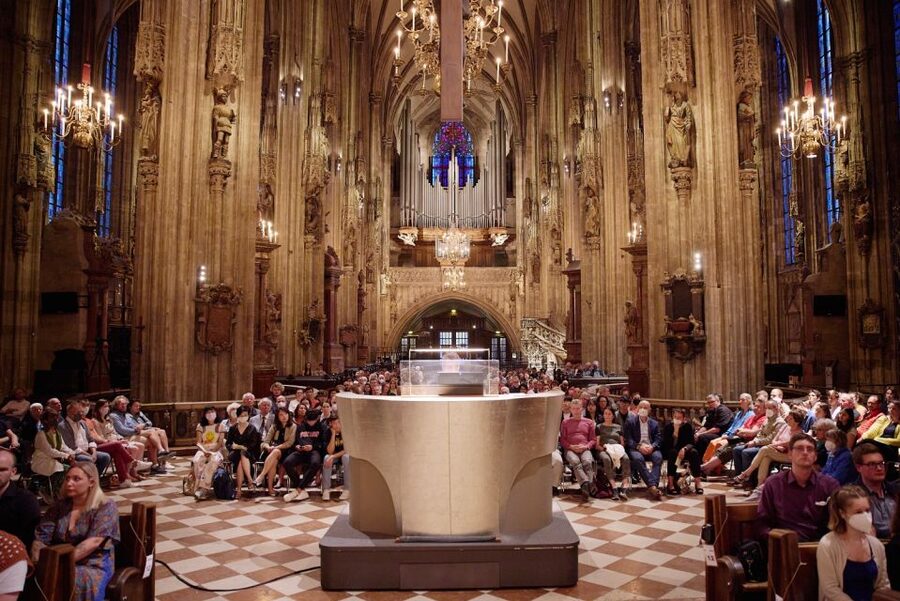
Your ticket includes an assigned seat within the category you select. Seats are allocated on a first-come-first-served basis, so booking earlier can improve your position within that category.
The cheapest ticket can be excellent value if your main goal is to hear the music and enjoy the building. It may be less satisfying if you want to watch every musician. Some lower-priced areas have obstructed views, and one person could hear all five musicians clearly but see only part of the group.
For string concerts, I would seriously consider the next seating level if the price difference is reasonable. Several bookings found front or center seats worth the extra cost, particularly when watching violinists and cellists is part of the pleasure. A better section can also help you see the ensemble without a column, pew, or other obstruction in the way.
Do not assume every seat is a padded concert chair. The cathedral may use wooden pews, and some areas have plastic chairs beside the older benches. The wooden seating can feel hard after the first 30 minutes. If comfort is important, check the category details and consider bringing a small cushion only if the venue rules allow it.
For an organ recital, the calculation changes. A less central seat may still work well because your focus is on the sound rather than the performer’s hands. For a chamber ensemble, sightlines matter much more.
More Classical Concerts in Austria
- Vienna: Vivaldi’s Four Seasons Concert in Karlskirche
★ 4.7 · 14,951 reviews - Vienna: Classical Concert in the World-Famous Musikverein
★ 4.6 · 6,673 reviews - Vienna: Mozart Concert at the Musikverein – Golden Hall
★ 4.6 · 5,194 reviews - Salzburg: Mozart Concert at Mirabell Palace
★ 4.8 · 3,498 reviews
What the music sounds like in the cathedral
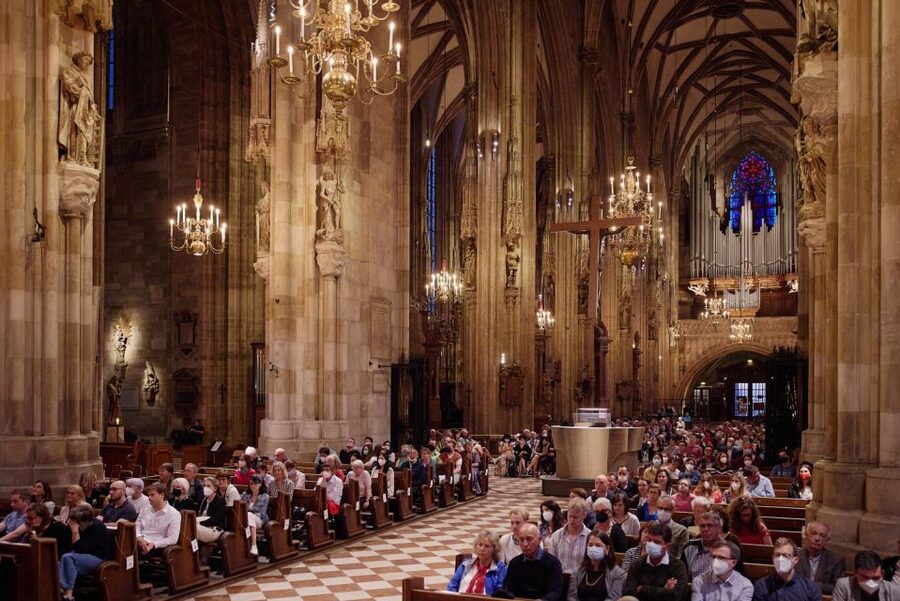
The acoustics are one of the strongest reasons to book this experience. The stone interior gives organ, choir, and orchestral sound a broad, lingering quality. An organ recital can fill the entire central nave, while a small group can sound larger than it would in a dry room.
That acoustic has a trade-off. Fast music may blur slightly as notes echo around the building. If you are a serious listener who wants to hear every line with concert-hall precision, a specialist music venue may serve you better. If you want music and atmosphere together, the cathedral is a memorable choice.
The audience also affects the experience. Talking, singing along, phone screens, coughing, and other noise can be distracting during a quiet movement. Most of the concert depends on shared courtesy, so silence and phones put away will help everyone.
Photography and video restrictions may apply during the performance. One particularly practical complaint was that recording was not allowed, and the audience lights could have been dimmer. Treat this as a listening experience rather than a chance to collect lots of footage.
A closer look at the possible programs
String concerts and Vivaldi
A string concert is likely the most approachable option for someone who does not regularly attend classical music. Vivaldi’s Four Seasons gives you clear changes in mood, tempo, and intensity. The music is familiar enough to follow, but hearing it under the cathedral’s arches adds a different character.
The main advantage is visibility. If you buy a front or center category, you can watch the bow work and the interaction among the players. If your seat is farther back or off to the side, you may hear a wonderful performance without seeing all of the musicians.
Mozart and the Requiem
Mozart fits Vienna’s identity, and the cathedral connection adds weight to the occasion. A Mozart concert is a good pick for a first visit to the city because it links famous music with a place associated with the composer’s era.
The Requiem is a more solemn experience than a short instrumental recital. The work, the church, and a late-night performance can create a powerful atmosphere. The midnight December 4 performance and other special Requiem dates are not ordinary daily concerts, so check the exact date and start time before making plans around them.
Bach and Beethoven
Bach works naturally with the cathedral’s long echo, particularly in an organ or choral setting. Beethoven offers a heavier, more forceful program and may suit you if you prefer music with dramatic weight.
The available repertoire changes. You should read the selected option rather than book based only on the broad promise of a classical concert.
The Giant Organ
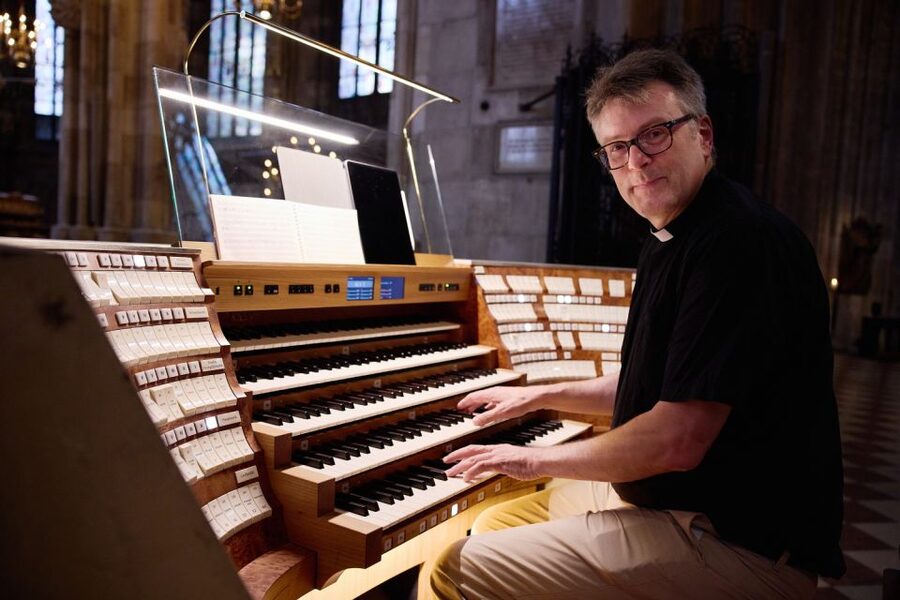
The Giant Organ concert is the most unusual choice. More than 12,000 pipes produce a scale of sound that a small ensemble cannot match. You may not see much of the organist, but the instrument’s size and power make the performance easy to appreciate even if you are not an organ specialist.
This is also the option that works best for a peaceful pause. You sit in the center of Vienna, yet the city disappears once the music begins.
Is $11 good value?
At an advertised price of about $11 per person, this is one of the easier cultural purchases in Vienna to justify. You are paying for a live concert, a seat, and time inside one of the city’s most important buildings. Even a short program can cost more in a formal concert hall.
Value depends on your expectations. The lowest price may not include the best view, and the exact performers and repertoire depend on the option. If you want a famous orchestra, a major choral work, or a prime seat, expect to choose a higher category or a special date.
The price also makes this a practical choice for families, first-time classical listeners, and anyone who wants something more memorable than a standard evening meal. It is not the same as a full-scale opera or symphony performance, but it need not be. Think of it as a compact music experience inside a major landmark.
Who should book this concert?
I would recommend it to you if you want to combine sightseeing and music without giving up an entire evening. The one-hour to 65-minute length fits neatly after a day in central Vienna, and the cathedral is easy to reach by subway.
It suits classical music newcomers because you can choose familiar composers and spend time in a setting that makes the concert feel special. It also suits experienced listeners who understand that a church recital offers atmosphere and resonance rather than the clean sound of a modern hall.
Wheelchair access is available, which makes this one of the more practical concert choices in central Vienna. Seating still matters, so contact the provider if you need a specific access arrangement.
I would be more cautious if you need padded seating, perfect sightlines, or a fully explained tour. The cathedral is not a guided attraction during this activity, and some seats are designed more for listening than viewing.
My booking advice for different visits
For a first Vienna visit, I would choose a Mozart or Vivaldi program with a higher seating category. Familiar music helps you settle into the experience, and a better view lets you appreciate the musicians as well as the architecture.
For a December visit, look at the Christmas and Advent options, then check the date carefully. The Vienna Symphony Orchestra’s Advent Concert on December 11 and the special Mozart Requiem dates are distinct events, not interchangeable labels.
For a quiet night, choose the organ recital. It is less dependent on your view and makes full use of the cathedral’s scale.
For the best budget plan, take the $11 category, arrive early, and accept that your sightline may be limited. You will still have the building, the acoustics, and a full live performance.
Should you book St. Stephen’s Cathedral concert?
Yes, if you want a reasonably priced cultural evening with a strong sense of place. The Gothic interior, excellent acoustics, and wide choice of composers make this more than background music in a church.
Choose carefully. Read the exact program, book early if the view matters, and arrive 30 minutes before the start. If you can tolerate hard benches and the possibility of an obstructed sightline, this is a memorable and practical addition to a Vienna itinerary. If you need a fully guided cathedral visit or a formal concert-hall experience, choose another activity or pair this with a separate cathedral tour.
FAQ
Where does the concert take place?
The concert takes place inside St. Stephen’s Cathedral in central Vienna, at Stephansplatz.
How do I reach St. Stephen’s Cathedral?
Take the subway to Stephansplatz. U1, the red line, and U3, the orange line, both stop directly in front of the cathedral.
How long does the concert last?
The performance lasts from one hour to about 65 minutes, depending on the selected program.
What music can I hear?
Available programs may include Mozart, Bach, Vivaldi, Beethoven, Christmas music, Mozart’s Requiem, or organ music. Read the selected option carefully because the repertoire changes.
Is the Giant Organ concert included with every ticket?
No. The Giant Organ is available only if you select the organ concert option.
How large is the cathedral organ?
The Giant Organ has more than 12,000 pipes and is described as one of the largest organ units in Europe.
Are seats assigned?
Yes. You receive an assigned seat within the category you choose. Seats are allocated on a first-come-first-served basis.
Should I book early?
Book early if you want the best available seat within your chosen category. Earlier booking can improve your position.
Is the concert wheelchair accessible?
Yes, the activity is wheelchair accessible.
Is a cathedral tour included?
No. Your ticket includes the selected concert and admission from 30 minutes before the start, but it does not include a guided tour of St. Stephen’s Cathedral.
Just added to the listings in Austria
- Christmas Concerts in Capuchin Church★ 4.5 · 81 reviews
- Konzerte der Wiener Royal Orchester★ 4.5 · 143 reviews
- Vienna: A Little Night Music – Concert at Capuchin Church★ 4.8 · 145 reviews
- Christmas and New Year Concert at St. Peter’s Church in Vienna★ 4.5 · 155 reviews
- Salzburg: Christmas/Advent Concert & Dinner★ 4.4 · 154 reviews
- Concert at the Palais Schönborn-Batthyány by the Vienna Baroque Orchestra★ 4.5 · 168 reviews
- Salzburg: Classical Music Concert at the Mirabell★ 4.1 · 180 reviews
- Vienna: Classical Music Concert in the World-Famous Musikverein★ 4.5 · 180 reviews
Classical Concerts, compared.
Vivaldi’s Four Seasons Concert in Karlskirche
Read our review →
Classical Concert in the World-Famous Musikverein
Read our review →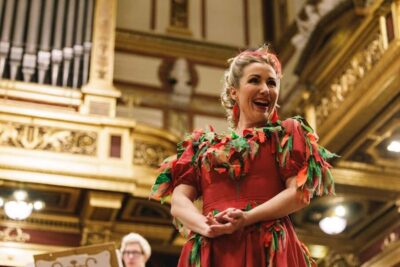
Mozart Concert at the Musikverein – Golden Hall
Read our review →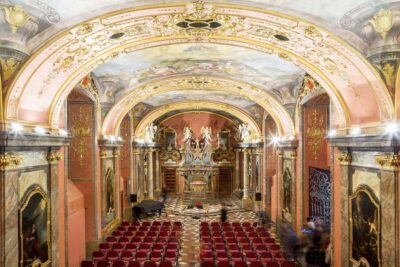
Entry Ticket Classical Concert at the Mirror Chapel
Read our review →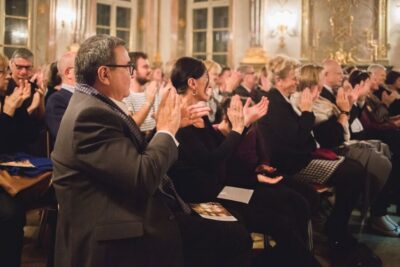
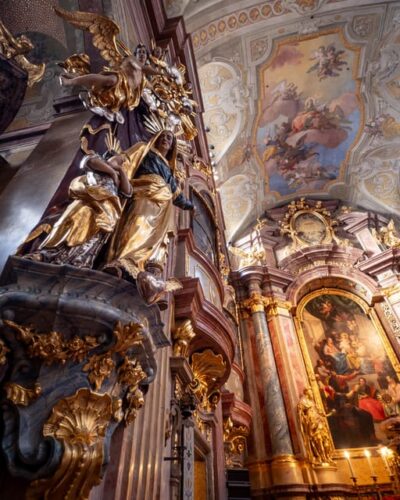
Classical Concert in St. Anne’s Church (Annakirche)
Read our review →
Mozart and Strauss Concert at Schönbrunn
Read our review →
Vivaldi’s Four Seasons Live Classical Music Concert
Read our review →Browse the lists this tour appears in