REVIEW · NEW ZEALAND
Waitangi: Treaty Grounds Hāngī and Concert Combo Pass
A hāngī dinner and Māori performance make a strong evening pairing, but the real value is the two-day access to Waitangi Treaty Grounds. You begin at Whare Waka Café, follow a guide through the historic site, watch a warrior challenge and cultural show, then return for a generous buffet cooked in an underground oven.
I like the chance to split the visit across two days, since the museums and grounds deserve more than a quick look. I also like the human touch in the evening program. Guides such as Dan Busby have been singled out for mixing clear historical explanations with humor, while the performers welcome interaction and photographs afterward when permitted.
The main drawback is time. The evening program lasts 150 minutes, and that is not enough to study every museum display as well as enjoy dinner and the show. You should use the included daytime admission before or after the concert, and pre-book the daytime guided tour and cultural experience if needed.
Key things to know before booking
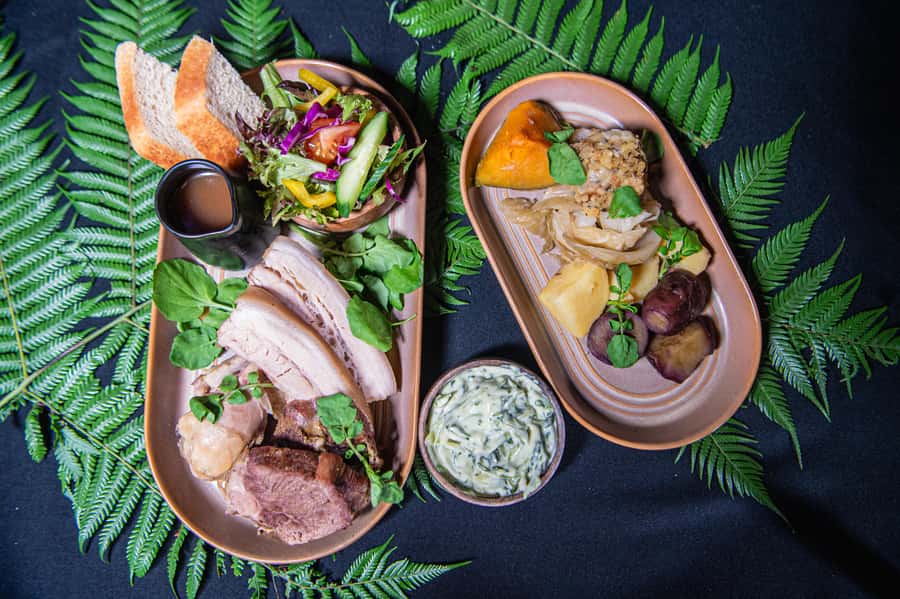
- The hāngī is cooked underground: You see the chef unveil the meal before eating meats, vegetables, bread, salad, and steamed pudding.
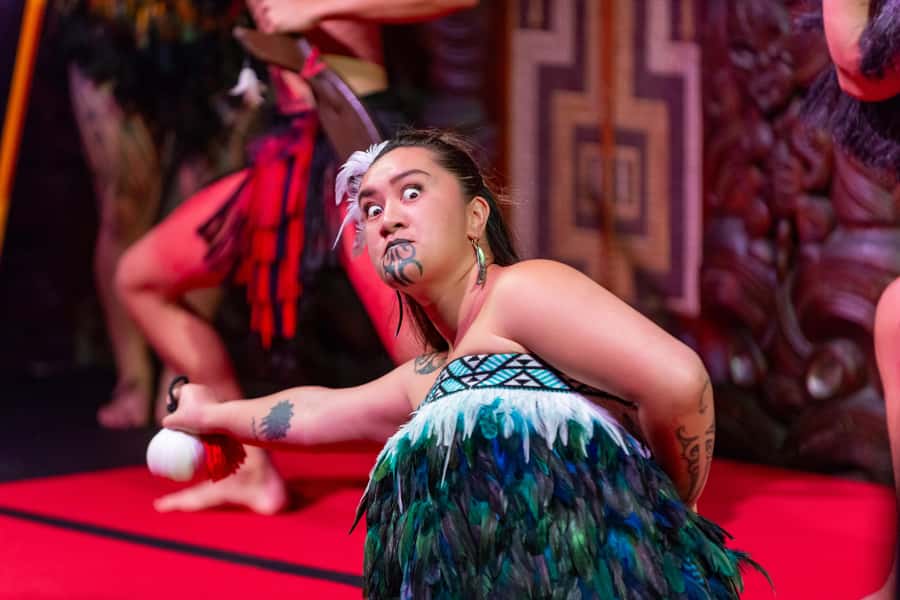
- The evening includes a warrior challenge: Your guide leads you through the grounds for a spirited welcome before the performance.
- The two-day pass matters: You receive daytime access to heritage buildings, two museums, the ceremonial waka, a guided tour, and a Māori cultural experience.
- The cultural performance is the evening centerpiece: Expect singing, movement, stories, and audience interaction in a high-energy show.
- Dan Busby may be your guide: His warm, playful delivery has made a strong impression, though guide assignments can vary.
- The best plan is to return in daylight: The evening program introduces the site, but the museums need extra time.
Why the evening at Waitangi works so well
Waitangi Treaty Grounds is not simply a dinner venue. It is the place connected with the signing of the Treaty of Waitangi, one of New Zealand’s most important historical events. That gives the meal and performance a setting with real weight.
You begin at Whare Waka Café at 6pm. The café provides an easy place to meet, settle in, and mix with the group before the formal program begins. This opening is useful because the evening soon shifts from a relaxed welcome to a guided walk and a more theatrical presentation.
The program gives you several ways to approach Māori culture. You hear history from a guide, see a traditional cooking method, watch a performance, and share a meal. None of those elements tells the whole story by itself, but together they create a fuller evening than a museum visit alone.
I also appreciate the balance between explanation and entertainment. The cultural presentation has plenty of energy, yet the guided portion gives you a chance to understand why the setting matters. This is especially helpful if you are visiting New Zealand for the first time and want an introduction without committing to a full cultural tour lasting several days.
More Live Music in the world:
- Vienna: Vivaldi’s Four Seasons Concert in Karlskirche
★ 4.7 · 14,951 reviews - Venice: La Fenice Opera House Entry Ticket with Audio Guide
★ 4.6 · 11,742 reviews - Sydney: Opera House Guided Tour with Entrance Ticket
★ 4.8 · 8,312 reviews
Starting at Whare Waka Café at 6pm
Arrive promptly for the 6pm start at Whare Waka Café. Your evening ticket allows access to the café for the hāngī and concert, while the same booking also provides daytime entry to the Treaty Grounds.
The opening café time is not just a holding area. It gives you a calm start before the group moves outside. You can use it to get settled and prepare for an evening that changes pace several times.
The supplied information does not specify table arrangements, drink packages, or special dietary options, so you should ask the provider directly about those points before booking if they matter to you. The meal itself is clearly defined as a buffet, which generally makes it easier to sample several dishes at your own pace.
The setting also helps establish the evening as a shared event. You are not simply collecting a plate and watching a short show. The group moves through the site together, takes part in the welcome, and returns to the café for the main meal.
Seeing the hāngī come out of the ground
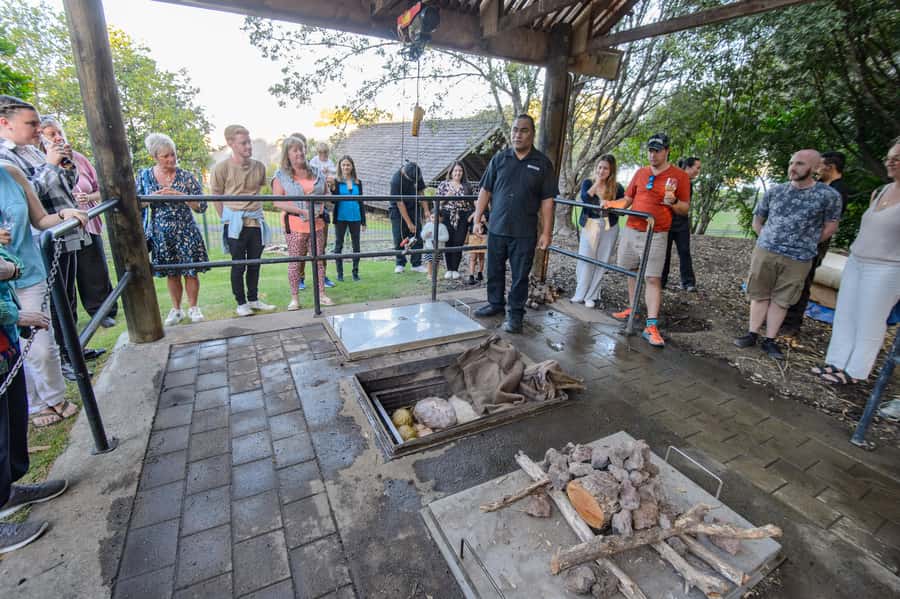
One of the most appealing parts of the experience is watching the chef unveil the hāngī. The food has been cooked in an underground oven, a method closely associated with Māori cooking and communal meals.
That small demonstration gives the dinner a sense of place. You see how the food was prepared before it reaches the buffet, rather than receiving a generic meal with a Māori label attached to it. It also makes the meal easier to appreciate as part of the cultural program.
The buffet includes meats, vegetables, bread, salad, and steamed pudding. The menu is broad enough to suit different tastes within a group, including people who want a hearty plate and those who prefer to build a meal around vegetables and salad.
The dessert is steamed pudding, a traditional-style finish that gives the meal a comforting, substantial feel. Several highly positive comments focus on the food, with particular praise for its quantity, flavor, and overall quality. One diner called it the best meal of a New Zealand visit, while others noted that the food and atmosphere worked well together.
Still, you should book this for the full cultural evening, not as a stand-alone food tour. The buffet is an important part of the program, but the guide, performance, and historic setting are what give dinner its meaning.
Following the guide through the Treaty Grounds
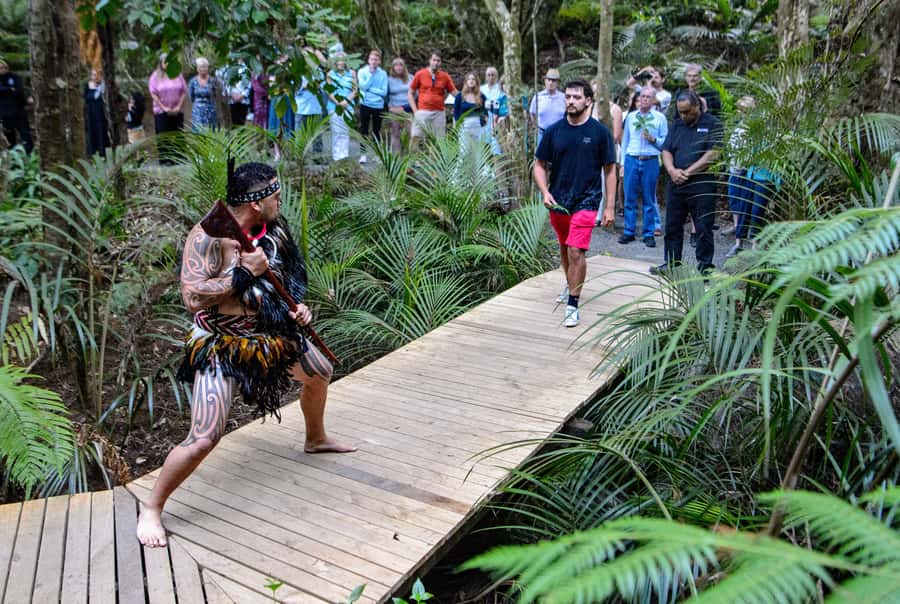
After the opening portion, you follow a guide through the Treaty Grounds. The walk leads into a warrior challenge, a dramatic welcome that gives the evening a clear Māori cultural focus.
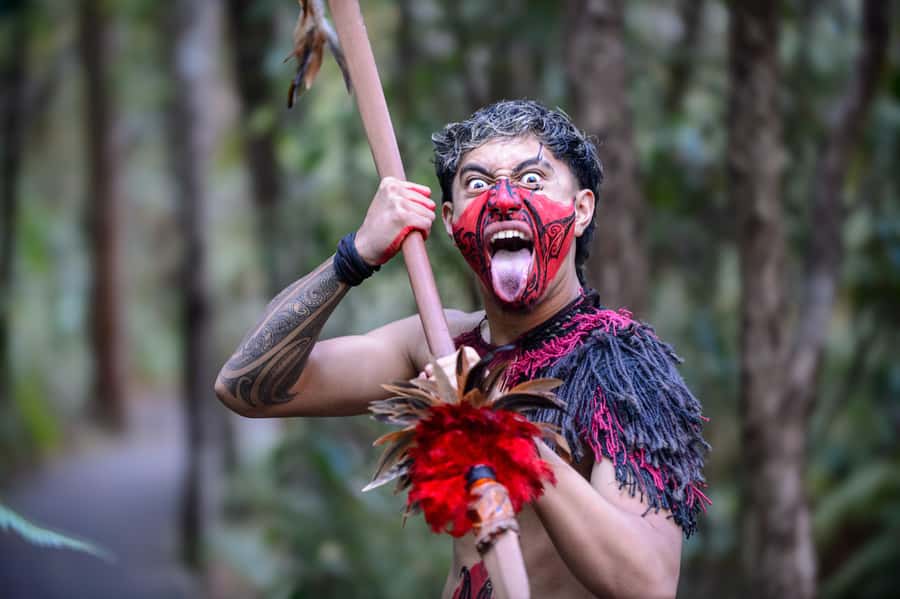
The challenge is presented as a fierce and energetic encounter, but it is part of a structured cultural program. Your guide helps place it in context, so you are not left trying to understand the gestures and calls without explanation.
Guide quality matters greatly here. Dan Busby is named in several positive accounts as an especially effective guide. His delivery is described as informative, good-natured, and able to move between serious history and light humor. That blend is valuable at a site where the subject matter can be weighty.
Guide assignments can change, so you should not book on the assumption that Dan Busby will lead your particular session. The important point is that this part of the evening depends on clear interpretation. A good guide can turn a short walk into a useful introduction to the site, while a more scripted delivery may feel less personal.
One comment specifically found the guided tour too rehearsed. That is a fair caution. The historical information is useful, but some visitors may prefer a more conversational style. If you enjoy asking questions, take the opportunity when the guide allows it.
Another night with a band on stage:
- New Orleans Steamboat Natchez Jazz Cruise with Dinner Option
★ 4.0 · 7,533 reviews - Budapest Danube Cruise and Dinner Options, Live Music and Dance
★ 4.5 · 7,428 reviews - Paris: 3-Course-Dinner Cruise on the Seine with live music
★ 4.7 · 7,248 reviews - Vienna: Classical Concert in the World-Famous Musikverein
★ 4.6 · 6,673 reviews
The high-energy Māori performance
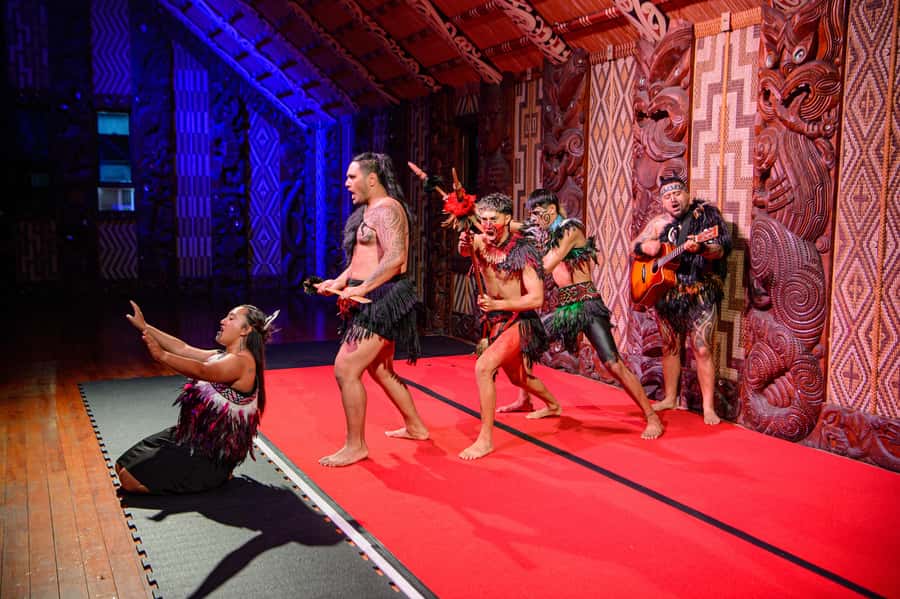
The cultural performance is the strongest part of the evening for many people. It brings together music, movement, ceremony, and audience participation in a way that is easy to follow even if you know little about Māori culture.
The tone is lively rather than museum-like. You are not sitting quietly in front of a display case. The performers create a direct connection with the audience, and the program has enough pace to hold the attention of children and adults alike.
Audience involvement adds to the fun. One participant was chosen as Chief Number 2, accepted a peace offering, and gave a speech on behalf of the group. That kind of moment cannot be guaranteed, but it shows how the performance can move beyond passive watching.
There is also a chance to speak with performers and take photographs afterward, according to the experience details. One important qualification is that photography or video during the performance may not be allowed. Ask about the current rules rather than assuming you can record the show.
You should also understand that this is a staged cultural presentation. It is designed to teach, entertain, and welcome an audience within a set time. That does not make it less worthwhile, but it means you are receiving an introduction rather than a private or informal encounter with Māori culture.
Returning to the café for the buffet
After the performance, you return to Whare Waka Café for dinner. This return gives the evening a satisfying shape: welcome, walk, challenge, performance, and shared meal.
The timing also means you watch the hāngī being unveiled before eating it. That small detail helps connect the food with the earlier parts of the evening. You have already spent time learning about the place and witnessing the welcome, so the meal feels like the social conclusion of the program.
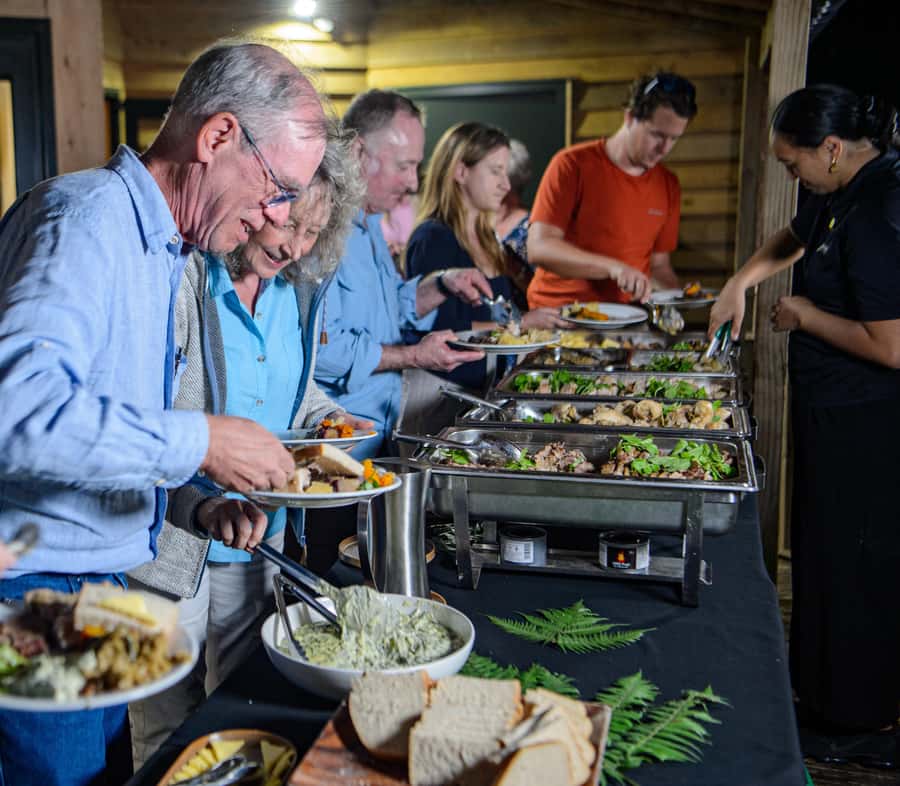
The buffet format is practical for mixed groups. You can choose from meat, vegetables, bread, salad, and pudding without having to agree on one plated dish. The available information does not give a detailed menu, so do not expect a fixed list of exact ingredients.
The atmosphere is another reason the meal works. This is a communal dinner after a shared performance, not a quiet restaurant booking. If you want a formal, private meal, this may not be your ideal evening. If you like eating in a social setting after a cultural show, the format should suit you well.
Using the two-day pass properly
The included two-day admission is the part many people could underuse. The evening itself lasts 150 minutes, but the daytime pass lets you return and see the wider site at a slower pace.
Daytime admission includes:
- A 50-minute guided tour
- A 30-minute Māori cultural experience
- Access to the heritage buildings
- The world’s largest ceremonial waka
- Te Kōngahu Museum of Waitangi
- Te Rau Aroha Museum of the Price of Citizenship
That is a lot to fit around a dinner and performance. I would treat the evening as an introduction, then reserve a separate block of daylight for the museums and grounds.
The guided tour is useful for giving structure to a large historic site. You can hear the main story first, then return to displays that interest you. The 30-minute Māori cultural experience adds another layer beyond the evening performance, though the supplied details do not specify its exact format or schedule.
The museums deserve time. Te Kōngahu Museum of Waitangi focuses on the Treaty and its place in New Zealand’s story, while Te Rau Aroha Museum addresses the Price of Citizenship. The descriptions here do not provide a full gallery list, so I would avoid rushing through them just to claim that you saw everything.
The large ceremonial waka is another major reason to use the daytime admission. Its scale is difficult to appreciate in a quick evening visit, especially if the light is fading or the schedule is moving you toward dinner.
Several people have found that one short return visit was not enough to read all the displays. The practical lesson is simple: plan the full daytime visit if history matters to you. The two-day access gives you that flexibility, and it is one of the strongest reasons the $111 price can make sense.
Is the $111 price good value?
At $111 per person, this is not a cheap dinner and show. It becomes better value when you count the included daytime admission, guided tour, cultural experience, museums, heritage buildings, and ceremonial waka.
The price also covers a full cultural program rather than one isolated attraction. You receive a guide, a warrior challenge, a performance, and a buffet meal. For someone who already plans to visit the Treaty Grounds, adding the evening may be a sensible way to combine admission and entertainment.
The value drops if you only attend the evening and skip the daytime visit. In that case, you are paying for access you have not used. You should make a plan to return in daylight, especially if you want to read the museums carefully.
I would also factor in the quality of the evening rather than judging the meal alone. The best parts of this experience are the setting, the explanations, the live performance, and the chance to see a hāngī presented as part of the event. It is not simply a buffet with a show attached.
Who should book this experience?
This suits first-time visitors to the Bay of Islands who want a clear introduction to Māori culture and the Treaty Grounds. It also works well for families, since the performance has plenty of movement and the buffet gives different eaters some choice.
History-minded visitors should book only if they can use the daytime pass. The evening will introduce the site, but it cannot replace time in the museums. If you are short on time, the combo still gives you a useful overview, though you will need to accept a faster visit.
The experience is also a good fit for people who prefer structured activities. The schedule is clear, the guide leads you through the grounds, and the evening has a defined beginning and end. Independent visitors who dislike group performances may find the format too organized.
The grounds and activity are wheelchair accessible. The information provided does not describe the exact route or any terrain details, so you should contact the provider if you need specific access information.
Free cancellation is available up to 24 hours before the activity, and you can reserve now and pay later. Those policies are useful if your North Island plans are still changing, but the key practical step remains the same: arrive on time for the 6pm start.
Final call: book it if you use the pass
I recommend this experience if you want a lively cultural evening and can return during the day. The performance and hāngī are the main draws, while the two-day admission makes the $111 price easier to justify.
Book it with realistic expectations. You will receive a polished, scheduled presentation rather than an unplanned encounter, and the guide’s delivery may feel more scripted than personal. Still, the combination of the historic setting, warrior challenge, live Māori performance, underground-oven meal, and daytime access gives you a useful and enjoyable introduction to Waitangi.
If you have only one evening and no time for the museums, choose it for the performance and dinner. If you can spare a full day, this combo becomes a much stronger buy.
FAQ
Where does the experience begin?
You begin at Whare Waka Café on the Waitangi Treaty Grounds. You should arrive promptly for the 6pm start.
How long does the evening activity last?
The listed duration is 150 minutes.
What does the hāngī buffet include?
The buffet includes meats, vegetables, bread, salad, and steamed pudding for dessert.
Is a cultural performance included?
Yes. The experience includes a high-energy Māori cultural performance and a warrior challenge.
What does the two-day admission cover?
The pass includes daytime access to the Treaty Grounds, heritage buildings, the world’s largest ceremonial waka, Te Kōngahu Museum of Waitangi, and Te Rau Aroha Museum of the Price of Citizenship.
Is a guided tour included?
Yes. The daytime admission includes a 50-minute guided tour. You should request or pre-book the daytime guided tour and cultural experience times.
What language is the tour in?
The live tour guide and activity language are English.
Is the experience wheelchair accessible?
Yes, the activity is listed as wheelchair accessible. You should contact the provider for any specific access details you need.
Just added to the listings in the world
- Beijing: Night Tour Of Peking Opera Show / Transfer★ 4.3 · 5 reviews
- Barcelona: Jam Session – Jazz, Cocktails and Tapas★ 4.8 · 19 reviews
- Barcelona: Taste 5 Spanish Wines paired with Live Music★ 5.0 · 3 reviews
- Beijing Culture Event: Tea Ceremony, Music Show, Calligraphy★ 5.0 · 5 reviews
- Bangkok: ThreeSixty Jazz Lounge at Millennium Hilton★ 4.0 · 8 reviews
- Barcelona: Solo Piano Intimate concerts in Barcelona★ 4.9 · 9 reviews
- Bangkok: Party Boat Cruise with DJ and Live Music★ 4.3 · 3 reviews
- Bali Phinisi Cruise: Sunset Dinner with Live Music & Buffet★ 3.7 · 18 reviews
Live Music, compared.
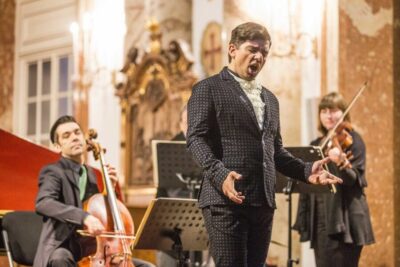
Vivaldi’s Four Seasons Concert in Karlskirche
Read our review →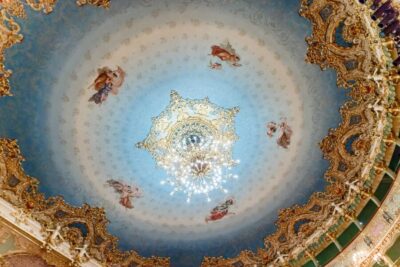
La Fenice Opera House Entry Ticket with Audio Guide
Read our review →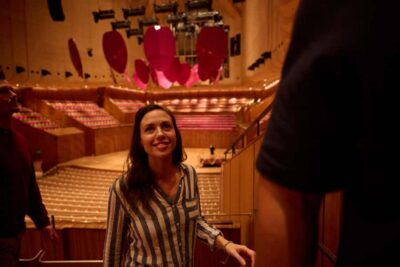
Opera House Guided Tour with Entrance Ticket
Read our review →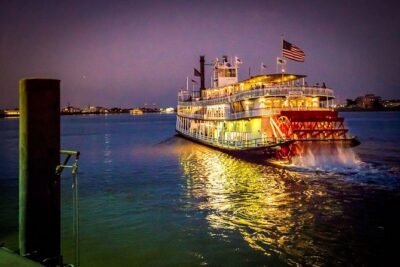
New Orleans Steamboat Natchez Jazz Cruise with Dinner Option
Read our review →
Budapest Danube Cruise and Dinner Options, Live Music and Dance
Read our review →
3-Course-Dinner Cruise on the Seine with live music
Read our review →
Classical Concert in the World-Famous Musikverein
Read our review →