
REVIEW · SPAIN
Alicante:Evening Spanish Tapas Cooking Class with Live Music
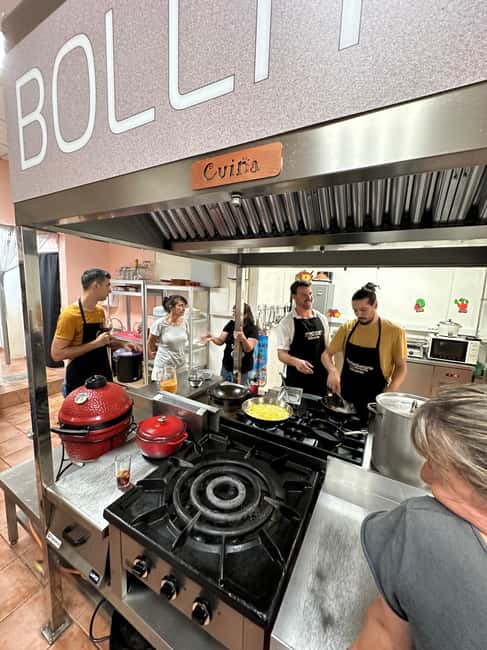
A skillet of tortilla de patatas, a plate of bacon-wrapped dates, and a glass of sangria make a fine introduction to Alicante after dark. This two-hour class puts you in a real local kitchen, where you cook with ingredients bought at the Central Market and then eat the results. I especially like the market-fresh produce and the way the evening ends with live Spanish guitar, rather than stopping when the plates are cleared.
The main caution is the group size. One recent class had about 14 people, which meant some participants watched while others cooked. The room can also feel chilly when the shutters stay open, so I would bring a light jacket for a cool evening.
What makes this Alicante evening worth considering
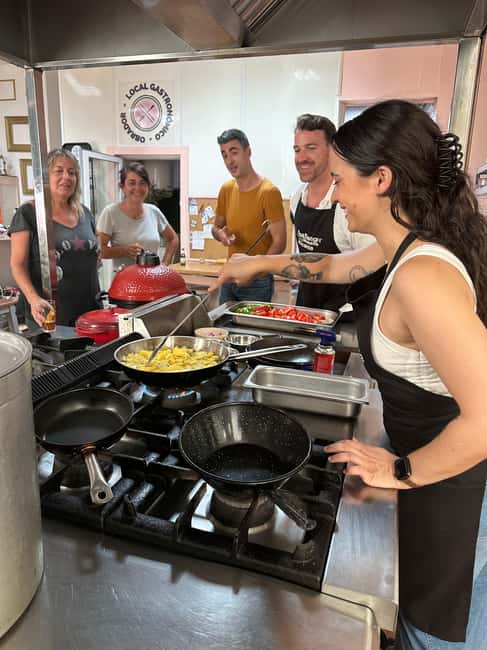
- Central Market ingredients: The tapas are made with fresh food sourced that morning in Alicante.
- Six dishes from one class: You prepare five savory tapas plus dessert, giving you a broad taste of Spanish home cooking.
- A full dinner is included: Your class ends with the food you made, one drink, and bottled water.
- Fred’s friendly teaching style: When Fred leads, he explains both the cooking steps and the local stories behind the dishes.
- Live guitar after dinner: The music gives the evening a relaxed Spanish finish.
- Dietary requests are possible: Vegetarian, gluten-free, and allergy-friendly versions can be arranged with advance notice.
Starting near Alicante’s Central Market
The class takes place at Bollitori, on Calle Manuel Antón 19, only a few minutes from Alicante’s Central Market. That location matters. You are not heading to an isolated cooking studio on the edge of town. You are meeting in a restaurant and local kitchen close to one of the city’s main food markets.
Finding the venue takes a little care because Calle Manuel Antón is split by the La Lonja parking lot. If you have the Central Market and the sea behind you, look to the left side of the parking area. The restaurant is near Plaza Músico Óscar Tordera.
I would allow a few extra minutes to find the correct side of the street. The meeting point is simple once you know this detail, but the divided road could cause confusion if you arrive at the last minute.
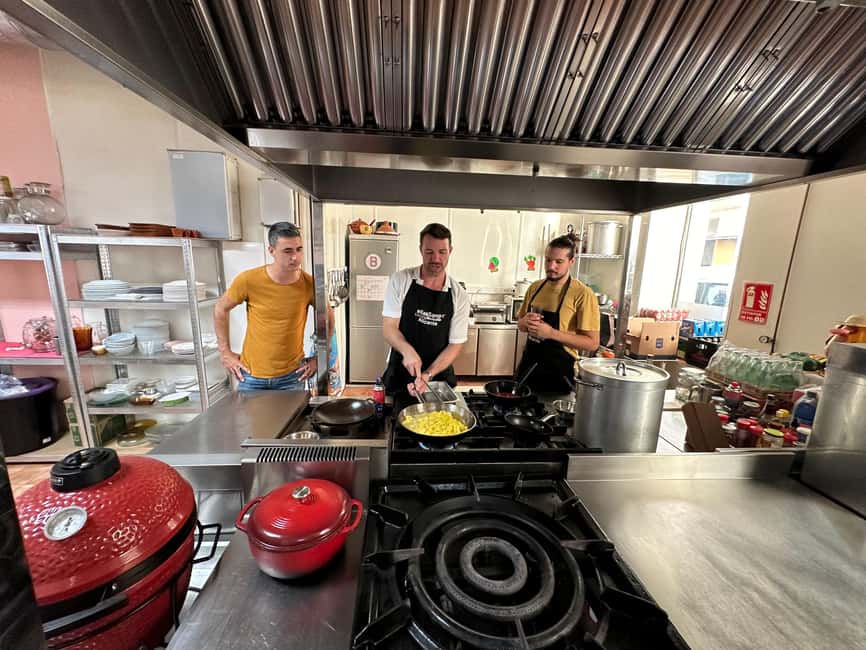
The setting is described as a cozy working kitchen where people from Alicante gather to cook and eat together. That makes the activity feel more connected to daily life than a polished demonstration in a hotel kitchen. You are there to handle ingredients, ask questions, and sit down with the group afterward.
Other concerts and live music nights people book in Spain:
- Barcelona: Sunset Catamaran Cruise with Live Music
★ 4.7 · 3,024 reviews - Barcelona: Catamaran Cruise with optional Live Jazz Music
★ 4.7 · 1,797 reviews - Barcelona: Sunset Sailing Cruise with Live Music
★ 4.2 · 1,787 reviews
The first jobs: chopping, mixing, and learning the menu
A local chef leads the cooking, with a host helping the group and explaining the food. Instruction is available in English and Spanish, so you do not need Spanish cooking vocabulary to take part.
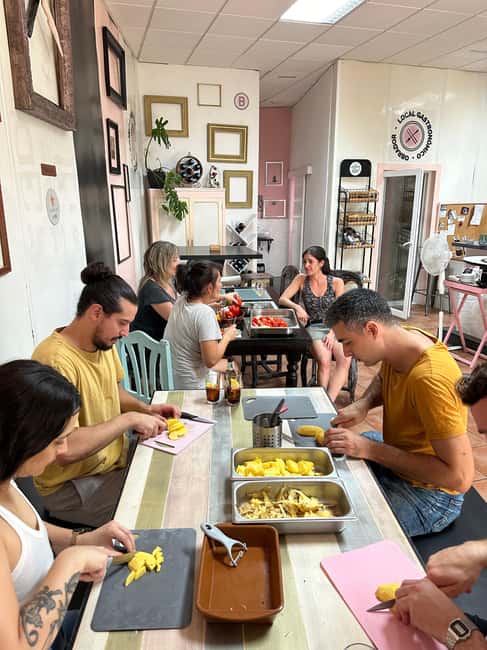
The exact division of tasks can depend on the group size. With around 14 people, you should not expect to personally prepare every single dish from start to finish. You may chop or mix one part of the meal, then watch the chef or another participant handle the next step.
That is the tradeoff between a social class and a private lesson. A larger group gives the evening a lively, communal feel, but it can reduce hands-on time. If you want constant knife work and detailed personal instruction, a smaller class would be better. If you enjoy meeting people and sharing a meal, the group format works well.
The class also includes an apron and all kitchen equipment. You do not need to arrive with cooking tools or any special skill. The focus is on traditional dishes that are practical enough to recreate at home, not on complicated restaurant tricks.
Tortilla de patatas, Spain’s everyday classic
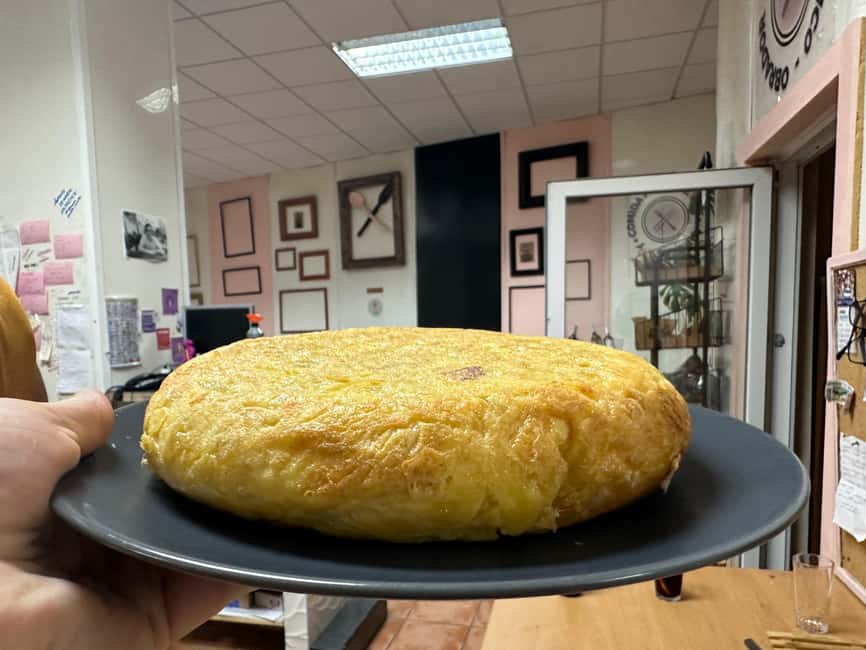
The Spanish omelette is one of the most useful dishes on this menu. Tortilla de patatas combines potatoes, eggs, and the careful timing needed to set the mixture without drying it out.
A good class does more than tell you what goes into a tortilla. It shows you the rhythm of the dish: preparing the potatoes, combining the ingredients, and managing the pan. This is the kind of recipe you can make again for a picnic, a casual lunch, or a late supper.
For you, the value is not just eating one slice. You leave with a recipe and a better sense of why a simple Spanish staple needs patience. It is a modest dish, but it carries much of the country’s food culture.
Gazpacho and the cool side of Mediterranean cooking
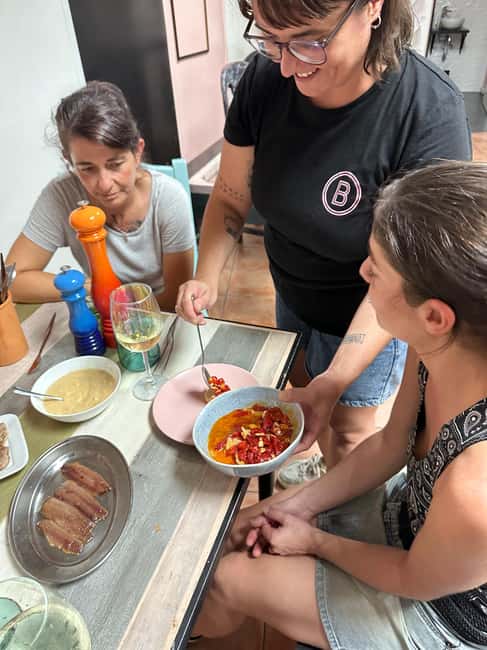
Gazpacho brings a fresh, cold element to the meal. It is a useful contrast to the cooked tapas and a good reminder that Spanish cooking is not all fried potatoes and cured meat.
In Alicante’s Mediterranean setting, a chilled vegetable soup makes practical sense. The class lets you see how fresh ingredients are turned into something light and refreshing without a long cooking process.
You should expect the menu to move between different textures and temperatures. That variety is one of the strengths of the evening. You are not eating five versions of the same heavy bar snack.
More Workshops in Spain:
- Mango’s Miami: Salsa Lessons, Mojitos, Bites & Live Music
★ 4.7 · 156 reviews - Kyoto: Japanese Koto & Shamisen Concert and Koto Class
★ 4.9 · 31 reviews
Bacon-wrapped dates and chorizo cooked with cider
The bacon-wrapped dates offer a sweet and savory bite. They are the sort of small tapa that can look simple on the plate but gives the menu a clear change of flavor.
Chorizo a la sidra brings a stronger, more traditional Spanish character. The sausage is cooked with cider, creating a dish that works well as a shared plate. It also gives the chef a chance to explain how Spanish ingredients are used in familiar, generous combinations.
These dishes are likely to appeal most if you enjoy bold flavors. If you prefer very mild food, ask about the menu and possible changes before booking. The class can accommodate some dietary needs, but requests need to be made in advance.
Pork tosta with turrón sauce
The pork tosta is served on toast with turrón sauce. Turrón is a Spanish almond and honey sweet traditionally associated with Christmas, so using it in a savory dish gives the menu an interesting local twist.
This is one of the more distinctive plates in the class. It shows how a familiar Spanish ingredient can be used outside its usual role. The combination may sound unusual, but that is precisely why it is worth paying attention to during the explanation.
I like dishes such as this in a cooking class because they give you a story to take home, not just a recipe. You can tell friends that you used a classic Spanish sweet in a sauce for pork, then try your own version later.
Torrija with turrón ice cream
Dessert is torrija, often compared with French toast, served with turrón ice cream. It gives the evening a soft, sweet finish after the savory tapas.
The dish is familiar enough to understand at once, but the Spanish ingredients give it a local identity. The turrón ice cream also ties the dessert back to the sauce used with the pork tosta.
You receive five savory dishes and dessert as part of the meal. That is important when judging the price. This is not a short lesson followed by a small tasting. You should arrive hungry because the class is designed to replace dinner.
Sitting down to eat what you made
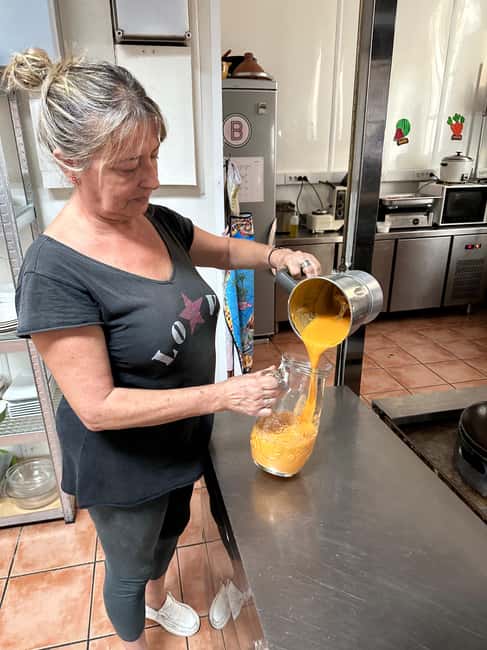
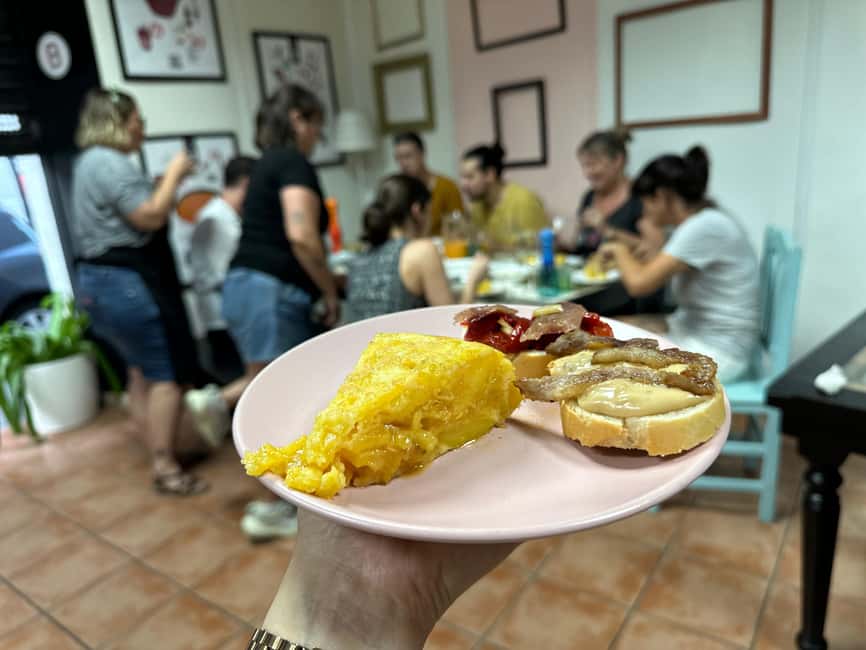
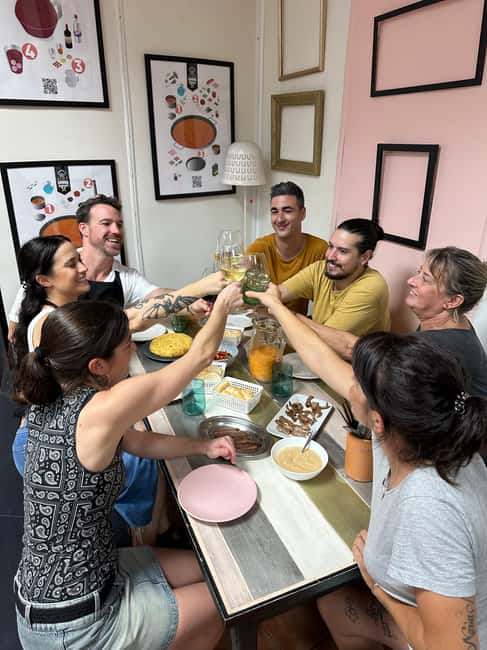
After the cooking, you sit with the group and share the finished food. This is where the class becomes more than a sequence of kitchen tasks. You can compare the dishes, talk with the people around you, and enjoy the meal without rushing off to find a restaurant.
Your booking includes one drink: wine, beer, a soft drink, or sangria. Homemade sangria is available, which fits the evening nicely. Bottled still water is also provided throughout the experience.
Additional alcoholic drinks cost extra and can be added during booking. If you expect to have more than one drink, factor that into your budget. Still, the included meal and first drink make the $42 price reasonable for Alicante, particularly because the class also covers ingredients, equipment, recipes, and entertainment.
The food is homemade rather than individually plated restaurant cuisine. That means the presentation may be informal, but it also suits the shared nature of the evening. The point is to eat together and understand what went into the dishes.
Spanish guitar after the plates are cleared
The evening closes with live Spanish guitar. This is a strong finishing touch because it keeps the experience tied to music and social life, not only food preparation.
One of the instructors, Fred, is also connected with a band and may provide the music when he leads the session. His teaching style includes explanations of the food and its local meaning, so you get more context than a basic recipe lesson.
The guitar performance is not a separate concert with a long program. Think of it as a relaxed musical ending over a final drink. If you want an evening with a bit of atmosphere but do not want to commit to a formal flamenco show, this format may suit you.
Group size, comfort, and the hands-on question
Group size is the biggest practical variable. A class of about 14 people can be enjoyable and social, but you will not have uninterrupted access to the cooking station. At times, you may stand back while another person handles a task.
The smaller the class, the more personal the instruction is likely to feel. In quieter periods, the experience may be very intimate. Two people once had the class to themselves, and the chef still ran the full activity rather than canceling it. That is a good sign for couples and off-season visitors who want a calm evening.
The room may also be cool. The shutters have been kept open during a chilly evening, so take a jacket if the forecast is mild or cold. This is a small issue, but it can affect your comfort during the first part of the class, when you may be standing rather than eating.
The venue is wheelchair accessible. For food allergies, vegetarian diets, or gluten-free needs, contact the provider before the class. The kitchen can offer suitable options with advance notice, but you should not wait until the evening begins.
Who will enjoy this cooking class most
I would recommend this experience to you if you want food to be part of your sightseeing rather than a separate stop at a restaurant. It suits couples, friends, solo visitors who like meeting people, and families with an interest in cooking.
It is also a good choice for anyone who wants recipes that can be used at home. Tortilla, gazpacho, torrija, and the other tapas are recognizable dishes with clear cultural links. You receive copies of all the recipes, so the evening continues after you leave Alicante.
The class is less suitable if you want advanced culinary training or a private chef lesson. The instruction is friendly and practical, not a professional certification course. A larger group can also mean less time at the worktop.
You should also consider your evening schedule. The activity lasts two hours, with cooking, dinner, drinks, and music included. Starting times vary, so check the available slot before arranging another evening activity.
Is $42 a fair price in Alicante?
At $42 per person, the value is solid if you would otherwise pay for dinner and a cultural activity separately. You receive a full homemade tapas meal, dessert, one drink, water, fresh ingredients, equipment, an apron, recipes, instruction, and live music.
The price is less attractive if you mainly want to watch a chef cook. In that case, you are paying for participation and dinner, not simply a demonstration. The hands-on time also depends on the number of people in your session.
I see the strongest value in the combination. You cook enough dishes to learn several Spanish flavors, eat the results, and finish with music in the same place. That saves you from planning a restaurant reservation and a separate evening performance.
Free cancellation is available up to 24 hours before the activity, and you can reserve now while paying later. There is no hotel pickup, so you must make your own way to Bollitori.
Should you book the Alicante tapas class?
Book it if you want a relaxed Spanish evening built around food, conversation, and music. The Central Market ingredients, the broad menu, and the recipe copies give the class useful substance, while the guitar keeps it from feeling like a plain cooking lesson.
Before booking, note two things: the group may be large enough that you do not cook every dish yourself, and the room can feel chilly with the shutters open. Bring a jacket, request dietary changes early, and arrive with enough appetite for a full dinner.
For $42, this is a good fit for curious eaters who value local cooking and a social setting more than polished restaurant service. If Fred is leading your class, you can also expect clear explanations and stories behind the food. You leave with recipes, a pleasant meal, and a better feel for how Alicante brings people together around the table.
FAQ
Where does the Alicante tapas cooking class take place?
The class takes place at Bollitori, a restaurant at Calle Manuel Antón 19 in Alicante. It is a few minutes’ walk from Alicante’s Central Market.
How do I find Bollitori near La Lonja parking lot?
Calle Manuel Antón is split by the La Lonja parking lot. With the Central Market and sea behind you, look on the left-hand side of the parking area, near Plaza Músico Óscar Tordera.
How long does the cooking class last?
The activity lasts two hours. Starting times vary, so check availability for the date you want.
What dishes will I cook?
The menu includes tortilla de patatas, gazpacho, bacon-wrapped dates, chorizo a la sidra, pork tosta with turrón sauce, and torrija with turrón ice cream.
Is dinner included?
Yes. You eat the homemade tapas and dessert prepared during the class. The meal includes five savory dishes and dessert.
Is a drink included?
Yes. One drink is included. You can choose wine, beer, a soft drink, or sangria. Additional alcoholic drinks cost extra.
Are recipes provided?
Yes. You receive copies of all the recipes so you can prepare the dishes at home.
Can the class accommodate dietary needs?
Vegetarian, gluten-free, and allergy-friendly options are available with advance notice. Tell the provider about your needs before the activity.
What languages are spoken?
The class is offered in English and Spanish.
Is the venue wheelchair accessible?
Yes, the activity is wheelchair accessible.
More Evening Experiences in Spain
- Barcelona Sunset Live Jazz Music Cruise
★ 4.5 · 740 reviews - Sunset Sailing in Barcelona & Live Music by Aperol
★ 4.0 · 157 reviews - Dubai: Sunset or Dinner Cruise with Live Music & Open Bar
★ 4.7 · 6,030 reviews - Budapest: Evening Cruise including Drinks and Live Music
★ 4.1 · 5,512 reviews
Just added to the listings in Spain
- Barcelona: Jam Session – Jazz, Cocktails and Tapas★ 4.8 · 19 reviews
- Barcelona: Taste 5 Spanish Wines paired with Live Music★ 5.0 · 3 reviews
- Barcelona: Solo Piano Intimate concerts in Barcelona★ 4.9 · 9 reviews
- Alicante: Afternoon Cruise with Appetizer and Live Music★ 4.7 · 128 reviews
- Discover Madrid’s Live Music Scene★ 5.0 · 13 reviews
- Discover Madrid’s Live Music Scene★ 4.7 · 9 reviews
- Zarzuela Opera and Dinner at La Castafiore Restaurant in Madrid★ 5.0 · 143 reviews
- Luxury Opera 60 Whale & Dolphin Watching Experience★ 5.0 · 140 reviews
Live Music, compared.

Vivaldi’s Four Seasons Concert in Karlskirche
Read our review →
La Fenice Opera House Entry Ticket with Audio Guide
Read our review →
Opera House Guided Tour with Entrance Ticket
Read our review →
New Orleans Steamboat Natchez Jazz Cruise with Dinner Option
Read our review →
Budapest Danube Cruise and Dinner Options, Live Music and Dance
Read our review →
3-Course-Dinner Cruise on the Seine with live music
Read our review →
Classical Concert in the World-Famous Musikverein
Read our review →
Browse the lists this tour appears in