
REVIEW · PORTUGAL
Lisbon: Experience the Queen of Fado at AH AMÁLIA
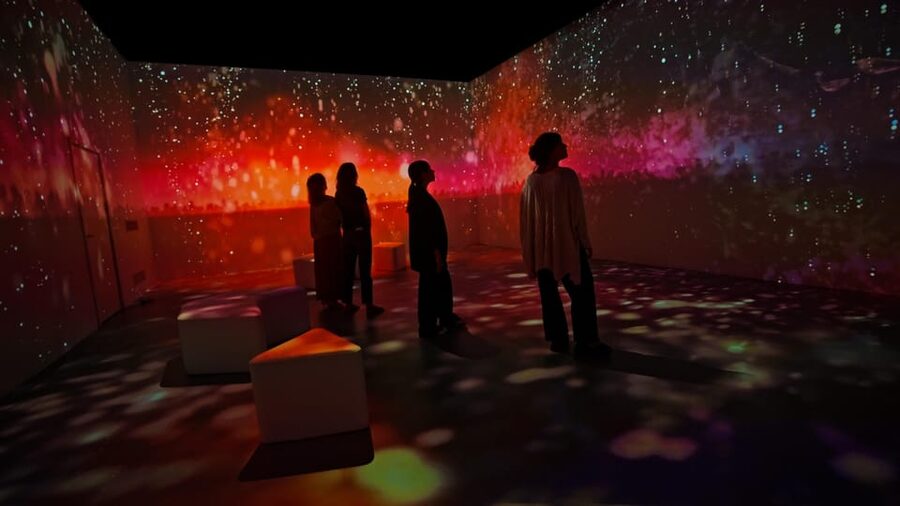
AH AMÁLIA turns the story of Amália Rodrigues, Portugal’s most famous Fado singer, into a one-hour sensory show. Across eight rooms and 700 square meters, you move through her music, private life, public image, and international career using projections, sound, light, virtual reality, and a life-sized hologram.
I like the way this experience makes Fado easier to understand, especially if you know little about Portuguese music. I also like the short running time and family-friendly design: the virtual reality film and strong visual effects give children something to watch while adults take in the cultural background.
The main drawback is the location at Praça David Leandro da Silva, away from Lisbon’s most familiar central sights. The heavy use of visual effects may also be uncomfortable for people with vertigo, and the experience is not suitable for people with visual impairments.
Key points to know before booking
- Amália Rodrigues takes center stage: Learn about the singer’s artistic, social, personal, and international life.
- Eight rooms tell one connected story: The visit uses 360º projections, sound, light, interactive content, virtual reality, and a hologram.
- Fado becomes easier to follow: The show links Amália’s career with Lisbon, Portugal, and the musical tradition she made famous.
- Plan for about one hour: It fits neatly before dinner, a concert, or another Lisbon sight.
- Prices cover several budgets: Adult admission is €20, while family, student, senior, and youth rates are available.
- Check the sensory warnings: The presentation is wheelchair accessible, but not recommended for people with vertigo or visual impairments.
Meeting Amália Rodrigues through light, sound, and story
Amália Rodrigues is more than a famous singer placed on a poster. She is closely tied to the public image of Fado, the Portuguese musical style known for its emotional singing and themes of longing, love, hardship, and fate. AH AMÁLIA tries to explain that connection without asking you to sit through a traditional museum display.
The experience uses new digital technology to present Amália as an artist, a public figure, and a person. Instead of moving through rows of objects and printed labels, you encounter projected images, recorded sound, interactive elements, and scenes built around her life and work.
That approach works well for a first introduction. If you already know Amália’s music, the show gives you a new visual setting for songs and events you may recognize. If you arrive with no background at all, the presentation gives you enough context to understand why she is called the Queen of Fado and the Voice of Portugal.
The experience won Europe’s Leading New Tourist Attraction 2025 award at the World Travel Awards. That recognition does not guarantee that every part will suit every visitor, but it does point to the ambition of the project. This is designed as a modern cultural attraction, not a quiet archive.
More Fado Shows in Lisbon
- Lisbon: Live Fado Show with Port Wine at Lisboa em Fado
★ 4.7 · 5,097 reviews - Lisbon: Fado Show and Wine inside Medieval Walls
★ 4.8 · 3,819 reviews - Lisbon: Fado Show and Portuguese Dinner
★ 4.5 · 1,531 reviews
Eight rooms across 700 square meters
The visit unfolds across eight rooms, each contributing to the larger portrait. The supplied information does not provide a fixed room-by-room script, so you should think of the route as a sequence of visual and musical chapters rather than a conventional guided tour with named stops.
You can expect the content to cover Amália’s artistic career, social role, personal life, and international reach. That broad scope is one of the experience’s strengths. Amália is not reduced to a single stage persona. You get a sense of how her work connected with Portugal and how her reputation extended beyond the country.
The physical setting blends older Portuguese references with contemporary presentation. That contrast matters. Fado is often associated with traditional Lisbon, intimate singing, and historic neighborhoods, while AH AMÁLIA places the music inside a digital environment built from light, moving images, and electronic effects.
I like that tension between old and new. It gives you a way to think about Fado as a living art form rather than a museum piece. At the same time, visitors looking for a small, intimate Fado performance should know that this is not a concert in a traditional Fado house. The focus is interpretation and biography.
360º projections make the music visual

The 360º projections are among the main reasons to choose this experience. Rather than watching a single screen from one direction, you are surrounded by moving images and visual material. The result is more theatrical than a standard exhibition film.
These projections help communicate scale and mood. Amália’s story is tied to stages, audiences, cities, and national identity, and large-format images can suggest that wider world better than a small display case can.
The effect is also the reason to consider your comfort. If moving images or changing perspectives make you dizzy, the experience may not be a good fit. The attraction specifically advises against it for people with vertigo, so take that warning seriously rather than treating it as a minor footnote.
For most visitors, the projections should make the one-hour visit feel active. You are not simply reading a biography. You are watching, listening, and moving through rooms built to keep your attention.
The virtual reality film adds a different point of view
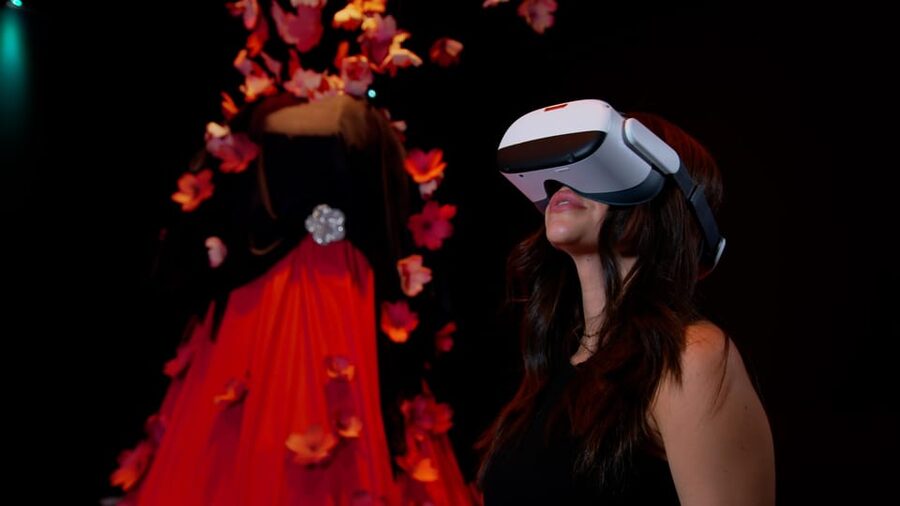
A virtual reality movie forms one of the clearest technology-driven parts of AH AMÁLIA. One direct reaction to the virtual show described it as fantastic, and that matches the role this section appears to play: it gives the visit a more personal and enveloping point of view.
Virtual reality can help you understand a performer’s presence in a way that ordinary text cannot. It can place you closer to the atmosphere of a performance or help connect music with a particular visual setting.
There is a practical trade-off. Virtual reality is not ideal for everyone, especially people who are sensitive to motion or visual change. Since the entire experience already uses strong projection and lighting effects, you should expect a visually busy hour rather than a calm museum visit.
Families may find this part especially useful. The attraction is open to all ages, and children up to six years old enter free. The short duration also makes it more manageable for younger children than a long museum visit, though adults should still consider the sensory effects.
Another night with a band on stage:
- Lisbon: Alfama Tour and Live Fado with Traditional Dinner
★ 4.4 · 970 reviews - Lisbon: Tapas & Drinks with Fado Live Performance
★ 4.6 · 749 reviews - Fado in Chiado – Live Show in Lisbon on Stage for over 15 Years
★ 4.5 · 638 reviews - Lisbon: Live Fado Show in Historic Alfama with Port Wine
★ 4.8 · 572 reviews
A life-sized hologram brings Amália into the room
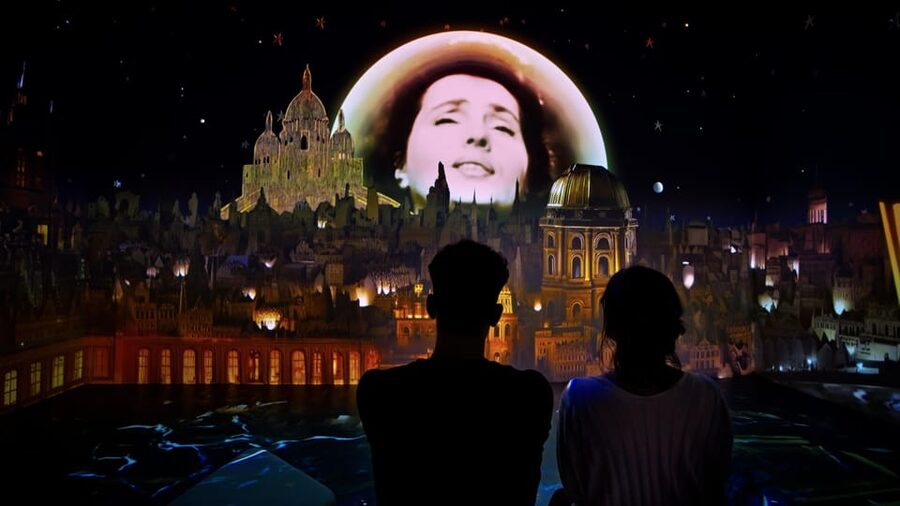
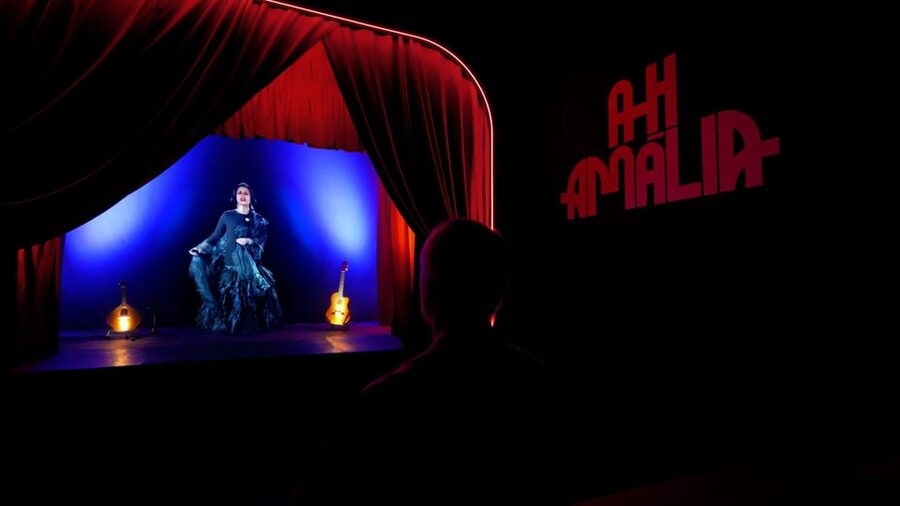
The hologram is another major feature. A life-sized digital figure can make a historical subject feel present without pretending that the experience is a live performance.
That distinction matters. You are not meeting Amália, and this is not a concert featuring a real singer. The hologram is a storytelling device, used alongside sound, projections, and other visual displays to represent her.
Used well, a hologram can give a biography a human center. Amália becomes more than dates, recordings, and career milestones. You see a figure connected to the voice and image that shaped her public identity.
The presentation covers more than her success on stage. It also looks at her social and personal sides, which helps create a fuller portrait. For someone new to Amália, this wider focus is likely more useful than a show that concentrates only on famous songs.
Why this is a good introduction to Fado
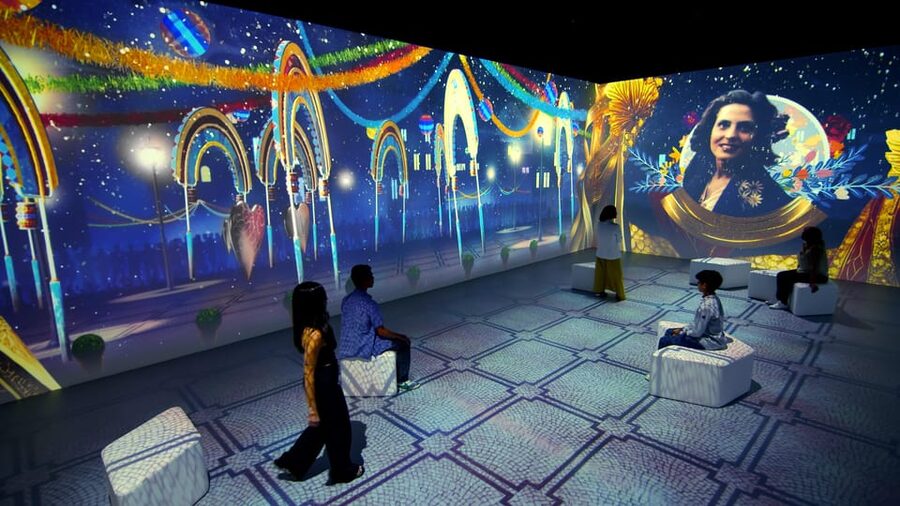
Fado can be difficult to approach if you do not know Portuguese. The sound is powerful, but the meaning of the lyrics and the place of the music in Portuguese culture may not be immediately clear.
AH AMÁLIA gives you a starting point. By placing Amália’s life beside Fado’s cultural role, the experience helps you understand why her voice carries such weight in Portugal.
The content is available in Portuguese and English, and hosts or greeters speak both languages. One visitor specifically hoped for French-language support, so French-speaking visitors should not assume that French interpretation is available.
You should not expect a complete history of every Fado singer or every Lisbon music venue. The subject is Amália, and the attraction uses her story as the route into the music. That narrow focus is helpful because it keeps the one-hour visit organized.
If you plan to attend a live Fado performance later in your trip, this visit can give you useful background first. You may listen differently once you have a clearer sense of the tradition and Amália’s place within it.
The old and the new share the same stage
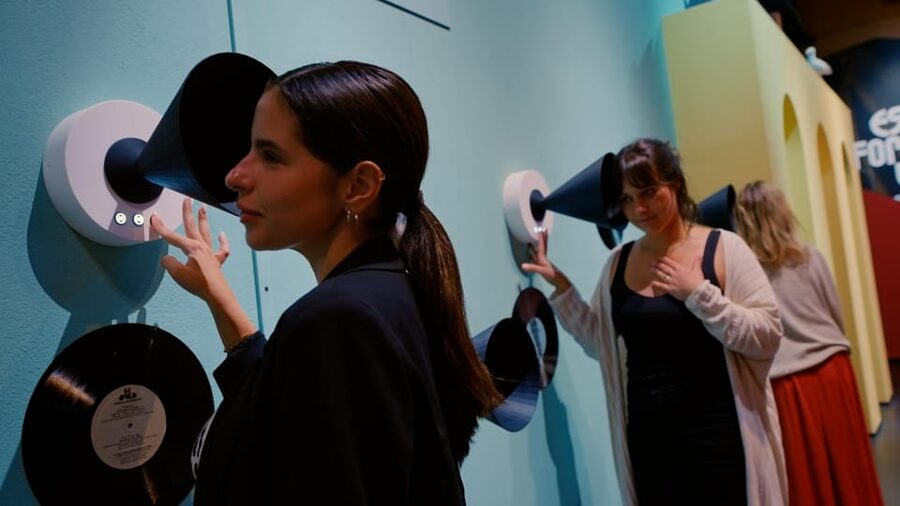
AH AMÁLIA is most interesting when it sets traditional culture against modern technology. Fado carries associations of old Lisbon, expressive singing, and close contact between singer and audience. The attraction presents those ideas through virtual reality, holograms, light installations, and 360º imagery.
That contrast will appeal to you if you enjoy cultural attractions that explain a subject through design and media. It may disappoint you if your ideal museum has original costumes, handwritten documents, or a large collection of physical objects.
The available information places the emphasis on scenography, digital content, sound, and visual storytelling. In plain terms, you are paying for a designed presentation rather than access to a research collection.
I see that as a fair choice for a short visit. The format gives you a fast, accessible introduction, but it does not replace a concert, a book, or a more traditional museum devoted to Portuguese music.
One hour, with a price that depends on your ticket
The advertised price is about $23 per person, while the listed standard admission is €20. Discounted tickets cost €17 for students, visitors under 17, seniors over 65, and people with reduced mobility. A family ticket costs €15 per person for a booking with at least two adults and one child aged 7 to 17.
Children up to six years old enter free. That makes the attraction easier to add to a family day, especially when you want a cultural stop that does not consume half the afternoon.
At full adult price, the value depends on what you want. If you want a polished, technology-led introduction to Amália and Fado, the one-hour format gives you a focused cultural experience. If you want live music or a large collection of original objects, your money may be better spent on another activity.
I think the price is easiest to justify when you use AH AMÁLIA as part of a wider Fado day. Learn about Amália here, then hear live Fado elsewhere. The two experiences serve different purposes and work well together.
The short duration is also valuable in Lisbon. You can fit the attraction into a morning or afternoon without surrendering a full day. It can work before a meal, after another nearby plan, or on a day when you want a break from walking.
Location and practical planning at Praça David Leandro da Silva

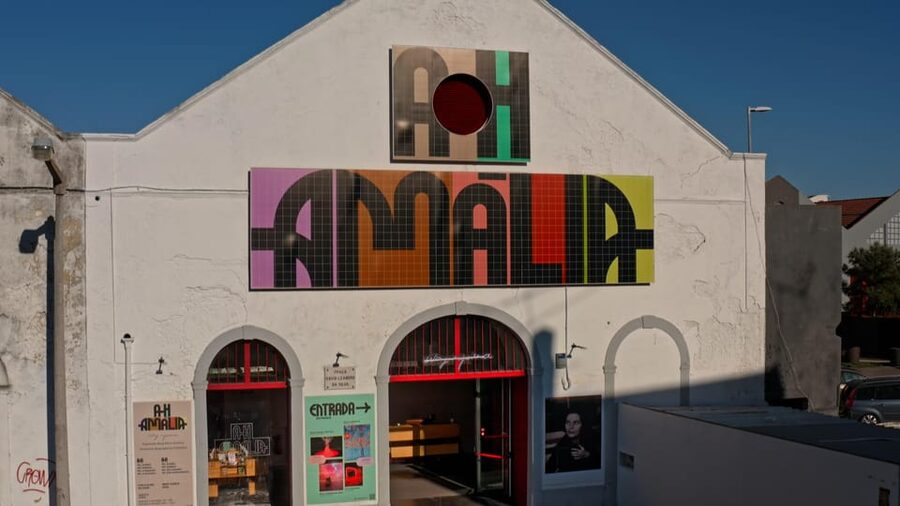
The address is Praça David Leandro da Silva 16, 1950-242, Lisbon. This is not in the middle of Lisbon’s most famous sightseeing zone, and one visitor had an unpleasant experience after arriving to find the venue closed without an explanation. That single incident is not enough to define the attraction, but it is a useful reason to confirm your time and opening arrangements before setting out.
The location matters because transport costs can affect the value of a relatively short activity. If you need a taxi or a longer ride from central Lisbon, include that expense when comparing the total cost.
The activity offers free cancellation up to 24 hours in advance, and you can reserve now and pay later. Those options are useful if your Lisbon schedule is still changing.
Hosts or greeters speak Portuguese and English. No individual guide names are provided, and the experience appears to rely more on the exhibition’s built-in presentation than on a long spoken tour.
Food, drinks, alcohol, and drugs are not allowed inside. Plan to finish snacks and drinks before entering.
Who will enjoy AH AMÁLIA most
I would recommend this to you if you fit one or more of these descriptions:
- You want a clear introduction to Amália Rodrigues.
- You are curious about Fado but do not know where to begin.
- You enjoy projections, sound design, virtual reality, and interactive displays.
- You have children and want a cultural activity lasting about an hour.
- You already know Amália and want to see her story presented in a new format.
- You prefer a structured attraction to a long, open-ended museum visit.
I would be more cautious if you dislike loud or visually active presentations. The experience is built around sensory effects, not quiet contemplation.
It is also a poor choice for people with vertigo or visual impairments, according to the stated suitability information. The venue is wheelchair accessible, but wheelchair access does not remove the visual limitations of the presentation.
Should you book AH AMÁLIA?
Book it if you want a modern, concentrated way to understand Portugal’s best-known Fado singer. The strongest reasons are the mix of biography, music, and visual technology, plus the fact that the visit gives you a useful cultural framework in only one hour.
I would skip it if your priority is a live Fado performance, a traditional museum collection, or a central Lisbon location. I would also avoid it if virtual reality, projections, or changing lights cause discomfort.
For most visitors who are curious about Portuguese music, AH AMÁLIA is a worthwhile short stop. The family pricing and free admission for young children make it easier to add to a group itinerary, while the English-language option removes a major barrier for international visitors.
FAQ
How long does the AH AMÁLIA experience last?
The experience lasts one hour.
Where is AH AMÁLIA located?
It is located at Praça David Leandro da Silva 16, 1950-242, Lisbon, Portugal.
How much does admission cost?
Standard admission is €20. Family tickets cost €15 per person for a minimum of two adults and one child aged 7 to 17. Student, youth, senior, and reduced-mobility tickets cost €17. Children up to six years old enter free.
What languages are available?
The experience is available in Portuguese and English, and hosts or greeters speak those languages.
Is the attraction wheelchair accessible?
Yes, the experience is wheelchair accessible.
Is AH AMÁLIA suitable for people with vertigo?
No. The attraction is not considered suitable for people with vertigo because it uses projections, virtual reality, and other visual effects.
Can I cancel my booking?
Yes. You can cancel up to 24 hours in advance for a full refund. You can also reserve now and pay later.
Just added to the listings in Lisbon
- Private tour: Lisbon Fado Dinner Show and Panoramic Night Tour★ 4.5 · 21 reviews
- Lisbon Food Tour with 3 Stops and Fado Show Performance★ 5.0 · 56 reviews
- Lisbon: Rooftop Wine Tasting with Live Traditional Fado★ 3.5 · 3 reviews
- Lisbon Capital of Fado – Private Tour with Dinner★ 5.0 · 2 reviews
- Private Tour: Lisbon Sunset Walking Tour with Fado Show and Dinner★ 5.0 · 30 reviews
- Lisbon by Night Tour: Fado Show and Dinner with Pick-up★ 4.0 · 132 reviews
- Authentic Alfama Experience: Fado Music and Cultural Walking Tour★ 4.5 · 48 reviews
- Guided Fado Night in Lisbon★ 5.0 · 2 reviews
Fado Shows, compared.

Live Fado Show with Port Wine at Lisboa em Fado
Read our review →
Fado Show and Wine inside Medieval Walls
Read our review →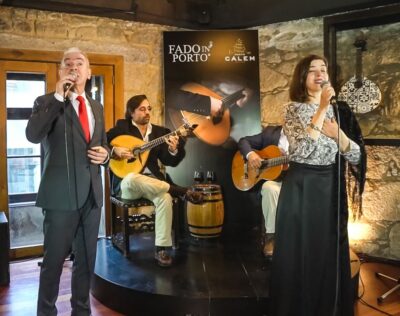
Cálem Cellar Tour, Fado Show & Wine Tasting
Read our review →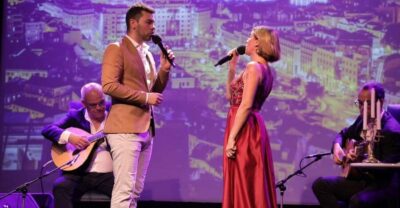
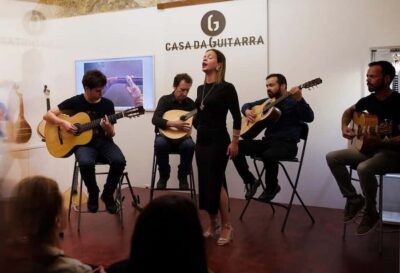
Fado & Port Wine in Traditional Portuguese Music Shop
Read our review →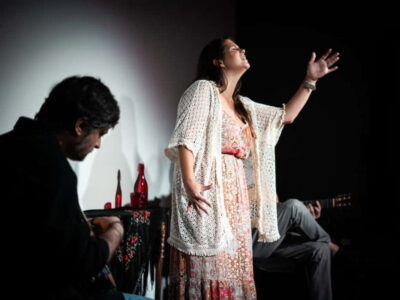
What is Fado? Commented Live Concert with Port Wine
Read our review →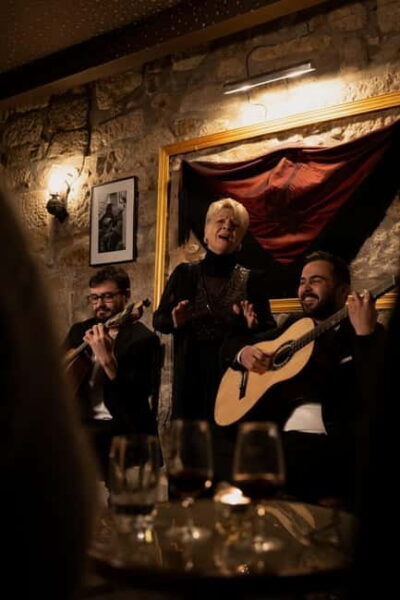
An Intimate Fado Show in a Historical Tavern
Read our review →Browse the lists this tour appears in