
REVIEW · PORTUGAL
Porto: What is Fado? Commented Live Concert with Port Wine
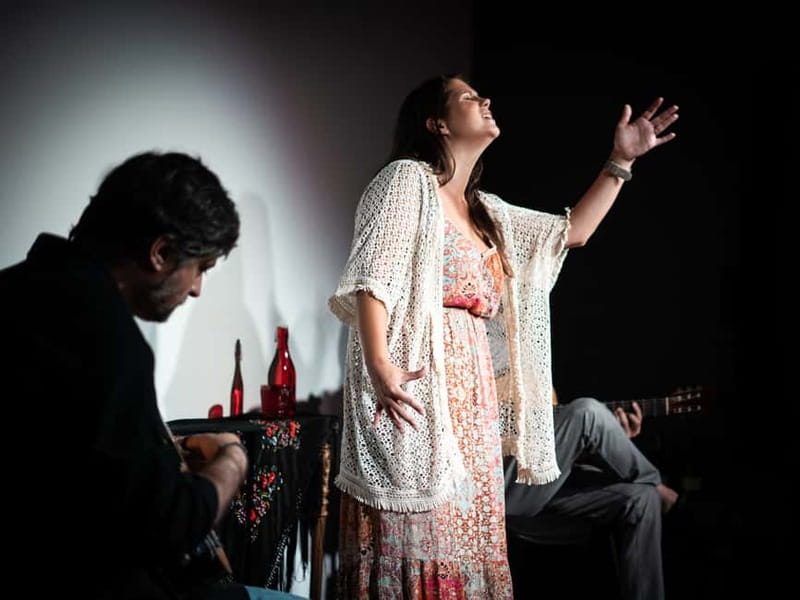
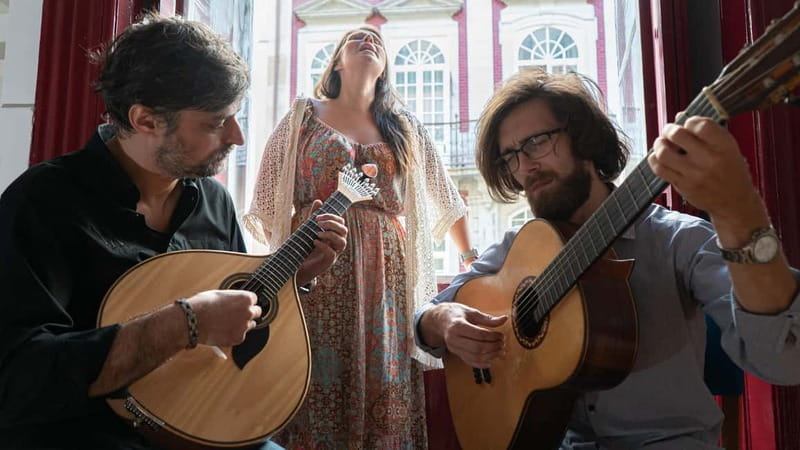
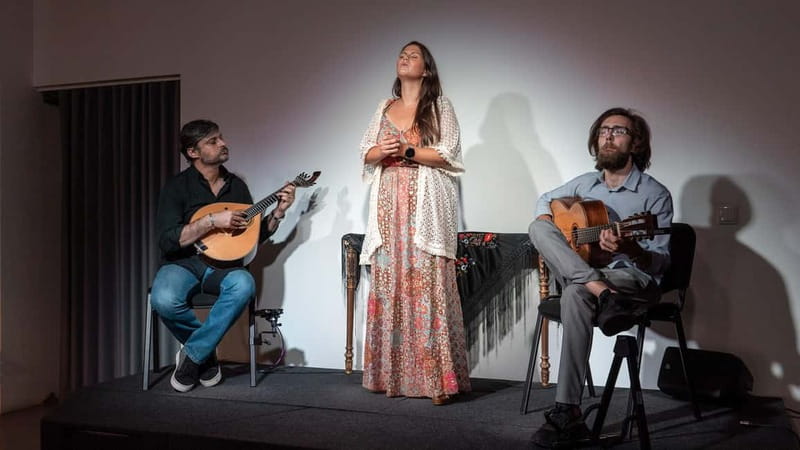
Fado na Baixa does more than put singers on a small stage. It explains why this music matters, then lets you hear its changing forms through four live artists, short films, and personal testimonials in several languages. The result is a compact introduction to Portugal’s most emotional art form, with enough context to make the songs land.
I like the clear path from traditional Lisbon Fado to Coimbra Fado and newer styles. I also like the pairing of Portuguese guitar and Tawny Port, a simple touch that connects the sound with Porto’s wine culture. The main consideration is length: one hour is convenient, but you may wish the singing lasted longer once the performers have you listening closely.
Key points at a glance
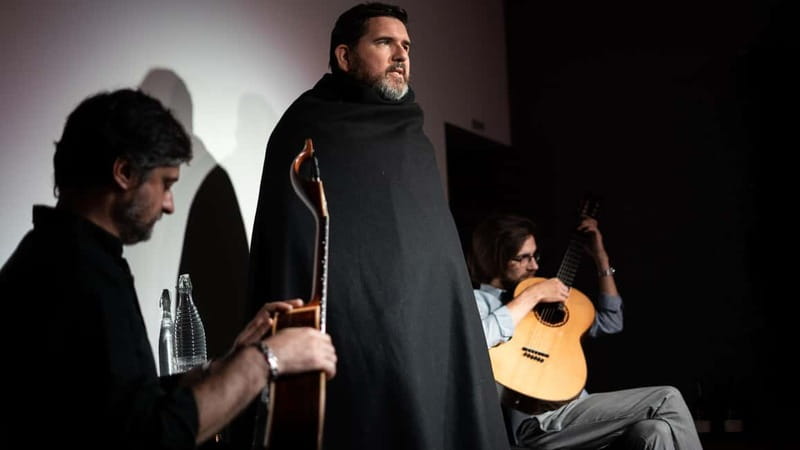
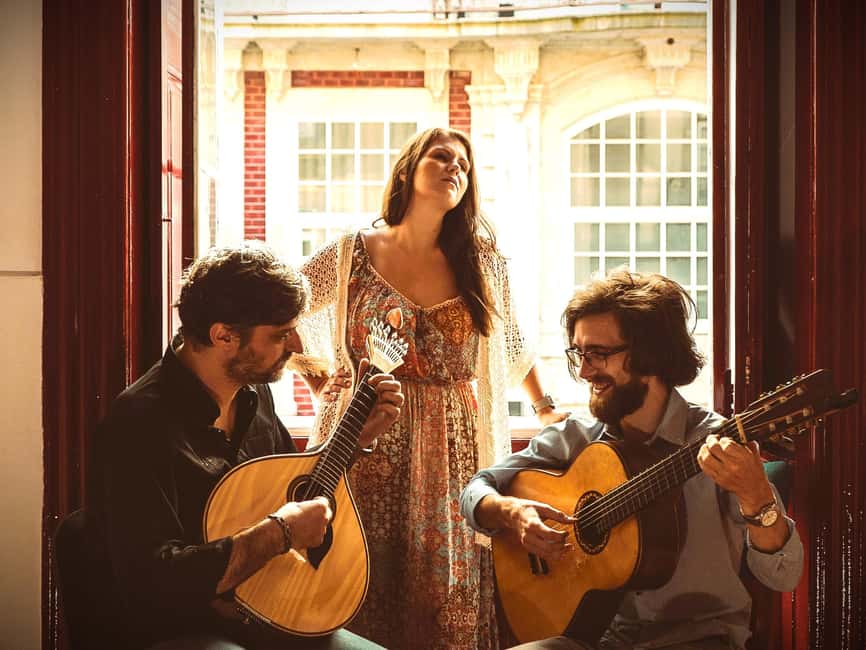
- Four performers, one focused hour: Male and female singers perform with two skilled guitarists in an intimate auditorium.
- A real musical comparison: Hear the different playing styles of Lisbon and Coimbra, including Coimbra Fado sung by a former university student.
- Short films that earn their place: Multimedia segments explain the roots, customs, and changing sound of Fado without replacing the live music.
- A Portuguese guitar lesson in miniature: The distinctive instrument gets special attention, making the performance especially interesting for music lovers.
- Port included: Taste a glass of Tawny Port while listening, with a non-alcoholic option worth requesting if needed.
- Easy Ribeira location: The Fado na Baixa auditorium is at Rua de São João 99, near the Douro River, and is wheelchair accessible.
Why this Porto Fado show works for first-time listeners
Fado can be hard to approach if you do not speak Portuguese. The music is often slow, intense, and tied to feelings of fate, longing, separation, and saudade, a Portuguese idea of missing someone or something deeply.
This performance gives you a way in. Instead of dropping you into an unknown song and leaving you to guess at its meaning, it uses audio and video material to explain what you are about to hear. Personal testimonials appear in Portuguese, Spanish, English, and French, so you can follow the emotional setting even when the lyrics themselves remain in Portuguese.
That balance is important. The show does not treat Fado as background music for dinner. It presents the singers and musicians as the main event, while the explanations help you listen with sharper ears.
The format also suits Porto visitors with limited time. At one hour, it can fit before dinner, after a day of sightseeing, or between other plans in Ribeira. Several people found the length just right for an evening activity, though anyone who comes mainly for a full concert may find it brief.
More Fado Shows in Porto
- Porto: Live Fado Show with Glass of Port Wine
★ 4.8 · 6,498 reviews - Porto: Cálem Cellar Tour, Fado Show & Wine Tasting
★ 4.4 · 3,530 reviews - Porto: Fado & Port Wine in Traditional Portuguese Music Shop
★ 4.8 · 2,906 reviews
Entering the 19th-century auditorium in Ribeira
The venue, Fado na Baixa, is located at Rua de São João 99, in the heart of Porto’s Ribeira area. It occupies a licensed auditorium in a 19th-century building near the Douro River, giving the experience a useful sense of place before the music begins.
This is not presented as a large concert hall or a dinner show. The setting is intimate and designed for close attention to the performers. That matters with Fado, where a singer’s phrasing and the delicate attack of a Portuguese guitar can be as important as volume.
The room has a vintage character. One Portuguese attendee noted that the chairs could use an upgrade, though they were adequate for a one-hour performance. If comfort is a major concern, the short running time helps, but you should not expect plush theater seating.
The auditorium is wheelchair accessible. The available host languages are Portuguese, Spanish, English, and French, while the audio guide is offered in those same four languages. That makes the show a practical pick for an international audience, especially if your group has different levels of Portuguese.
The opening: traditional Lisbon Fado
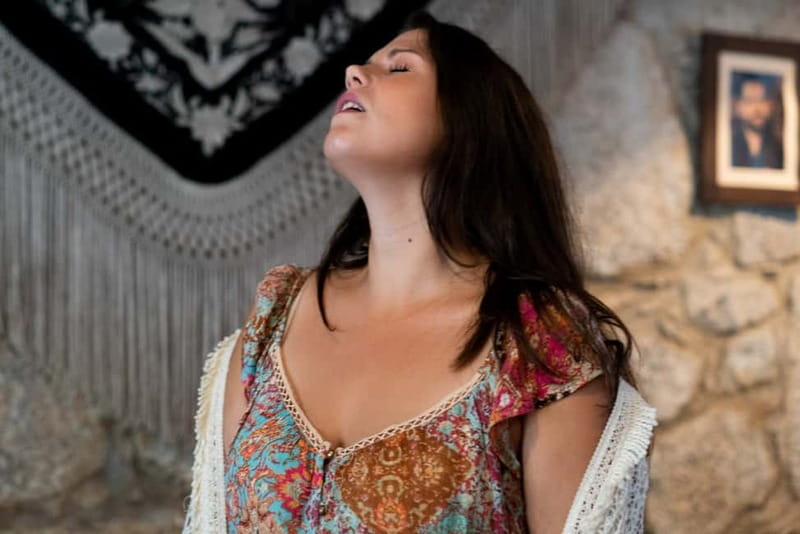
The first musical section introduces traditional Lisbon Fado, the style most often associated with the city where the genre developed. You hear the male and female singers in a format built around voice, guitar, and emotional restraint rather than a large ensemble.
The opening matters because it gives you the basic sound before the program begins comparing it with other forms. The music can feel spare at first, but that spareness is part of the point. The singer carries the emotional weight, while the guitars frame the melody and answer the voice.
Expect songs connected with fishermen, family, love, and people left behind. The themes are direct, but the performance does not depend on understanding every word. The vocal tone, pauses, and changes in intensity do much of the work.
The explanations between songs help you notice details that might otherwise pass by. You may begin to hear how the singer stretches a phrase, how the instruments create tension, and how a quiet passage can feel more powerful than a louder one.
The singing is one of the most praised parts of the program. The two vocalists provide contrast, giving the concert different colors rather than one uninterrupted style. Some listeners have found stronger voices in other Porto Fado settings, so this is best viewed as an introduction and cultural presentation rather than a rare, once-in-a-lifetime concert booking.
The Portuguese guitar and your glass of Tawny Port
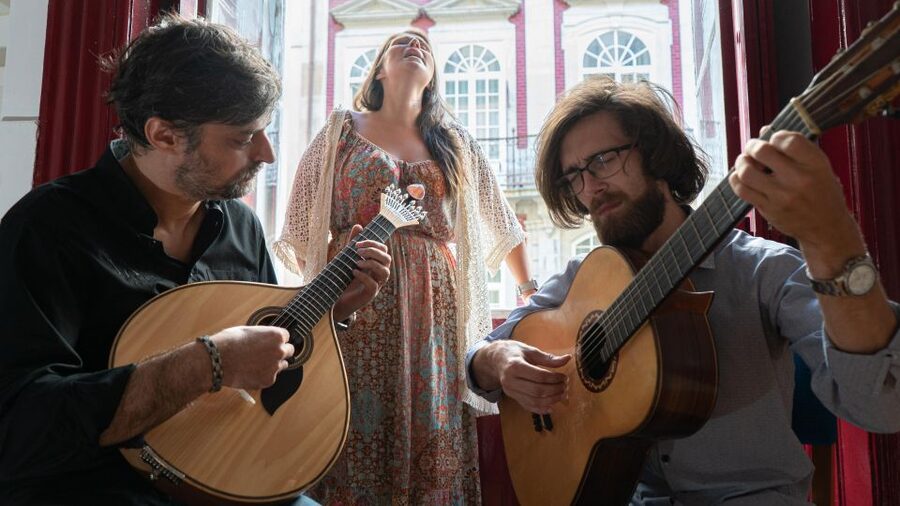
One of the most useful sections focuses on the Portuguese guitar. This instrument is smaller and visually different from the standard guitar, with a bright, ringing sound that can seem almost conversation-like beside the singer.
The musicians demonstrate the difference between the Lisbon and Coimbra approaches. You do not need musical training to appreciate the contrast. The commentary gives you something specific to listen for, and the sound becomes easier to recognize as the performance develops.
Mário Henriques is identified as an excellent Portuguese guitar player, and another musician known as Rato is also part of the guitar team. The instrumental work has earned particular attention from music lovers, including one guitar player who found the Portuguese guitarist’s skill especially fascinating.
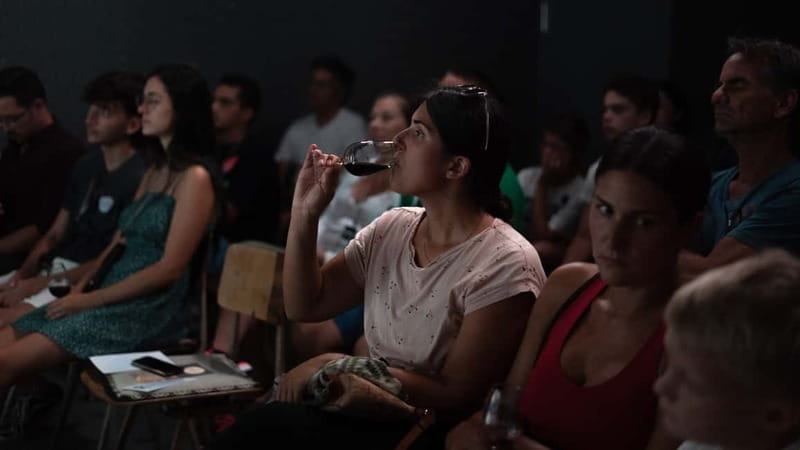
This is also when the Tawny Port comes into play. You receive a glass to taste during the performance, creating a natural link between Porto’s wine identity and its musical culture. It is not a full tasting lesson, and the port is a small addition rather than the main reason to book. Still, it makes the hour feel more like a local cultural outing than a standard stage concert.
If you do not drink alcohol, check about a non-alcoholic alternative before booking or on arrival. One attendee specifically wished that option had been available. The supplied information confirms the Port serving, but does not specify another drink.
Another night with a band on stage:
- Porto: An Intimate Fado Show in a Historical Tavern
★ 4.8 · 2,055 reviews - Porto: The highest-rated traditional fado concert (downtown)
★ 4.8 · 1,557 reviews - Porto: Intimate Fado Show & Port Wine in Trindade Noble Hall
★ 4.9 · 1,281 reviews - Porto: Fado Concert in Porto’s Most Beautiful House
★ 4.9 · 1,201 reviews
Coimbra Fado and the sound of university tradition
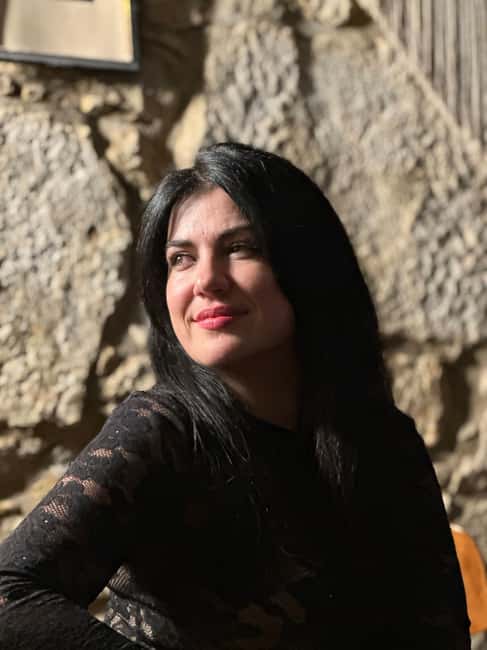
The Coimbra section is the program’s most distinctive feature for many first-time listeners. Coimbra Fado is linked to the city’s university culture and is traditionally sung by men. The male singer here is a former student at the University of Coimbra, allowing the performance to connect the music with lived student tradition rather than presenting it as a museum piece.
This style differs from the Lisbon form in both setting and musical character. The program explains the contrast in playing technique, so you hear that Coimbra Fado is not simply Lisbon Fado moved to another city.
The section includes personal reflections about university life and the customs connected with student songs. That personal angle gives the music a human scale. You are not just hearing that Coimbra Fado exists. You are shown why it belongs to a particular community and why its performance traditions matter.
A song such as Balada de Despedida can be especially affecting in this part of the show. The subject of departure fits Fado’s recurring feelings of absence and farewell, and the live setting gives the song room to breathe.
This is a strong reason to choose Fado na Baixa over a generic evening of Portuguese songs. The show makes space for both Lisbon and Coimbra, rather than treating all Fado as one interchangeable style.
Amália Rodrigues and the turning point in Fado
The next section introduces Amália Rodrigues, widely known as the queen of Portuguese Fado. The program shows how she changed traditional Fado and helped bring it to a much wider audience.
This part is valuable even if you already recognize her name. It places her contribution inside the story of the music, explaining that Fado did not remain fixed in one old form. Through her voice and choices, the tradition gained new reach while keeping its emotional core.
The multimedia presentation is used here to supply context without stopping the live event for a long lecture. Short films and visual material appear between performances, explaining the period and the people connected with Fado. The balance is generally light enough for an evening activity, though one Portuguese listener felt that the historical explanation ran slightly long.
That is a fair trade for most first-time listeners. Without this context, you might hear beautiful songs but miss the reason Amália’s work changed expectations around the genre. With it, the later music makes more sense.
From tradition to modern Fado
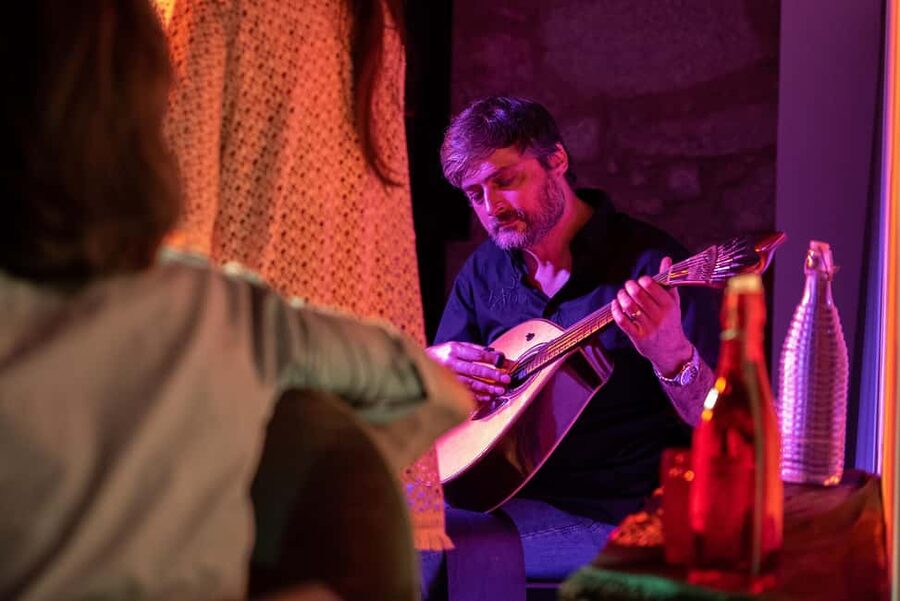
The final part looks at how Fado continues to develop. The show touches on new poetry, combinations with other musical genres, and performers who honor older customs while finding new ways to sing.
This is a useful ending because it prevents Fado from feeling frozen in the past. You see a tradition that can keep its emotional character while changing its words, arrangements, and influences.
The show does not attempt to cover every modern artist or every regional variation. It has only an hour, and its purpose is to give you a strong foundation. Think of the last section as an invitation to listen further, not a complete survey of contemporary Fado.
The audience may also be invited to sing along during parts of the program. This is handled with guidance from the singers, so you are not expected to know the words in advance. It adds a playful note to music that can otherwise feel solemn and gives the room a little shared energy.
If you prefer a completely silent concert, the interactive moments may be a minor drawback. If you like being shown how to take part, they make the evening more memorable.
How the one-hour format affects the value
At $18 per person, this is a strong value for a live cultural performance in central Porto. The ticket includes the concert, multimedia content, an audio guide, and a glass of Tawny Port. You are paying less for a long night out and more for a compact, well-organized introduction to a major Portuguese art form.
The price is especially reasonable if you are new to Fado and would otherwise spend an evening guessing which venue or style to choose. The program gives you a working understanding of Lisbon Fado, Coimbra Fado, Portuguese guitar, Amália Rodrigues, and modern developments in one sitting.
The limitation is obvious: one hour leaves little room for extended songs, encore material, or a broader range of performers. Some people have wished the show were longer, particularly after the musicians had established the mood.
I would not book this expecting a three-hour Fado house experience. I would book it when you want an accessible, affordable introduction that leaves time for dinner or an evening walk along the Douro.
Who should book Fado na Baixa
I would recommend this experience to:
- First-time visitors who want to understand Fado before seeking out a longer performance.
- People who enjoy music but do not speak Portuguese.
- Couples or families looking for a calm evening activity in Ribeira.
- Visitors interested in the difference between Lisbon and Coimbra traditions.
- Guitar players and music students who want to hear the Portuguese guitar explained and performed.
- Anyone who wants a cultural activity that does not require a full evening.
It is also a sensible choice for families with teenagers. The presentation changes between live music, film, explanation, and audience participation, so the hour is not simply one long block of unfamiliar songs.
You may want something else if your priority is a famous singer, a large concert, a meal with live music, or an extended night of Fado. This program puts teaching and comparison alongside performance.
Practical details before you book
The meeting point is Fado na Baixa at Rua de São João 99, 4050-553 Porto, in Ribeira. Check the available starting times because the duration is fixed at one hour but the schedule can vary.
Hosts can assist in Portuguese, Spanish, English, or French. The audio guide is available in English, French, Spanish, and Portuguese, which is useful when your group does not share the same language skills.
You can cancel up to 24 hours before the activity for a full refund, and the reserve-now, pay-later option allows you to keep plans flexible. Wheelchair access is available.
Arrive ready to listen rather than expecting a full food-and-wine event. The Port is a cultural pairing, not a tasting flight. If you need a non-alcoholic drink, ask in advance because the standard inclusion is a glass of Tawny Port.
Should you book this Porto Fado experience?
Book it if you want context as well as music. The strongest part of Fado na Baixa is the way it explains what you hear, moving from Lisbon tradition to Coimbra student songs, Amália Rodrigues, and contemporary Fado without turning the evening into a lecture.
The talented singers, Portuguese guitar, intimate 19th-century venue, and Port tasting make the $18 price easy to justify. Just keep the format in mind. You are getting a polished one-hour introduction, not an all-night concert.
For a first encounter with Fado in Porto, I would choose it confidently. Afterward, you will be better prepared to recognize the differences between styles and decide if you want to seek out a longer, more specialized performance.
FAQ
Where does the Fado concert take place?
The concert takes place at the Fado na Baixa auditorium at Rua de São João 99, 4050-553 Porto, in the Ribeira area near the Douro River.
How long is the experience?
The performance lasts one hour.
What languages are available?
Hosts or greeters can assist in Portuguese, Spanish, English, and French. The audio guide is available in English, French, Spanish, and Portuguese.
Is Port wine included?
Yes. The experience includes a glass of Tawny Port to taste during the performance.
What types of Fado are presented?
The program covers traditional Lisbon Fado, Coimbra Fado, the influence of Amália Rodrigues, and later developments involving new poetry and musical fusions.
Is the venue wheelchair accessible?
Yes. The activity is wheelchair accessible.
Can I cancel my booking?
Yes. You can cancel up to 24 hours in advance for a full refund. A reserve-now, pay-later option is also available.
Just added to the listings in Porto
- Fado Tour with Guide, Dinner & Live Show in Porto★ 4.5 · 19 reviews
- Fado Dinner Show and Night Lights Tour in Porto★ 4.5 · 25 reviews
- Porto Heritage Night Tour With Fado Show And Dinner Included★ 4.5 · 88 reviews
- Porto: Cruise with Dinner & Live Music★ 4.6 · 42 reviews
- Porto: Fado Live Music, Wine & Cultural Introduction★ 4.9 · 150 reviews
- “Porto: Fado Show with Guided Tour in a Historic Monastery”★ 4.9 · 164 reviews
- Porto: Cálem Cellar Tour, Live Fado Show and Wine Tasting★ 4.0 · 295 reviews
- Fado by Casa da Guitarra★ 5.0 · 438 reviews
Fado Shows, compared.
Live Fado Show with Port Wine at Lisboa em Fado
Read our review →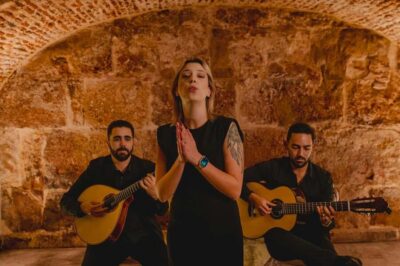
Fado Show and Wine inside Medieval Walls
Read our review →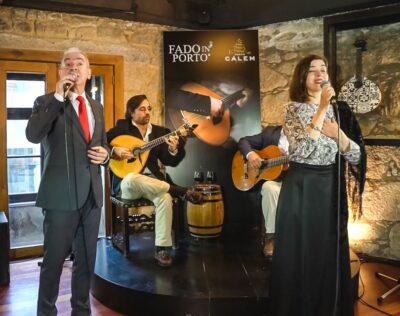
Cálem Cellar Tour, Fado Show & Wine Tasting
Read our review →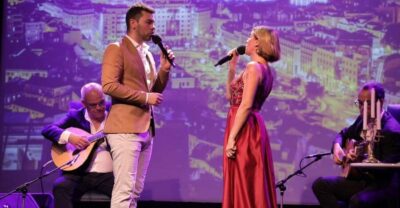
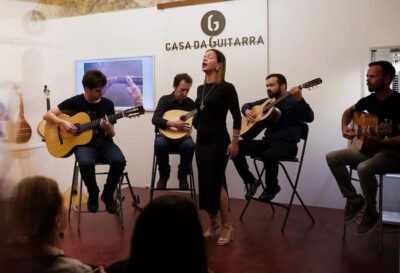
Fado & Port Wine in Traditional Portuguese Music Shop
Read our review →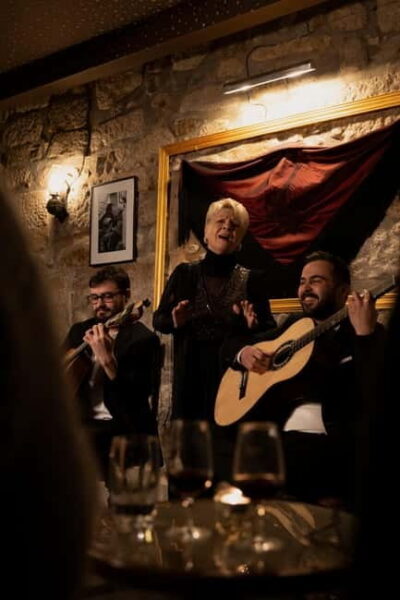
An Intimate Fado Show in a Historical Tavern
Read our review →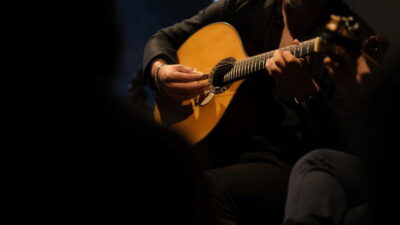
The highest-rated traditional fado concert (downtown)
Read our review →Browse the lists this tour appears in