
REVIEW · HUNGARY
Budapest: Concert on the Oldest Working Organ in the City
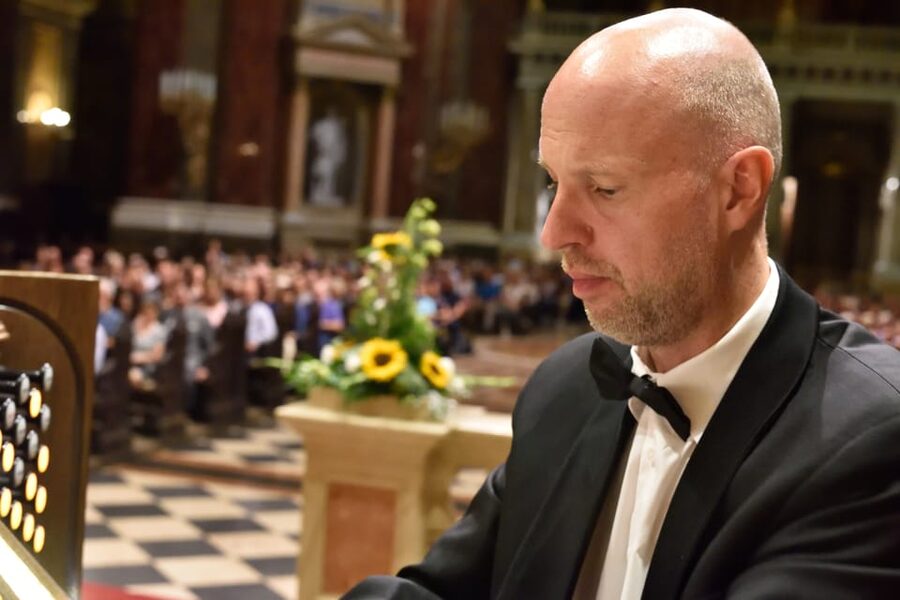
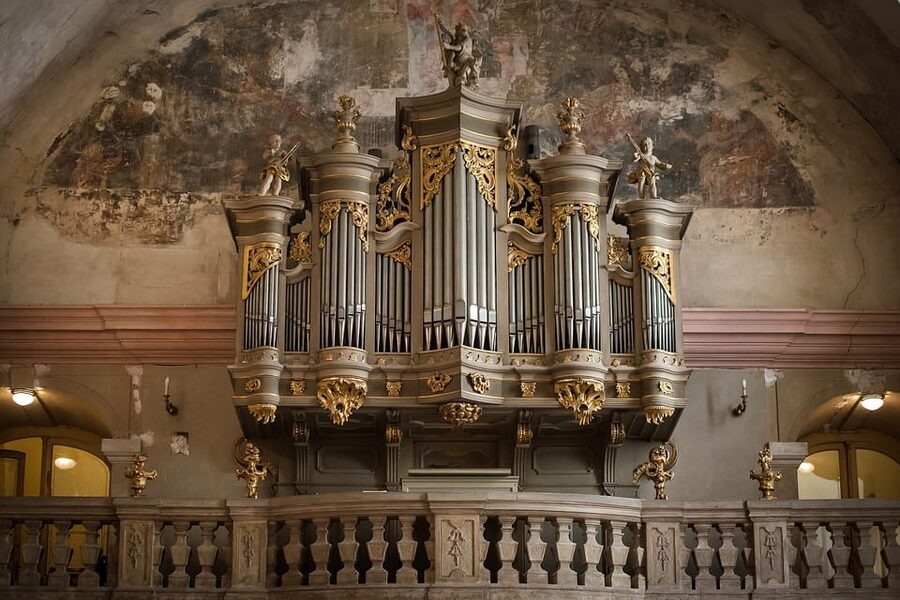
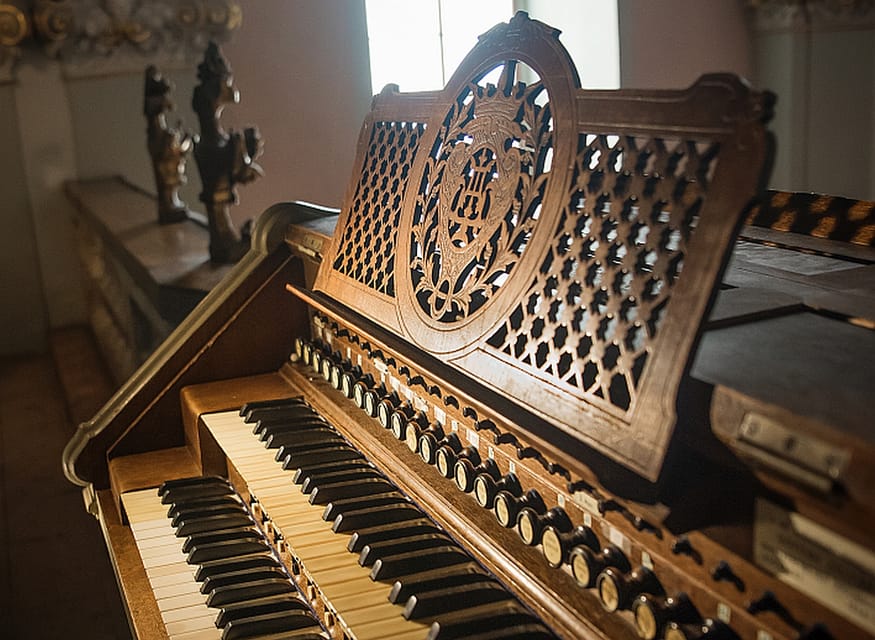
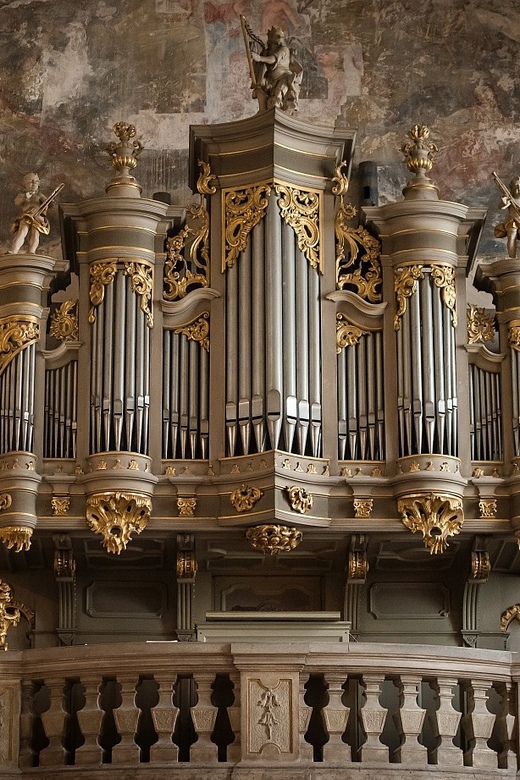
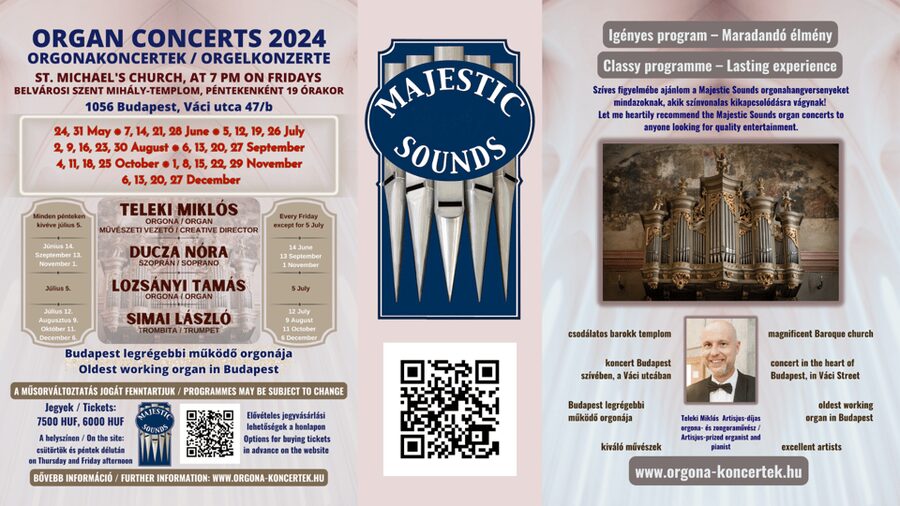
Budapest’s oldest working organ is not a giant cathedral instrument. It is a handsome 25-pipe organ inside St. Michael’s Church, a Baroque building at the corner of Váci utca and Nyáry Pál utca. I like the intimate setting, and I like that the music can range from Bach and Vivaldi to Mozart, Liszt, old Hungarian compositions, and chamber pieces with soprano Nóra Ducza.
The main thing to consider is the changing program. Some evenings are devoted to solo organ music, while others include chamber music, so check the date before booking if you have a strong preference. At $24 for 70 minutes, this is a good-value cultural break, but it is best for anyone who already enjoys classical music or wants a calm evening rather than a large-scale concert spectacle.
Key points to know before booking
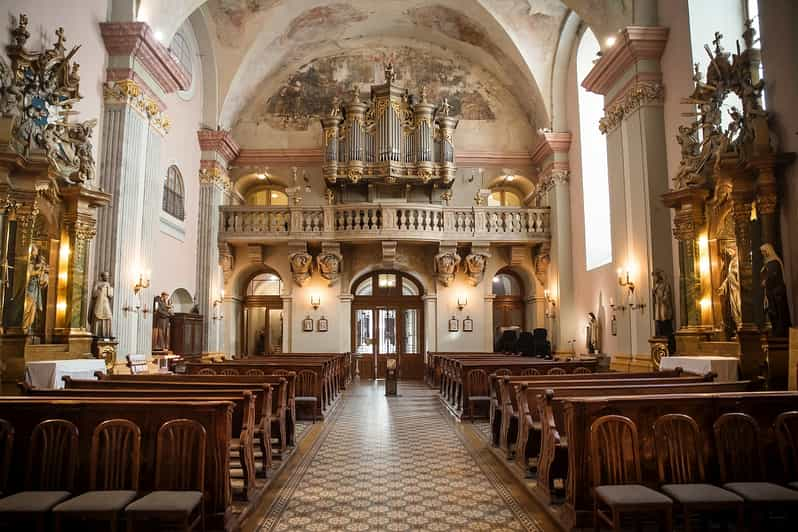
- Hear Budapest’s oldest working organ: The 25-pipe instrument sits inside St. Michael’s Church near the Danube.
- Expect different programs by date: Concerts may feature solo organ works or chamber music with soprano Nóra Ducza.
- Miklós Teleki leads most performances: The Hungarian organist and pianist gives about 120 organ and piano recitals each year.
- Follow the music easily: A short introduction is given in English and Hungarian, and the printed program includes information about the organ.
- See the organist perform: A screen lets you watch the player, useful in a church where the instrument may not be fully visible.
- Plan for a short, focused evening: The concert lasts 70 minutes and begins and ends at St. Michael’s Church.
A small church with a very particular sound
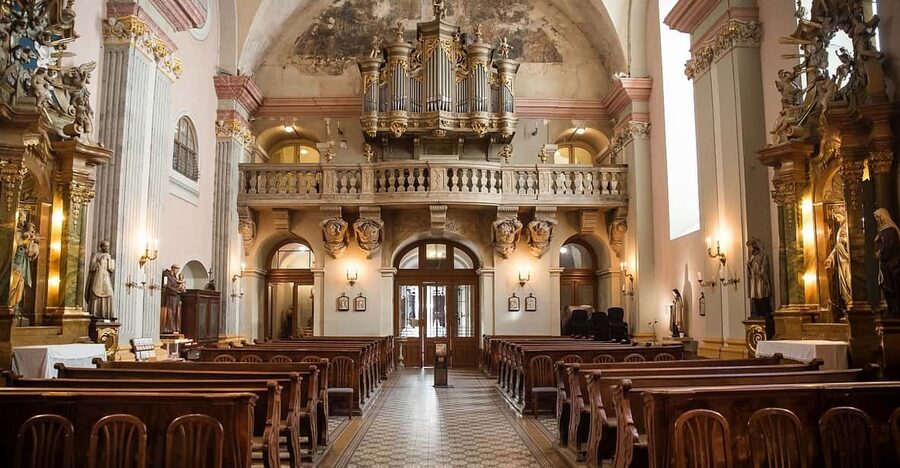
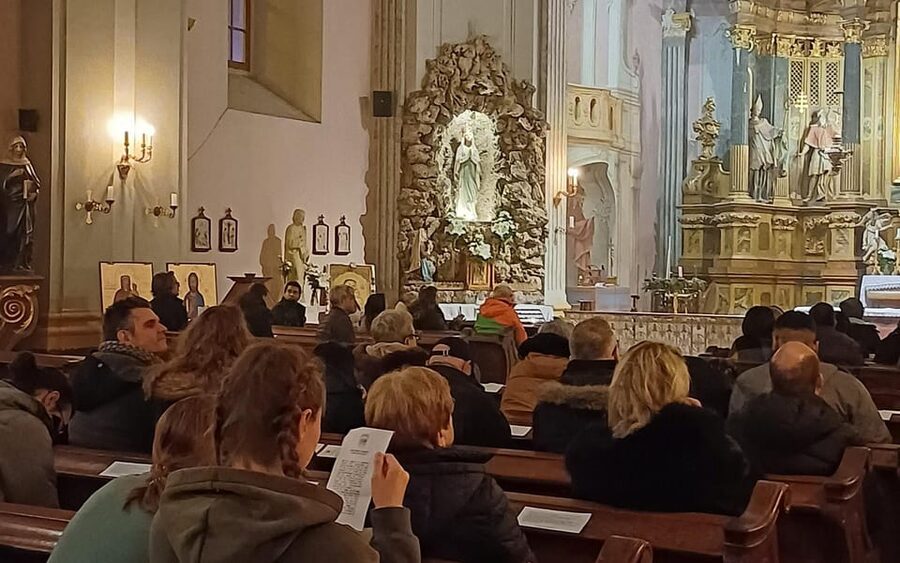
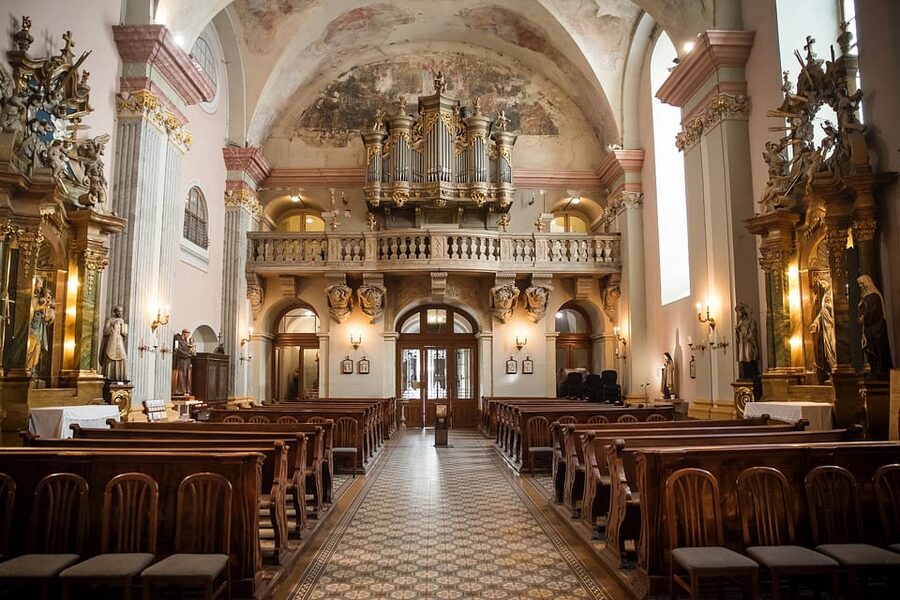
The appeal here begins before the first note. St. Michael’s Church is a white Baroque church in Budapest’s 5th District, close to the Danube and within the central city. You meet at the church itself, so there is no coach ride, city transfer, or complicated route to sort out.
Inside, the concert setting is peaceful and formal without feeling oversized. The organ is a 25-pipe instrument, which matters because you are not signing up for the thunderous wall of sound associated with a huge cathedral organ. Instead, you get a more focused musical voice, matched with the church’s acoustics and visual character.
I like that balance. The church gives the performance a proper sense of place, while the smaller instrument keeps the event from feeling like a grand tourist production. You are there to listen closely, not simply to tick off a famous building.
The 70-minute length also works well. It is long enough for a serious program, yet short enough to fit around dinner, an evening walk, or another central Budapest plan. You should not expect a guided church visit or a full history lesson. The focus is the music.
More Live Music in Budapest:
- Budapest Danube Cruise and Dinner Options, Live Music and Dance
★ 4.5 · 7,428 reviews - Budapest: Evening Cruise including Drinks and Live Music
★ 4.1 · 5,512 reviews - Budapest: Candlelit Dinner River Cruise with Live Music
★ 4.7 · 2,154 reviews
What happens from arrival to the final note
You go directly to the white church building at Váci utca and Nyáry Pál utca, postal code 1056. The venue is near the Danube in Budapest’s 5th District, and the activity ends at the same location.
There is no transportation included, so you make your own way there. That is a minor drawback if you prefer a fully escorted activity, but it is also one reason the price stays reasonable. You are buying access to a concert, not paying for a bus, city guide, or large tour operation.
At the entrance, your ticket is checked. There is a skip-the-ticket-line arrangement, and the door staff work from a list of ticket holders. That makes arrival simple, particularly on a Friday evening when you may be coming from another part of the city.
The program begins with a short introduction to the musicians in English and Hungarian. You also receive a printed leaflet in both languages. It gives you a way to follow the evening and includes information about the organ, which is useful if you know little about organ music.
One thoughtful feature is the screen showing the organist. Depending on where you sit and how the instrument is arranged, you may not have a clear view of the performer’s hands and feet. The screen solves that problem and adds a visual element without turning the concert into a filmed event.
The music then carries the rest of the evening. Programs vary, so read the date carefully before booking. The event may be a solo organ recital, or it may bring in chamber musicians.
The music: from Bach to old Hungarian works
The program is built around well-known composers and less familiar pieces. Bach is a regular presence, and his music suits the organ’s ability to move from quiet, carefully shaped lines to more forceful passages.
A sample Bach program includes the Prelude and Fugue in B minor, the E-flat major Trio Sonata, and the Prelude and Fugue in E-flat major. It also includes Bach’s arrangement of Vivaldi’s Concerto in A minor and the Pastorella, a set of contrasting movements with titles such as Allemande, Air, and Gigue.
That is a substantial selection for a 70-minute concert. You get variety within a single composer’s work: complex counterpoint, dance forms, reflective passages, and brighter concerto writing. If you already know Bach, this kind of program gives you familiar landmarks. If you do not, the printed program helps you follow the structure.
Another sample evening moves across several centuries and national traditions. It begins with Mozart’s Fantasy in F minor, includes six old Hungarian organ compositions from Kilián Szigeti’s collection, and then turns to Liszt, Théodore Dubois, and Bach.
That program is especially useful if you want more than the standard greatest hits. Liszt’s Consolation in D-flat major offers a quieter contrast to his Choral, Nun danket alle Gott. Dubois contributes In Paradisum and the Toccata in G major, while the evening finishes with Bach’s Nun komm, der Heiden Heiland and the famous Toccata and Fugue in D minor.
The final piece is a familiar choice, but it makes sense in this setting. You may know its opening even if organ music is not part of your usual listening. Pairing it with Mozart, Liszt, Dubois, and older Hungarian works gives the evening more range than a program made only of famous names.
Which concert date should you choose?
The most important booking decision is not seating or transport. It is the program.
Solo organ concerts are the right pick if you want to hear the instrument as the main voice for the entire evening. This format lets you focus on the organ’s color, volume, and detail, with works by composers such as Bach, Dubois, Franck, Handel, Liszt, Mendelssohn, Mozart, Purcell, and Vivaldi appearing across the series.
Chamber music concerts provide a different experience. Soprano Nóra Ducza performs with Miklós Teleki on selected dates: 30 May, 18 July, 29 August, 17 October, and 23 December. If you enjoy the contrast between a human voice and the organ, one of those evenings may suit you better than a fully instrumental program.
The creative director and main organist is Miklós Teleki, an award-winning Hungarian musician who gives about 120 organ and piano recitals a year. He performs at almost all recitals in the series.
There are a few named exceptions. Andres Uibo, an Estonian musician, plays on 4 July. Tamás Lozsányi performs on 31 October. The two Tuesday evening concerts listed for 2025 are on 23 and 30 December, which may appeal if you are visiting Budapest during the Christmas period.
Because the program changes, I would check the exact date before paying. A person hoping for Bach may be disappointed by a chamber program, while someone hoping to hear a soprano may choose the wrong evening if they book without looking.
Another night with a band on stage:
- Budapest: Dinner Cruise with Live Music and Folk Dance Show
★ 4.4 · 2,090 reviews - Budapest Danube River Candlelit Dinner Cruise with Live Music
★ 4.5 · 1,770 reviews - Budapest: Dinner Cruise with Live Music & Unlimited Drinks
★ 4.7 · 1,596 reviews - Budapest: Opera House Guided Tour
★ 4.6 · 1,533 reviews
Why Miklós Teleki matters to the experience
The organist is not a minor detail here. On most dates, Miklós Teleki is the central performer, and his experience gives the series a clear artistic identity.
Organ music demands more than pressing keys. The performer has to manage several layers of sound, control changes in volume, and shape the music inside a building where the acoustics can extend each note. Works by Bach, Liszt, and Franck can sound simple from a distance, but they require careful control of timing and balance.
The program also gives Teleki room to show range. A Bach fugue asks for order and precision. A Liszt work can call for greater drama. A quieter piece such as a Consolation depends on restraint rather than sheer volume.
The event’s short introduction helps you place the music in context without turning the evening into a lecture. You get enough information to listen with purpose, then the performance begins.
The screen showing the organist is another practical touch. It lets you see the physical work behind the sound, which can make a solo recital more engaging for someone who is new to the instrument.
Is $24 a fair price?
At $24 per person, this concert offers a good return if you value live classical music and want an activity with a clear start and finish. The ticket includes entry, the organ concert, the English and Hungarian introduction, and the printed program.
You are also paying for a performance in a historic church rather than listening to recorded music or attending a large public event where the venue is the main attraction. The setting, instrument, and musician all form part of the experience.
The value depends on your taste. If you are looking for a major orchestral concert with a full cast of performers, this is not that. The organ is relatively small, and some programs are quiet and concentrated. If you prefer large rooms, dramatic staging, or a packed evening of entertainment, you may find the format too modest.
I see the price as especially fair for someone who wants one polished cultural activity in central Budapest. The 70-minute length means you are not committing an entire night, and the church location makes it easy to pair with other plans in the 5th District.
Free cancellation up to 24 hours in advance and the option to reserve now and pay later also help if your Budapest schedule is still changing. Those terms do not change the music, but they reduce the risk of booking too early.
Practical details for a comfortable visit
The concert is wheelchair accessible. Transportation is not included, and there is no guide beyond the brief introduction to the performers and the organ.
You should arrive at the white church building at the corner of Váci utca and Nyáry Pál utca. Since the meeting point is also the end point, you do not need to track down a second location after the concert.
Recording is not allowed. That means no video and no audio recording during the performance. You will need to experience the music in the room rather than trying to capture it on your phone.
The printed program is available in English and Hungarian. The introduction is also given in both languages, so you can understand the basic shape of the event even if you know little about the church or the instrument.
The concert’s Friday evening schedule makes it an easy fit for a city break. The exact starting time varies, so check availability for the date you want. In 2025, there are also concerts on Tuesday evenings, 23 and 30 December.
Who will enjoy this concert most?
I would recommend it first to people who already listen to classical music, especially Bach or organ music. You will get the most from the program if you enjoy hearing how a composer uses a single instrument to create several lines, moods, and levels of force.
It also suits first-time listeners who want a gentle introduction. The short duration, printed leaflet, bilingual introduction, and screen make the concert easier to follow than a formal recital with no explanation.
Couples looking for a quiet evening near the Danube should consider it. So should solo visitors who want an activity that is calm, cultured, and easy to fit into a central Budapest itinerary.
Families with young children may need to think carefully. The concert lasts 70 minutes, recording is not allowed, and the setting calls for quiet attention. The supplied information does not specify an age policy, so check the booking details if you are planning to bring children.
This is less suitable if your main goal is a church tour. The church is part of the atmosphere, but the activity is a concert rather than a guided examination of the building.
Should you book the St. Michael’s Church organ concert?
Book it if you want live music in a beautiful Baroque church, like the idea of hearing Budapest’s oldest working organ, and can spare 70 minutes for a focused evening. The combination of central location, strong composers, a bilingual introduction, and a $24 ticket makes the experience easy to fit into a Budapest visit.
Check the program before choosing your date. Pick a Bach-heavy solo recital if you want the organ at the center, or choose one of the Nóra Ducza dates for chamber music and soprano. If you want a large cathedral instrument or a full orchestral performance, choose something else.
For the right listener, this is a memorable way to hear classical music in a setting where the building and the sound belong together.
FAQ
Where is the concert held?
The concert takes place at St. Michael’s Church in Budapest’s 5th District. The white church building is at the corner of Váci utca and Nyáry Pál utca, postal code 1056, near the Danube.
How long does the concert last?
The concert lasts 70 minutes. Starting times vary by date, so check availability when you choose your session.
What kind of music will I hear?
The program varies. You may hear a solo organ recital or chamber music, with works by composers such as Bach, Vivaldi, Mozart, Liszt, Dubois, Franck, Handel, Mendelssohn, Purcell, and others.
Who usually performs the concert?
Miklós Teleki is the creative director and main organist of the series, and he performs at almost all recitals. Andres Uibo performs on 4 July, and Tamás Lozsányi performs on 31 October.
Are chamber music concerts offered?
Yes. Chamber concerts feature soprano Nóra Ducza with Miklós Teleki. Listed dates are 30 May, 18 July, 29 August, 17 October, and 23 December.
Is the introduction available in English?
Yes. The concert begins with a short introduction in English and Hungarian. The printed program leaflet is also available in both languages.
Can I record the concert?
No. Video recording and audio recording are not allowed during the activity.
Is the concert wheelchair accessible?
Yes, the activity is listed as wheelchair accessible. Transportation is not included, and you make your own way to St. Michael’s Church.
Just added to the listings in Budapest
- St.Stephen’s Basilica: Grand Organ Concert & Ticket★ 4.5 · 18 reviews
- Budapest: Hungarian Folklore Dance Performance & Concert Ticket★ 4.5 · 129 reviews
- Concert on the Oldest Working Organ in Budapest★ 5.0 · 8 reviews
- Budapest: St.Stephen’s Basilica Grand Organ Concert Tickets★ 4.9 · 25 reviews
- Budapest: Organ Concert in St. Stephen’s Basilica1,299 reviews
- Budapest: BBQ Dinner Cruise w/ Live Music & Unlimited Drinks★ 4.7 · 29 reviews
- St. Stephen’s Basilica: VIP Concert & After Hours Dome Visit★ 5.0 · 4 reviews
- Budapest Classical Music Concert with Champagne★ 5.0 · 2 reviews
Live Music, compared.
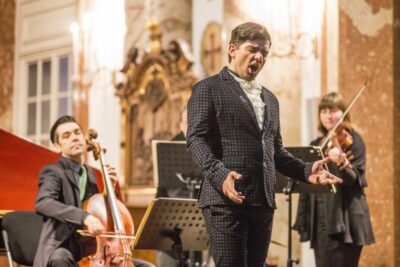
Vivaldi’s Four Seasons Concert in Karlskirche
Read our review →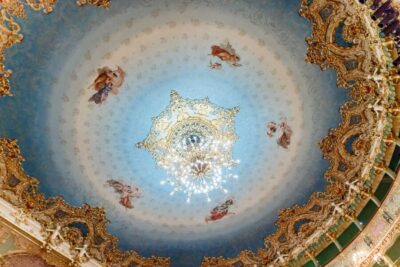
La Fenice Opera House Entry Ticket with Audio Guide
Read our review →
Opera House Guided Tour with Entrance Ticket
Read our review →
New Orleans Steamboat Natchez Jazz Cruise with Dinner Option
Read our review →
Budapest Danube Cruise and Dinner Options, Live Music and Dance
Read our review →
3-Course-Dinner Cruise on the Seine with live music
Read our review →
Classical Concert in the World-Famous Musikverein
Read our review →
Browse the lists this tour appears in