
REVIEW · CZECH REPUBLIC
Concert in the Rudolfinum – MOZART, VIVALDI, SMETANA
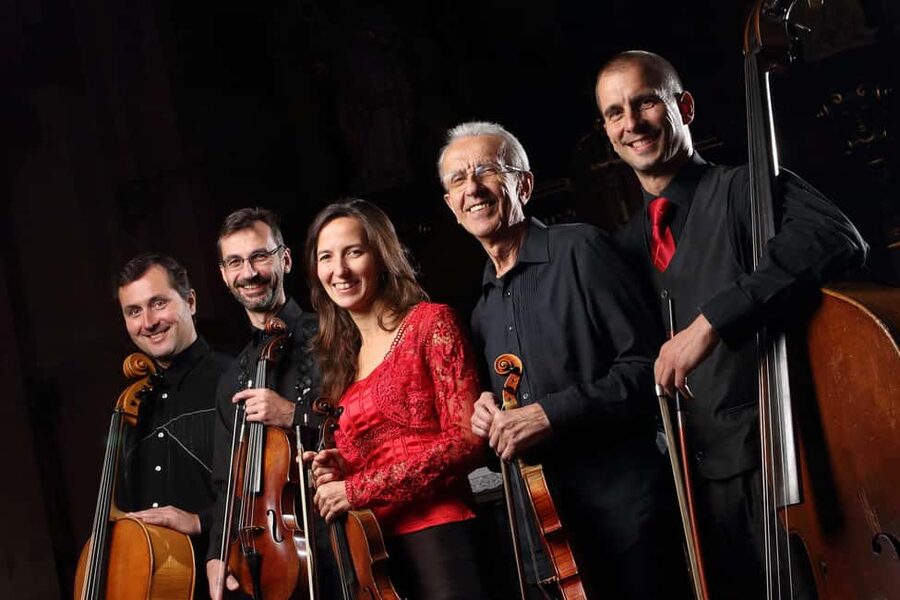
Prague’s Rudolfinum gives this short concert a grand address, but the music happens in Suk Hall, an intimate side room rather than the building’s main auditorium. The Parnas Ensemble presents familiar works by Mozart, Vivaldi, Smetana, Bach, Dvořák, and others in a warm, historic setting.
I like the 65-minute length, which fits neatly into an evening of sightseeing, and I like hearing Smetana’s Vltava in Prague itself. The main caution is value: at $65, you should expect a polished chamber-style program of well-known favorites, not a full symphony orchestra in the largest hall.
Key points to know before booking
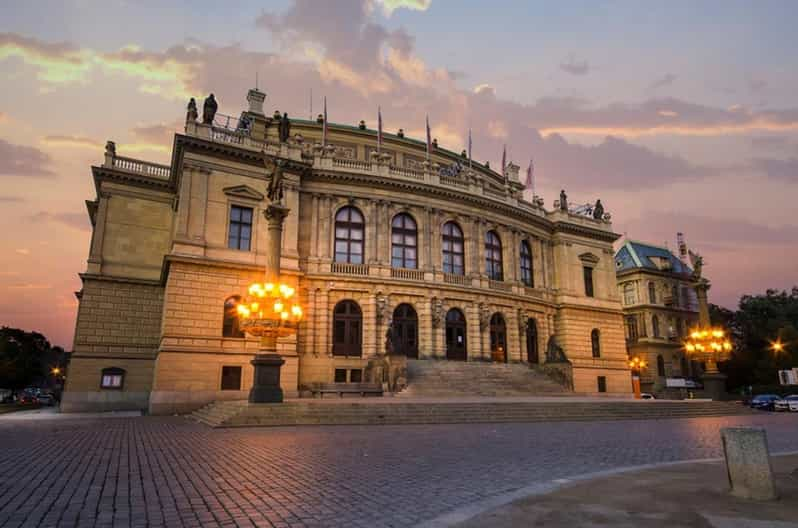
- Suk Hall is a smaller side hall: Enter on the left side of the Rudolfinum, and do not expect the main concert auditorium.
- The program favors familiar classics: You may hear Vivaldi’s Four Seasons, Mozart’s A Little Night Music, Smetana’s Vltava, and music by Bach, Dvořák, Ravel, Bizet, and Tchaikovsky.
- The Parnas Ensemble performs for 65 minutes: The group specializes in light classical music and has appeared at major international events, including the 2002 NATO Summit in Prague.
- Your seat is included: The ticket covers a dedicated seat for the concert.
- The setting is comfortable: The historic hall is kept pleasantly warm, useful during Prague’s colder months.
- The price favors convenience and atmosphere: At $65 per person, this works best for someone who values an easy, central concert night more than a large-scale orchestral production.
A classical concert inside Prague’s Rudolfinum
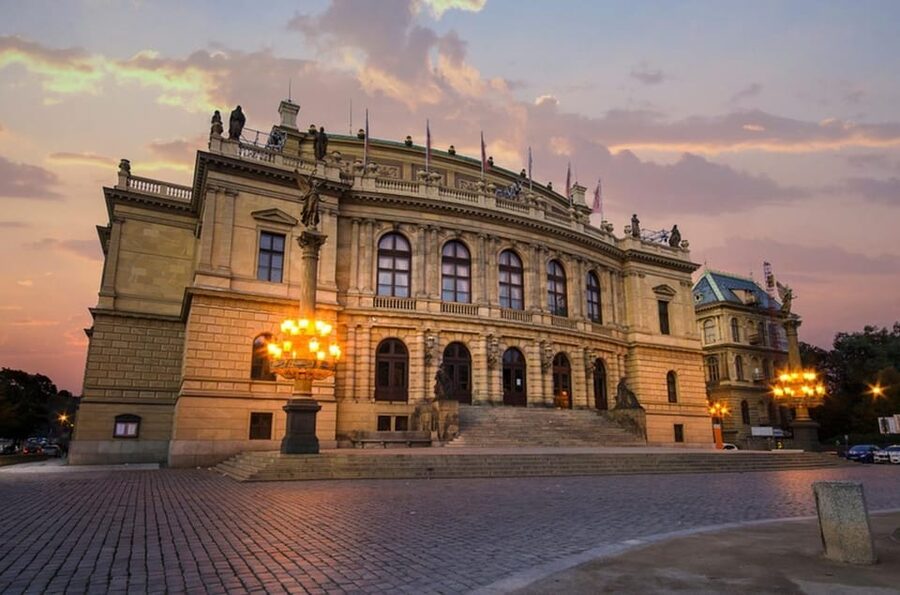
The appeal begins with the building. Prague’s Rudolfinum is one of the city’s best-known concert addresses, and simply walking into this historic cultural venue gives the evening a sense of occasion. You are not being taken to a generic entertainment room. You are going to a serious music building in the center of Prague.
The important detail is the hall. This concert takes place in Suk Hall, with the entrance on the left side of the Rudolfinum. It is a smaller, more personal room than the main auditorium. That can be a real advantage if you prefer to see the performers at closer range and enjoy a less formal setting.
It can also create the wrong first impression if you arrive expecting a full orchestra under a large ceiling. The program title highlights Mozart, Vivaldi, and Smetana, but the full selection includes chamber-friendly arrangements and familiar pieces from several composers. Think of this as an accessible classical sampler, not a single-composer recital or a grand symphonic evening.
The hall is pleasantly warm, which matters if you are coming in from a cold Prague night. You can settle into your assigned seat without spending the first part of the concert brushing off the chill.
More Classical Concerts in Czech Republic
- Prague: Entry Ticket Classical Concert at the Mirror Chapel
★ 4.7 · 4,636 reviews - Prague: Mozart Ballroom Concert Ticket with 3-Course Dinner
★ 4.8 · 1,200 reviews - Prague Castle: Midday Classical Concert at Lobkowicz Palace
★ 4.6 · 1,106 reviews
What the Parnas Ensemble brings to the evening
The Parnas Ensemble specializes in light classical music. That phrase is useful here. The musicians focus on recognizable melodies and approachable works rather than a demanding program of obscure pieces.
The ensemble has also been invited to prestigious international congresses, including the NATO Summit held in Prague in 2002. That background gives you some context for the group’s role: this is music designed to work well in a social, welcoming setting, including for listeners who do not attend concerts often.
You should expect a compact ensemble rather than a full symphony orchestra. One concertgoer found the musicians excellent and appreciated the sense of humor and energetic finale. Another felt the program relied too heavily on famous orchestral pieces that had been heard many times before, and would have preferred music written specifically for a smaller ensemble.
Both reactions point to the key choice. If you want a friendly introduction to classical music, the familiar melodies are a plus. If you are an experienced concertgoer looking for rare repertoire or a large orchestral sound, the selection may feel safe.
Reading the 65-minute program
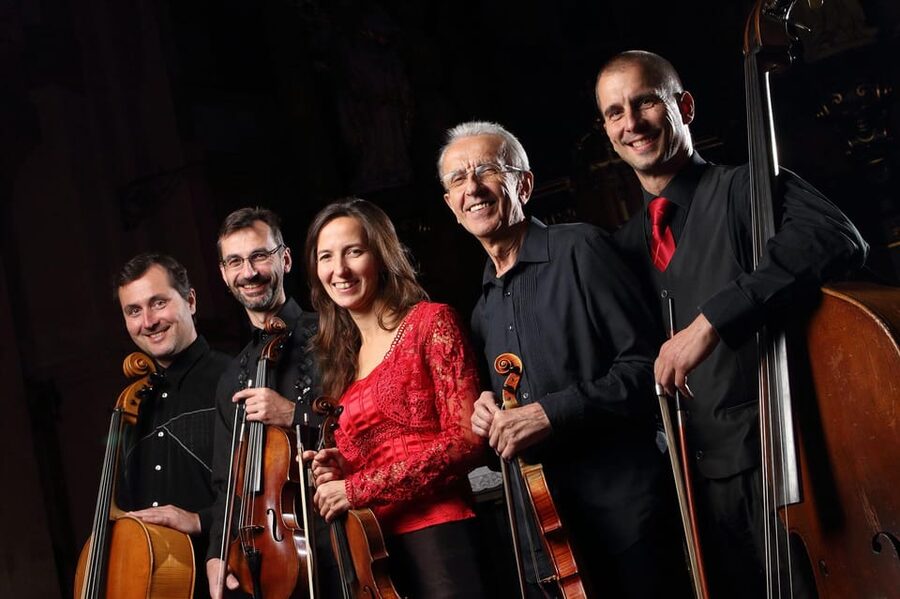
The program moves quickly through several of Europe’s best-known composers. Because the concert lasts only 65 minutes, you will hear selections rather than complete large-scale works.
Vivaldi’s Four Seasons selection
The evening opens with selected movements from Vivaldi’s Four Seasons. These pieces are among the most recognizable works in the classical repertoire, with strong rhythms and clear musical images.
A selection keeps the concert moving, but it also means you will not hear the full four-concerto cycle. If you already know the work well, you may find the shortened format familiar rather than surprising. If this is your first live encounter with Vivaldi, it offers a direct and easy entry point.
More Classical Concerts in Prague
- Prague: Classical Concert in the Spanish Synagogue
★ 4.7 · 1,104 reviews - Mozart Concert and Dinner in Prague
★ 4.5 · 492 reviews - Prague: Mirror Chapel Classical Music Concert Ticket
★ 4.8 · 295 reviews - Prague: Classical Concert at St. Giles’ Church
★ 4.8 · 241 reviews
Bizet’s Suite from Carmen
Music from Bizet’s Carmen brings a theatrical change of mood. The suite draws from one of opera’s most famous scores, so the melodies are bold and immediate.
This is a good fit for the program’s light classical style. You receive the color and drama of Carmen without committing to a full opera performance. It also gives the ensemble a chance to move beyond the refined elegance associated with Mozart and Bach.
Debussy’s Clair de lune
Clair de lune slows the pace. This well-known piece is quieter and more reflective than the surrounding selections, giving the concert a softer center.
For many listeners, this may be the moment that feels least like a collection of grand public favorites. It rewards a calm room and careful listening. Since the concert is in a smaller hall, the setting should suit a piece of this scale.
Ravel’s Bolero
Ravel’s Bolero brings the program back to a strong, repeated rhythm. The work is famous for its gradual build, with the same basic pattern gaining force as new instruments and colors enter.
In an ensemble setting, you should not expect the full weight of a large orchestra. The attraction is the structure and recognition of the melody, along with the way the musicians shape the piece toward its finish.
Smetana’s Vltava, or The Moldau
Smetana’s Vltava is the program’s most distinctive choice for a concert in Prague. The piece follows the course of the Vltava River through musical images, and hearing it in the Czech capital adds a useful sense of place.
This is not simply another famous classical excerpt. It connects the music to the country you are visiting. If you have walked along the river or crossed Charles Bridge earlier in the day, the selection can give the evening a particularly local feeling.
One concertgoer singled out Vltava as the personal highlight of the evening. I can understand why. Among the program’s international favorites, this is the work that most clearly belongs to Prague and the Czech cultural setting.
Strauss’s Pizzicato Polka
The Pizzicato Polka changes the texture again. Its plucked-string effect gives the music a playful, light touch.
This selection helps prevent the program from becoming too solemn. It also suits listeners who enjoy the lighter side of the classical tradition, where precision and wit matter as much as grandeur.
Mozart’s A Little Night Music
Mozart’s A Little Night Music is one of the clearest reasons this concert works for first-time classical listeners. The melodies are familiar, the structure is easy to follow, and the music carries an elegant but relaxed character.
The drawback is the same one that applies to several selections here: you may already know it very well. The concert is offering a live performance in a fine setting, not a fresh discovery of an unknown Mozart work.
Schubert’s Ave Maria and Bach’s Air
Schubert’s Ave Maria and Bach’s Air give the middle or later part of the program a more serene tone. Both are widely known for their lyrical, singing quality.
These works can be especially effective in the smaller Suk Hall, where the setting feels more personal than a large auditorium. They also help balance the louder, more dramatic pieces in the program.
Tchaikovsky’s Waltz of the Flowers
The Waltz of the Flowers from The Nutcracker brings color and movement from the ballet stage. Like Carmen, it lets you enjoy a famous theatrical score without attending a complete production.
If you are visiting Prague with family or friends, this selection is an easy point of connection. It is familiar, melodic, and more immediately accessible than a challenging modern work.
Dvořák’s Largo and Slavonic Dance
Dvořák’s Largo from the New World Symphony gives the Czech program another strong local connection. Dvořák was one of the country’s major composers, and his music fits naturally into an evening at Prague’s Rudolfinum.
The program also includes a Slavonic Dance. Together, these works provide a Czech thread alongside the broader European selections. They are valuable additions for listeners who want more than a list of generic international classics.
Why Suk Hall changes the experience
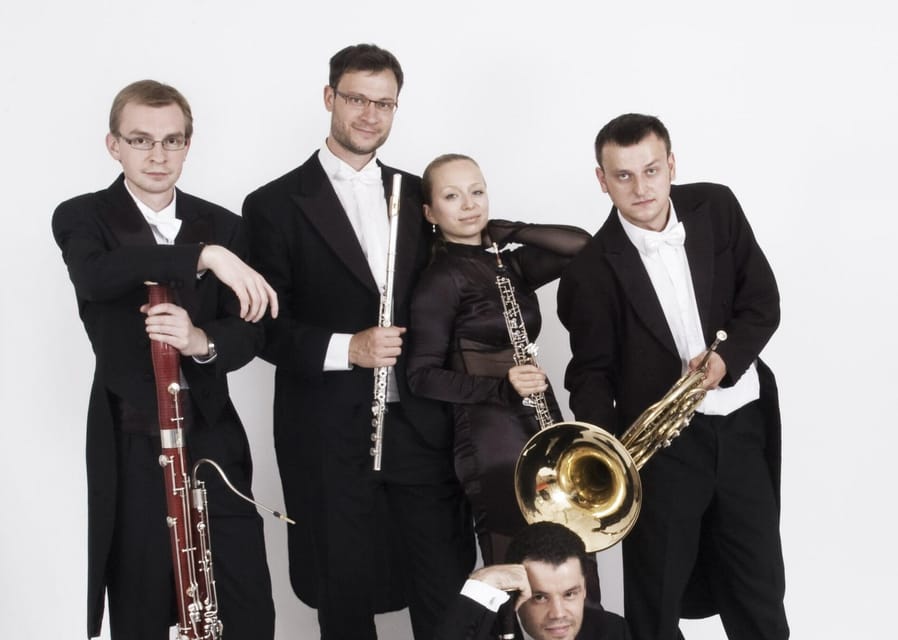
The smaller hall is the most important practical detail to understand before you pay. A concert in the main Rudolfinum auditorium would suggest a different scale, with the visual and sonic force of a full orchestral event. Suk Hall offers something closer and more contained.
That intimacy can help you watch the musicians work. You may feel nearer to the ensemble, and the short running time keeps the evening from becoming heavy. The concert can fit before dinner, after an afternoon of sightseeing, or into a packed Prague schedule.
The same setting may feel less formal than you expect. One concertgoer arrived dressed for a grand evening and found the audience included people in shorts and flip-flops. That is useful advice: dress neatly if you like, but do not assume you need formal concert attire.
The building remains special even when the audience is casual. You are still entering a historic Prague concert venue, but the atmosphere is likely to be relaxed rather than ceremonial.
Is $65 a fair price?
At $65 per person, this is not the cheapest way to hear classical music in Prague. The value comes from the location, the reserved seat, the short format, and the ease of booking a ready-made evening activity.
I would see the price as reasonable if you want three things at once: a central historic venue, a concise program of famous works, and a simple plan that does not require choosing among Prague’s many concert listings. The dedicated seat removes some uncertainty, and the 65-minute length leaves room for dinner or another evening plan.
I would be more cautious if your main goal is musical discovery or orchestral scale. The program is built around works many people already know, and the performers are an ensemble rather than a full orchestra. One critical assessment found the cost high for that reason.
The best comparison is not simply ticket price. Ask what kind of night you want. For an accessible cultural stop in a beautiful building, the cost may fit. For serious symphonic listening, you may want to compare it with a performance in the main hall before booking.
Who will enjoy this concert most
I would recommend it most strongly to:
- First-time classical listeners who want famous melodies without a long, demanding program.
- Families and friends looking for a shared evening activity.
- Couples who want a cultural event that lasts just over an hour.
- Visitors who value the Rudolfinum setting and a central Prague location.
- Listeners who want a Czech touch through Smetana and Dvořák.
- Anyone who prefers a smaller hall to a large, formal auditorium.
I would be less enthusiastic for a specialist classical listener seeking unusual repertoire, a full orchestra, or a concert built around one composer. The familiar program is the point here, but it is also the limitation.
Booking details that matter
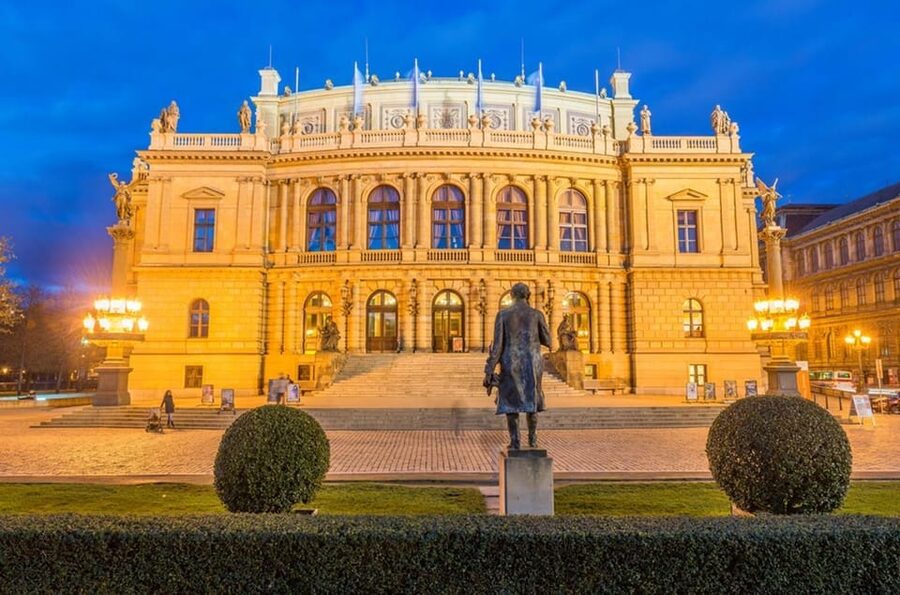
The meeting point is the Suk Hall entrance on the left side of the Rudolfinum. Take that wording seriously, since heading toward the main auditorium could leave you at the wrong door.
The ticket includes a dedicated seat. The concert lasts 65 minutes, and starting times depend on the date selected, so check the available time before finalizing your plans.
You can cancel up to 24 hours in advance for a full refund. A reserve-now, pay-later option is also available, which helps if your Prague schedule is still changing. The experience is provided by Mgr. Silvie Tycová, and the performers are the Parnas Ensemble.
Should you book the Rudolfinum concert?
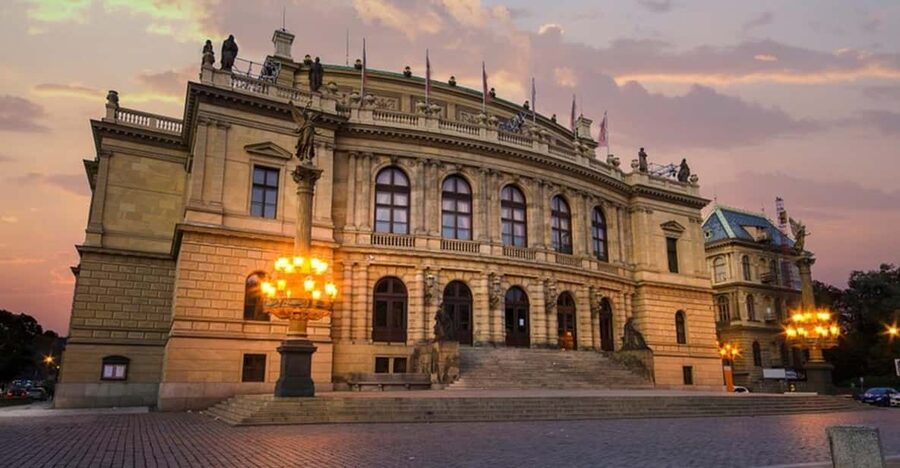
Book it if you want a short, approachable classical concert in a notable Prague building, and you are happy with an intimate side hall instead of a full-scale orchestral auditorium. Smetana’s Vltava, Dvořák’s selections, and the elegant setting give the program a useful Czech connection.
Think twice if $65 feels high for familiar pieces or if you expect the grandeur of the Rudolfinum’s main hall. Go in knowing that the Parnas Ensemble offers polished light classical music in a smaller room. With that expectation, this can be an easy and pleasant way to add live music to your Prague evening.
FAQ
Where does the concert take place?
The concert takes place in Suk Hall at Prague’s Rudolfinum. The entrance is on the left side of the Rudolfinum.
Is the concert held in the Rudolfinum’s main hall?
No. The concert takes place in the smaller Suk Hall, described as an intimate side hall of the Rudolfinum.
How long does the concert last?
The concert lasts 65 minutes.
Which musicians perform?
The Parnas Ensemble performs the concert. The ensemble specializes in light classical music.
Which composers are included in the program?
The program includes Vivaldi, Bizet, Debussy, Ravel, Smetana, Strauss, Mozart, Schubert, Bach, Tchaikovsky, and Dvořák.
Will I hear Smetana’s Vltava?
Yes. The program includes Smetana’s Vltava, also known as The Moldau.
Is a seat included with the ticket?
Yes. The ticket includes a dedicated seat for the concert.
What is the cancellation policy?
You can cancel up to 24 hours in advance for a full refund. A reserve-now, pay-later option is also available.
Just added to the listings in Prague
- Organ Concert in St Francis Church Admission Ticket★ 4.5 · 88 reviews
- Prague Old Town Tour with a Classical Concert★ 5.0 · 7 reviews
- Prague Super Saver: Lobkowicz Palace Concert plus Lobkowicz Palace Museum Entrance Ticket★ 4.5 · 77 reviews
- Wednesday Night Live Music and Cocktails Ticket in Kontakt Bar★ 4.0 · 7 reviews
- Lobkowicz Palace Concert in Prague Ticket★ 4.5 · 90 reviews
- Prague Reduta Jazz Club with Concert Ticket★ 4.0 · 42 reviews
- Classical Concert in St. Nicholas Church★ 3.0 · 39 reviews
- Classical Concert in Spanish Synagogue★ 4.5 · 97 reviews
Classical Concerts, compared.
Vivaldi’s Four Seasons Concert in Karlskirche
Read our review →
Classical Concert in the World-Famous Musikverein
Read our review →
Mozart Concert at the Musikverein – Golden Hall
Read our review →
Entry Ticket Classical Concert at the Mirror Chapel
Read our review →
Classical Concert at St. Stephen’s Cathedral
Read our review →
Classical Concert in St. Anne’s Church (Annakirche)
Read our review →
Mozart and Strauss Concert at Schönbrunn
Read our review →Browse the lists this tour appears in