
REVIEW · ITALY
Florence: Italian Opera
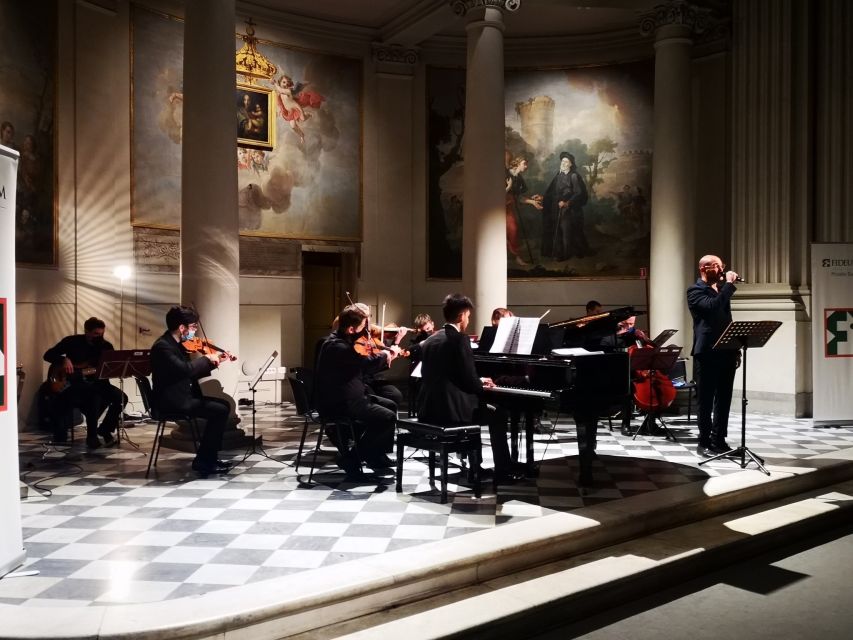
Florence gives you opera in a wonderfully direct form here: two singers, one pianist, and famous arias performed in a historic hall near Ponte Vecchio. Alessia Battini, David Ciarrocchi, and pianist Gianni Cigna offer a compact program that lets you hear the drama without committing to a full staged opera.
I like the excellent mix of Puccini, Verdi, Mozart, and Rossini, and I like the setting, especially the old Santo Stefano auditorium and its strong acoustics. The main thing to check is your seating and venue option, since the meeting point may vary, and one part of the program includes piano interludes that may feel long if you came mainly for singing.
Key points at a glance
- Famous arias in one evening: Hear music from The Barber of Seville, Tosca, La Bohème, La Traviata, The Marriage of Figaro, Gianni Schicchi, Falstaff, and Don Giovanni.
- Three principal performers: Soprano Alessia Battini, baritone David Ciarrocchi, and pianist Gianni Cigna carry the program.
- Historic Florence setting: The Auditorium of Santo Stefano is close to Ponte Vecchio and is known for its distinctive architecture and acoustics.
- Good first opera choice: The familiar arias make this easier to follow than a full opera performed in an unfamiliar language.
- Seat choice matters: Three seating categories are offered, and central or upgraded seats may appeal if you want a clearer view.
- Simple, flexible booking: The ticket includes the concert and a printed program, with free cancellation up to 24 hours before the event.
Why this Florence opera works for a first visit
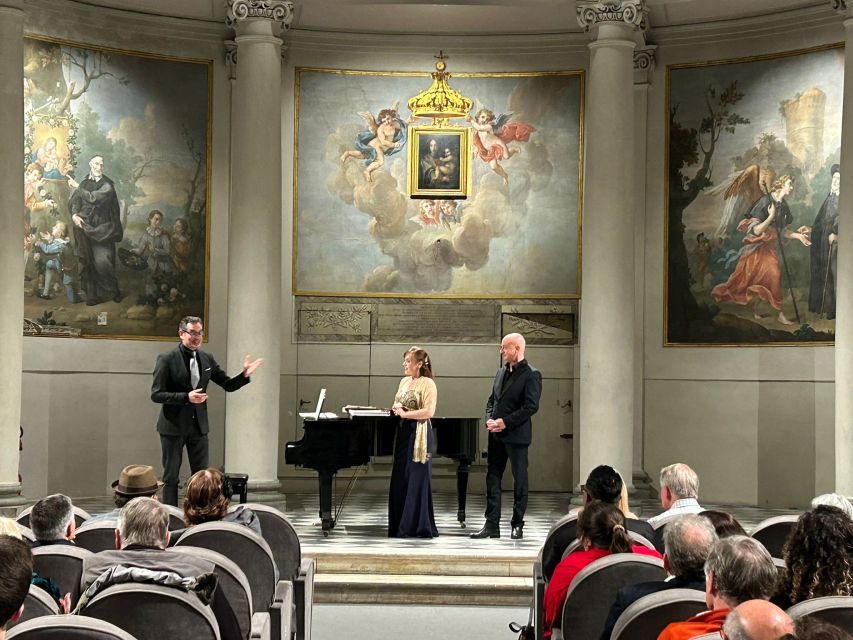
A full opera can be a big evening: several hours, a large cast, elaborate scenery, and a story that takes time to unfold. This concert takes another route. It gives you a string of well-known arias and duets, each lasting only part of the evening, so you can hear the central musical ideas without needing to follow an entire plot.
That format is especially useful in Florence, where your sightseeing schedule may already be packed. You can spend the day with Renaissance art and architecture, then settle into music by composers who helped define the Italian and European operatic tradition. The program also includes Mozart, so the evening is not limited to Italian composers.
I think the strongest reason to book is the music itself. O mio babbino caro, Quando me’n vo, La ci darem la mano, and Largo al factotum are instantly recognizable to many people, even if they have never attended an opera. Hearing these pieces performed live gives you a better feel for the voice, phrasing, and drama than a quick recording can.
The other reason is scale. You are not being asked to decode a giant production. The singers and pianist are the focus, which makes the performance easy to watch and hear. The tradeoff is that this is a concert of excerpts, not a fully staged opera with costumes, scenery, and a complete story.
More Opera Shows in Italy
- Florence: Santa Monaca Church Italian Opera Concert Ticket
★ 4.7 · 2,692 reviews - Italian Opera Concert Ticket in Florence’s Santa Monaca Church
★ 4.5 · 602 reviews - Florence: Opera Concert Entrance Ticket
★ 4.8 · 377 reviews
Santo Stefano near Ponte Vecchio
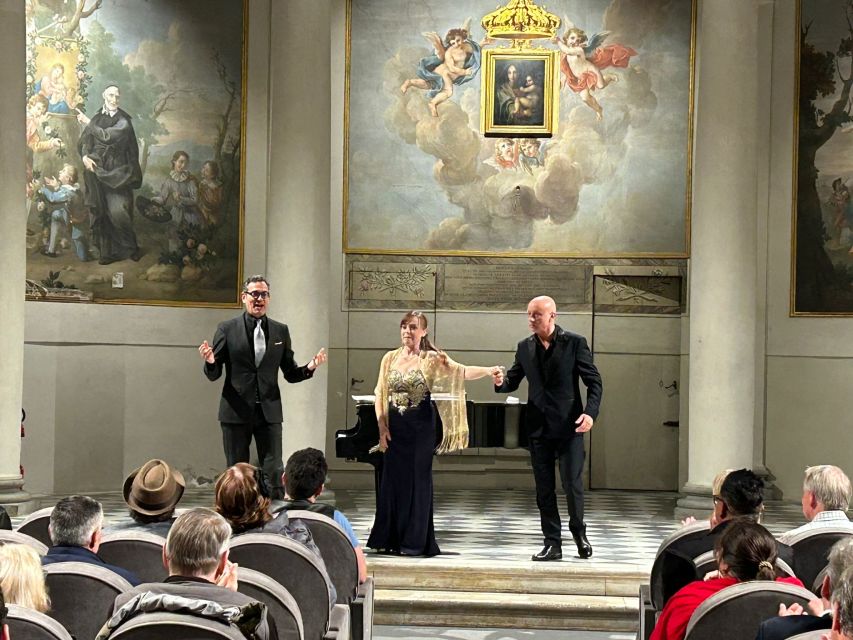
The Auditorium of Santo Stefano offers the most distinctive setting described for this experience. It sits in the heart of Florence, next to Ponte Vecchio, so it fits neatly into an evening walk through the center. Its earlier Romanesque form was later changed by Gothic and Baroque work, giving the interior several layers of architectural character.
The building has also survived serious damage from World War II, the 1966 Florence flood, and the 1993 Georgofili bombing. Restoration in the late 1990s returned it to use. That background matters because you are not entering a modern theater built only for performances. You are hearing opera in a place shaped by centuries of religious and civic life, as well as by Florence’s difficult modern history.
The acoustics are a major part of the appeal. With only a soprano, baritone, and piano, the room itself helps carry the sound. Several people who booked the concert found the acoustics and atmosphere especially memorable, and that makes sense: a smaller musical group can sound intimate in a historic auditorium.
There is also a beautiful garden and a tea room connected with the venue experience. Food and drinks are not included, so treat these as optional places to pause rather than part of the ticket. If you like adding a quiet drink to a concert evening, this gives you a little more room to shape the night.
The experience may also be offered at the Zeffirelli Concert Hall, depending on the option you choose. Since the meeting point can change, check the exact venue and arrival instructions on your booking rather than assuming every ticket uses Santo Stefano.
The first half: Rossini, Puccini, Verdi, and Mozart
The opening selection begins with Rossini’s Largo al factotum from The Barber of Seville. This is a natural curtain raiser. It is lively, comic, and written for a baritone, giving David Ciarrocchi a chance to establish the evening with quick vocal movement and a strong stage presence.
Next comes Tre sbirri una carrozza from Puccini’s Tosca. The mood shifts toward tension and drama. This contrast is useful because it shows how quickly opera can move from comedy to danger, even when the setting remains simple.
A piano solo intermezzo follows. Gianni Cigna is not only accompanying the singers. He is also an experienced pianist and vocal coach, and a solo passage gives him space to show more of his own musicianship. Still, you should know that the program is not nonstop vocal music. If you mainly want arias, this pause may feel like a break in momentum.
Puccini returns with Quando me’n vo from La Bohème, one of the program’s best-known soprano selections. The aria brings flirtation, confidence, and theatrical charm. It gives Alessia Battini a chance to move from the more urgent tone of Tosca toward a lighter, more glamorous character.
Verdi’s È strano… Sempre libera from La Traviata closes the first part. This is a demanding piece, with both lyric feeling and bright vocal agility. It is also a good example of why a mixed program works well: you hear a different kind of soprano writing than in Puccini.
The first part ends with Mozart’s Cinque, dieci, venti from The Marriage of Figaro. This duet brings baritone and soprano together in a comic exchange. Mozart’s music depends on timing and interaction, so it gives you a useful change from solo arias and lets you hear how the two voices work as a pair.
Intermission and the second half
There is an intermission between the two parts. The supplied program does not state the exact length, so allow yourself enough time to leave your seat and return without rushing. This is also the point when the venue’s garden or tea room may be useful, although refreshments are not included in the ticket.
The second half begins with Puccini’s O mio babbino caro from Gianni Schicchi. It is short, tender, and among the most familiar pieces in the entire program. Its direct emotion makes it especially friendly to first-time opera listeners.
Verdi’s È sogno o realtà from Falstaff follows. This is another baritone selection, with a comic and thoughtful quality that differs from the opening Rossini number. It gives Ciarrocchi a second chance to show the lighter side of Verdi’s writing.
Mozart’s La ci darem la mano from Don Giovanni brings the soprano and baritone together again. It is one of Mozart’s most approachable duets, shaped around persuasion and hesitation. In a small concert setting, the exchange between the singers becomes the main event, rather than one part of a large stage production.
The final selection is Rossini’s Dunque io son from The Barber of Seville. This duet ends the evening with speed, wit, and vocal back-and-forth. It is a fitting close because it returns to the comic energy of the opening number and lets both singers finish together.
The printed program is included. That is a small but useful feature, especially if you want to know which opera each piece comes from. One practical point: the program should help you follow the titles, but the information supplied for this experience does not promise translations or projected subtitles. If you need a detailed plot guide, read a short synopsis of the operas beforehand.
More Opera Shows in Florence:
- Italian Opera in Santa Monaca Church with Dinner
★ 3.5 · 33 reviews - Pizza Dinner and Italian Opera Arias Concert in Florence
★ 3.5 · 21 reviews - Tuscany: Cooking, Dinner & Live Opera in the countryside
★ 4.8 · 13 reviews - Great Italian Opera in Florence
★ 5.0 · 5 reviews
Meet the performers through the music
Alessia Battini is presented as an emerging Italian singer with a powerful lyrical voice and strong stage presence. Her selections range from the playful glamour of La Bohème to the tender appeal of Gianni Schicchi and the vocal demands of La Traviata. That gives you a broad picture of her style within one evening.
David Ciarrocchi brings the baritone parts. He has performed in major opera productions and regularly appears at Teatro del Maggio Musicale Fiorentino. His program includes both comic Rossini and Verdi, so you can expect his role to shift from brisk humor to more expressive drama.
Gianni Cigna serves as pianist and vocal coach. That background is important in an opera concert. The pianist must support the singers closely, follow their breathing, and help create the shape of each aria. His piano intermezzo also means you are hearing an active musician, not simply a background accompanist.
The concert’s strongest quality is this close connection between the three performers. There is no large orchestra to fill the room and no scenery to pull your eye away. You hear how the voices and piano build tension together. That can feel more personal than a full production, though some people will prefer the greater scale of an orchestra and complete cast.
Seating, price, and practical value
The advertised price is $41 per person, with three seating categories. For Florence, that is a reasonable price for a live concert in a historic venue, especially when the program includes several headline arias and duets rather than one short musical set.
The best value depends on what matters most to you. If you simply want to hear the singers and enjoy the setting, the basic category may be enough. The auditorium is not described as a huge venue, and one booking experience found that even the seating area felt pleasantly limited rather than overcrowded.
If you care about your sightline, choose a middle or VIP category when the price difference works for your budget. A central position can help you see the performers’ expressions and follow the exchange in duets. That said, the available information does not provide a detailed seat map, so do not assume that VIP means a specific row or exact distance from the stage.
The ticket includes the concert and a printed program. It does not include hotel pickup, transportation, food, or drinks. You will need to make your own way to the stated venue, which is not a serious burden if your evening is already in central Florence, but it does mean checking the location carefully.
The booking is valid for one day, and starting times depend on availability. Free cancellation is offered up to 24 hours in advance, and you can reserve now and pay later. Wheelchair access is also listed. Since the meeting point may differ by option, confirm the venue, time, and seating category before setting out.
Who should book this concert
I would choose this for a first opera experience, a short cultural evening, or a night when you want music without giving up half a day. The familiar selections remove much of the intimidation that can come with opera, and the compact format makes it easier to decide if you want to attend a full production later.
It also suits couples and families with older children who enjoy music but may not want a long, fully staged performance. The mix of comedy, romance, tension, and vocal fireworks keeps the program moving, although the piano intermezzo may not appeal to everyone.
Opera regulars should set expectations correctly. This is not a substitute for hearing La Traviata, The Barber of Seville, or Don Giovanni in full. You will get highlights, not complete acts, character development, or stage direction. Its value lies in the concentration of famous music and the atmosphere of the venue.
My call: a strong Florence evening at a fair price
Book it if you want accessible opera, a central Florence setting, and a program built around pieces you may already know. The voices of Alessia Battini and David Ciarrocchi, supported by Gianni Cigna, give the evening a clear human focus, while Santo Stefano adds atmosphere and unusually good acoustics.
Before paying, confirm which venue your chosen option uses and decide how much the seating category matters to you. I would lean toward middle or VIP seating if the difference is modest, especially for a first visit. Skip it only if you need a full opera production, an orchestra, or a detailed story from beginning to end. For $41, this is a sensible way to hear the crown jewels of Italian opera without making the evening feel like homework.
FAQ
Where does the opera concert take place?
The concert may take place at the Zeffirelli Concert Hall or the Auditorium of Santo Stefano, depending on the option booked. Check the meeting point for your specific selection.
How much does the experience cost?
The listed price is $41 per person. Three seating categories are available.
Which composers are included?
The program includes G. Rossini, G. Puccini, G. Verdi, and W. A. Mozart.
Which operas are represented?
Selections come from The Barber of Seville, Tosca, La Bohème, La Traviata, The Marriage of Figaro, Gianni Schicchi, Falstaff, and Don Giovanni.
Who performs in the concert?
The listed performers are soprano Alessia Battini, baritone David Ciarrocchi, and pianist Gianni Cigna.
Is the concert suitable for someone who has never attended opera?
Yes. The program uses well-known arias and duets in a compact concert format, making it an approachable introduction to opera.
Are food and drinks included?
No. Food and drinks are not included, although the venue offers a garden and a tea room.
Can I cancel my booking?
You can cancel up to 24 hours in advance for a full refund. Reserve now and pay later is also available.
Just added to the listings in Florence
- Tuscany: Cooking, Dinner & Live Opera in the countryside★ 4.8 · 13 reviews
- Live Opera Concert and Wine Tasting in Florence★ 5.0 · 2 reviews
- Italian Opera in Santa Monaca Church with Dinner★ 3.5 · 33 reviews
- Great Italian Opera in Florence★ 5.0 · 5 reviews
- Pizza Dinner and Italian Opera Arias Concert in Florence★ 3.5 · 21 reviews
- Florence Opera Duomo Complex: a full guided experience!★ 5.0 · 13 reviews
- Florence Opera Concerts★ 5.0 · 10 reviews
- Andrea Bocelli concert LAJATICO Limousine Service from Florence★ 5.0 · 6 reviews
Opera Shows, compared.
Santa Monaca Church Italian Opera Concert Ticket
Read our review →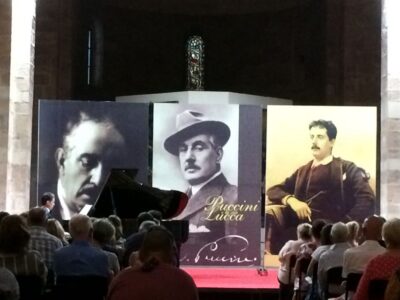
Puccini Festival Opera Recitals and Concerts
Read our review →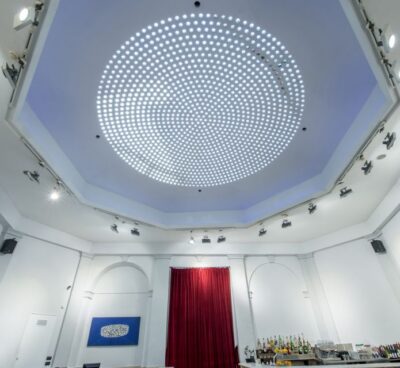
Opera Concert at Palazzo Poli – Fontana di Trevi
Read our review →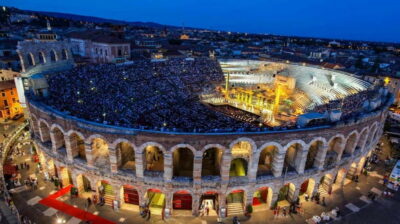
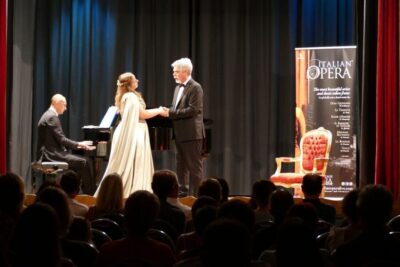
Taormina: Opera Performance in the Nazarena Theater
Read our review →
Italian Opera Night Concert by Candle Glow
Read our review →
Italian Opera Concert Ticket in Florence’s Santa Monaca Church
Read our review →
Browse the lists this tour appears in