
REVIEW · ITALY
La Traviata The Original Opera by Giuseppe Verdi
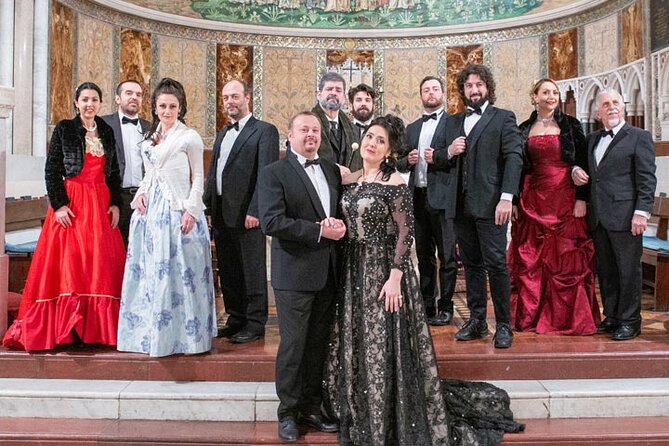
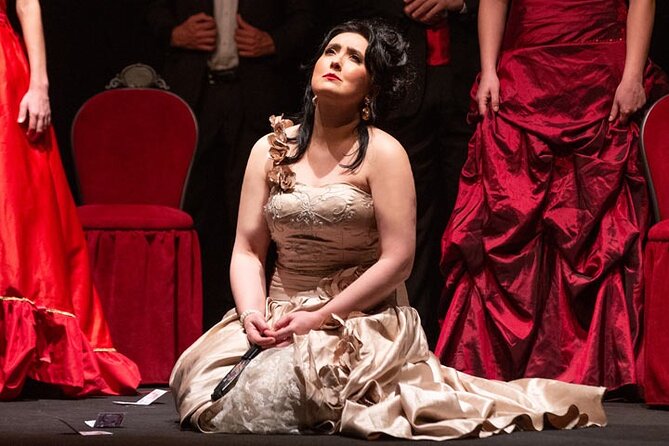
Rome’s La Traviata puts opera in an unexpected setting: St. Paul Within the Walls Church, a 19th-century house of worship on Via Nazionale. Instead of a grand theater, you sit among church architecture and old frescoes while soloists, choir, orchestra, and dancers tell Verdi’s tragic story.
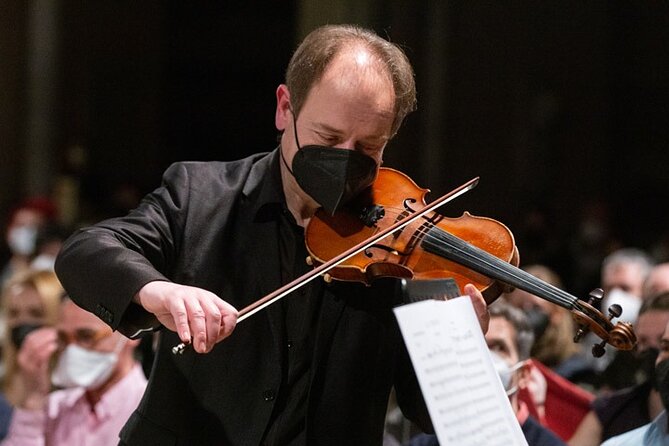
I like the intimate scale and the live orchestra, conducted by Maestro Elvin Dhimitri. I also like the price, about $39.54, which makes a first opera night easier to try. The main caution is the venue: church pews, pillars, heat or cold, and blocked sightlines can affect your comfort and view.
Key points to know before booking
- A church replaces the traditional opera house: The setting gives the performance character, but it also brings hard seating, uneven views, and limited climate control.
- Verdi’s famous tragedy lasts about two hours: You’ll hear La Traviata in three acts, with singers, choir, orchestra, and ballet.
- Front seats matter: Assigned seating can mean a pillar or distant view, so consider your priorities before paying extra for a preferred section.
- Read the story first: The performance is in Italian, and a quick synopsis will help you follow Violetta’s choices and the opera’s emotional turns.
- The 8:30 pm start fits a Rome evening: St. Paul Within the Walls is central and near public transportation, with places to eat and drink nearby.
- This is an accessible introduction, not a full-scale production: You get professional artists and live music, but not the scenery, stage machinery, or comfort of a major opera house.
Why La Traviata feels different in a Roman church
La Traviata is one of Giuseppe Verdi’s best-known operas, first performed in Venice in 1853. Verdi based it on Alexandre Dumas fils’s story of a famous Parisian courtesan, and the opera follows Violetta, a woman caught between love, social judgment, and illness.
That plot still works because it is direct. Violetta’s romance with Alfredo begins in glamour and hope, then collides with family pressure and social rules. You do not need years of opera knowledge to understand the broad shape of the story, but you will enjoy the music more if you know who the main characters are before you sit down.
The title means The Fallen Woman, a blunt phrase that reflects the attitudes of the period. Verdi’s choice was provocative in its day because the story focused on a contemporary figure rather than a distant myth or historical hero. That gives the opera an emotional immediacy, even when the staging is simple.
At St. Paul Within the Walls, the setting changes the mood. The church creates a solemn frame for a story about love, sacrifice, and death. It is not a polished theater production with elaborate scenery and frequent set changes. Instead, the singers and musicians carry most of the drama.
That trade-off is important. If you want the grand machinery of Rome’s opera house, this may feel modest. If you want a shorter, more personal evening with live performers close to you, the church setting can be a memorable change of pace.
More Opera Shows in Italy
- Rome: Opera Concert at Palazzo Poli – Fontana di Trevi
★ 4.7 · 1,026 reviews - Rome: Italian Opera Night Concert by Candle Glow
★ 4.6 · 630 reviews - Rome: Italian Opera Concert and Traditional Dinner
★ 4.1 · 453 reviews
Arriving on Via Nazionale for the 8:30 pm performance
The meeting point is St. Paul Within the Walls, Via Nazionale 16a, in central Rome. The location is near public transportation, which makes it practical after a day of sightseeing. The listed start time is 8:30 pm, and the performance runs about two hours.
Give yourself time to find the church and settle in. The setting is easy to recognize once you reach it, but an evening arrival in central Rome can still involve busy streets and distractions. You will redeem your ticket at the church rather than at a separate theater box office.
Dress smart casual. You do not need formal evening wear, but opera night feels better when you make a little effort. Temperature deserves more thought than clothing style. The building is historic and does not have the same heating or cooling comfort as a modern auditorium. On warm nights, the interior can feel very hot, while winter performances may feel cold.
Fans have been used, but they may not make the air comfortable for everyone. In December, bring an extra layer. In summer, choose light clothing and be prepared for a warm room. These are small details, but they can shape your entire two-hour evening.
What you see inside St. Paul Within the Walls
The church is the main visual feature before the opera begins. Its architecture and frescoes give the performance a strong Roman character, and the intimate room places the audience close to the artists.
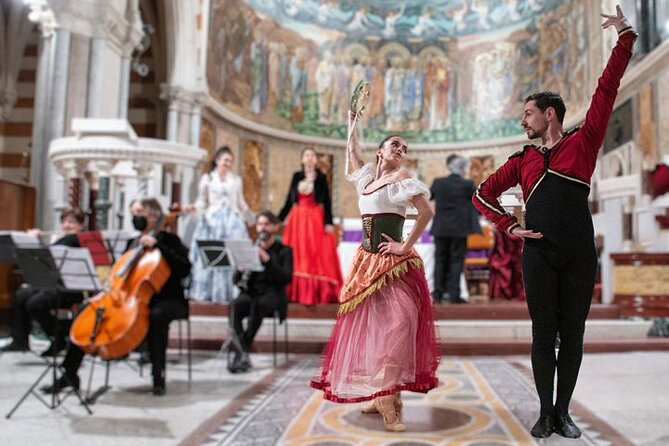
That closeness can be wonderful. From a good front seat, you may see the singers’ expressions, watch the orchestra at work, and notice the concentration of the performers. Ballet dancers are also part of the Rome production, adding movement to scenes that might otherwise rely only on voice and music.
The same room creates problems. Church pillars can block part of your view, and the orchestra may sit in front of the singers. In some positions, you might see little of the stage action. The church also uses pews and, in some seating areas, stacking plastic chairs. Cushions help, but this is not the place for plush theater seats.
Sightlines are the biggest practical issue. You can select a front, middle, or back seating category, but the exact seat is assigned by the theater box office and is not known in advance. Several seating accounts point to a simple lesson: being close does not always guarantee a perfect view if a pillar is in the wrong place, and rear seats may make the performers difficult to see.
If seeing the singers clearly matters most, choose the best available seating category and accept that the church layout still has limits. If you mainly want the music and atmosphere, a less expensive section may offer better value.
The opera itself: three acts of Verdi
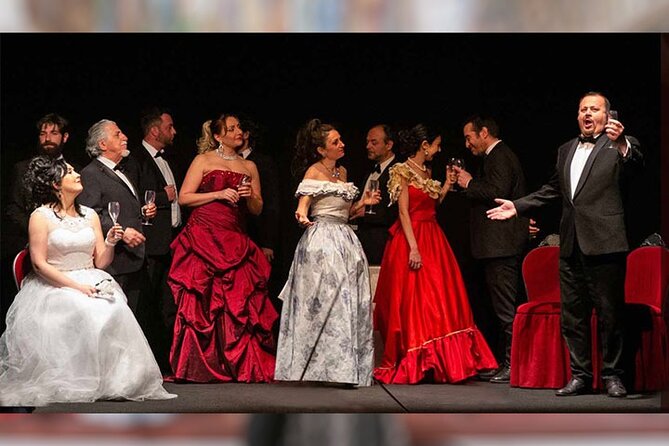
The performance presents La Traviata as a three-act opera, with Opera e Lirica soloists supported by choir and orchestra. Maestro Elvin Dhimitri conducts the orchestra.
You should expect Italian singing rather than an English-language performance. The activity is offered in English in the booking information, but that does not mean the opera is sung in English. There may also be uncertainty about programs and translations, so I strongly suggest reading a short synopsis before you go.
That preparation takes only a few minutes and pays off immediately. Know that Violetta is the central character, Alfredo is her lover, and Giorgio Germont is Alfredo’s father. Understand why Giorgio asks Violetta to give up Alfredo, and the emotional structure becomes much easier to follow.
The music does much of the explaining. Verdi moves between lively social scenes, tender duets, forceful family confrontations, and heartbreaking final moments. Even if you cannot translate every line, you can follow changes in mood through the orchestra and the singers’ delivery.
The production does not aim for a full theater spectacle. You will not get lavish sets, elaborate scene changes, or a large-scale auditorium experience. Instead, the focus remains on the voices, music, costumes, and the performers’ ability to create drama in a compact space.
That can work very well for first-time opera attendees. You can sit close enough to see the performers and hear the power of trained voices without committing to a long evening in a formal opera house. It can also disappoint someone who expects a major production with wide stage views and polished theater acoustics.
More Opera Shows in Rome
- Rome: Freddie Mercury Opera Show
★ 3.9 · 381 reviews - Rome: “Opera’s Greatest Hits” Opera Concert with Aperitif
★ 4.7 · 187 reviews - Open Air Opera Concert with Terrace aperitivo over Navona square
★ 5.0 · 140 reviews - I Virtuosi dell’opera di Roma: La Traviata at St. Paul Within the Walls
★ 4.0 · 123 reviews
Singers, orchestra, and ballet
The strongest part of the evening is the combination of live music and professional performers. The soloists come from important Italian theaters and music academies, and the production includes choir and orchestra rather than a recorded soundtrack.
The orchestra gives the evening its pulse. You hear the musical shifts directly, from social energy to private sorrow, and the live sound makes the performance feel less like a staged museum piece and more like an event happening in the room.
The singers carry a demanding score. Some performances may feature a particularly memorable Violetta, while the overall quality can vary from one evening to another. The intimate setting lets you see the effort involved, especially during powerful passages.
Ballet dancers are also included in the Rome version. Their presence adds a visual layer, but it can create another sightline problem if the staging places them directly between you and the singers. From a front-row position, this may feel like an extra pleasure. From farther back, it may make the action harder to see.
The best approach is to judge this as a concert-style opera in a historic building, not as a fully staged production at a major opera house. For some people, that is precisely the appeal. For others, it will feel like an attractive idea with practical compromises.
Is $39.54 a good value?
At about $39.54 per person, this is a reasonably priced way to test whether opera suits you. The ticket includes the live entertainment and access to the performance. Lunch is not included, though that matters little for an evening event.
You are paying for live singers, an orchestra, choir, and ballet in a central Roman church. That is a fair deal if you value atmosphere and want something beyond the usual monument tour. It is less compelling if you are comparing it with a full opera-house production and expect comparable staging, seating, acoustics, and service.
Paying extra for priority or front seating requires some thought. Front rows can put you close to the singers and orchestra, but assigned seats may still leave you behind a pillar or in a position with an awkward view. If the difference in price is small, the better section may be sensible. If the surcharge is substantial, remember that the building cannot guarantee the clean sightlines of a theater.
There is also a practical difference between buying through a booking platform and buying directly from the performance company. Seating categories and prices may not line up perfectly across sales channels. Check exactly what section your ticket includes, and do not assume that the phrase priority guarantees an unobstructed view.
Who will enjoy this opera night?
I would recommend it most strongly to someone who wants an unusual Rome evening, especially a first-time opera visitor. The familiar story, manageable length, central location, and live orchestra make it less intimidating than a formal opera house visit.
It also suits couples looking for a romantic night out. The church provides atmosphere without requiring a full evening of formal dining and theater etiquette. You can pair the performance with dinner or a drink nearby after the show.
Music lovers who already know La Traviata may enjoy hearing it in a close setting, particularly from a good seat. The church’s acoustics can be impressive, though the placement of singers and orchestra may not work equally well from every position.
I would be cautious if you have mobility or seating concerns. The experience is described as suitable for most people, service animals are allowed, and the location is near public transportation. Still, historic church seating is not the same as modern theater seating, and comfort depends on the assigned area.
I would also think twice if you need every word translated or want a clear view from any seat. The performance is best approached with some preparation and realistic expectations.
Useful planning details before you go
You receive confirmation at booking, and the experience offers free cancellation if you cancel at least 24 hours before the 8:30 pm start time. Cancellations made less than 24 hours before the start are not refunded, and late changes are not accepted.
Seats are assigned by the theater box office, so you will not know the exact seat in advance. That is the most important booking detail. Choose your section carefully, arrive ready for church-style seating, and do not count on a perfectly open view.
A short online synopsis is worth reading before the show. This is especially useful if you do not speak Italian. You may also want to check the evening’s posted program when you arrive, since the order or presentation details can sometimes be confusing.
Plan for a two-hour performance, but allow extra time around it for arrival and departure. The start time leaves room for dinner beforehand, and the central location gives you the option of finding a meal or drink nearby afterward.
Should you book La Traviata at St. Paul Within the Walls?
Book it if you want live opera in an atmospheric Roman church and understand that intimacy comes with compromises. The orchestra, trained singers, choir, ballet, and historic setting offer a lot for the price.
Skip it if your priority is a grand stage, padded seats, dependable climate control, or a guaranteed unobstructed view. For the best chance at a satisfying evening, read the plot first, choose your seating category with care, dress for the season, and treat the church as part of the experience rather than a substitute for a modern opera house.
FAQ
Where does La Traviata take place?
The performance takes place at St. Paul Within the Walls, located at Via Nazionale 16a, 00184 Rome, Italy.
What time does the opera start?
The listed start time is 8:30 pm.
How long does the performance last?
The experience lasts approximately two hours.
Is the opera performed in English?
The activity is offered in English in the booking information, but the opera itself is La Traviata by Verdi with an Italian libretto. Reading a synopsis beforehand can help you follow the story.
Who conducts the orchestra?
The orchestra is conducted by Maestro Elvin Dhimitri.
Are seats assigned in advance?
Seats are assigned by the theater box office, and the exact seats are not known before the performance date. Seating categories include front, middle, and back areas.
Is there a dress code?
The suggested dress code is smart casual.
Can I cancel for a full refund?
Yes. You can cancel at least 24 hours before the experience start time for a full refund. Cancellations made less than 24 hours in advance are not refunded.
Just added to the listings in Rome
- Rome: OPERA’S GREATEST HITS (Concert + Aperitif)★ 5.0 · 28 reviews
- The Three Tenors Concert in St. Paul’s Within the Walls★ 4.5 · 49 reviews
- Rome: Rooftop Gourmet Dinner & Opera Performance★ 5.0 · 4 reviews
- Freddie Mercury Opera Show in Rome★ 4.0 · 37 reviews
- Rooftop Bar Opera Show: The Great Beauty of Rome★ 5.0 · 92 reviews
- Rome: Chopin & Italian Friends Piano Concert★ 4.5 · 11 reviews
- Opera Concert Ticket in Rome with Dinner★ 4.0 · 52 reviews
- Opera Serenades in Palazzo Doria Pamphilj, Rome★ 5.0 · 27 reviews
Opera Shows, compared.
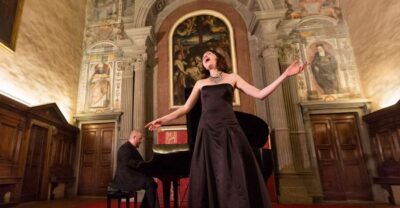
Santa Monaca Church Italian Opera Concert Ticket
Read our review →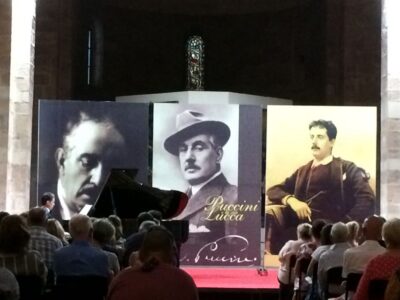
Puccini Festival Opera Recitals and Concerts
Read our review →
Opera Concert at Palazzo Poli – Fontana di Trevi
Read our review →
Taormina: Opera Performance in the Nazarena Theater
Read our review →
Italian Opera Night Concert by Candle Glow
Read our review →
Italian Opera Concert Ticket in Florence’s Santa Monaca Church
Read our review →
Browse the lists this tour appears in