
REVIEW · PORTUGAL
Porto: Live Portuguese Fado Experience with Port Wine
Fado na Baixa packs a surprising amount into one hour: live male and female singers, Portuguese guitar, short films, personal stories, Lisbon Fado, Coimbra Fado, and the influence of Amália Rodrigues. You get a cultural lesson, a concert, and a glass of Tawny Port without giving up an entire evening.
I like the small auditorium, where the singers and musicians feel close rather than distant on a large stage. I also like the clear structure, moving from Fado’s roots to its modern life, with the port tasting giving the evening a distinctly Portuguese touch.
The main consideration is that this is an introduction, not a full night at a traditional Fado house. Several songs are woven into video and explanation, and audience participation appears in parts of the show, so anyone seeking uninterrupted music may prefer another format.
Key points to know before booking
- One hour, carefully organized: The show gives you a fast, clear introduction to several Fado styles without taking over your evening.
- Both female and male singers: You hear different voices and see how each performer brings a different mood to the music.
- Lisbon and Coimbra traditions: The program explains the contrast between Lisbon Fado and the university-linked Coimbra style.
- Portuguese guitar in focus: You hear the distinctive instrument and learn about the playing techniques used in Lisbon and Coimbra.
- A glass of Tawny Port included: The tasting is part of the booking, not an extra purchase at the door.
- Accessible for many visitors: The licensed auditorium is wheelchair and stroller accessible, with service animals allowed.
Why this one-hour Fado show works in Porto
Fado is often described as Portugal’s sad or soulful music, but that shorthand misses much of its character. It is a style built around voice, guitar, longing, memory, and strong emotional expression. You do not need to understand Portuguese to feel the force of the singing, but a little context makes the performance far more meaningful.
That is the useful role of Fado na Baixa. Instead of asking you to arrive already familiar with the music, the show explains what you are hearing as it unfolds. Short videos and spoken material fill in the story between live performances. You learn about the instruments, the origins of Fado, and the way the music changed over time.
I especially like this format for a first visit to Portugal. A longer concert in a traditional setting may offer more music, but it may not explain the difference between the styles or the place of the Portuguese guitar. Here, the teaching is part of the evening rather than an optional extra.
The short running time is another practical advantage. At about one hour, the performance fits easily before dinner, after sightseeing, or between other evening plans. It is also a sensible choice for families, older visitors, and anyone who wants a cultural activity without committing to a late night.
More Fado Shows in Porto
- Porto: Live Fado Show with Glass of Port Wine
★ 4.8 · 6,498 reviews - Porto: Cálem Cellar Tour, Fado Show & Wine Tasting
★ 4.4 · 3,530 reviews - Porto: Fado & Port Wine in Traditional Portuguese Music Shop
★ 4.8 · 2,906 reviews
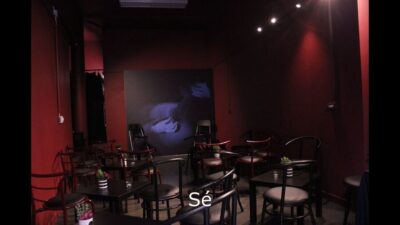
Inside Fado na Baixa’s small auditorium
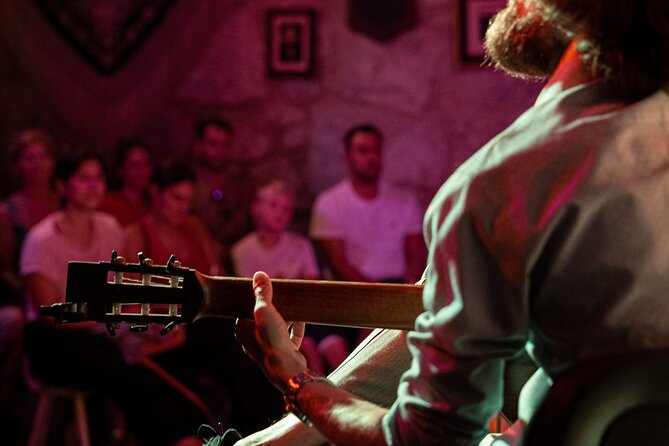
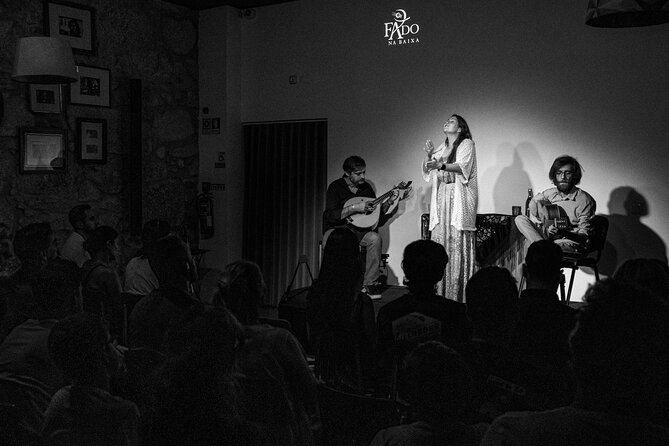
The setting is a small auditorium licensed specifically for live music and Fado. That matters because the format depends on closeness. You are not watching a huge production with elaborate scenery. The focus stays on the singers, the musicians, the instruments, and the story being told.
The venue is wheelchair and stroller accessible, and service animals are allowed. It is near public transportation, which makes it practical if you are moving around central Porto without a car. The auditorium also has air conditioning, a useful detail during warmer months or on a crowded evening.
The intimate arrangement has a clear benefit: facial expressions and small changes in voice are easier to notice. Fado relies heavily on emotional delivery, so being near the performers helps. The tradeoff is that the show can feel more like a presentation than a conventional concert, especially during the filmed sections.
You may also hear audience participation during parts of the program. Some people enjoy being invited to join in, while others come specifically for a serious, uninterrupted Fado recital. Keep that distinction in mind when choosing this performance.
The opening: traditional Lisbon Fado
The first musical section introduces traditional Lisbon Fado, the form most closely associated with the genre’s beginnings in Lisbon. The singer is supported by guitar, with the Portuguese guitar adding its bright, ringing sound around the vocal line.
The purpose here is not simply to play a song and move on. You get a sense of the style’s emotional weight and the way the singer uses phrasing, pauses, and expression. Even without understanding every word, you can follow the mood through the voice and the musicians’ responses.
This is where the performance works best as a first taste. You hear the classic sound before the program begins comparing it with other forms. The commentary and short video material also help explain why Fado became such an important part of Portuguese culture.
If you already know Fado well, this section may feel familiar. For most visitors, though, it gives you a useful starting point before the show moves into less familiar territory.
Portuguese guitar and a glass of Tawny Port
The Portuguese guitar receives special attention during the program. It is not simply background accompaniment. Its sound and playing style are central to the identity of Lisbon Fado, and the presentation gives you a chance to hear how it differs from a standard guitar.
The program also compares Lisbon and Coimbra playing techniques. That comparison adds value because it turns an attractive concert into a lesson in musical detail. You begin to listen for the differences rather than treating every song as the same kind of Fado.
During this portion, you taste a glass of Tawny Port. It is a modest inclusion, but a well-chosen one. Port connects the experience to Porto, and the tasting gives you a small sensory break between sections of music and explanation.
Do not expect a formal wine lesson or a broad tasting flight. This is one glass included with the performance. Its value is in the setting: you are hearing Portuguese music while trying a drink closely associated with the city and the Douro region.
Another night with a band on stage:
- Porto: What is Fado? Commented Live Concert with Port Wine
★ 4.8 · 2,839 reviews - Porto: An Intimate Fado Show in a Historical Tavern
★ 4.8 · 2,055 reviews - Porto: The highest-rated traditional fado concert (downtown)
★ 4.8 · 1,557 reviews - Porto: Intimate Fado Show & Port Wine in Trindade Noble Hall
★ 4.9 · 1,281 reviews
Coimbra Fado and the university tradition
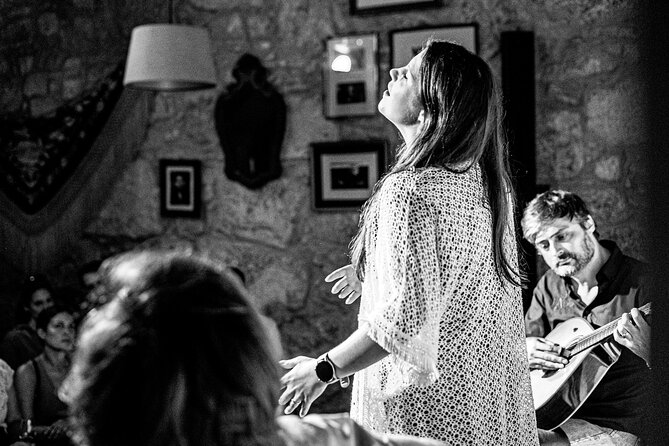
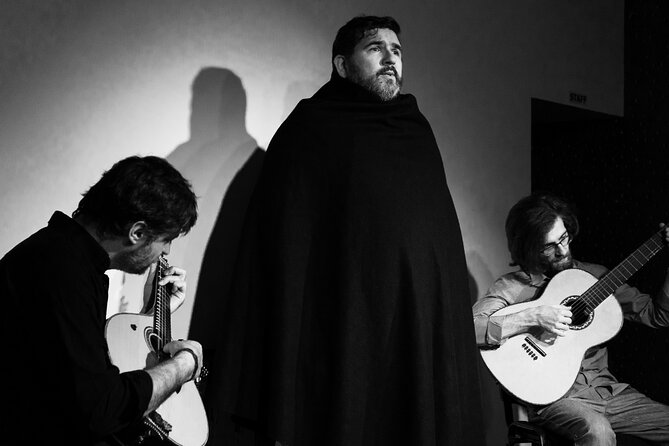
The next part introduces Coimbra Fado, a style with its own identity and traditions. It is sung live by a male performer who was formerly a student at the University of Coimbra, following the custom associated with this form.
This section helps prevent a common misunderstanding. Fado is not one single sound performed the same way across Portugal. Coimbra Fado has a distinct connection to university life and its own performance tradition. Hearing it beside Lisbon Fado makes that difference easier to grasp.
The male singer is an important part of the presentation because the program uses the performance itself to explain the tradition. You are not only told that Coimbra Fado is different, you hear the difference in the voice, phrasing, and overall character.
For visitors with limited time in Portugal, this contrast is one of the strongest reasons to choose this show. It gives you more than a generic sample of Portuguese music. It introduces two major forms in a single sitting.
Amália Rodrigues and the changing sound of Fado
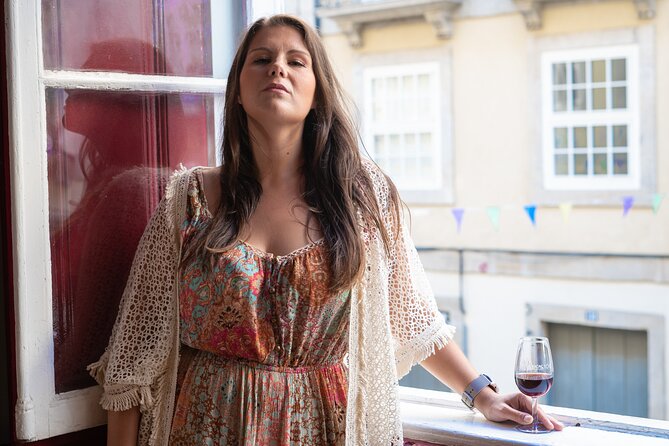
The show then turns to Amália Rodrigues, widely known as the queen of Portuguese Fado. Her importance is explained through the way she reshaped traditional Fado and carried it to a much wider audience.
This part gives the music a human timeline. You begin with older traditions, hear different regional and cultural forms, and then see how a major singer helped Fado reach new listeners. The program is not only about preserving an old style. It also asks how Fado continues to change.
That balance is valuable. Some cultural shows present tradition as something frozen in time. This one makes the point that Fado survives because singers and musicians continue to interpret it in new ways while keeping its core identity.
The use of video is especially helpful here. It gives the audience visual context between live numbers and helps explain the people, instruments, and traditions connected with the music. Still, if you want live singing for every minute, the filmed material may feel like a pause rather than an addition.
A closer look at the musicians and singers
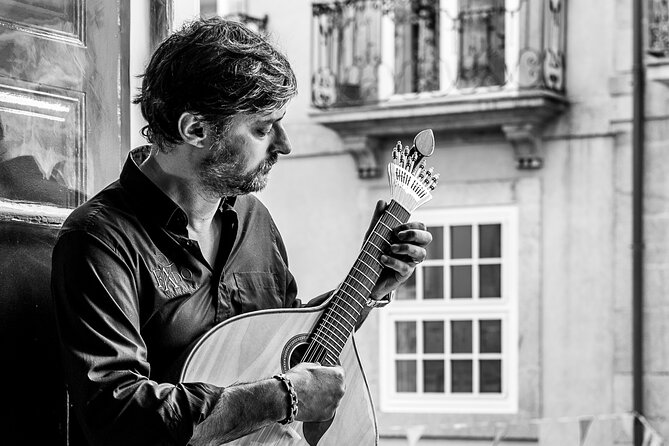
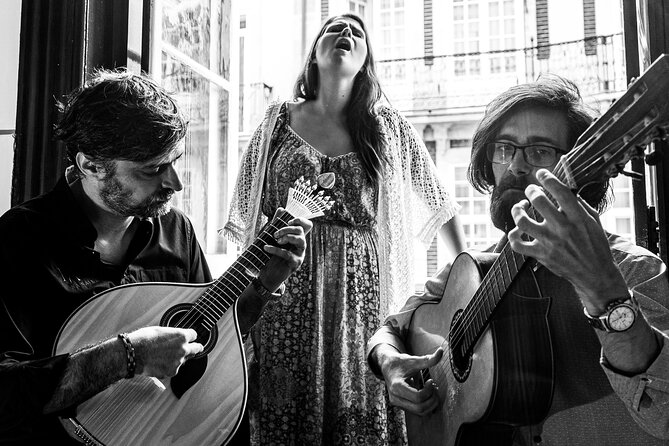
The performance uses four artists, including male and female Fado singers and highly skilled guitarists. Having both male and female voices gives the show more variety than a single-singer recital.
The musicians are not treated as hidden accompaniment. Their playing receives attention, particularly the Portuguese guitar and the techniques linked with Lisbon and Coimbra. The result is a better sense of how the instruments shape the mood of each song.
The quality of the singing is a major strength of the experience. The vocalists bring a strong emotional charge, and the small room makes the delivery feel direct. Fado can sound restrained one moment and forceful the next, and the close setting helps you notice those changes.
At the same time, this is not designed as an elite musicology lecture. The language is accessible, and personal testimonials appear in several languages. The presentation is aimed at visitors who want cultural understanding without needing prior knowledge of Fado.
Language, timing, and practical details
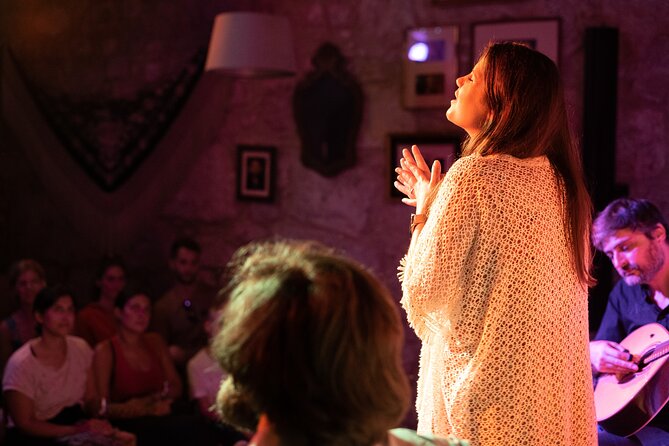
The show is offered in four languages, which reduces the worry that you will miss the meaning of the explanations. The songs themselves remain part of a Portuguese tradition, of course, and you may not understand every lyric. Still, the surrounding commentary gives you enough context to follow the main ideas.
One useful point is that melody and expression carry much of the performance. You can enjoy the singing even without translating every line. If understanding the precise meaning of each song is your top priority, check the language options when booking and pay close attention to the explanatory sections.
The experience lasts about one hour. It is short enough to fit into a busy Porto schedule, but long enough to include several musical styles. I would plan to arrive on time because the presentation moves through distinct sections and missing the opening could weaken the explanation of what follows.
The show is available with a mobile ticket, and confirmation is provided at booking. Group discounts may make it more appealing for families or friends traveling together. The published price is $19.35 per person, which I consider good value if you want both a live performance and a basic cultural orientation.
You are not paying for a full dinner, multiple wines, or a long concert. The price makes more sense as an affordable introduction. For the cost of a modest Porto activity, you get live music, a glass of port, a licensed venue, and an explanation of an important Portuguese tradition.
Who should book, and who should choose another show
I would recommend this experience to first-time visitors who want to understand Fado before seeking out a longer performance. It also suits people with only a few evenings in Porto, families, couples, and anyone who prefers a structured cultural presentation over an unframed concert.
It is a good fit if you like learning the basics while watching the subject in action. The combination of video, commentary, live music, and port makes the hour varied and easy to follow.
You may want another option if you want a full evening of uninterrupted singing. The program includes filmed material, explanations, and a few moments of audience participation. That format is central to the experience, not a minor detail.
I would also be cautious if you expect a nightlife setting with dinner and several drinks. Fado na Baixa is a performance in a small auditorium, not a meal-based evening. Its strength is focus and accessibility.
Cancellation is free up to 24 hours before the start time for a full refund. Changes or cancellations made inside that period are not accepted, and the experience requires a minimum number of participants. If that minimum is not met, you are offered another date or experience, or a full refund.
Is this Porto Fado experience worth booking?
Yes, if you want a compact and affordable introduction to Portuguese Fado. The best parts are the contrast between Lisbon and Coimbra styles, the male and female singers, the attention given to the Portuguese guitar, and the clear explanation of Amália Rodrigues’s influence.
Book it as a cultural primer, not as a long, traditional Fado night. At $19.35, one hour, and a glass of Tawny Port included, it offers solid value for a visitor who wants context as well as music. If you prefer uninterrupted live performance and no audience participation, choose a more concert-focused venue instead.
FAQ
How long does the Fado experience last?
The performance lasts approximately one hour.
What is included in the booking?
The booking includes admission to the live Fado performance and a glass of Tawny Port.
Which types of Fado are presented?
The program presents traditional Lisbon Fado and Coimbra Fado, along with information about Portuguese guitar techniques and the development of Fado over time.
Is the experience available in English?
Yes. The experience is offered in English, and the presentation is available in four languages.
Is the venue wheelchair and stroller accessible?
Yes. Fado na Baixa is wheelchair and stroller accessible. Service animals are also allowed.
Can I cancel for a full refund?
Yes. You can cancel at least 24 hours before the experience start time for a full refund. Cancellations or changes made less than 24 hours before the start time are not accepted.
Just added to the listings in Porto
- Fado Dinner Show and Night Lights Tour in Porto★ 4.5 · 25 reviews
- Porto Heritage Night Tour With Fado Show And Dinner Included★ 4.5 · 88 reviews
- Porto: Cruise with Dinner & Live Music★ 4.6 · 42 reviews
- Fado Tour with Guide, Dinner & Live Show in Porto★ 4.5 · 19 reviews
- Porto: Fado Live Music, Wine & Cultural Introduction★ 4.9 · 150 reviews
- “Porto: Fado Show with Guided Tour in a Historic Monastery”★ 4.9 · 164 reviews
- Porto: Cálem Cellar Tour, Live Fado Show and Wine Tasting★ 4.0 · 295 reviews
- Fado by Casa da Guitarra★ 5.0 · 438 reviews
Fado Shows, compared.
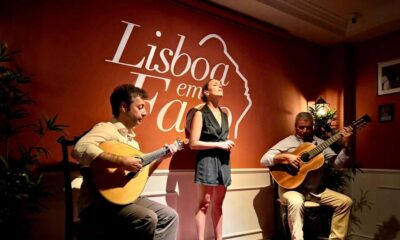
Live Fado Show with Port Wine at Lisboa em Fado
Read our review →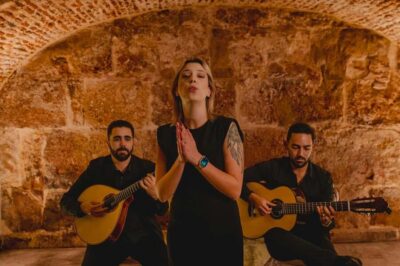
Fado Show and Wine inside Medieval Walls
Read our review →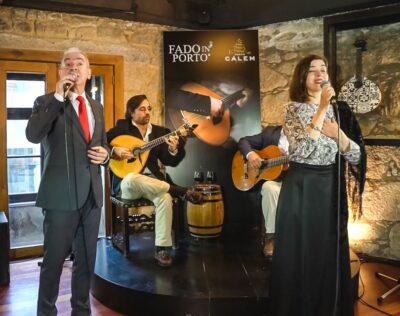
Cálem Cellar Tour, Fado Show & Wine Tasting
Read our review →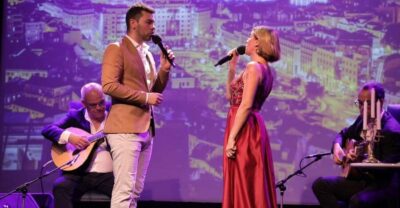
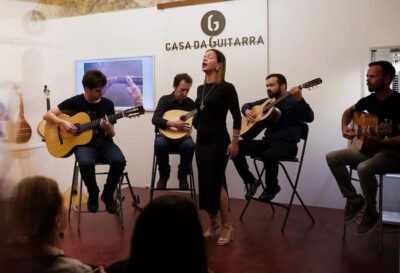
Fado & Port Wine in Traditional Portuguese Music Shop
Read our review →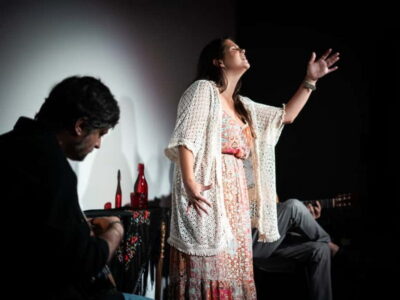
What is Fado? Commented Live Concert with Port Wine
Read our review →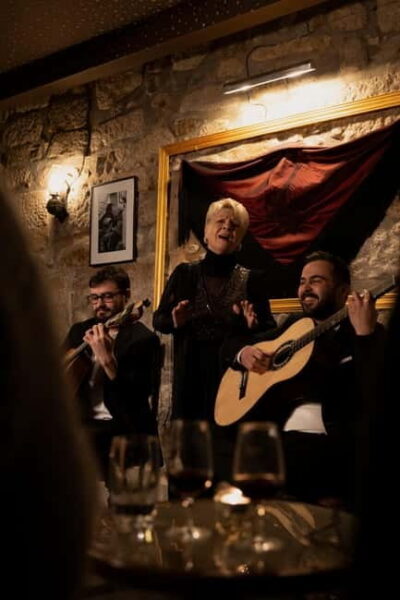
An Intimate Fado Show in a Historical Tavern
Read our review →Browse the lists this tour appears in