
REVIEW · CZECH REPUBLIC
Prague: Classical Music Concert at Rudolfinum
Prague’s Rudolfinum gives this concert its real appeal. You are not simply checking famous composers off a program. You are hearing familiar music inside one of the city’s grand cultural buildings, in the smaller Suk Hall, where the setting feels close and personal. The 65-minute program moves from Vivaldi’s Four Seasons to Mozart, Beethoven, Bizet, Ravel, and Smetana.
I like two things right away: the short running time fits neatly into a busy Prague day, and the $39 price is reasonable for a concert in such a celebrated venue. I also like the mix of well-known pieces, including Bolero, the Habanera from Carmen, and Vltava. The main consideration is that the exact soloists can change, so check your date if hearing Stanislava Jirků or a particular violinist matters to you.
Key Points at a Glance
- Rudolfinum’s Suk Hall: Hear the concert in an intimate room inside one of Prague’s best-known cultural buildings.
- A familiar 65-minute program: Vivaldi, Mozart, Beethoven, Bizet, Ravel, Handel, Pachelbel, and Smetana all appear.
- Acclaimed Czech musicians: Selected performances feature mezzo-soprano Stanislava Jirků and violinist Vlastimil Kobrle.
- Soloist schedule can change: September and October dates list Petr Zdvihal, Veronika Hajnová, and Stanislava Jirků on specific days.
- Simple evening logistics: Enter on the left side of the building, and the concert ends back at the same location.
- A flexible booking choice: Cancellation is free up to 24 hours before the concert, and reserve-now, pay-later booking is available.
Why Rudolfinum Makes This Concert Special
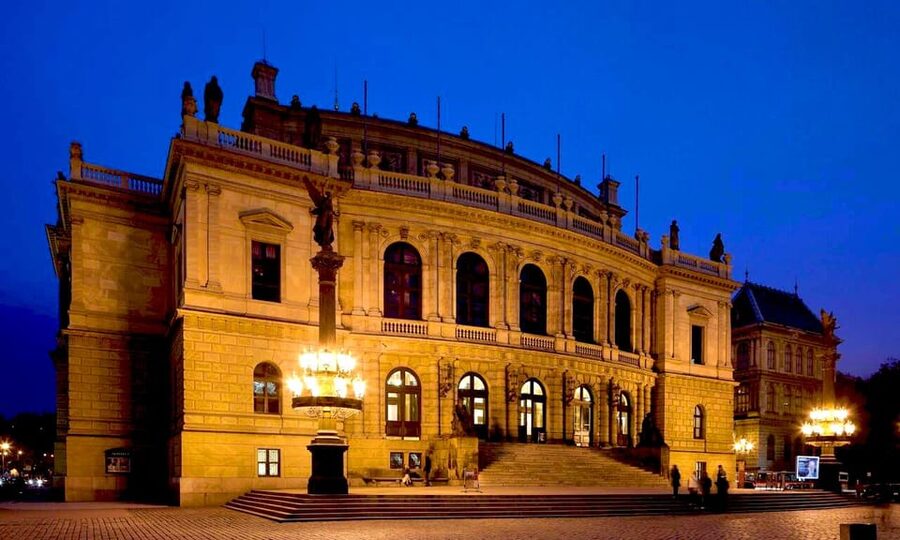
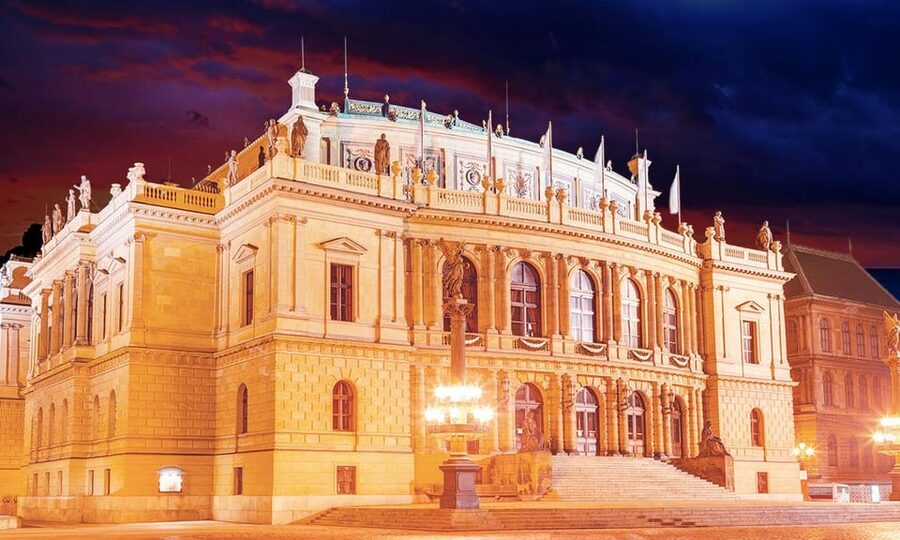
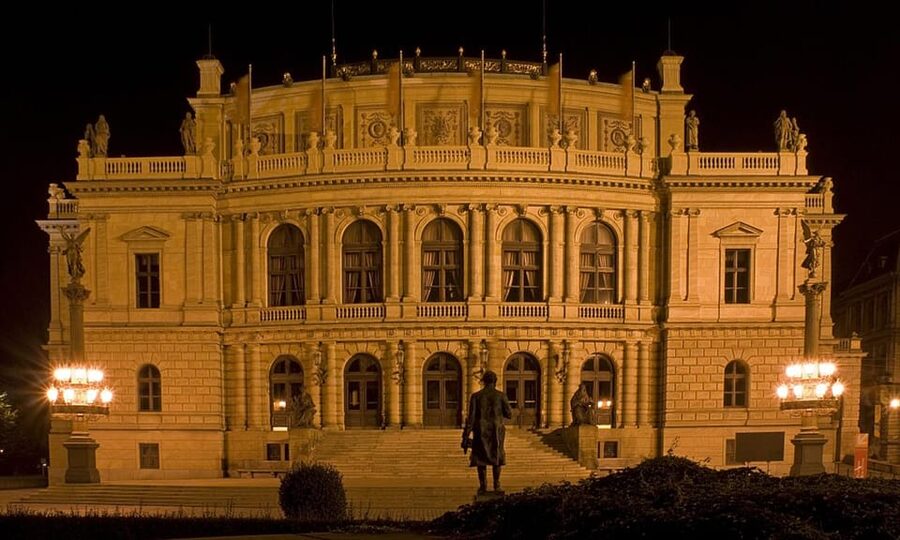
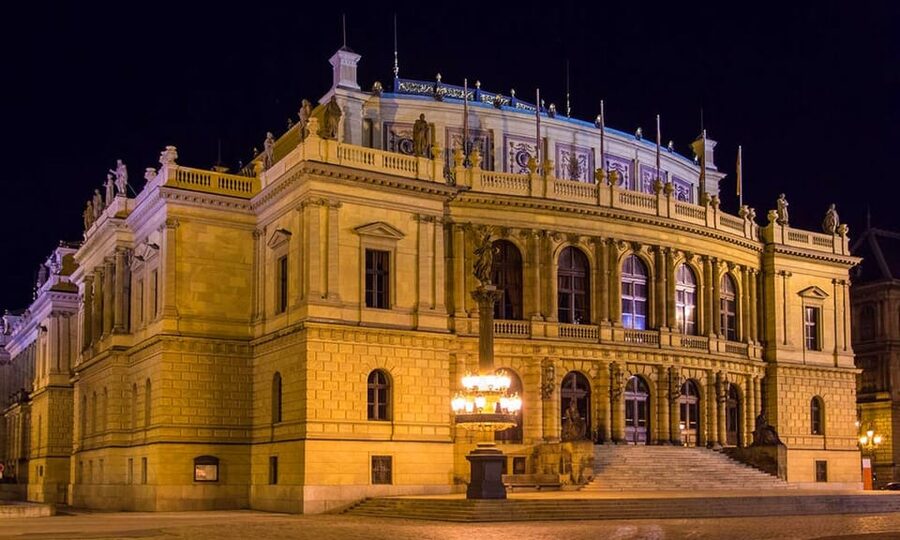
Rudolfinum sits in central Prague and has hosted cultural and artistic events for more than a century. Its architecture gives you a grand sense of occasion before a note is played, but this experience uses the smaller Suk Hall rather than presenting the concert as a huge, distant spectacle.
That distinction matters. In an intimate hall, a solo violin or a mezzo-soprano’s voice can feel like the center of the room. You are still attending a formal concert, but the scale is easier to appreciate if you are new to classical music or want something less demanding than a full-length symphony performance.
The hall is named for Czech composer Josef Suk. That detail gives the room a specifically Czech connection, rather than making it feel like a generic concert space placed inside an old building. You get an evening of European classics with a Prague setting attached.
I would plan to arrive with enough time to find the correct entrance. The meeting instructions direct you to the entrance on the left side of the building. The activity ends at the same place, so there is no separate return journey to arrange after the music.
More Classical Concerts in Czech Republic
- Prague: Entry Ticket Classical Concert at the Mirror Chapel
★ 4.7 · 4,636 reviews - Prague: Mozart Ballroom Concert Ticket with 3-Course Dinner
★ 4.8 · 1,200 reviews - Prague Castle: Midday Classical Concert at Lobkowicz Palace
★ 4.6 · 1,106 reviews
A 65-Minute Program Built Around Familiar Favorites
The program is designed for recognition. You do not need a music degree, or even much concert experience, to know several of these melodies.
The opening portion includes Vivaldi’s The Four Seasons, Spring and Summer. These two sections are especially approachable because the music suggests birds, heat, storms, and outdoor life through rhythm and instrumental color. Hearing only Spring and Summer keeps the program moving, though you will not get the complete four-part work.
Next comes Handel’s Largo from Xerxes. This is the calm pause in the program, with a broad, lyrical character that contrasts with Vivaldi’s more active writing. It gives the concert some breathing room before the sequence returns to instrumental and orchestral energy.
Pachelbel’s Canon and Gigue in D adds another widely recognized melody. The repeating structure of the Canon makes it easy to follow, while the Gigue brings a livelier close to the selection. The pairing works well for a short concert because it gives you both the slow, graceful side of Pachelbel and the quicker dance quality.
Mozart’s Salzburg Symphony K 136, Allegro shifts the mood again. This is bright, clean, and brisk, a useful contrast after Handel and Pachelbel. The program lists the Allegro movement rather than the entire symphony, which helps keep the concert within its 65-minute length.
Opera, Film-Like Drama, and a Czech Finale
The vocal section includes Bizet’s Carmen, Habanera. If Stanislava Jirků is appearing on your date, this is one of the clearest moments to hear her mezzo-soprano voice. She is a soloist from the Czech National Theatre and has performed with the BBC Symphony Orchestra, the Czech Philharmonic, and the Prague Philharmonic Orchestra.
That background gives the vocal selection some weight, but the program remains accessible. The Habanera is one of opera’s most recognizable numbers, so you can appreciate its character even if you have never seen Carmen in full.
After Bizet, Ravel’s Bolero builds through repetition. The piece begins with a simple rhythmic pattern and gathers force as instruments are added. In a short concert, it gives you a strong sense of progression without requiring a long work with several movements.
Beethoven’s Symphony No. 5, Allegro brings the most instantly famous opening in the program. The four-note motif is compact and forceful, and hearing it live shows how much a familiar passage can change when played by real musicians in a concert hall. Again, only the Allegro is listed, not the full symphony. That is useful to know if you want a complete Beethoven performance, but it also explains how this event can fit into a single hour.
The program closes with Bedřich Smetana’s Vltava, also known by its German title, Die Moldau. This is the most direct Czech touch in the program. Smetana’s music follows the Vltava River through the Bohemian countryside, giving the finale a clear connection to the country you are visiting.
For me, ending with Vltava makes good sense. You hear international favorites throughout the concert, then finish with music that points back to Czech identity and place.
The Musicians and Date-Specific Changes
The advertised highlights include violinist Vlastimil Kobrle, concertmaster of the Symphony Orchestra of Czech Radio. A concertmaster leads the violin section and has a prominent role, so the violin solo passages are an important part of the evening.
The schedule also lists changes for September and October 2024. On September 19 and 20, Petr Zdvihal is listed on violin with Stanislava Jirků as mezzo-soprano. On September 22, Zdvihal appears with mezzo-soprano Veronika Hajnová. October dates list Petr Zdvihal on violin.
This is practical information, not fine print. If you are choosing the concert partly to hear Jirků, confirm the date before paying. The same advice applies if the listed appearance by Kobrle is a deciding factor. The musicians are part of the experience, and the schedule indicates that the lineup is not identical for every performance.
The program itself appears to remain the main constant: major works by Vivaldi, Handel, Pachelbel, Mozart, Bizet, Ravel, Beethoven, and Smetana. A printed concert program is included, which helps you follow the order and identify each piece.
More Classical Concerts in Prague
- Prague: Classical Concert in the Spanish Synagogue
★ 4.7 · 1,104 reviews - Mozart Concert and Dinner in Prague
★ 4.5 · 492 reviews - Prague: Mirror Chapel Classical Music Concert Ticket
★ 4.8 · 295 reviews - Prague: Classical Concert at St. Giles’ Church
★ 4.8 · 241 reviews
Is $39 a Fair Price in Prague?
At $39 per person, I consider this a solid midrange cultural outing. You are paying for a ticket in a historic central venue, a 65-minute performance, a printed program, and access to professional Czech musicians. It is not the cheapest music event you might find in Prague, but the setting and concentrated program help justify the price.
The short duration also affects the value in a positive way. You can attend before dinner, after sightseeing, or between other evening plans without surrendering an entire night. If you are traveling with limited time, a 65-minute concert is easier to fit into your schedule than a full opera or symphony.
The tradeoff is that you receive excerpts and individual movements rather than complete large-scale works. You will hear Spring and Summer from The Four Seasons, one movement from Mozart’s Salzburg Symphony, one movement from Beethoven’s Fifth, and selected pieces from other works. If your goal is a full performance of one long composition, this may not be the right format.
If your goal is a polished introduction to classical music in an important Prague building, the price makes more sense. You get variety, a strong list of recognizable pieces, and a clear beginning and end without committing to a three-hour production.
Who Will Enjoy the Suk Hall Concert Most?
I would recommend this experience to you if you want classical music without a major time commitment. The program is friendly to first-time concertgoers because the pieces are well known and the printed program gives you a simple guide.
It also suits you if you are already familiar with classical music but want a compact evening of highlights. The mix is broad: baroque works from Vivaldi, Handel, and Pachelbel; classical Mozart and Beethoven; opera from Bizet; romantic-era Czech music from Smetana; and Ravel’s rhythmic orchestral showpiece.
The concert is also a good match for couples or solo visitors looking for a cultural pause in central Prague. Since the activity begins and ends at Rudolfinum, you do not need to coordinate transportation between multiple locations.
Families should note one firm rule: unaccompanied minors are not allowed. The experience is wheelchair accessible, but you should still pay attention to the entrance instructions and use the left-side entrance named for the event.
I would not choose this concert if you want a complete opera, a full symphony, or a long explanation of each composition from a guide. This is a performance ticket, not a walking tour or lecture. The focus stays on the music and the room.
Booking Flexibility and Practical Details
The ticket includes entry and a printed concert program. You do not need to arrange a separate transfer, since the meeting point and end point are both at Rudolfinum.
Starting times depend on the date you choose, so check availability before booking. That matters in Prague, where an early evening performance may fit neatly before dinner, while a later start could work better after a day of sightseeing.
You can cancel up to 24 hours in advance for a full refund. Reserve-now, pay-later booking is also available, which gives you some room to keep your schedule flexible. I still recommend checking the selected date carefully, especially if you are trying to hear a particular soloist.
The activity lasts 65 minutes. That time includes the performance itself, so think of it as a focused concert rather than an extended formal evening. There is no separate sightseeing portion inside Rudolfinum, no transportation, and no additional stop listed after the concert.
What the 4.7 Rating Tells You
The experience has a 4.7 rating from 24 reviews, and the strongest praise centers on the performance of popular classical works. That matches the design of the program: you get music that is immediately recognizable, played in a serious Prague venue, without a long commitment.
The positive response makes sense for someone who wants atmosphere and familiar melodies in equal measure. The concert does not ask you to study obscure works or understand a complicated theme before enjoying it.
Still, I would read the high rating in context. A short concert of famous pieces naturally appeals to a wide audience, while a dedicated classical listener may want a fuller program. The rating supports this as a dependable introduction and pleasant evening activity, not necessarily as a replacement for a major concert by a full symphony orchestra.
Should You Book This Rudolfinum Concert?
Book it if you want well-known classical music, a beautiful Prague venue, and a manageable 65-minute schedule. The strongest reasons are the intimate Suk Hall, the broad selection of famous works, and the chance to hear Czech musicians such as Stanislava Jirků, Vlastimil Kobrle, or Petr Zdvihal, depending on your date.
Before booking, check the soloist schedule and starting time. If you are happy with a highlights program rather than complete symphonies, $39 is a reasonable price for the setting and performance. If you want a full-length Beethoven symphony or a complete Carmen, choose a different kind of event.
For most visitors, I would treat this as an easy cultural win: central location, simple logistics, strong musical recognition, and enough Czech character to make it feel tied to Prague rather than interchangeable with a concert anywhere else.
FAQ
Where does the concert take place?
The concert takes place at Rudolfinum in Prague, in the intimate Suk Hall.
How long does the concert last?
The concert lasts 65 minutes.
How much does the ticket cost?
The listed price is $39 per person.
What music is included in the program?
The program includes works by Vivaldi, Handel, Pachelbel, Mozart, Bizet, Ravel, Beethoven, and Smetana. Listed pieces include parts of The Four Seasons, Handel’s Largo from Xerxes, Pachelbel’s Canon and Gigue in D, Mozart’s Salzburg Symphony K 136, Bizet’s Habanera, Ravel’s Bolero, Beethoven’s Fifth Symphony, and Smetana’s Vltava.
Will I hear Vivaldi’s complete Four Seasons?
No. The listed program includes Spring and Summer from Vivaldi’s The Four Seasons.
Who may perform as the violin soloist?
The advertised musicians include Vlastimil Kobrle and Petr Zdvihal. The listed September and October schedule identifies Petr Zdvihal on several dates, so check your selected date for the current lineup.
Is a mezzo-soprano included at every performance?
No. Stanislava Jirků and Veronika Hajnová are listed for specific dates, while the October schedule lists Petr Zdvihal on violin. Confirm the lineup when selecting your date.
What is included with the ticket?
Your ticket includes entry to the concert and a printed concert program.
Where should I enter Rudolfinum?
Use the entrance on the left side of the building.
Is the concert wheelchair accessible?
Yes, the activity is listed as wheelchair accessible.
Can an unaccompanied minor attend?
No. Unaccompanied minors are not allowed.
Can I cancel my booking?
Yes. You can cancel up to 24 hours in advance for a full refund. Reserve-now, pay-later booking is also available.
Just added to the listings in Prague
- Organ Concert in St Francis Church Admission Ticket★ 4.5 · 88 reviews
- Prague Super Saver: Lobkowicz Palace Concert plus Lobkowicz Palace Museum Entrance Ticket★ 4.5 · 77 reviews
- Prague Old Town Tour with a Classical Concert★ 5.0 · 7 reviews
- Wednesday Night Live Music and Cocktails Ticket in Kontakt Bar★ 4.0 · 7 reviews
- Lobkowicz Palace Concert in Prague Ticket★ 4.5 · 90 reviews
- Prague Reduta Jazz Club with Concert Ticket★ 4.0 · 42 reviews
- Classical Concert in St. Nicholas Church★ 3.0 · 39 reviews
- Classical Concert in Spanish Synagogue★ 4.5 · 97 reviews
Classical Concerts, compared.
Vivaldi’s Four Seasons Concert in Karlskirche
Read our review →
Classical Concert in the World-Famous Musikverein
Read our review →
Mozart Concert at the Musikverein – Golden Hall
Read our review →
Entry Ticket Classical Concert at the Mirror Chapel
Read our review →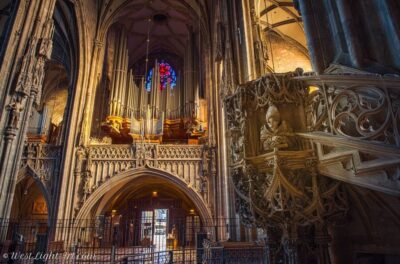
Classical Concert at St. Stephen’s Cathedral
Read our review →
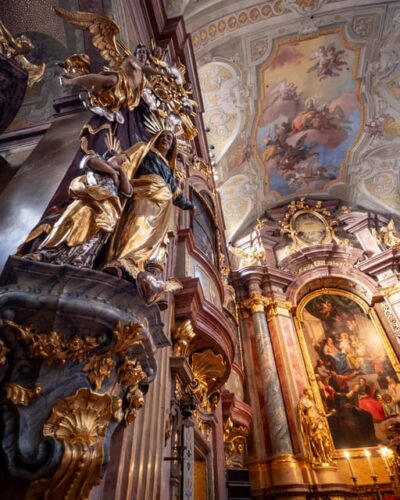
Classical Concert in St. Anne’s Church (Annakirche)
Read our review →
Mozart and Strauss Concert at Schönbrunn
Read our review →Browse the lists this tour appears in