
REVIEW · VARANASI, INDIA
Romantic Sunrise Boat with Live Banaras Gharana Classical music
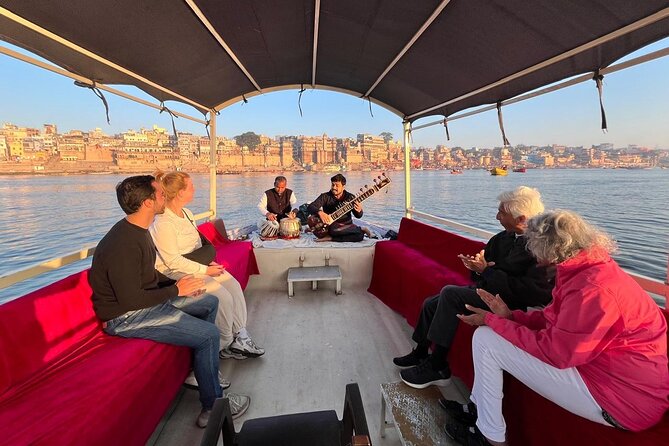
The best part of this two-hour sunrise cruise is the pairing of a quiet river ride with live Banaras Gharana classical music. As dawn spreads over the Ganges, you pass eight ghats, from Assi Ghat to Panchganga Ghat, with the city’s temples, palaces, shrines, and cremation fires forming the riverbank backdrop.
I like the small group limit of 10 and the fact that tea, coffee, water, a licensed guide, and all fees are included. The main drawback is the 5:00 am start, and the booking is non-refundable, so this suits you best if you can commit to an early morning and accept some weather risk.
Key points to know before booking
- Live classical music on the Ganges: Indian instrumental music sets the mood as daylight reaches the water.
- Eight ghats in about two hours: The route includes Assi, Tulsi, Shivala, Kedar, Dashashwamedh, Man Mandir, Manikarnika, and Panchganga.
- Small-group setting: The tour accepts a maximum of 10 people, which should make the boat ride more personal than a large group outing.
- A 5:00 am meeting time: You meet at BrijRama Palace by the Ganges, at Darbhanga Ghat.
- A serious cultural stop: Manikarnika Ghat is an active Hindu cremation site, so you should approach it quietly and respectfully.
- Aman may be your guide: The supplied information identifies Aman as a guide and trip planner praised for his help and local background.
Why a sunrise boat ride suits Varanasi
Varanasi is best understood from the Ganges. From street level, you see narrow lanes, shrines, shop fronts, and crowds. From the water, the city opens into a long procession of stone steps and riverside buildings. A boat ride lets you watch the ghats as one connected sacred shoreline rather than as separate sightseeing stops.
This tour begins before most of the city has fully stirred. The 5:00 am start is not a minor detail. You’ll need to organize your morning around it, but the early hour is also what gives the ride its calm feel. The changing sky and reflections on the river become part of the experience, rather than scenery squeezed into a busy daytime schedule.
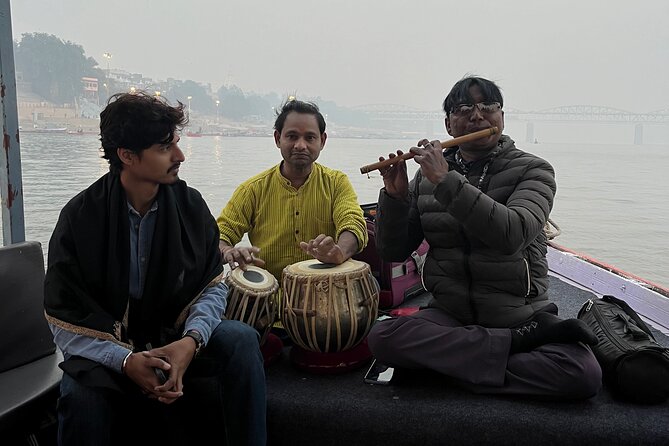
The live classical music adds a distinctly local touch. It is not simply background entertainment on a standard sightseeing boat. The music gives the ride a sense of occasion, especially as you pass places tied to prayer, pilgrimage, scholarship, royal patronage, and cremation.
The title calls this a romantic boat tour, but you do not need to be traveling as a couple. The format also suits friends, families, solo visitors, and anyone who wants a gentle cultural introduction to Varanasi. The mood is intimate without being limited to romance.
More Classical Concerts in the world:
- Vienna: Vivaldi’s Four Seasons Concert in Karlskirche
★ 4.7 · 14,951 reviews - Vienna: Classical Concert in the World-Famous Musikverein
★ 4.6 · 6,673 reviews - Vienna: Mozart Concert at the Musikverein – Golden Hall
★ 4.6 · 5,194 reviews
Starting at BrijRama Palace at 5:00 am
Your meeting point is BrijRama Palace by the Ganges, at Darbhanga Ghat in the Dashashwamedh area. The tour returns to this same meeting point at the end, and no hotel pickup or drop-off is included.
That arrangement matters. You’ll need to make your own way to the starting point using public or private transportation. The location is near public transportation, but the tour price does not cover that part of your morning. Plan this before bed, since a 5:00 am start leaves little room for confusion.
The activity lasts about two hours. Coffee or tea and bottled water are included, which is useful at this hour, especially if you have not yet eaten. The tour also includes a licensed guide, all fees and taxes, and live classical music.
The group limit is 10 people. That is small enough to keep the boat from feeling like a floating crowd, though the exact amount of personal space will depend on the boat used that day. If you are booking as a family or couple, the small capacity should help keep the atmosphere relaxed.
Assi Ghat and the first light
Assi Ghat is the southern starting point of the listed route and one of Varanasi’s best-known riverfront areas. It takes its name from the Assi River, which meets the Ganges here. The setting gives you a useful introduction to the city’s sacred geography, where a small waterway joins one of India’s most important rivers.
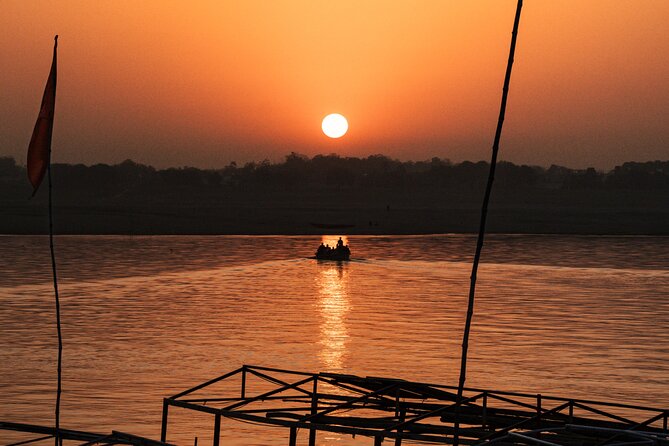
At this point, the sunrise is the main event. You may see the sky change from dark blue to pale gold while the boat moves along the river. The music should feel especially effective here, before the route reaches the more intense activity around the central ghats.
The planned stop is about 15 minutes. Do not expect a long shore visit at each location. This is a moving overview from the water, with short periods devoted to each ghat.
Tulsi Ghat and Shivala Ghat
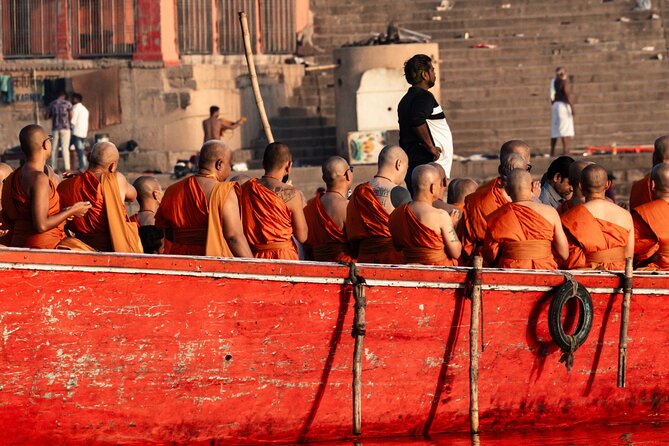
Tulsi Ghat is named for Tulsidas, the poet and saint associated with the Ramcharitmanas. That connection gives the ghat a literary and devotional character. It is a good reminder that Varanasi’s identity is not built only around temples and ceremonies. Poetry, storytelling, and religious writing are just as important to the city’s culture.
The boat then reaches Shivala Ghat, a quieter riverside area dedicated to Lord Shiva. Historic temples and old buildings surround the ghat, and the setting is described as more peaceful than some of the better-known central stops.
These two stops help balance the route. Assi and Dashashwamedh are famous names, but Tulsi and Shivala offer a slower look at the city. If you are hoping for a quick, tidy list of monuments, you may find the short viewing periods limited. If you prefer to watch the riverfront unfold, the pace works better.
More Morning Experiences in the world:
- Sydney: Sunrise Kayak, Opera House & Under Harbour Bridge
★ 5.0 · 869 reviews - New Orleans: Creole Queen Weekend Morning Jazz Cruise
★ 4.2 · 139 reviews - Sydney Sunrise Private Kayak – Opera House & Harbour Bridge
★ 4.7 · 14 reviews
Kedar Ghat and the city seen from the water
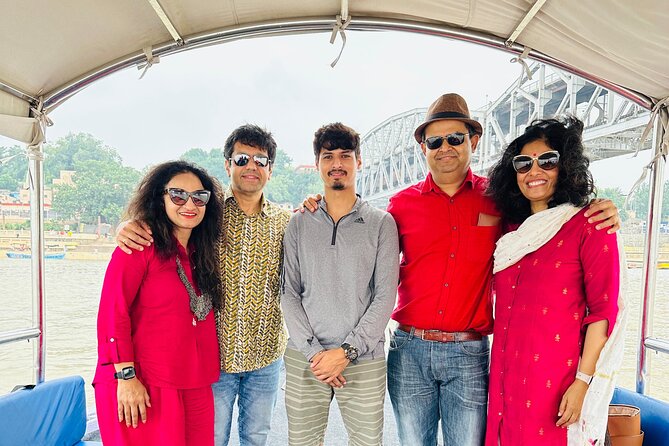
Kedar Ghat is associated with the Kedar Nath temple in the Himalayas. It is known for a calm setting and views over the Ganges. From a boat, you get the advantage of seeing the ghat’s steps and architecture as a complete scene, rather than looking up from street level.
This part of the ride is a chance to pay attention to the contrast among the ghats. Some feel ceremonial, some residential, some scholarly, and some connected to death rites. The river ties them together, but each has its own role.
A 15-minute stop sounds generous on paper, but the itinerary lists that length for each ghat within a two-hour activity. In practice, this should be understood as a series of short viewing periods during a continuous boat journey, not eight full guided walks. That is an important distinction when deciding if the tour matches your expectations.
Dashashwamedh Ghat and the heart of the route
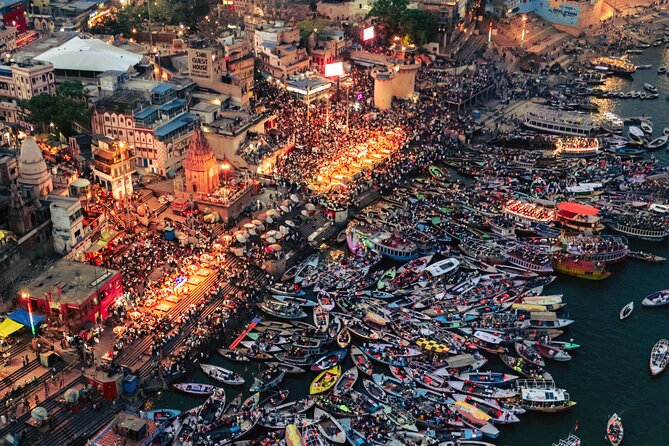
Dashashwamedh Ghat is one of the city’s main gathering places. It sits near the center of Varanasi and is known for its river views and religious activity. You may recognize it as one of the ghats most closely tied to the city’s public ceremonies.
The supplied tour details also refer to a morning arati, which may be part of what you see as the day begins. Since the exact timing and viewing conditions can vary, treat it as a possible feature rather than a guaranteed private ceremony. The boat gives you a useful position for observing the riverfront without standing in the middle of a crowd.
This is likely one of the most visually striking sections of the ride. It can also be one of the busiest. The appeal is the sense of watching Varanasi function as a living place of worship, not a preserved museum. The tradeoff is that the atmosphere may be less quiet than at Shivala or Kedar.
Man Mandir Ghat and the city’s scholarly side
Man Mandir Ghat was built in the 17th century by Maharaja Man Singh of Amber, a general of the Mughal emperor Akbar. Its architecture and historic associations give the stop a different feel from the major ceremonial ghats.
The ghat is also linked with observation of the sky and astronomy through the nearby Jantar Mantar observatory, although the supplied tour details focus on the ghat itself rather than promising an observatory visit. You should therefore expect to see the riverside architecture from the boat, not a separate interior tour.
This is where a guide can add real value. A good explanation of the buildings and their patrons helps you see why Varanasi is more than a collection of religious steps. The tour identifies Aman as a guide and trip planner, and the information supplied about him points to detailed explanations of the place and its past.
Manikarnika Ghat and respectful observation
Manikarnika Ghat is the most sensitive stop on the route. It is one of Varanasi’s main Hindu cremation sites and holds a central place in the city’s spiritual life. Many Hindu families regard cremation here as deeply significant.
You should keep your voice low, avoid treating the scene as entertainment, and follow the guide’s instructions. This is not a normal sightseeing viewpoint. The boat allows you to observe from the river, but distance does not remove the need for care.
Some people find this part of the ride difficult. That is not a reason to skip it, but it is a reason to know what you are signing up for. The tour presents Varanasi as it is, including its relationship with death and ritual. If you want only scenic views and music, this stop may feel too serious.
Panchganga Ghat and the ride back
The final listed stop is Panchganga Ghat, a sacred location where five rivers are believed to meet: the Ganges, Yamuna, Saraswati, Godavari, and Krishna. Whether understood literally, symbolically, or through religious tradition, the belief gives the place a strong spiritual identity.
Panchganga is a fitting end to the route because it brings the focus back to sacred geography. After passing ceremonial, historic, residential, and cremation ghats, you finish at a place defined by the meeting of holy waters.
The boat then returns to the original meeting point. Since the activity takes about two hours, you should have time afterward for breakfast or further sightseeing, though the exact finish time will depend on the pace of the morning and the river conditions.
What the music adds
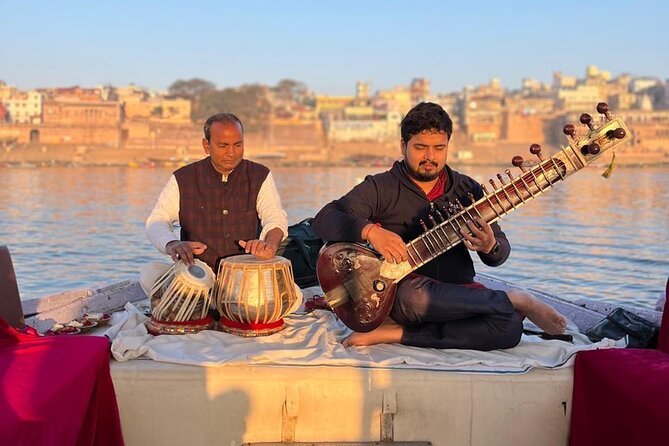
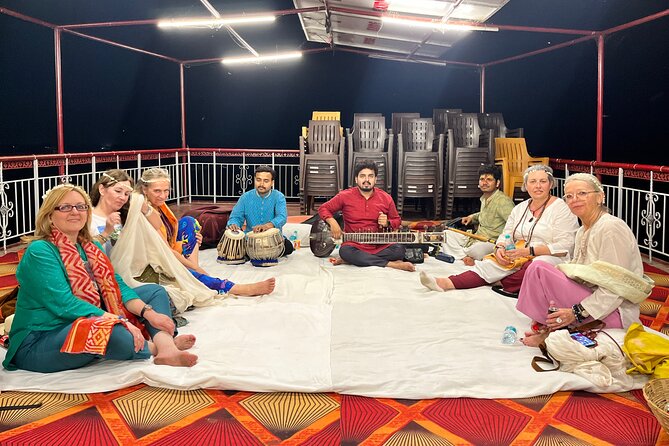
The live Banaras Gharana classical music is the feature that separates this outing from a basic sunrise cruise. Banaras has a major place in North Indian music, and hearing live performance beside the river connects the sound to the setting.
The supplied experience information describes talented musicians playing during the ride, and one account specifically refers to ethnic Indian instrumental music during a morning boat trip. The exact instruments are not specified, so I would not book this expecting a particular performer or musical lineup.
Instead, think of the music as a live cultural layer. The river, dawn colors, and old ghats already provide the setting. The music slows your attention and gives you something to listen to while the boat moves between stops.
This is also why the tour may appeal to someone who has already seen Varanasi’s ghats from land. You are not only changing the viewpoint. You are adding a performance and a carefully timed morning atmosphere.
Is the $57.35 price good value?
At $57.35 per person, this is not the cheapest way to get onto the Ganges. A basic shared boat ride can cost less, depending on local arrangements. The fair comparison, however, is not simply boat against boat.
This price includes a licensed guide, live classical music, tea or coffee, bottled water, all fees and taxes, and a roughly two-hour route covering eight notable ghats. It also keeps the group to no more than 10 people. If those elements matter to you, the price is easier to justify.
You are paying for a planned cultural experience rather than an unstructured ride. The value is strongest if you want context, music, and a small group. It is weaker if you only want to sit on the river for sunrise and do not care about the guide or music.
The lack of transportation is the main extra cost to remember. You must reach BrijRama Palace on your own, and the tour ends there. The price is therefore best viewed as the cost of the boat experience itself, not a door-to-door morning package.
Who should book this morning cruise?
I would recommend it for couples who want a special start to the day, but the name should not put off other types of visitors. Families, friends, solo visitors, and older participants can all take part, and most people are eligible to join.
It suits you especially well if you:
- Want to see several ghats in one compact outing
- Like live music and cultural explanation
- Prefer a group of 10 or fewer
- Can reach the meeting point before 5:00 am
- Are comfortable observing serious religious sites
- Want tea, water, and a guide included
You may want a different boat ride if you dislike early mornings, need hotel pickup, want a long private cruise, or prefer not to pass an active cremation ghat. The tour is also a poor fit if your schedule may change, since the booking cannot be refunded or amended.
The activity requires good weather. If poor weather forces a cancellation, you are offered another date or a full refund. If the minimum number of people is not reached, you are offered another date or experience, or a full refund. Those protections help, but they do not remove the need to plan carefully.
My recommendation
Book this tour if you want Varanasi presented through several senses at once: dawn light, river views, sacred architecture, local music, and a guide’s explanation. The small group and included refreshments make it more comfortable than arranging every part on your own.
Before paying, make sure you can reach BrijRama Palace by 5:00 am and that you are at ease with the visit to Manikarnika Ghat. If you can, the combination of live classical music and a full stretch of Varanasi’s riverfront gives you a memorable, well-focused morning.
FAQ
Where does the boat tour begin?
It begins at BrijRama Palace by the Ganges, at Darbhanga Ghat in Dashashwamedh, Bangali Tola, Varanasi.
What time does the experience start?
The scheduled start time is 5:00 am.
Where does the tour end?
The activity ends back at the original meeting point.
How long does the boat tour last?
The experience lasts approximately two hours.
How many people can join the tour?
The maximum group size is 10 travelers.
Which ghats are included?
The route includes Assi Ghat, Tulsi Ghat, Shivala Ghat, Kedar Ghat, Dashashwamedh Ghat, Man Mandir Ghat, Manikarnika Ghat, and Panchganga Ghat.
Is food or drink included?
Coffee and/or tea and bottled water are included.
Is transportation to the meeting point included?
No. Pickup and drop-off by public or private transportation are not included.
What happens if bad weather cancels the tour?
If poor weather causes cancellation, you are offered a different date or a full refund.
Just added to the listings in the world
- Wine, Jazz and Magic: A Night at Malkhaz Jazz Club★ 5.0 · 2 reviews
- Warsaw: Guided Walking Tour with a Private Chopin Concert★ 5.0 · 13 reviews
- Wrocław: Chopin & Friends piano concerts★ 4.6 · 28 reviews
- Viva Blackpool: ABBA Bottomless Brunch with Live Music★ 5.0 · 2 reviews
- Warsaw: Candlelight Concert at Fryderyk Concert Hall★ 4.7 · 110 reviews
- Warsaw: Chopin Concert Ticket With Glass of Champagne★ 4.7 · 59 reviews
- Vienna: Sunday Brunch Danube Cruise & Live Music★ 4.2 · 42 reviews
- Vienna Supreme Orchestra at Palais Niederösterreich★ 4.8 · 10 reviews
Classical Concerts, compared.

Vivaldi’s Four Seasons Concert in Karlskirche
Read our review →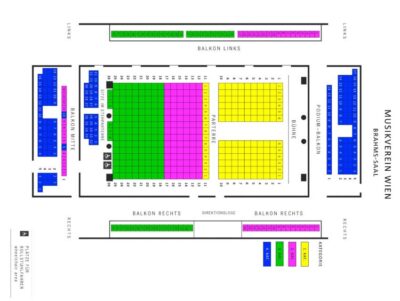
Classical Concert in the World-Famous Musikverein
Read our review →
Mozart Concert at the Musikverein – Golden Hall
Read our review →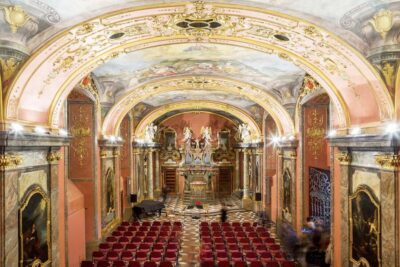
Entry Ticket Classical Concert at the Mirror Chapel
Read our review →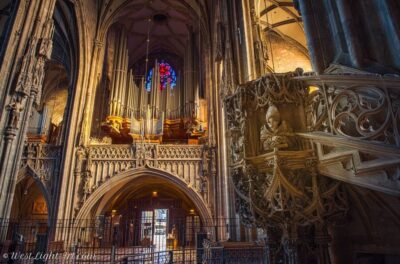
Classical Concert at St. Stephen’s Cathedral
Read our review →
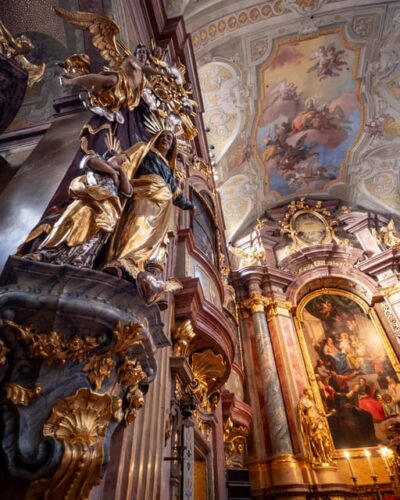
Classical Concert in St. Anne’s Church (Annakirche)
Read our review →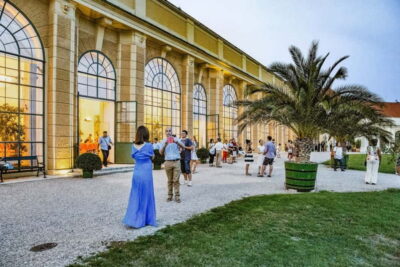
Mozart and Strauss Concert at Schönbrunn
Read our review →Browse the lists this tour appears in