
REVIEW · ITALY
Rome: Capuchin Crypt & Museum Tour with Choral Concert
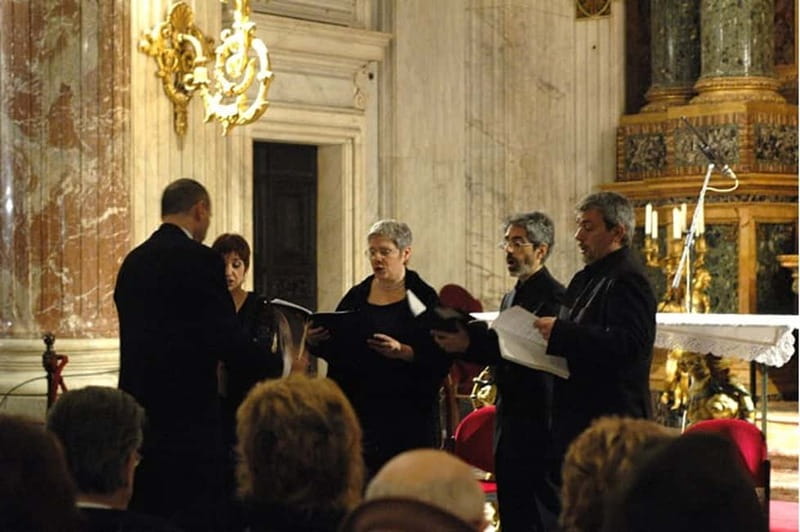
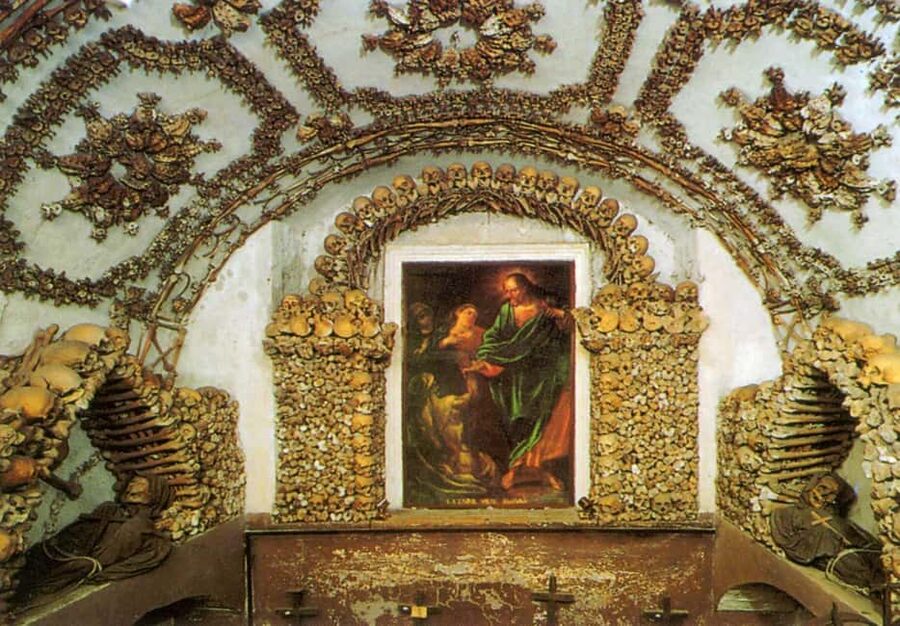
The bones come first in your imagination, but the music may be what stays with you. This compact Rome experience pairs a 4:45 p.m. Gregorian and polyphonic concert with the eerie Capuchin Crypt, where the bones of about 4,000 Capuchin monks decorate several underground chambers.
I like the smart pairing of sound and place. The Schola Romana Ensemble sings in the old Capuchin convent, while the museum adds paintings by Caravaggio and Domenichino. I also like the choice between an audioguide and a small group of no more than 10 people with an art historian. The drawback is time: 75 minutes is enough for an introduction, concert, and crypt visit, but not enough for a slow look at everything.
Key points to know
- A rare concert setting: Hear Gregorian chant and Roman polyphony inside the Hall of the Capuchin Convent.
- A memorable crypt: See chapels decorated with the bones of roughly 4,000 Capuchin monks.
- A major Caravaggio: The museum displays St. Francis in Meditation.
- Two tour styles: Pick a 13-language audioguide or a small guided group capped at 10 people.
- Strict arrival time: Admission runs from 4:15 to 4:40 p.m., and late entry after 4:45 p.m. is not allowed.
- Optional Roman meal: Add a three-course dinner at Il piccolo Vicolo near Piazza Navona and Largo Argentina.
Why the concert and crypt work so well together
Rome has no shortage of churches, paintings, and musical performances. This outing works because the parts belong together. The concert introduces the spiritual world of the Capuchin Order through sound, then the museum and crypt show how that world was expressed through art, prayer, and the treatment of the dead.
The program alternates ancient Gregorian chant with polyphony from the Roman School. You may hear works connected with Giovanni Pierluigi da Palestrina, one of the central names in Roman sacred music. The singing is a cappella, so there is no instrumental layer to soften the voices. That gives the music a spare, direct quality that suits the setting.
The concert takes place in the Hall of the Capuchin Convent, not in the church itself. An English introduction explains the program before the singing begins. That small bit of context matters, since the music can otherwise feel remote if you do not know what you are hearing.
The musical setting is one of the strongest reasons to book this experience. The singers are trained professionals, and the concert has been praised for its beauty and emotional force. I would not choose this for a lively evening show. I would choose it for a quiet, serious hour in which the setting and music are the main event.
More Museums in Rome:
- Venice: Vivaldi’s Four Seasons Concert & Music Museum Visit
★ 4.8 · 2,065 reviews - Vienna: Classical Concert at Mozarthaus with Museum Entry
★ 4.8 · 371 reviews - Chopin Piano Concert at Chopin Gallery with a Glass of Wine
★ 4.5 · 283 reviews
Meeting on Via Veneto at the right entrance
You meet at Casa per Ferie I Cappuccini, Via Veneto 21. Staff wait at street level in front of the bus stop. This is not the same entrance as the Capuchin Museum, so give yourself time to find the correct door.
The suggested arrival window is 4:15 to 4:40 p.m. The concert starts at 4:45 p.m., and no one is admitted after that time. Arriving about 30 minutes early is the safest plan, especially if you are unfamiliar with Via Veneto or are coming from another part of central Rome.
This location is convenient. The convent is only a short distance from Piazza Barberini, and Via Veneto is one of Rome’s best-known streets. It also has a film connection: Federico Fellini used the street as a setting in La Dolce Vita. The tour itself does not visit film locations, but the address gives you an easy way to place the experience in the center of Rome.
Transportation to the meeting point is not included. You will need to reach Via Veneto on your own. Since the first part of the activity is time-sensitive, do not cut your arrival too close.
The 4:45 p.m. Schola Romana concert
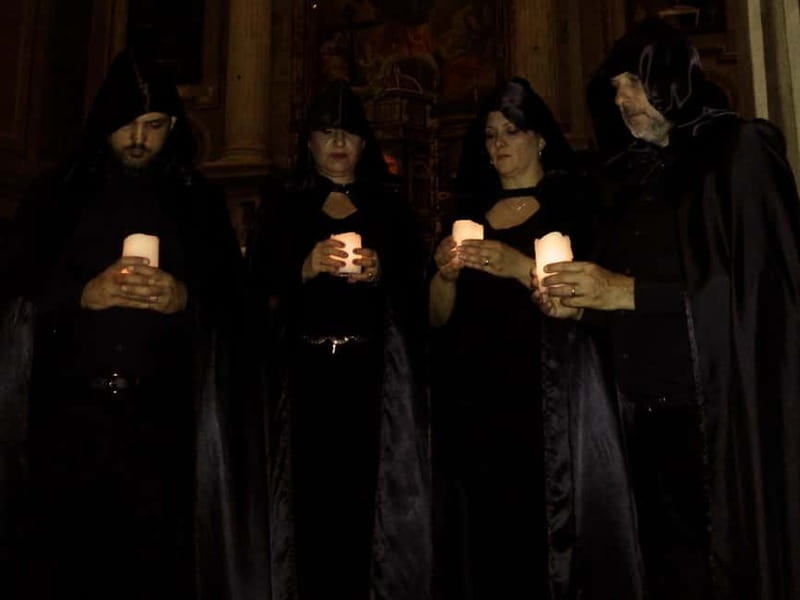
The concert begins with an introduction in English to the musical program. Then the Schola Romana Ensemble presents Gregorian chant and sacred polyphony from the Roman School.
Gregorian chant is the oldest form of Western music included in the program. Its single melodic lines can sound almost weightless, especially in a room linked to centuries of religious life. The later polyphonic works add several vocal parts at once, creating a fuller sound while keeping the focus on the human voice.
Palestrina’s connection to Roman sacred music makes him a natural part of the program. You do not need a background in music to follow the contrast. Gregorian chant feels spare and ancient. Polyphony is more layered and composed. Hearing both in one short concert gives you a useful sense of how sacred music changed over time.
Photos without flash are allowed during the concert, but videos are not allowed. If you want to remember the experience, focus on listening rather than trying to record it. The atmosphere is the point, and a phone screen would work against it.
The concert has been praised as one of the most successful parts of the outing. The singers have also met groups after the performance, although you should not treat that as a guaranteed part of the schedule. The important point is that this is a proper vocal concert, not background music added to a museum visit.
The Capuchin Museum and Caravaggio’s Saint Francis
After the concert, the museum and crypt visit begins at about 5:30 p.m. You can choose a self-guided visit with an audioguide in one of 13 languages, or a guided visit with an art historian for a group of no more than 10 people.
The museum occupies rooms in the old Capuchin convent, built in 1631 on the commission of Pope Urban VIII Barberini. The convent was dedicated to his brother, Capuchin Cardinal Antonio Marcello Barberini. That setting gives the museum a direct connection to the religious order whose story it presents.
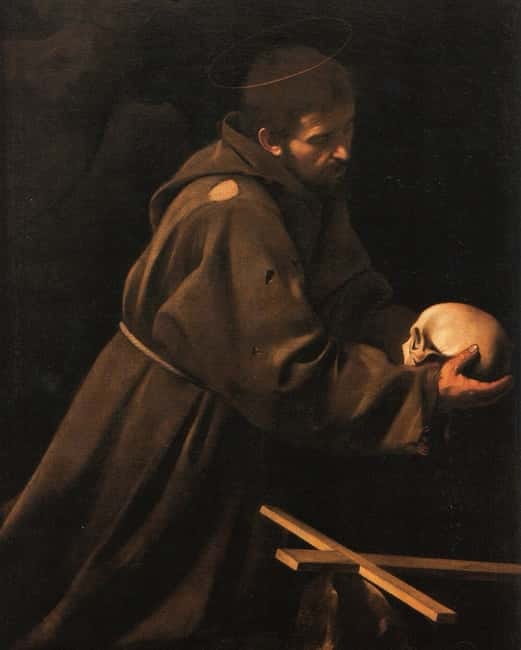
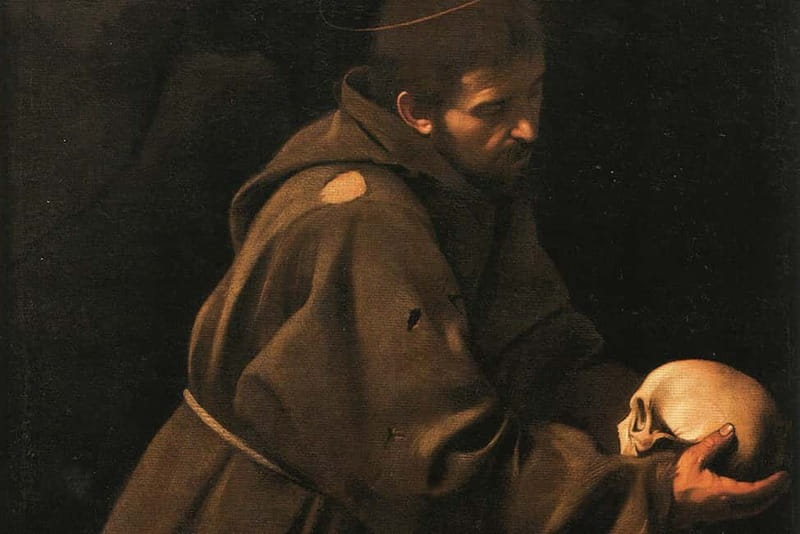
One of the major works here is Caravaggio’s St. Francis in Meditation. Caravaggio’s treatment of Saint Francis is intimate rather than grand. The painting fits the tone of the museum because it focuses on humility, mortality, and private devotion instead of ceremony.
Works by Domenichino and Reni add to the art collection. You will not get the scale of the Vatican Museums or the Borghese Gallery, but that is not the purpose. This is a focused collection tied to the Capuchin convent and its religious tradition.
The museum explains the heritage of Saint Francis, the formation of the Capuchin Order, and the order’s philosophy. That background helps make sense of the crypt. Without it, the bone decorations can seem like a macabre display. With it, they become part of a larger reflection on mortality, humility, and the temporary nature of physical life.
More Live Music in Rome:
- Rome: “The Most Beautiful Opera Arias” Concert
★ 4.3 · 2,495 reviews - Rome: Opera Concert at Palazzo Poli – Fontana di Trevi
★ 4.7 · 1,026 reviews - Rome: The Three Tenors at St. Paul’s Church Concert Ticket
★ 4.7 · 699 reviews - Rome: Italian Opera Night Concert by Candle Glow
★ 4.6 · 630 reviews
Entering the bone-lined Capuchin Crypt
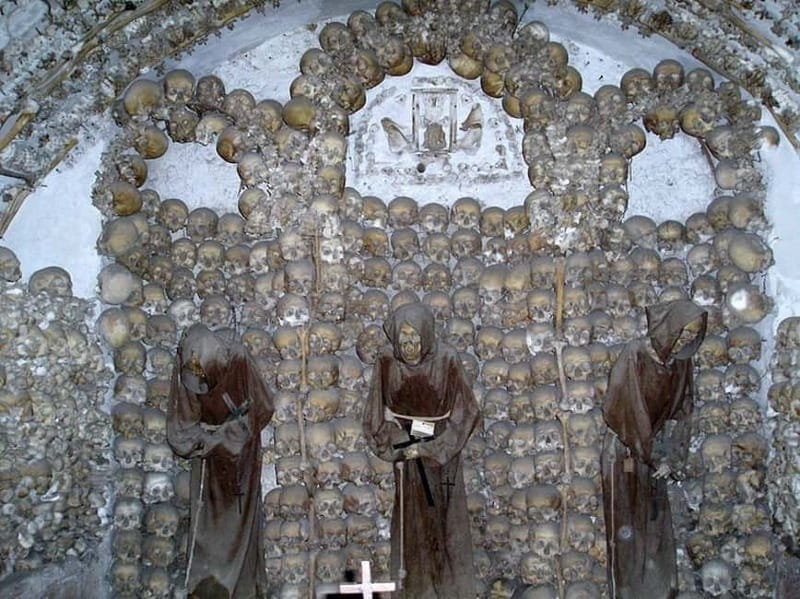
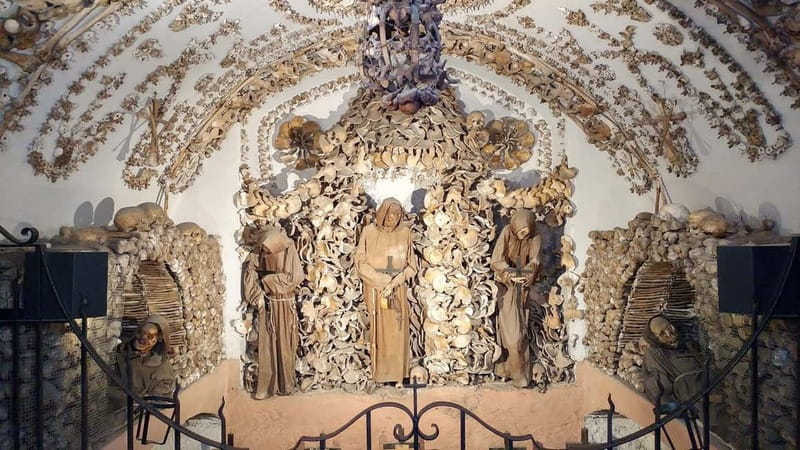
The crypt is the most unusual stop. The bones of approximately 4,000 Capuchin monks were arranged to decorate the underground chambers. Skulls, bones, and other remains form patterns and details throughout the space.
This is not a conventional tomb visit. The remains are part of the room’s design, so the effect is both unsettling and carefully composed. Some people will find it fascinating. Others may find it too stark or uncomfortable. You should know your own reaction before booking, especially if you prefer lighter sightseeing.
The chambers are not large. A tour group can feel cramped, and you may need to keep moving rather than pause wherever you like. The small guided option helps by limiting the group to 10, but it cannot make the rooms larger.
I would allow yourself to look closely without expecting a long stop at every section. The crypt contains more detail than the short schedule allows. Several visitors have wished for more time there, and I understand why. The visit is memorable partly because it leaves you wanting to examine the symbolism more carefully.
Photography and video rules are clear. Photos and videos without flash are allowed in the crypt and museum, but video is never allowed. Follow any instructions given inside, and remember that the space is still a religious site, not simply an unusual photo stop.
Audioguide or art historian?
The standard option gives you an audioguide in 13 languages for the museum and crypt. This is the practical choice if you want to control your pace or need a language other than English. It also keeps the experience simple after the concert.
The guided option uses an art historian and limits the group to 10 people. I would choose this if Caravaggio, religious art, and the symbolism of the crypt are central reasons for your visit. A live guide can connect the painting, the Capuchin Order, and the bone chambers in a way an audio device may not.
There is one small equipment concern. An audio device has produced static noise during some visits. It was only a minor nuisance, but it is worth knowing if you are deciding between the two formats.
The guided visit may also be the better choice for anyone who wants to ask questions. The schedule is short, so a live guide cannot provide an hour-long art lecture. Still, the small group should give you a more personal explanation than a large walking tour.
How much value do you get for $88.36?
At $88.36 per person, this is not a budget museum ticket. Its value depends on how you measure the evening.
You are paying for the museum and crypt entrance, the concert, an English introduction to the music, and either an audioguide or a small guided visit, depending on the ticket. You are also paying for a carefully matched experience in a central location, rather than separate admission to a crypt and a standard concert.
The concert is the strongest value if you enjoy sacred music. A good vocal performance in the convent hall gives the visit a sense of occasion that a basic museum entry would not provide. The crypt and Caravaggio painting then give you something visual and historical to explore.
The standard ticket makes more sense if you want the main experience without a meal. Dinner options add a three-course Roman meal at Il piccolo Vicolo, with water and one bottle of wine for every two people. The meal includes choices such as supplì and cold cuts, pasta alla amatriciana, carbonara, or gricia, and a main course such as saltimbocca alla romana or sea bass.
Dinner is served near Piazza Navona and Largo Argentina, not at the museum. Transportation from the convent to the restaurant is not included, so you must arrange it yourself. The walk to Piazza Barberini followed by a taxi or bus is suggested, but the transfer still takes planning after the concert.
I would add dinner only if you already want a Roman meal and like the convenience of having one arranged. If your priority is the crypt and concert, the standard or VIP ticket keeps the evening more focused.
Timing, dress, and practical details
The core activity lasts about 75 minutes, with the concert at 4:45 p.m. and the museum and crypt visit at approximately 5:30 p.m. The schedule is tight, but it fits well into a day that continues into dinner elsewhere.
Dress modestly. Shorts, short skirts, and sleeveless shirts are not allowed. This is a useful reminder that the experience takes place in a religious setting, even though part of it feels like a museum visit.
The visit does not include the Church of the Immaculate Conception. The Capuchin church is next to the convent, but you should not assume it is part of your ticketed visit. The tour ends back at the original meeting point.
Free cancellation is available up to 24 hours in advance, and you can reserve now and pay later. Those terms help if your Rome schedule is still shifting, but the strict concert admission time remains the key practical issue.
Who should choose this Rome experience?
I would recommend it to you if you want something more focused than another large church or major museum. It suits people interested in sacred art, early Christian Rome, Gregorian chant, the Capuchin Order, or unusual funerary traditions.
It is also a good fit if you want a central activity that does not require a half-day trip outside Rome. Unlike catacomb visits that can take several hours and require transport beyond the center, this crypt is close to Piazza Barberini and easy to combine with other sights around Via Veneto.
Families should consider the tone carefully. The bones are real, and the crypt can feel intense. Children who are curious about history and art may find it memorable, while younger children may not enjoy the subject or the quiet concert.
I would also skip this experience if you need a relaxed schedule. The arrival window is firm, the concert cannot be entered late, and the museum visit moves quickly. This is a compact cultural program, not a flexible drop-in attraction.
Should you book the Capuchin Crypt concert?
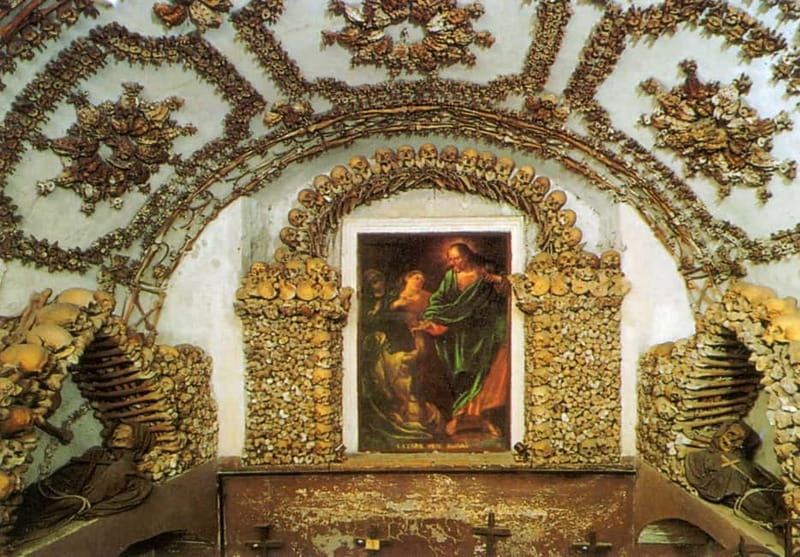
Book it if you want music, art, and mortality in one carefully connected visit. The concert is the part most likely to surprise you, while the crypt provides the unusual image you probably expect. Caravaggio gives the program an important artistic anchor.
Choose the small-group art historian option if interpretation matters to you. Choose the audioguide if you prefer independence or need one of the 13 available languages. Add dinner only if you want to continue the evening with Roman food and are prepared to arrange the short transfer yourself.
At $88.36, the experience asks more than a simple crypt admission, but it offers more than that admission too. For a visitor seeking a short, central, serious, and memorable Rome activity, the combination is worth considering. Just arrive early, dress properly, and leave room in your expectations for a quick visit rather than an unhurried museum tour.
FAQ
Where does the experience begin?
Meet at Casa per Ferie I Cappuccini, Via Veneto 21, at street level in front of the bus stop. This is a different entrance from the Capuchin Museum.
What time should I arrive?
Admission takes place from 4:15 to 4:40 p.m. The concert starts at 4:45 p.m., and late admission after 4:45 p.m. is not allowed. Arriving about 30 minutes early is recommended.
Is the concert included in every ticket?
Yes. Every ticket includes the 4:45 p.m. a cappella concert in the Hall of the Capuchin Convent and an introduction to the musical program in English.
Can I choose between an audioguide and a live guide?
Yes. The standard option includes an audioguide in 13 languages. The VIP option includes a guided museum and crypt visit with an art historian for a group of no more than 10 people.
Are photos allowed?
Photos and videos without flash are allowed in the crypt and museum. Photos without flash are allowed during the concert, but videos are not allowed at any time.
Is dinner and transportation included?
Dinner is included only with the Standard Dinner or VIP Dinner option. Those options include a three-course Roman dinner, water, and one bottle of wine for every two people. Transportation to the museum and transportation to the restaurant after the concert are not included.
Just added to the listings in Rome
- Rome: OPERA’S GREATEST HITS (Concert + Aperitif)★ 5.0 · 28 reviews
- The Three Tenors Concert in St. Paul’s Within the Walls★ 4.5 · 49 reviews
- Rome: Rooftop Gourmet Dinner & Opera Performance★ 5.0 · 4 reviews
- Freddie Mercury Opera Show in Rome★ 4.0 · 37 reviews
- Rooftop Bar Opera Show: The Great Beauty of Rome★ 5.0 · 92 reviews
- Opera Concert Ticket in Rome with Dinner★ 4.0 · 52 reviews
- Rome: Chopin & Italian Friends Piano Concert★ 4.5 · 11 reviews
- Opera Serenades in Palazzo Doria Pamphilj, Rome★ 5.0 · 27 reviews
Live Music, compared.
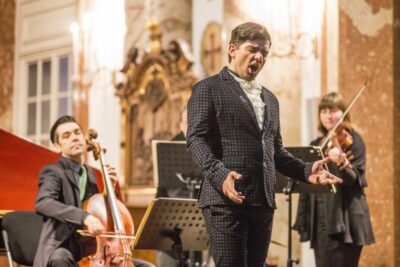
Vivaldi’s Four Seasons Concert in Karlskirche
Read our review →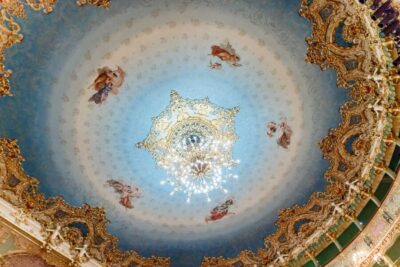
La Fenice Opera House Entry Ticket with Audio Guide
Read our review →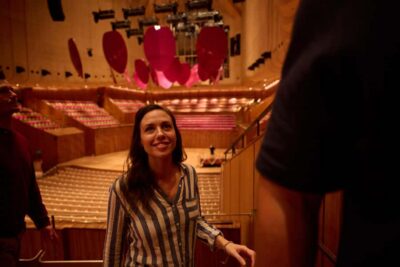
Opera House Guided Tour with Entrance Ticket
Read our review →
New Orleans Steamboat Natchez Jazz Cruise with Dinner Option
Read our review →
Budapest Danube Cruise and Dinner Options, Live Music and Dance
Read our review →
3-Course-Dinner Cruise on the Seine with live music
Read our review →
Classical Concert in the World-Famous Musikverein
Read our review →
Browse the lists this tour appears in