
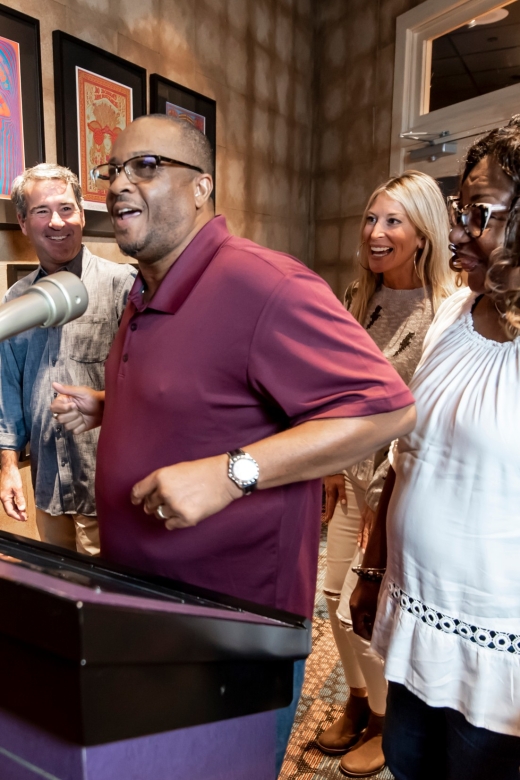
REVIEW · MISSISSIPPI, UNITED STATES
Tunica: Gateway to the Blues Museum Tour
The most memorable part of this Highway 61 museum visit is that it lets you move from blues history to blues-making. You can see W.C. Handy’s first cornet, study guitars used by major artists, then step into an interactive studio and record a song of your own. I like that the museum treats the blues as both music and personal expression, and I like the chance to hear how sheet music and recordings changed the way the sound traveled.
The main consideration is its self-guided format. You will not have a named guide leading a timed group, so you need to read, listen, and move at your own pace. That suits independent visitors, but anyone hoping for a live performance or a long personal talk with an expert should keep expectations in check.
Key Points
- W.C. Handy’s first cornet: See an important object tied to the early development of the blues.
- More than 20 famous guitars: View instruments connected with artists from several musical styles.
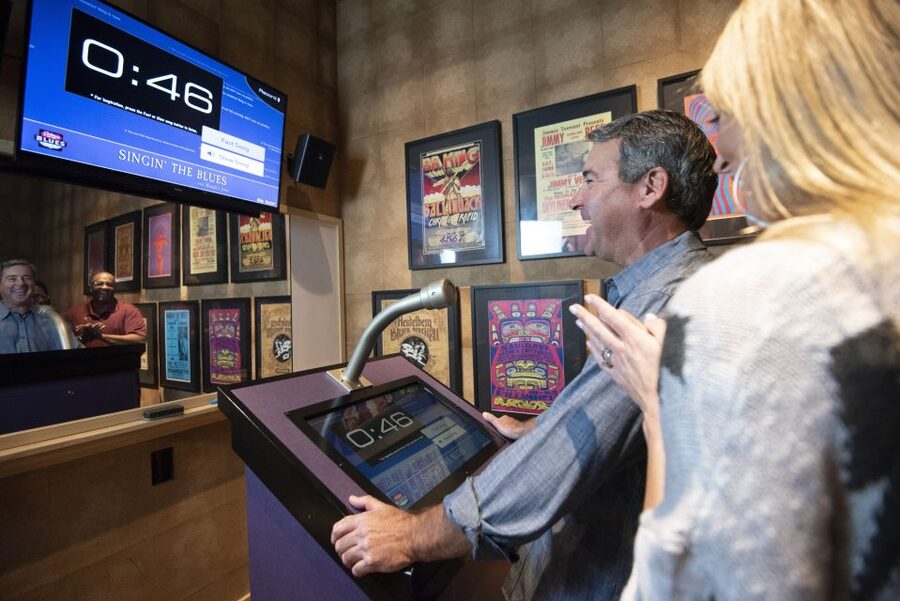
- An interactive recording studio: Write and record your own blues song as part of the visit.
- Highway 61 setting: Begin your exploration of Mississippi blues country on the road known as the Blues Highway.
- A $10 cultural stop: The modest admission makes this an easy addition to a Delta road trip.
- Wheelchair-accessible, English-language visit: The museum offers a self-guided experience with booklets and brochures at the visitor center.
Starting on Highway 61, the Blues Highway
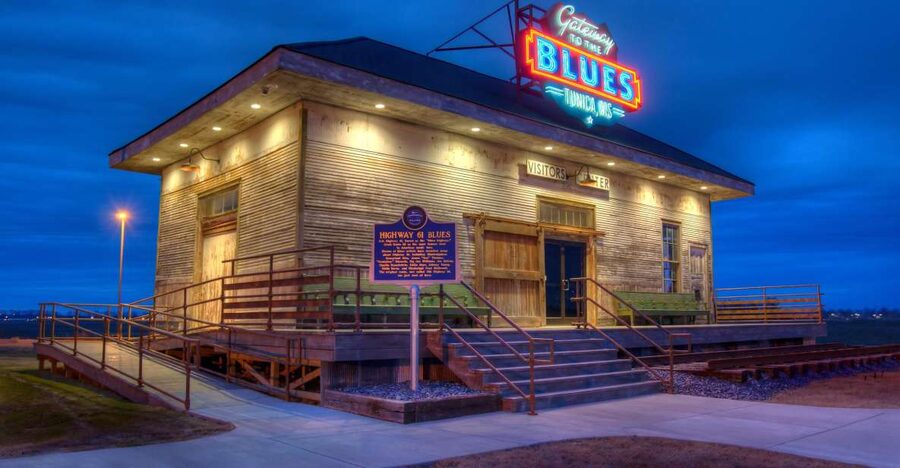
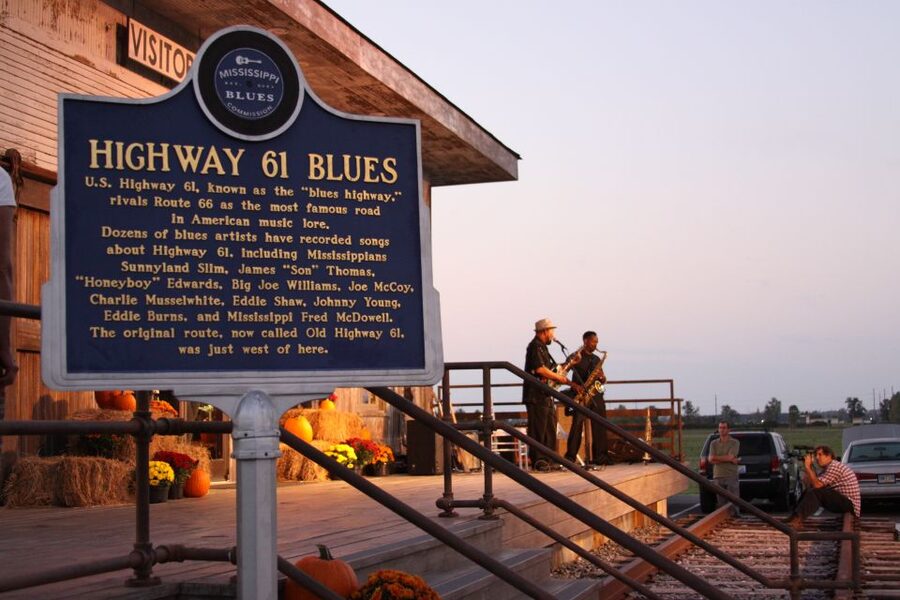
The Gateway to the Blues Museum sits on Highway 61, a road strongly linked with the Mississippi Delta and its musical story. That location gives the visit useful context before you even enter. You are not looking at blues as an isolated museum subject. You are starting on a route associated with the places, people, and sounds that helped shape the genre.
The museum works best as a first stop before exploring more of blues country. The visitor center provides informational booklets and brochures, so you can use the visit to plan what comes next. Since the admission is valid for one day from first activation, you have room to fit the museum into a broader day of sightseeing rather than treating it as a long, fixed tour.
The experience is self-guided, with an English-speaking host or greeter available. That means you can spend extra time with the objects that interest you and move more quickly through displays that are less important to you. I find that useful in a music museum, since people rarely want exactly the same amount of time with every guitar, label, or historical panel.
More Museums in the USA:
- Little Havana Tour Private Cuban Podcaster Art, Museums, Music
★ 4.5 · 93 reviews - Bellagio Gallery of Fine Art: “American Duet: Jazz” Exhibit
★ 4.0 · 5 reviews - Venice: Vivaldi’s Four Seasons Concert & Music Museum Visit
★ 4.8 · 2,065 reviews
The Mississippi Delta Roots of the Blues
The opening story focuses on how the blues began in the Mississippi Delta and why it became such a powerful form of expression. The subject is not presented only as a list of musicians and dates. You are encouraged to consider what the blues allowed people to say, feel, and share through music.
That focus matters. A visitor who already loves blues may come for the instruments, but the museum also gives newcomers a way into the music. You can learn why the sound carries such strong feelings and how the Delta helped build its lasting identity. One verified visitor specifically appreciated learning about the heritage of the blues in the South and came away with a stronger sense of the creativity behind the music.
I like this approach because it gives the exhibits a human purpose. You are not simply looking at old equipment. You are seeing how a musical form grew from experience and became a way to communicate. The material may be especially meaningful for anyone interested in African American creativity and the cultural roots of American music.
The displays describe the blues in direct, emotional terms, including its troubled and anguished side. That tone is appropriate, but it may feel heavier than a light entertainment attraction. Go in expecting a cultural and musical lesson, not a polished pop museum built mainly for quick photographs.
W.C. Handy’s Cornet and the Move to Sheet Music
One of the most important objects is W.C. Handy’s first cornet. The instrument gives the story a physical anchor. Instead of hearing only about a name from blues history, you can look at an object connected with a musician who helped bring wider attention to the form.
The exhibit also explains the development of sheet music. This is a useful part of the visit because written music changed who could learn, share, and reproduce songs. The blues began in lived performance, but sheet music helped carry musical ideas beyond the place where they first took shape.
You will also learn about the effect of recorded music. Recording changed the blues in another major way. A performance no longer had to disappear when the singer or band left the room. Sound could be saved, copied, and heard by people far away.
I appreciate that the museum links these stages together. The cornet represents an individual musician and a physical sound. Sheet music represents written transmission. Recorded music represents sound captured for later listening. Together, they show how the blues moved from local expression toward a much larger audience.
This section should appeal to anyone curious about how music technology affects culture. You do not need to read music or know W.C. Handy’s work in advance. The value is in seeing how tools shape what survives and what spreads.
More Than 20 Guitars Used by Famous Artists
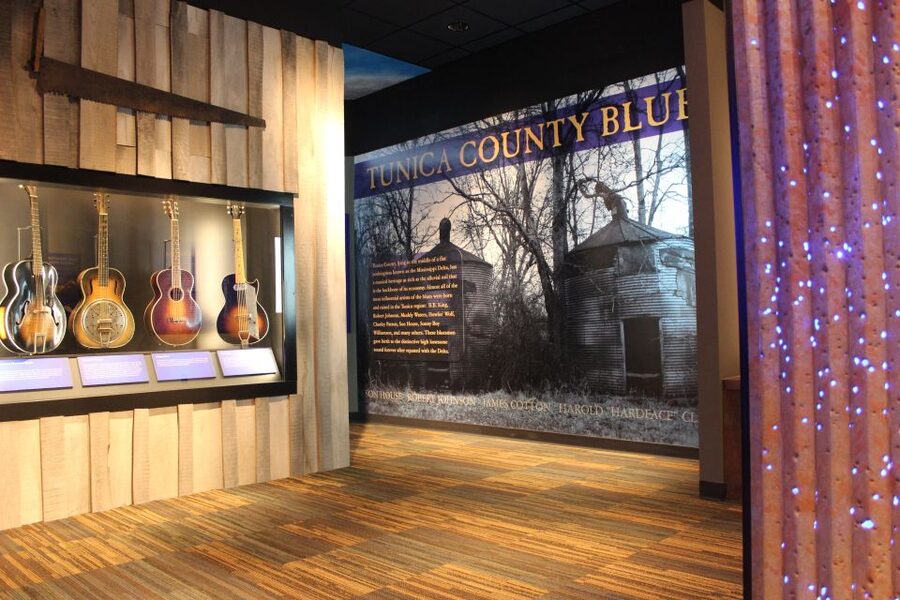
The guitar collection is likely to be the most immediately visual part of the museum. More than 20 guitars are on display, and they are connected with famous artists across several genres. That wider range matters because the blues did not remain in one narrow musical lane. Its sound influenced and crossed into other styles.
For guitar fans, this is the area to take slowly. Look at the shapes, finishes, and details of the instruments, then consider the hands and music associated with them. A guitar can seem like a simple object until you connect it with a recognizable performer or sound. Here, the instruments help show how individual artists carried the blues in different directions.
For visitors who are not guitar experts, the collection still gives you a clear point of entry. You do not need to identify every model or musician. The exhibit links the objects to the broader story, so you can focus on what the instruments represent: performance, influence, and the movement of blues ideas across genres.
The number of guitars also makes this more than a single-star display. You get a wider look at the role of the instrument in blues and related music. If you are visiting with someone who wants a quick history lesson and someone else who could spend an hour studying guitars, this section gives both of you something to work with.
Do not expect to handle the instruments. This is a museum display, and flash photography is not allowed. Keep your camera use respectful and follow the museum’s rules as you move through the collection.
More Live Music in the USA:
- New Orleans Steamboat Natchez Jazz Cruise with Dinner Option
★ 4.0 · 7,533 reviews - New Orleans Steamboat Natchez Jazz Cruise
★ 4.5 · 5,334 reviews - New Orleans: Evening Steamboat Jazz Cruise + Optional Dinner
★ 4.3 · 4,548 reviews - New Orleans: Daytime Steamboat Jazz Cruise + Optional Lunch
★ 4.3 · 4,164 reviews
Writing and Recording Your Own Blues Song
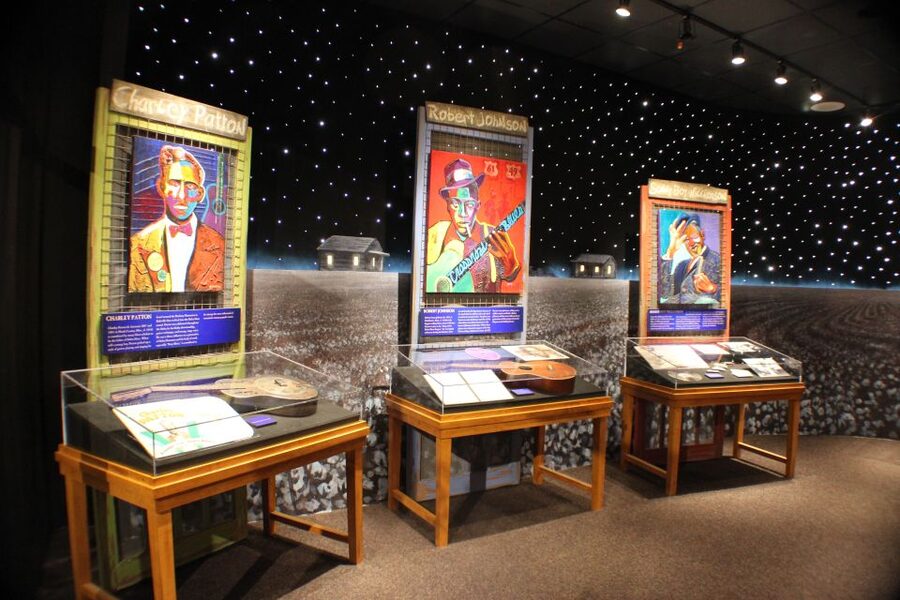
The interactive recording studio gives the visit a hands-on finish. You can learn the basics of blues music, write your own blues song, and record it. That is a smart feature because it changes your role from listener to participant.
Many music museums explain how songs are made but stop at the display case. Here, the recording studio gives you a chance to try the process yourself. You may find that the activity makes the earlier exhibits easier to understand. After learning about expression, instruments, written music, and recorded sound, you get to test those ideas in a simple creative exercise.
This should be a highlight for families, first-time blues listeners, and anyone who enjoys interactive exhibits. It also gives children and teenagers a reason to stay engaged while adults read the historical material. Adults who feel they are not musical should not worry about producing a perfect performance. The point is to understand the basics and experience the act of shaping a blues song.
The studio is also a neat connection to the museum’s discussion of recordings. Earlier displays explain how recording helped carry blues music beyond its original setting. Here, you see the same basic idea from the other side: you create a sound and preserve it as a recording.
The provided details do not specify how long the studio activity lasts or whether the recording can be taken home. I would treat it as an included museum activity rather than promise yourself a finished professional track.
How Much Time to Allow for This One-Day Visit
The experience is listed as a one-day visit, valid from first activation. That does not mean you need to spend an entire day inside the museum. It means your admission applies for that day, giving you flexibility to include the stop within a larger Mississippi Delta outing.
The museum is self-guided, so your timing will depend on your interest. Someone mainly curious about the famous guitars and recording studio may move through quickly. A visitor who wants to read the material on Delta origins, W.C. Handy, sheet music, and recorded sound should allow more time.
I would plan it as a focused cultural stop before continuing along Highway 61. Pick up the brochures at the visitor center, explore the exhibits, and then use the information to shape the rest of your day. Food and drinks are not included, so plan those separately rather than expecting the museum admission to cover refreshments.
Because no transport is included in the experience details, you should arrange your own way to the museum. The attraction is located on Highway 61 in Mississippi, but no pickup service or transportation option is specified.
Is the $10 Admission Good Value?
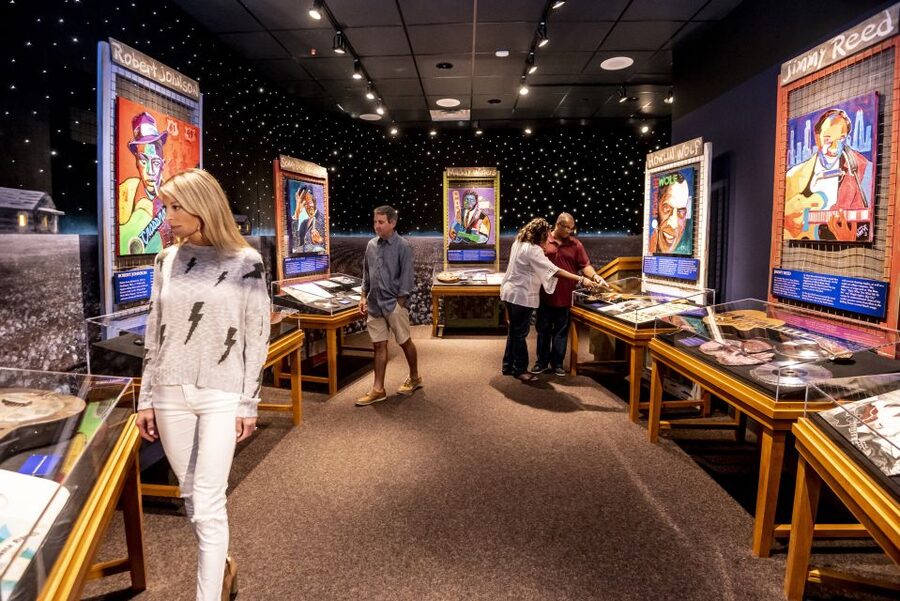
At $10 per person, this is an easy purchase to justify if you have an interest in American music, Mississippi culture, or the Delta. The admission includes the self-guided museum visit, the historical exhibits, the guitar collection, and the recording studio activity. Informational booklets and brochures are also available at the visitor center.
The strongest value comes from the variety. You are not paying only to look at instruments. You get cultural background, a famous cornet, a collection of guitars, and a creative studio activity in one stop. That mix helps the museum work for couples or families with different interests.
The price is also low enough that you do not need to plan your whole day around it. If you are already driving Highway 61, this can be a practical stop before deciding how much more time to give to blues-related sites. If you have no interest in music history and prefer outdoor sights only, the admission may feel less useful.
The current rating is 4.5 from four reviews, with particularly positive reactions to the overall experience and the chance to learn about the blues and its Southern heritage. The praise points to the museum’s strongest purpose: it teaches as much as it displays.
Who Should Visit the Gateway to the Blues Museum?
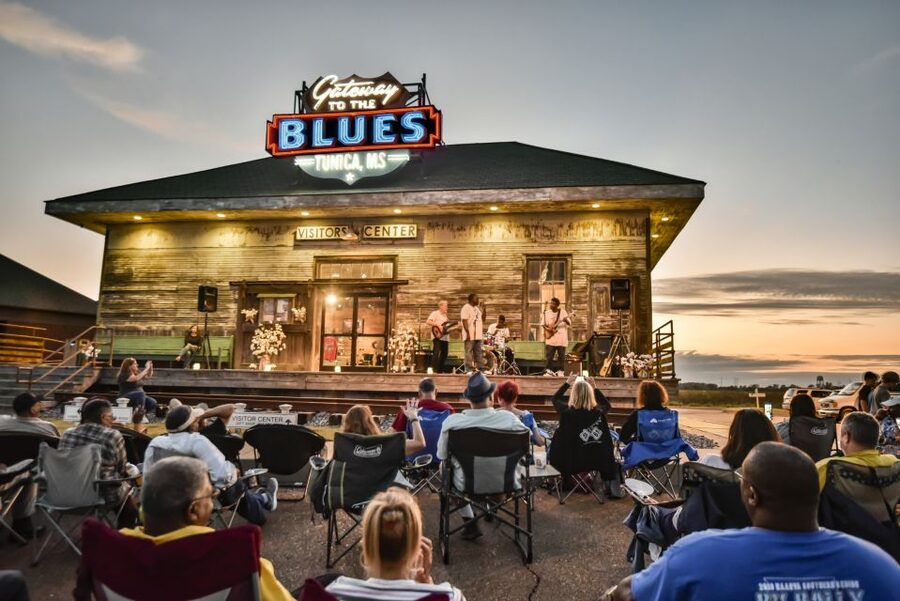
I would recommend this stop to:
- Blues fans who want objects and context, not only a playlist.
- Music lovers interested in guitars, instruments, and recording.
- Families looking for an activity that includes both reading and participation.
- Visitors driving Highway 61 who want a clear introduction to Delta blues.
- Anyone curious about how African American creativity shaped a major American music form.
- Visitors who prefer to explore at their own pace rather than follow a fixed group tour.
It may be less suitable if you want a live concert, a guided walking tour, or a large entertainment complex. The experience is centered on museum exhibits and a self-guided recording activity. You should also remember that the available information does not name a specialist guide or promise live demonstrations.
The museum is wheelchair accessible, which makes it a practical choice for many visitors. The experience is offered in English, and flash photography is not allowed.
Should You Book This Museum Visit?
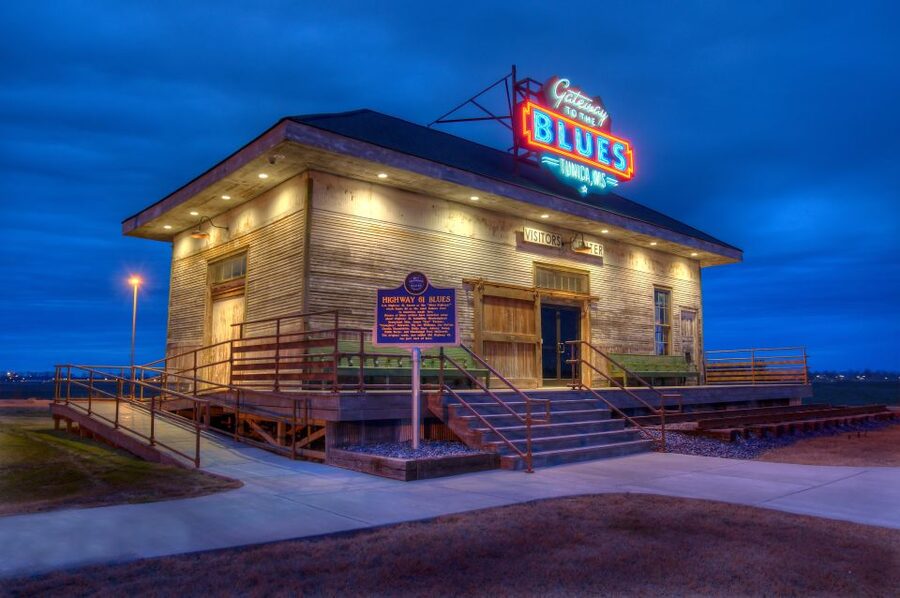
Book it if you are driving through Tunica or the Mississippi Delta and want a compact, affordable introduction to blues culture. The combination of W.C. Handy’s cornet, more than 20 artist-linked guitars, and the chance to record your own song gives the $10 admission real value.
I would especially choose it before exploring other blues sites because the museum helps you understand what you are hearing and seeing along Highway 61. Skip it only if your schedule has no room for a self-guided indoor stop or if you are looking specifically for live music. For everyone else, it is a sensible first step into Mississippi blues country.
FAQ
Where is the Gateway to the Blues Museum?
The museum is located on Highway 61 in Mississippi, a road known as the Blues Highway.
How much does the museum tour cost?
Admission costs $10 per person.
How long is the experience valid?
The admission is valid for one day from first activation.
Is the tour guided?
The museum visit is self-guided. An English-speaking host or greeter is available.
What languages are offered?
The experience is offered in English.
Is the museum wheelchair accessible?
Yes, the experience is wheelchair accessible.
Can I record my own blues song?
Yes. The interactive recording studio lets you write and record your own blues song.
Is food or drink included?
No. Food and drinks are not included.
Just added to the listings in the USA
- Sunset Cruise with Live Music★ 4.0 · 18 reviews
- St Augustine Nights of Lights Tour with Live Music and Sunset Opt★ 4.5 · 69 reviews
- St. Louis Blues Ice Hockey Game Ticket at Enterprise Center★ 4.0 · 5 reviews
- Savannah Live Music Walking Tour★ 4.5 · 18 reviews
- Tacoma & Gig Harbor Hotel Transportation To/From Seattle Airport★ 5.0 · 3 reviews
- Shared 2 Hour September Sunset Cruise from Gig Harbor★ 5.0 · 13 reviews
- Utah Jazz Basketball Game Ticket at Delta Center★ 4.5 · 2 reviews
- French Cuisine & Live Piano Concert at Chez Sandrine!★ 5.0 · 2 reviews
Live Music, compared.

Vivaldi’s Four Seasons Concert in Karlskirche
Read our review →
La Fenice Opera House Entry Ticket with Audio Guide
Read our review →
Opera House Guided Tour with Entrance Ticket
Read our review →
New Orleans Steamboat Natchez Jazz Cruise with Dinner Option
Read our review →
Budapest Danube Cruise and Dinner Options, Live Music and Dance
Read our review →
3-Course-Dinner Cruise on the Seine with live music
Read our review →
Classical Concert in the World-Famous Musikverein
Read our review →
Browse the lists this tour appears in