
REVIEW · AUSTRIA
Vienna: Classical Concert at Mozart’s First House
The special appeal here is simple: you hear Viennese classical music in the Sala Terrena, a room where Mozart once played. That link between the music and the place gives the concert more weight than a standard hall performance.
I like the close setting and the chance to hear several major composers in one evening. I also like the frescoes, which give you something to study before the music begins. The main drawback is that the experience is focused on the concert, so you should not expect a guided tour of Mozarthaus or a long visit through Mozart’s rooms.
- Mozart’s first Vienna home: Hear his music in the monastery where he lived in 1781.
- A 12th-century setting: Enter the former monastery of the German Knightly Order, built in the second half of the 12th century.
- Ornate Sala Terrena frescoes: Look for mythical scenes and detailed decoration around the concert space.
- Close musical setting: The room places you near the Mozart Ensemble Vienna rather than in a large modern concert hall.
- Central Vienna location: The entrance is only 150 meters from St. Stephen’s Cathedral, near the Hofburg as well.
- Classical Viennese program: Expect music by Mozart, Haydn, Schubert, Beethoven, and other composers of the period.
Entering the Sala Terrena Near St. Stephen’s Cathedral
This concert begins in one of Vienna’s easiest places to reach. The entrance is at Deutschordenskirche, only 150 meters from St. Stephen’s Cathedral. Look for the gate and the poster stand advertising concerts at Mozarthaus.
That location matters. You can fit the concert into an evening walk through the old city without arranging a separate trip across Vienna. The Hofburg is also nearby, so the event works well after sightseeing around the imperial center.
The entrance itself is part of the appeal. You are not walking into a modern performance complex with bright signs and rows of identical rooms. You enter a place connected to the German Knightly Order, whose monastery complex dates to the second half of the 12th century.
I suggest allowing enough time to find the gate without rushing. The meeting point is specific, but the surrounding old city has many lanes and imposing buildings. St. Stephen’s Cathedral is the clearest landmark to use as your reference point.
Why Mozart’s 1781 Connection Matters
Wolfgang Amadeus Mozart lived in the monastery in 1781. The concert lets you hear his music in a place where he once played, which creates a direct link between the composer and the room.
That does not mean every piece on the program was written there. It means the setting gives Mozart’s music a physical context. You can hear a familiar symphony or chamber work while looking at the walls and remembering that Mozart was part of this place’s story.
I find this kind of setting more rewarding than a concert chosen only for a famous name. You are not just checking Mozart off a list. You are connecting the music with Vienna, the city where the Viennese Classical style took shape.
The historical connection also helps if you are new to classical music. You do not need to know every sonata or symphony in advance. The room, the old architecture, and the composer’s link to the site give you a useful starting point.
Still, keep your expectations in the right place. This is a concert at Mozart’s first house in Vienna, not a full museum tour of his life. If you want detailed information about his biography, rooms, possessions, or career, you may need a separate visit to Mozarthaus Vienna.
More Classical Concerts in Austria
- Vienna: Vivaldi’s Four Seasons Concert in Karlskirche
★ 4.7 · 14,951 reviews - Vienna: Classical Concert in the World-Famous Musikverein
★ 4.6 · 6,673 reviews - Vienna: Mozart Concert at the Musikverein – Golden Hall
★ 4.6 · 5,194 reviews
The Frescoes Give the Concert Room Its Character
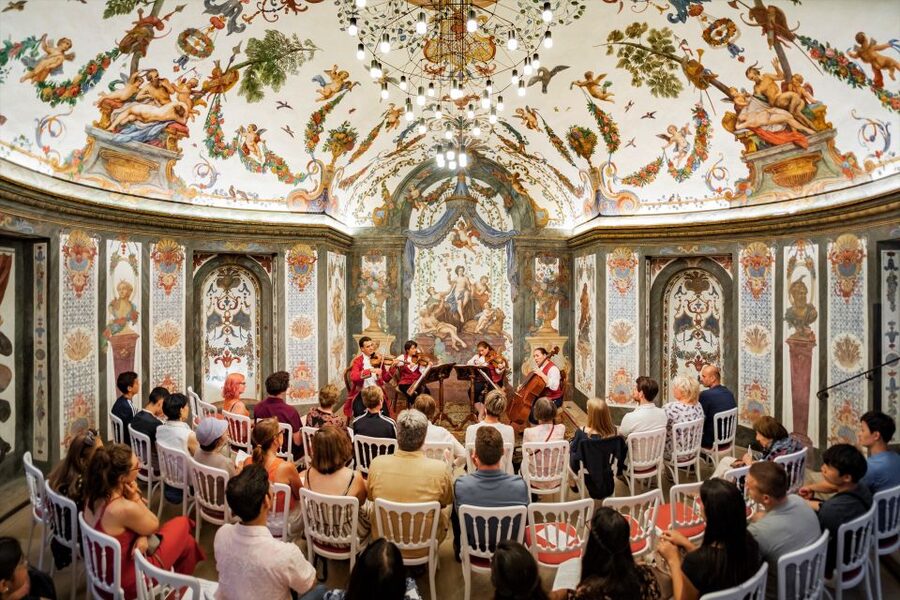
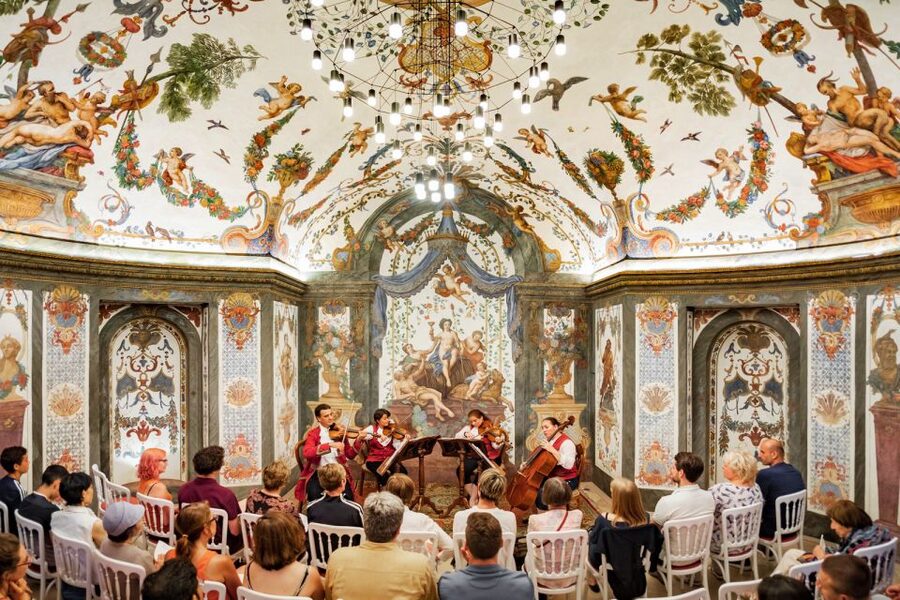
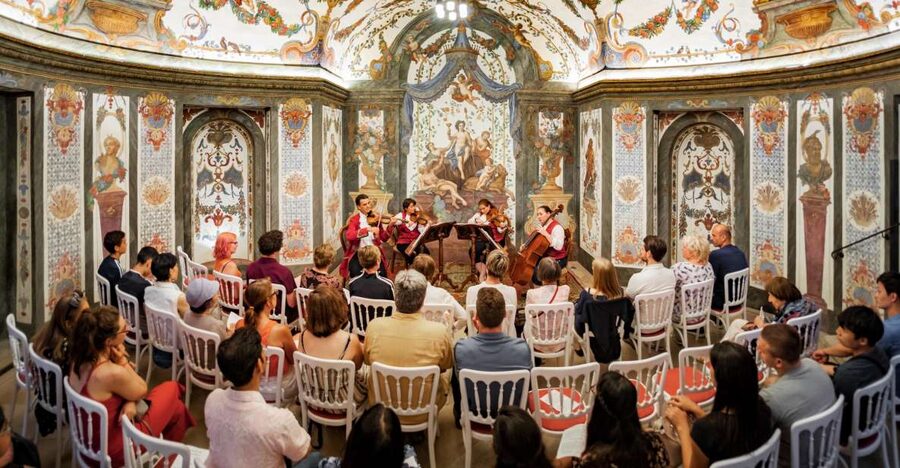
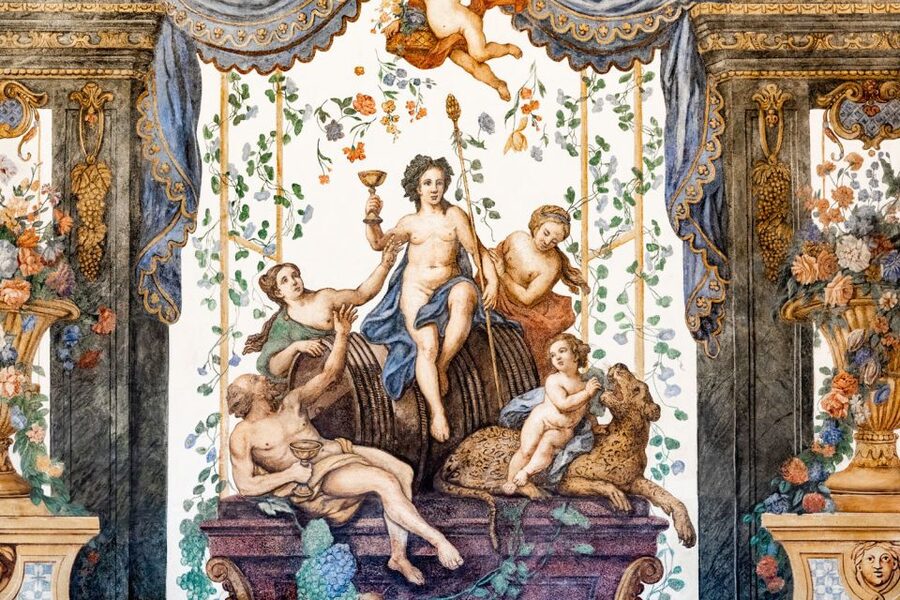
Before the music starts, take time to look around the Sala Terrena. Its frescoes show mythical scenes and add a strong decorative element to the room. The ornament is not a minor backdrop. It shapes the mood of the entire evening.
The frescoes also help you notice how different this setting is from a regular concert hall. You are surrounded by painted detail and old architectural features rather than plain walls designed only for sound and sightlines.
I like arriving with a little time to take in the room before the performance. During the concert, your attention will naturally shift to the musicians, but the decoration remains part of what makes this event distinct.
The old setting may not suit someone who wants a polished, large-scale production. The appeal is intimacy and atmosphere, not spectacle. You come for music played close to you, with the room’s age and decoration adding meaning.
Hearing the Mozart Ensemble Vienna Up Close
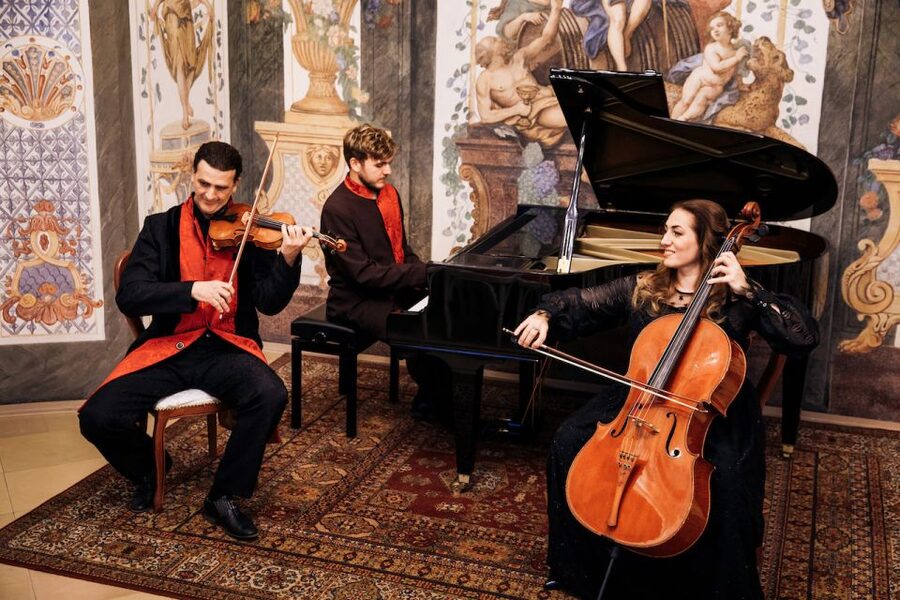
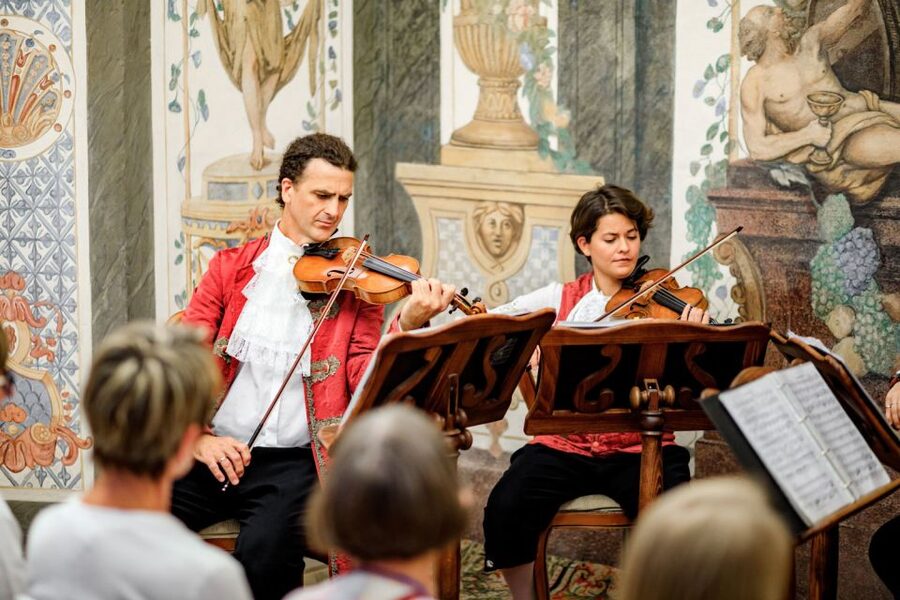
The Mozart Ensemble Vienna performs the program. The description emphasizes close proximity, and that is one of the strongest reasons to choose this concert over a performance in a large auditorium.
In a smaller room, you can feel more connected to the musicians. You are close enough to notice the shape of the performance and the way the sound belongs to the room. The effect can be especially strong during quiet passages, when the music does not need to fight a huge hall.
The program centers on music from the Viennese Classical Period. Mozart is the natural focus, but you can also hear works by Haydn, Schubert, Beethoven, and other composers connected with Vienna’s classical tradition.
That range gives the evening more variety than a concert devoted only to Mozart. Haydn can bring a different sense of order and wit. Beethoven can offer greater force. Schubert adds another Viennese voice, often with a more lyrical character.
The exact program is not provided here, so you should check the concert details for the date you plan to attend. Do not assume that every performance includes the same works or the same balance of composers.
What the Evening Feels Like
The structure is straightforward. You arrive at the Deutschordenskirche entrance, enter the historic complex, and take your place in the Sala Terrena. The performance then carries the evening, with the Mozart Ensemble Vienna presenting classical music in the decorated room.
This simplicity is a strength. You do not spend the night moving between several sites or waiting for a long lecture. You settle into one place and let the music shape the experience.
I would treat the concert as a calm pause in a busy Vienna schedule. The city center can be full of major sights, crowds, shops, and grand buildings. Here, the pace changes. You spend the evening listening rather than collecting more views.
The experience also works well as part of a special night out. You might visit St. Stephen’s Cathedral first, walk through the old center, and then head to the concert entrance nearby. Since the venue is close to the Hofburg, it can also follow time around the former imperial palace.
The concert is not presented as a guided event, so you should not expect a host to explain every musical selection or architectural feature. If you like learning through context and interpretation, read a little about Mozart and the Viennese Classical Period before you arrive. That small effort can make the music easier to follow.
More Classical Concerts in Vienna
- Vienna: Classical Concert in St. Anne’s Church (Annakirche)
★ 4.6 · 3,414 reviews - Vienna: Mozart and Strauss Concert at Schönbrunn
★ 4.5 · 2,967 reviews - Vienna Classical Concert at St. Peter’s Church
★ 4.5 · 2,039 reviews - Vienna: Classical Concert in St. Anne’s Church (Annakirche)
★ 4.5 · 1,000 reviews
Value: More Than a Seat in a Concert Hall
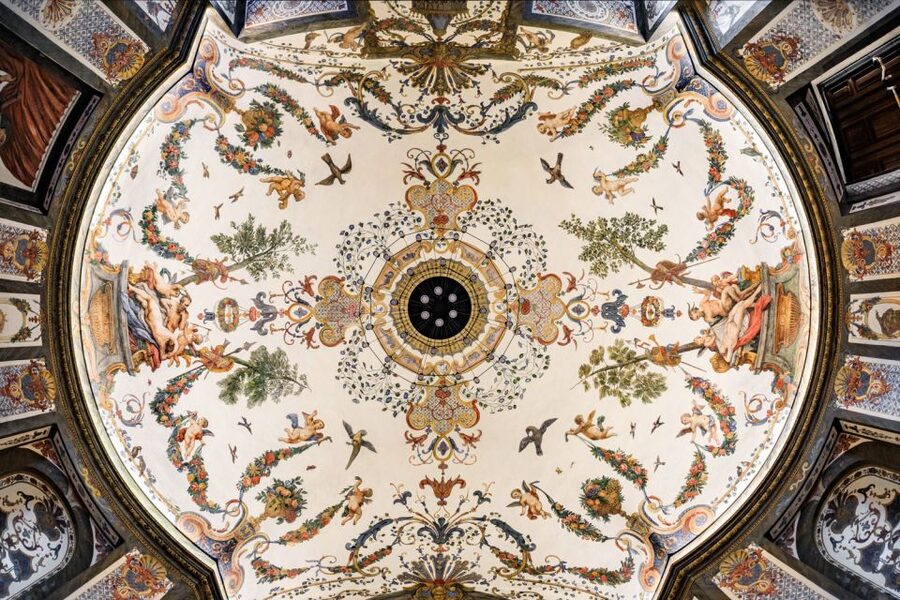
The value here comes from the combination of music, place, and convenience. You are paying for a concert ticket, but the setting gives you something a standard performance venue cannot provide: Mozart’s connection to the building, the Sala Terrena’s frescoes, and a central location beside Vienna’s best-known sights.
I would consider it good value if you already plan to spend an evening in central Vienna and care about atmosphere as much as the program. The short walk from St. Stephen’s Cathedral also saves time and transport costs.
The value is less clear if your only goal is to hear the largest possible orchestra or a particular famous work. This event is built around the historical room and the closeness of the performance. It is not described as a major symphonic production with a large ensemble.
The ticket includes the concert and wardrobe service. That is useful in Vienna, especially if you are attending in cooler weather or carrying an outer layer after walking through the city. No separate wardrobe charge is described in the information provided.
Because no price is supplied, I cannot judge the exact cost against other Vienna concerts. Use the setting as your guide. A higher price may make sense to you if the historic room and central location matter. If you are comparing purely on musical scale, another venue may offer a different kind of value.
Who Will Enjoy This Concert Most
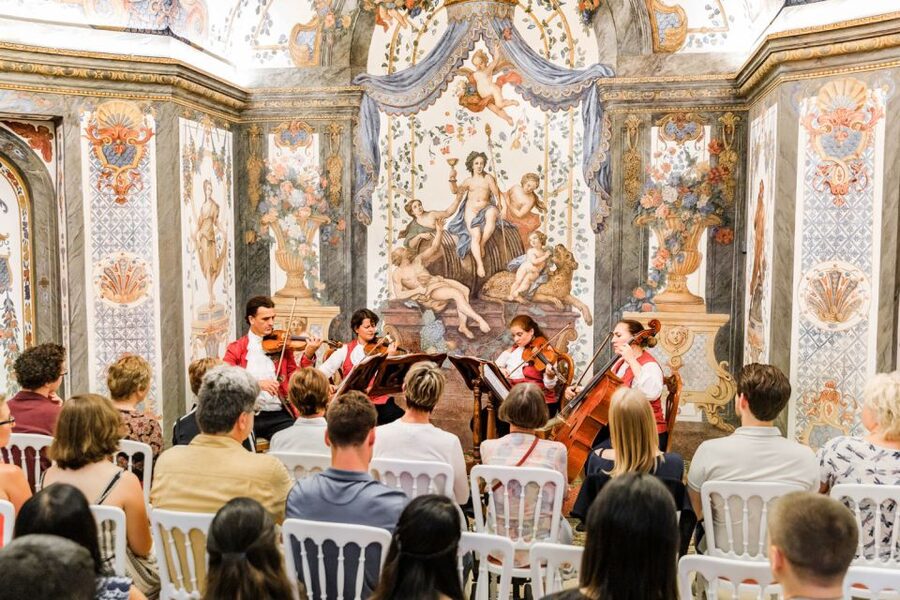
I would recommend this experience to you if you enjoy historic buildings, intimate music, and a strong sense of place. It is particularly suitable for a first visit to Vienna because it combines one of the city’s central areas with composers strongly linked to Viennese culture.
It also suits couples and solo visitors looking for a quiet evening activity. Families with older children may appreciate it too, especially if the children already show interest in Mozart or live music.
Classical music beginners should not feel excluded. The program includes well-known composers, and the historic room gives you an easy way into the subject. You can listen for contrasts between Mozart, Haydn, Schubert, and Beethoven without needing formal musical training.
I would be more cautious about recommending it to you if you want a full museum visit, an architectural tour, or extensive commentary. The supplied details focus on the live performance, the frescoes, and the setting, not on a guided explanation of the building.
The program may also matter more to serious music fans. Since the exact works are not listed here, check the performance date before booking if you are attending for one specific composition.
Practical Tips for a Smooth Evening
Use St. Stephen’s Cathedral as your landmark. The entrance is at Deutschordenskirche, and the venue is about 150 meters from the cathedral. Look for the concert poster stand at the gate.
Arrive with enough time to identify the entrance and take in the Sala Terrena before the music begins. The room’s frescoes are part of the event, so a rushed arrival would mean missing one of its best features.
Bring only what you need. A wardrobe is included, which makes it easier to manage an outer coat while you listen. The available information does not specify seating arrangements, concert length, or accessibility details, so contact the provider, Konzerte im Mozarthaus KG, if any of those points are important to you.
You should also confirm the date’s program. Mozart is central to the experience, but the evening can include Haydn, Schubert, Beethoven, and other Viennese composers. The exact selection may affect how well it matches your interests.
Should You Book the Mozart House Concert?
Book it if you want music tied to a real place, not simply a performance in a convenient hall. Hearing Mozart in the monastery where he lived in 1781, surrounded by the Sala Terrena’s frescoes, gives the evening a clear sense of identity.
Choose something else if you want a large orchestra, a full museum visit, or a detailed guided history lesson. For an intimate night of Viennese classical music near St. Stephen’s Cathedral, this concert offers a focused and memorable choice.
FAQ
Where does the concert take place?
The concert takes place in the Sala Terrena at Mozarthaus Vienna, inside the historic complex of the German Knightly Order.
How far is the venue from St. Stephen’s Cathedral?
The concert venue is 150 meters from St. Stephen’s Cathedral.
Where should I enter?
Enter through the gate at Deutschordenskirche. A poster stand for concerts at Mozarthaus is located there.
Which composers are included?
The music comes from the Viennese Classical Period and can include Mozart, Haydn, Schubert, Beethoven, and other composers.
Who performs the concert?
The Mozart Ensemble Vienna performs the music.
Did Mozart live at the venue?
Mozart lived in the monastery in 1781 and played in the room where the concert takes place.
What can I see inside the Sala Terrena?
You can see ornate frescoes showing mythical scenes, along with the room’s refined historic architecture.
Is the concert near the Hofburg?
Yes. The venue is in central Vienna, near both St. Stephen’s Cathedral and the Hofburg.
Is wardrobe included?
Yes. Wardrobe is included with the concert ticket.
Is the concert a guided tour of Mozarthaus?
No guided tour is specified. The experience centers on the live concert, the Sala Terrena, its frescoes, and Mozart’s connection to the building.
Just added to the listings in Vienna
- Christmas Concerts in Capuchin Church★ 4.5 · 81 reviews
- Vienna: A Little Night Music – Concert at Capuchin Church★ 4.8 · 145 reviews
- Konzerte der Wiener Royal Orchester★ 4.5 · 143 reviews
- Christmas and New Year Concert at St. Peter’s Church in Vienna★ 4.5 · 155 reviews
- Concert at the Palais Schönborn-Batthyány by the Vienna Baroque Orchestra★ 4.5 · 168 reviews
- Vienna: Mozart Concert and Austrian Delights Dinner★ 4.4 · 170 reviews
- Vienna: Classical Music Concert in the World-Famous Musikverein★ 4.5 · 180 reviews
- Vienna: Strauss and Mozart Concert at Hofburg Palace★ 4.7 · 214 reviews
Classical Concerts, compared.
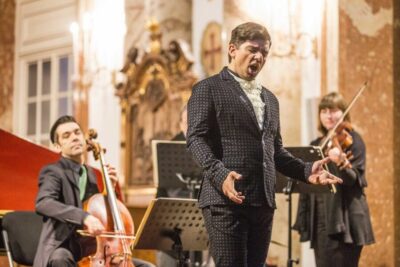
Vivaldi’s Four Seasons Concert in Karlskirche
Read our review →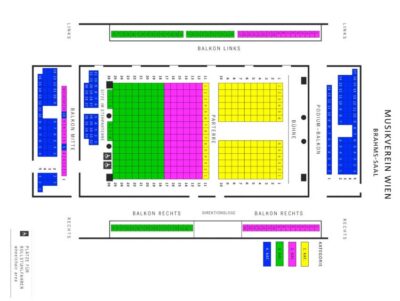
Classical Concert in the World-Famous Musikverein
Read our review →
Mozart Concert at the Musikverein – Golden Hall
Read our review →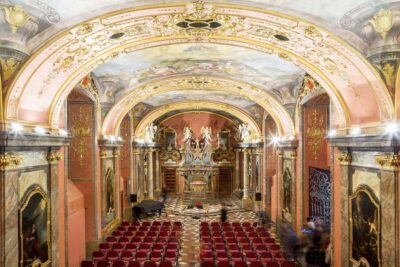
Entry Ticket Classical Concert at the Mirror Chapel
Read our review →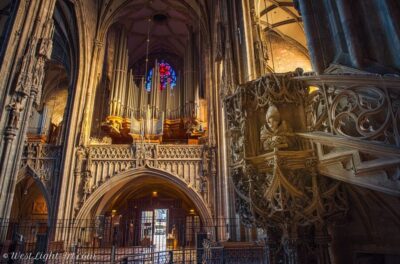
Classical Concert at St. Stephen’s Cathedral
Read our review →
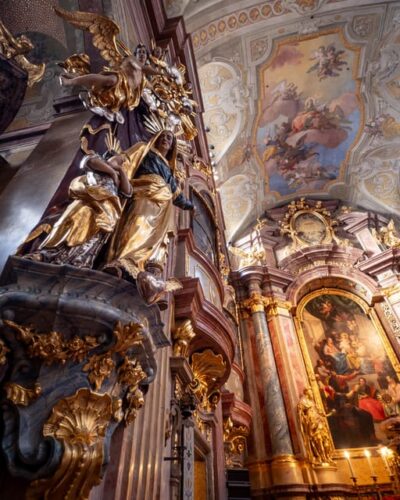
Classical Concert in St. Anne’s Church (Annakirche)
Read our review →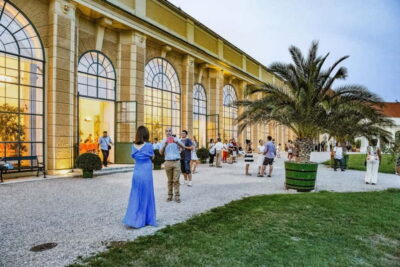
Mozart and Strauss Concert at Schönbrunn
Read our review →Browse the lists this tour appears in