
REVIEW · USA
Walking Tour of 1970’s Music Venues of the East Village
The most compelling part of this walk is that you follow the places where New York’s 1970s music scene actually happened. The buildings and clubs have changed, but the route connects the old Fillmore East, CBGB’s, The Bottom Line, Club 82, and other small venues with the artists who made them famous. The East Village becomes a musical map, not just a neighborhood of restaurants and apartment buildings.
I like the small-group limit of 12, which should make it easier to ask questions and keep the talk personal. I also like the mix of famous and lesser-known venues, from Pink Floyd and The Who at the Fillmore East to early New York Dolls shows and the disco club Infinity.
The main caution is practical: this is a history walk, not a visit inside preserved music clubs. Many venues are gone, and the tour requires good weather. There was also one serious reported no-show after a booking, although the provider, Ann McDermott, apologized and offered compensation afterward.
Key points about the East Village music walk
- See the former Fillmore East site, one of the most important concert rooms in 1960s and 1970s New York.
- Trace CBGB’s and the early punk scene, including the world around Patti Smith and Horses.
- Visit the former Bottom Line site, where Bruce Springsteen made a major impression in 1975.
- Go beyond famous clubs with stops connected to Club 82, On the Rocks, Great Gildersleeves, and the Mercer Arts Center.
- Learn about disco as well as rock, including Infinity, a club destroyed by fire in 1979.
- Walk with no more than 12 people, for a more personal two-hour outing.
Why the East Village is the right setting
In the 1970s, the East Village was a very different place. Apartments were cheap, young musicians could afford to live nearby, and buying a concert ticket meant showing up in person. That last detail matters. Music was not yet something you could search, stream, and sample from anywhere. You had to know where to go, stand in line, and take a chance on a band.
This tour uses that old East Village as its frame. You are not simply looking at plaques or hearing a list of famous names. You are moving through the streets that connected small clubs, experimental theaters, dance halls, and major concert rooms.
I find that approach more useful than a tour focused only on the biggest stars. The famous places give you an easy entry point, but the smaller venues explain how musicians built an audience. Club 82, On the Rocks, and Great Gildersleeves may not carry the same instant recognition as CBGB’s, yet they help show how wide the scene was.
The area also gives the walk a strong sense of place. You finish at 15 East 4th Street, in front of what used to be The Bottom Line, close to Washington Square Park and the R and W subway trains. That makes the tour easy to fit into a day of exploring downtown Manhattan.
More Live Music in New York City:
- NYC: Harlem Hallelujah! Gospel Wednesday Concert
★ 4.7 · 1,638 reviews - New York City: Harlem Gospel Live Music Concert
★ 4.7 · 1,479 reviews - New York City: Gourmet Dinner Cruise with Live Music
★ 4.2 · 1,074 reviews
Starting at 105 Second Avenue at 11 a.m.
The meeting point is 105 Second Avenue, New York, NY 10003. The walk starts at 11 a.m. and lasts about two hours, so you should have the rest of the afternoon free for more time in Greenwich Village, the East Village, or nearby downtown neighborhoods.
A morning start works well for this kind of outing. You can think through the musical story before the streets become part of a longer day of sightseeing. It also gives you a clear plan after breakfast, rather than trying to squeeze a short tour between larger attractions.
You should arrive ready to walk outdoors. The tour requires good weather, and the information provided does not specify an indoor alternative. Wear comfortable shoes and check the forecast before leaving. The route is in a compact part of Manhattan, but even a short city walk can feel tiring if you are standing for most of two hours.
The tour is offered in English. Mobile tickets are accepted, which is convenient if you prefer not to carry printed paperwork.
The Fillmore East and the scale of old concert culture
One of the central stops is the former site of the Fillmore East. The venue is closely tied to major shows by The Who and Pink Floyd, and its role helps explain how New York became a key stop for rock musicians touring in the late 1960s and early 1970s.
The value here is not just the name of the building. The Fillmore East represented a different kind of concert experience, one where a single venue could help define a band’s reputation. Hearing about the shows while standing at the site gives you a useful contrast between the room’s past importance and the ordinary city surroundings you see today.
You should keep your expectations realistic. This is a location-based talk, not a tour of an intact concert hall. The appeal comes from the stories and the setting, with the former venue serving as a point of reference.
For music fans, that is still worthwhile. It lets you place major acts in a real New York neighborhood rather than treating their careers as a series of disconnected album covers and dates.
CBGB’s, Patti Smith, and the rough edge of punk
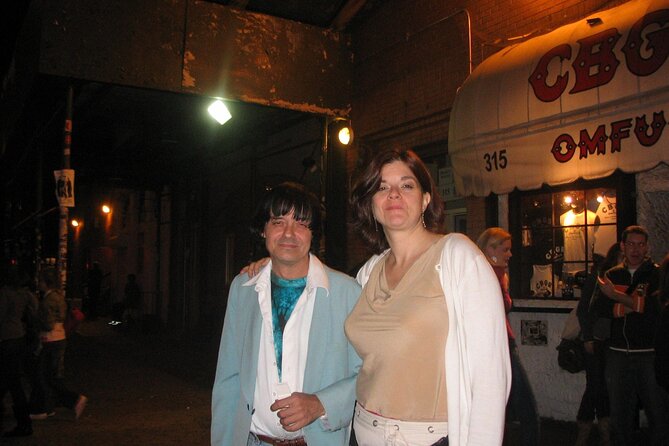
The route also visits the former site of CBGB’s, the club most closely linked with the early New York punk scene. The tour connects the place with Patti Smith after the release of Horses in 1976.
CBGB’s matters because it helped give new artists a room where they could build a following without looking or sounding like established rock stars. Its importance was tied to a raw, local scene. Bands did not need polished arena production to get attention. They needed a small stage, an audience, and enough nerve to keep playing.
For you, the stop works best if you are interested in how music scenes form. The story is not only about Patti Smith. It is about the network of rooms and performers that allowed a new sound to take hold.
Again, the building itself is no longer operating as the club that made it famous. That can be disappointing if you expect a preserved interior or a live performance. Still, the walk gives you a way to understand why this particular address became so important.
The East Village setting adds to the effect. You are not hearing about punk in an abstract museum display. You are standing in the neighborhood where musicians, artists, and audiences crossed paths.
Another night with a band on stage:
- NYC: Holiday Yacht Cruise with Jazz, Cocoa & Carols
★ 4.7 · 568 reviews - New York City Dinner Cruise with Live Music
★ 4.0 · 377 reviews - New York City Harlem Highlights w/ Gospel Concert & Transfer
★ 4.5 · 326 reviews - NYC: Evening Jazz Cruise on the Yacht Manhattan
★ 4.8 · 285 reviews
The Bottom Line and Bruce Springsteen in 1975
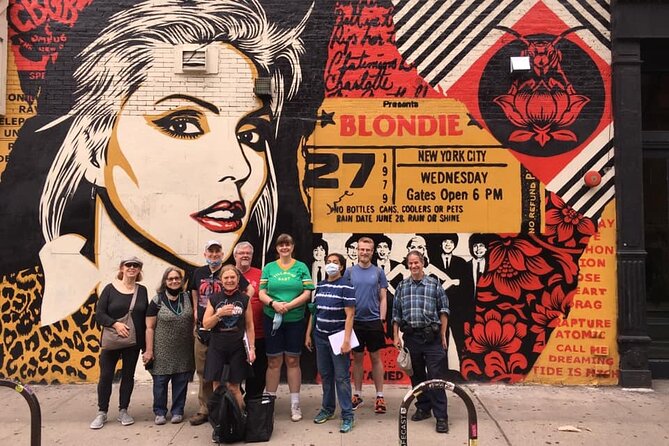
The tour ends at 15 East 4th Street, the former site of The Bottom Line. This is one of the strongest final stops because it is tied to Bruce Springsteen’s 1975 performances and the impact of Born to Run.
The timing is important. In 1975, Springsteen was moving from a respected club performer toward national attention. A show at The Bottom Line could put an artist in front of the right audience at the right moment. The venue became part of that transition.
Ending here gives the walk a clear finish. You move from early clubs and experimental spaces to a room associated with a major career breakthrough. The location is also practical. You finish near Washington Square Park and the R and W trains, so you can easily continue your day or head elsewhere in Manhattan.
I like the way this final stop ties the street walk to a specific moment in music history. Instead of ending with a general statement about the East Village, you end at a place connected to a particular artist, year, and performance.
As with the other stops, you will be seeing the former location rather than entering an active Bottom Line venue. The meaning comes from the explanation and the physical address.
Club 82, On the Rocks, and Great Gildersleeves
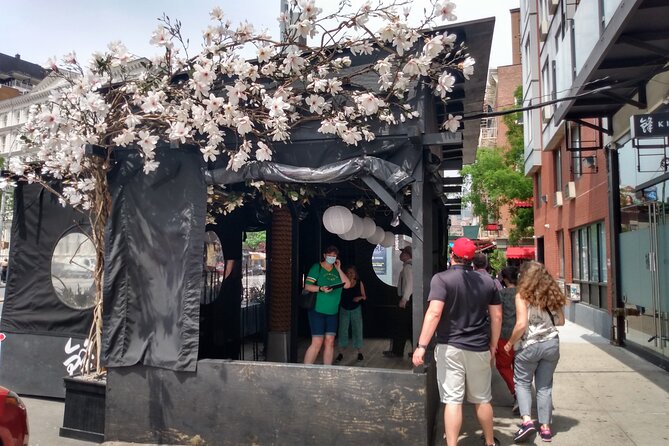
The tour does not limit itself to venues that became household names. It also points out Club 82, On the Rocks, and Great Gildersleeves, places where artists worked on their material and began to gather loyal audiences.
These stops may be the most useful part of the experience for repeat visitors to New York. You might already know the Fillmore East and CBGB’s, but lesser-known rooms give you a clearer picture of the city’s music network. A major scene depends on more than one famous club. It needs rehearsal spaces, small stages, late-night rooms, and audiences willing to hear something new.
The information provided does not give a detailed stop-by-stop schedule or exact amount of time at each location. That means you should expect a guided overview rather than long visits at every address. The tour covers a number of sites in about two hours, so the pace may be steady.
That format suits people who enjoy connecting clues and stories as they walk. It may not suit you if you want to linger at one venue, take extensive photographs, or spend time inside a functioning museum.
Mercer Arts Center and the New York Dolls
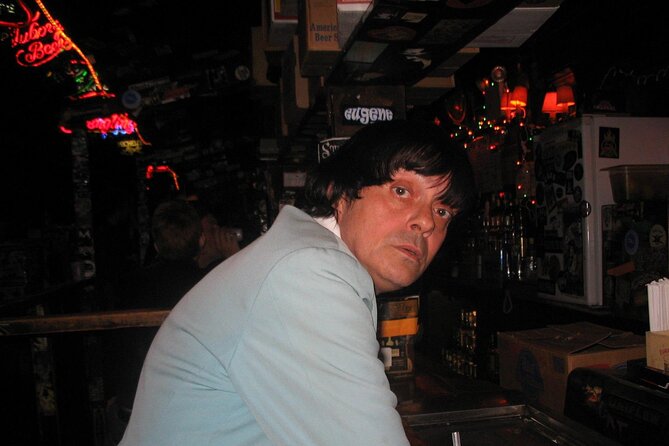
The former Mercer Arts Center adds another thread to the walk. The site is linked with the New York Dolls, a group whose style and stage presence helped shape the direction of New York rock.
This stop broadens the story beyond the clean categories of rock, punk, and disco. The city’s 1970s scene was full of overlap. Bands borrowed from older rock, theater, glam, and performance art, then turned those influences into something new.
The New York Dolls connection also helps explain why small rooms mattered. Artists could test an unusual look or sound in front of a local audience. A venue could become a laboratory for a band’s identity, not just a place to play a set.
The tour’s value here lies in the link between place and artistic risk. You are not only being told which bands played where. You are shown how a neighborhood supported performers who did not yet fit neatly into the music business.
Infinity and the disco side of 1970s New York
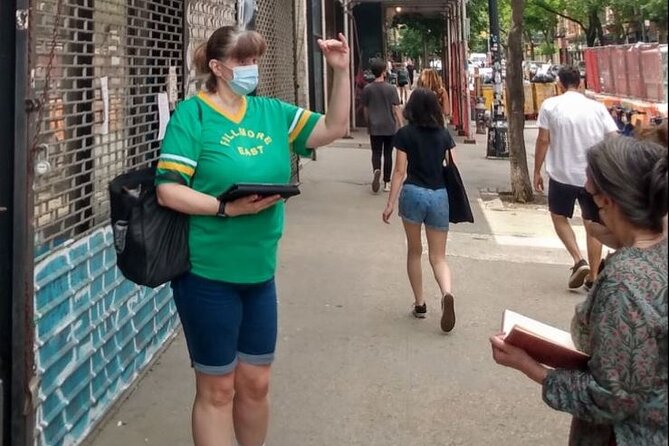
Rock receives much of the attention on this route, but the tour also visits the site of Infinity, a disco club destroyed by fire in 1979. This is an important addition because the East Village music story was not only about guitars and punk clubs.
Disco had its own rooms, audiences, and social energy. Including Infinity gives the tour a wider view of the decade and prevents the 1970s from being reduced to a straight line from rock to punk.
The fire also adds a sobering reminder that entertainment spaces can disappear quickly. A club may be central to a neighborhood one year and gone the next. The site becomes part of the city’s memory even after the physical venue is lost.
If your interests run mostly to classic rock, this may feel like a side trip. I still think it improves the walk. It shows that several music cultures were operating at the same time, often within a short distance of one another.
What the small-group format means for you
The tour is capped at 12 people. That is a good size for a city walk built around stories, questions, and changing viewpoints. You should have a better chance of hearing the guide clearly than you would in a large group, and the format allows for a more direct exchange.
A small group also matters at street corners and former venue sites. These are not reserved attractions with a controlled entrance. The guide needs to gather everyone, explain the location, and keep the group moving through the neighborhood. Twelve people is manageable without making the walk feel like a parade.
The experience provider is Ann McDermott. The supplied details do not guarantee that Ann personally leads every departure, so you should confirm the guide arrangement if that matters to you.
The overall response is strong, with a 4.7 rating from 12 reviews and 92 percent recommending the experience. That is encouraging, but the sample is small. One written account described a missed tour guide and no response before the planned date. McDermott later apologized, explained that she had missed the email, and offered to provide the tour free while reimbursing travel costs, though the response came too late for that booking.
That incident is worth knowing before you reserve. Confirm the meeting details and watch for the booking confirmation, which is expected within 48 hours and remains subject to availability.
Is $50 a fair price?
At $50 per person, this is not a cheap way to spend two hours in New York. You are paying for a guided interpretation of places that you could technically walk past on your own.
The value depends on your interest. If you already know the East Village music story and only want to photograph former club addresses, the price may feel high. A self-guided walk would cost less, though it would require your own research and would not provide the same running account of the venues and artists.
For a serious music fan, the price is easier to justify. The route covers several major names, lesser-known clubs, the punk scene, classic rock, disco, and the career story behind The Bottom Line. The group limit also gives the outing a more personal feel than a large commercial tour.
You should think of the $50 as payment for context, not admission to attractions. There is no preserved club interior or concert included in the supplied details. The main product is the guide’s narration combined with the locations themselves.
Who should book this walk?
I would recommend it most strongly to people who enjoy music, New York neighborhoods, and the story behind cultural movements. It is especially suited to:
- Fans of Patti Smith, Bruce Springsteen, The Who, Pink Floyd, or the New York Dolls
- Visitors who want to see the East Village through music rather than food and nightlife
- People who prefer a small group over a large bus or lecture
- Repeat New York visitors looking for a focused downtown walk
- Anyone curious about how clubs help new artists find an audience
You may want to skip it if you dislike walking outdoors, need indoor attractions, or expect to enter the original venues. The tour also depends on good weather, so it is less flexible than a museum visit.
Most people can participate, and service animals are allowed. The route is near public transportation, with the finish close to the R and W trains and Washington Square Park.
Should you book the 1970s East Village music tour?
Book it if you want the old New York music scene explained street by street. The best parts are the combination of famous sites and overlooked venues, the small group of no more than 12, and the range of music covered. You get punk, classic rock, disco, and the early career stories that connect them.
I would approach it as a thoughtful neighborhood walk, not a theatrical recreation of the 1970s. The clubs are mostly former sites, and the quality depends heavily on the guide’s storytelling and on reliable meeting arrangements.
At $50, it is a fair choice for dedicated music fans and a more debatable one for casual sightseers. Confirm your booking, prepare for outdoor walking, and choose a clear-weather morning. If you do, this tour can turn a familiar slice of Manhattan into a series of musical addresses with real meaning.
FAQ
How long is the Walking Tour of 1970s Music Venues of the East Village?
The walk lasts approximately two hours.
Where does the tour start?
It starts at 105 Second Avenue, New York, NY 10003.
What time does the tour begin?
The scheduled start time is 11 a.m.
Where does the tour end?
It ends at 15 East 4th Street, New York, NY 10003, in front of what used to be The Bottom Line.
Which music venues are included?
The route includes the former sites of the Fillmore East, CBGB’s, The Bottom Line, Club 82, On the Rocks, Great Gildersleeves, Mercer Arts Center, and Infinity.
Which artists and music scenes are covered?
The tour discusses The Who, Pink Floyd, Patti Smith, Bruce Springsteen, the New York Dolls, rock, punk, and disco.
How many people can join the tour?
The tour has a maximum of 12 people.
Is the tour offered in English?
Yes. The tour is offered in English.
Is the tour available with a mobile ticket?
Yes. Mobile tickets are accepted.
What happens if the weather is poor?
The experience requires good weather. If it is canceled because of poor weather, you will be offered another date or a full refund.
Can I cancel for a full refund?
Yes. You can cancel at least 24 hours before the start time for a full refund. Changes or cancellations made less than 24 hours before the start time are not accepted for a refund.
Just added to the listings in New York City
- New York City Live Jazz Sail★ 5.0 · 14 reviews
- New York Harbor Wine and Jazz Sail aboard Clipper City★ 4.5 · 21 reviews
- New York Harbor Live Holiday Jazz Cruise★ 5.0 · 35 reviews
- New York City Dinner Cruise on Luxury Yacht with Live Music★ 4.0 · 11 reviews
- Harlem Jazz Series★ 4.5 · 42 reviews
- Harlem Jazz Tour: NYC Speakeasies and Juke Joints – Live Jazz★ 4.5 · 7 reviews
- Evening Harlem Jazz Tour★ 4.5 · 71 reviews
- Gospel Wednesday Music Concert in Harlem★ 4.5 · 34 reviews
Live Music, compared.
Vivaldi’s Four Seasons Concert in Karlskirche
Read our review →
La Fenice Opera House Entry Ticket with Audio Guide
Read our review →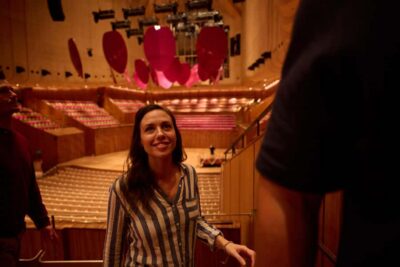
Opera House Guided Tour with Entrance Ticket
Read our review →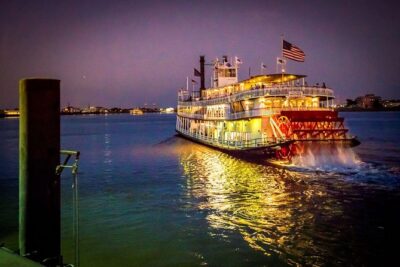
New Orleans Steamboat Natchez Jazz Cruise with Dinner Option
Read our review →
Budapest Danube Cruise and Dinner Options, Live Music and Dance
Read our review →
3-Course-Dinner Cruise on the Seine with live music
Read our review →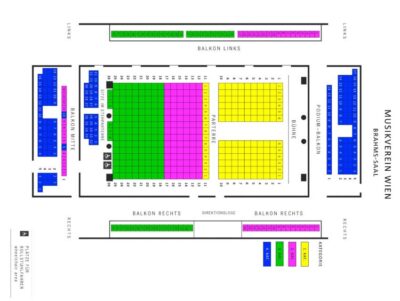
Classical Concert in the World-Famous Musikverein
Read our review →
Browse the lists this tour appears in