
REVIEW · AUSTRIA
Konzerte der Wiener Royal Orchester
Vienna’s Royal Orchestra offers a lively introduction to classical music, with familiar pieces by Mozart, Vivaldi, and Strauss joined by a soprano, dancers, and a conductor who gets the audience clapping. I like the friendly two-hour format and the 8:00 or 8:30 pm timing, which fits neatly after dinner.
The ornate Haus der Industrie on Schwarzenbergplatz gives the evening a suitably grand setting, and the roughly $71 price can be fair if you want music plus stage entertainment rather than a formal symphony concert. The main concern is practical: venue and ticket instructions have sometimes been unclear, and rear seats may have poor views because the seating is not tiered.
Key points to know before booking
- A lively classical sampler: Expect recognizable Mozart, Vivaldi, Strauss, waltzes, polkas, opera, ballet, and audience participation.
- The front rows matter: The stage is low and the seating may be flat, so bronze seats can mean blocked views of the soprano and dancers.
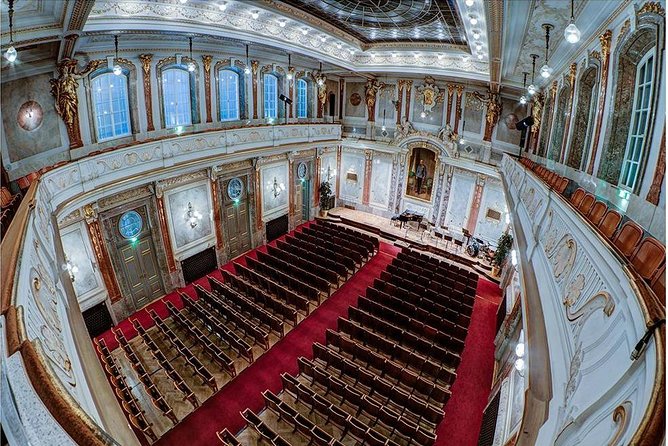
- A beautiful Ringstrasse setting: The Haus der Industrie is an ornate venue near public transportation and Schwarzenbergplatz.
- A small group can still make a big sound: The full Vienna Royal Orchestra organization includes more than 150 artists, but a particular concert may feature a much smaller ensemble, sometimes around 10 musicians.
- Allow extra time for finding the entrance: Confirm the exact venue and ticket collection point before leaving your hotel.
- Budget for the coat check: A compulsory coat check has been reported at about €1, including for some higher-priced ticket holders.
A two-hour concert built for first-time classical listeners
This is not designed as a stern, silent evening of difficult symphonic music. The program aims to give you a broad taste of Vienna’s musical identity in one sitting. You may hear a string-led piece, a famous waltz, an opera aria, a ballet number, and a cheerful encore, all within about two hours.
That makes the concert a good choice if you want something distinctly Viennese but do not spend much time listening to classical music at home. You do not need to recognize every composer or understand musical form. The familiar melodies do much of the work, and the conductor adds humor, clapping, and direct audience involvement.
The program can include works by Mozart, Vivaldi, and Johann Strauss, along with pieces such as the Blue Danube, Hungarian Dance, and Radetzky March. The exact selection can vary, especially around Christmas, when seasonal music and a lighter mood may be added.
I would think of this as a polished cultural show rather than a major concert-hall performance by a full symphony orchestra. That is not an insult. For many people, the mix of music, singing, dance, and audience fun is precisely what makes the evening enjoyable.
More Live Music in Vienna:
- Vienna: Vivaldi’s Four Seasons Concert in Karlskirche
★ 4.7 · 14,951 reviews - Vienna: Classical Concert in the World-Famous Musikverein
★ 4.6 · 6,673 reviews - Vienna: Mozart Concert at the Musikverein – Golden Hall
★ 4.6 · 5,194 reviews
Haus der Industrie and the Schwarzenbergplatz setting
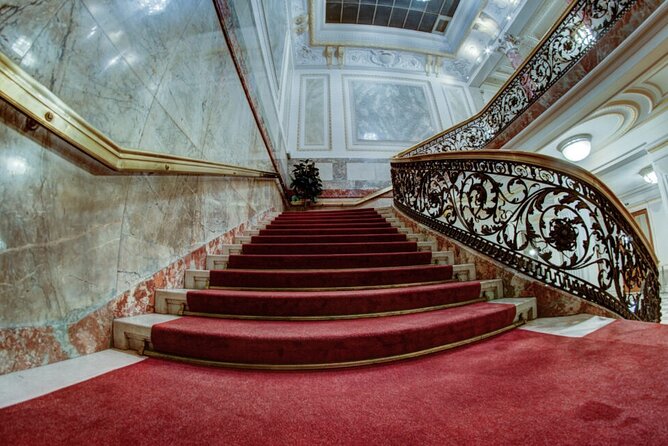
The advertised venue is the Haus der Industrie at Schwarzenbergplatz 4, 1030 Vienna. This ornate building sits on the Ringstrasse, one of Vienna’s grand central boulevards, and gives the concert a formal backdrop before the music even begins.
The location is near public transportation, and one account places the walk from a metro station at about 10 minutes. Give yourself more time than that if you need to collect tickets, check your coat, or find the correct entrance. The building can look quiet from the outside, especially in the evening, and a wrong door or incomplete address can cost you valuable minutes.
This is the most important practical warning I can give you: confirm the exact redemption point on the day of the concert. The stated meeting information identifies the House of Industry, but some ticket holders have been directed to a church across the street or another nearby entrance. Others have spent 20 to 30 minutes walking around in the cold, looking for a door or ticket desk.
That confusion is not a minor nuisance when the concert starts at night. You may be dressed for a formal evening, carrying a coat, and trying to reach your seats before the musicians begin. Save the venue name, address, and any updated instructions on your phone. If the voucher does not clearly explain where to exchange it for a ticket, contact the provider before you set out.
What happens when you arrive
The published information gives two different start times: the general description says 8:00 pm, while the meeting details say 8:30 pm. Treat the time printed on your current voucher as the authority, and check for any update shortly before the performance.
Ticket collection is usually intended to happen at the concert venue. That sounds simple, but unclear directions have caused real problems, including missed performances. Do not assume that the large building entrance you first see is the correct one. Look for concert staff, signage, or the named redemption desk.
A coat check may be compulsory and has been reported at about €1. It is a small cost, but it is worth knowing in advance. Some people reasonably expect coat service to be included with VIP tickets, especially when a drink or other extras are part of the advertised package.
You do not need to arrive extremely early just to sit in the hall, but I would allow enough time to solve a location problem without panic. Arriving early also gives you a chance to look at the interior and take photographs before the audience settles in.
The music, soprano, and dancers
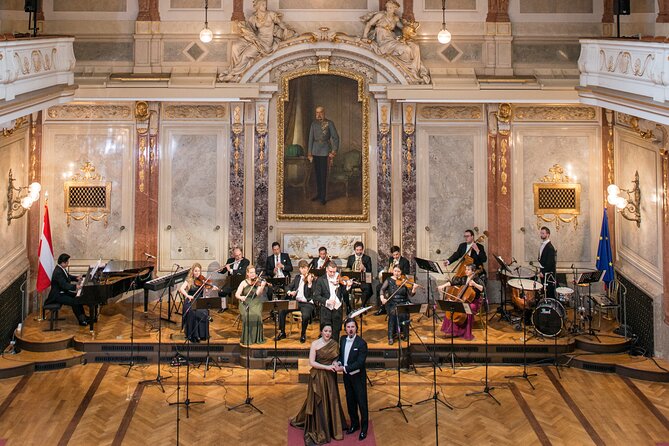
The orchestra is formed from members and substitutes connected with Vienna’s major orchestras. The organization describes the Vienna Royal Orchestra as having more than 150 artists, but that does not mean 150 musicians perform at every show. A particular evening may use a compact ensemble, sometimes around 10 players.
That smaller setup can still fill the room with sound. The concertmaster and solo violinist often receive special attention, and one particularly admired performance featured a violinist whose expressive playing helped carry the evening. The musicians are presented as performers, not anonymous figures in the background.
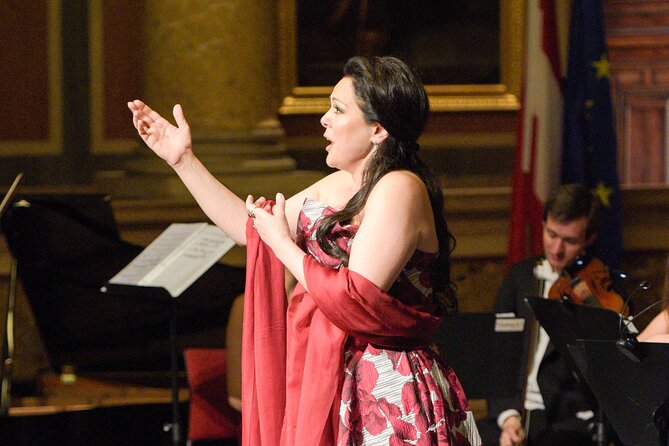
A soprano normally adds one of the program’s clearest changes of pace. Anna Ryan was specifically named in one account, but you should not assume she will sing every date unless her name appears in your booking details. The vocal numbers may include opera arias, and the singer may perform two pieces.
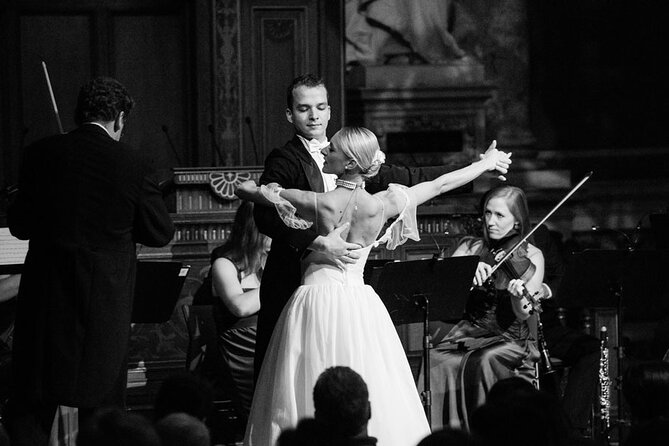
The dancers add movement to works such as the Hungarian Dance and Blue Danube. Their role is more of a graceful visual accent than a full ballet production. If you are hoping for a complete opera or a serious ballet recital, this is not that. If you want a little stage variety between orchestral pieces, the singers and dancers make the program easier to follow.
The conductor may speak to the audience, invite clapping, or create a comic moment. The Radetzky March often works as a final crowd-pleaser, with the familiar rhythmic applause turning the room into part of the performance.
Another night with a band on stage:
- Vienna: Classical Concert in St. Anne’s Church (Annakirche)
★ 4.6 · 3,414 reviews - Vienna: Mozart and Strauss Concert at Schönbrunn
★ 4.5 · 2,967 reviews - Vienna: Classical Concert at Mozart’s First House
2,423 reviews - Vienna Classical Concert at St. Peter’s Church
★ 4.5 · 2,039 reviews
Seating: bronze, gold, or VIP?
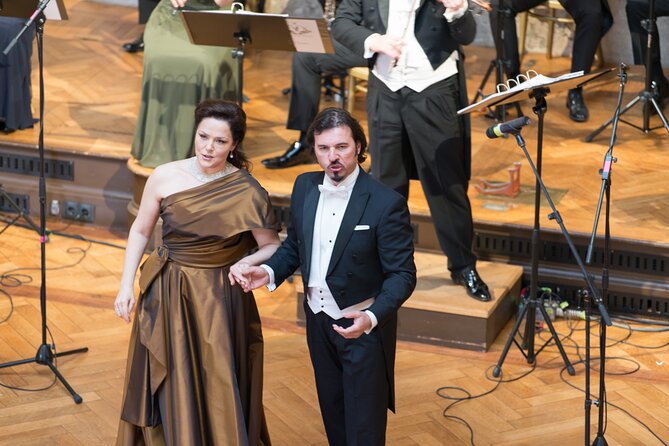
Seat selection is the biggest factor in how much you enjoy this concert. The room may have a flat floor, with little or no height difference between rows. That creates a simple problem: a tall person sitting in front of you can block your view of the low stage.
The issue matters most during the vocal and dance sections. You may still hear the music clearly from the back, but seeing the soprano or dancers can be difficult. One account described the stage as only about two feet high and found the performers hard to watch from the rear rows.
If you care about seeing every performer, choose a front section, especially if the price difference is manageable. Gold seats have placed some people in the second row, where the singer and dancers were easy to see. VIP seating can offer front-row access and a closer connection to the orchestra.
Still, do not assume that the most expensive ticket automatically delivers a better overall value. Some people paid for VIP service but did not receive an expected drink or CD. Others found that the main practical benefit was the seat itself. If the program lists extras, confirm exactly what is included and when you receive it.
The value of bronze seating depends on your priorities. If you mainly want to hear music in an ornate room, it may be enough. If you want clear sightlines, photographs, and the full effect of the stage presentation, spending more for the front can make sense.
Is the $71 price good value?
At about $71.38 per person, this is not a bargain basement ticket, but it can be reasonable for an evening that combines an orchestra, a historic-looking venue, opera, dance, and audience interaction. You are buying a complete night out, not just a seat for a short recital.
The value is strongest for first-time visitors who want an accessible taste of Vienna’s musical traditions. The program uses famous works, keeps the pace moving, and adds enough theater to hold the attention of family members who might not choose a formal classical concert.
The calculation changes if you want a large orchestra, perfect acoustics, or a demanding program performed without showmanship. A smaller ensemble and light entertainment format may feel less special to a serious concertgoer. The low stage also makes an expensive rear seat a poor deal.
My practical approach is simple: pay for a front section if the view matters, but do not pay extra just because a ticket says VIP. Check the promised extras, ask where you will sit, and decide whether the seat or the drinks and gifts are the real reason for the upgrade.
Timing it with dinner and a Vienna evening
The evening schedule works well after a meal. A start around 8:00 or 8:30 pm gives you time for dinner, though you should not book a restaurant reservation so tight that a delayed meal leaves you racing across town.
Schwarzenbergplatz is a useful central meeting point, but the venue instructions need special attention. Leave time for the walk from public transportation, ticket collection, a possible coat check, and finding the correct entrance.
The concert lasts about two hours, so it can fill a single evening without taking over your whole night. You can make it a relaxed first-night activity, especially if you want a gentle introduction to Vienna rather than a demanding schedule of museums and monuments.
The setting also helps the experience feel like more than a concert recording played in a room. The ornate interior, formal building, live violin, soprano, and dancers create the kind of evening many people hope for when visiting Vienna.
Who will enjoy this most?
I would recommend this concert to:
- First-time classical listeners who want familiar tunes and a welcoming format.
- Families with older children and teenagers.
- Couples looking for an evening activity after dinner.
- People who want music, opera, and ballet in one compact show.
- Visitors who prefer a lively performance to a very serious concert.
- Anyone who enjoys audience participation and recognizable Viennese pieces.
I would be more cautious if you are a dedicated classical listener seeking a full symphony orchestra or a demanding, artistically focused program. You may find the format too light and the ensemble too small.
I would also hesitate to book a rear bronze seat if you are short, have difficulty seeing over people, or care strongly about watching the dancers and singer. For sound alone, the back may be fine. For the complete stage picture, the front is safer.
Booking and cancellation details
Confirmation is issued at booking, and most people can participate. The experience is close to public transportation, though the final walk and entrance may still require careful attention.
You can cancel for a full refund if you do so at least 24 hours before the local start time. Cancellations made within 24 hours are not refunded, and changes inside that window are not accepted.
The provider is Wiener Royal Orchester. Because the concert time and venue instructions have caused confusion, save your confirmation and check it again on the day of the performance.
Should you book the Vienna Royal Orchestra?
Book it if you want an easy, entertaining introduction to Vienna’s classical tradition, especially if Mozart, Strauss, waltzes, opera, and ballet sound appealing in one evening. The musicians can be excellent, the conductor keeps the room involved, and the Haus der Industrie gives the night a grand sense of occasion.
Choose your seat carefully. The most useful upgrade is a clear view, not necessarily a VIP label. Before leaving for the concert, verify the start time, exact entrance, and ticket collection point. With those details settled, this can be a memorable and approachable night of music.
FAQ
Where does the Vienna Royal Orchestra concert take place?
The stated venue is the Haus der Industrie at Schwarzenbergplatz 4, 1030 Wien, Austria. Some concert dates have used a nearby church or a different entrance, so confirm the exact location and redemption point before attending.
How long does the concert last?
The concert lasts approximately two hours.
What time does the concert start?
The general information gives an 8:00 pm showtime, while the meeting details list 8:30 pm. Check the start time on your current booking confirmation before setting out.
How much does the experience cost?
The listed price is $71.38 per person. Prices and ticket categories can change, so check the amount shown when you book.
What music is performed?
The program can include music by Mozart, Vivaldi, and Strauss, along with waltzes, polkas, the Blue Danube, Hungarian Dance, and the Radetzky March. The exact program may vary.
Are opera and ballet included?
The performance can include a soprano and ballet dancers alongside the orchestra. Some programs feature two vocal pieces and dancers during selected works.
Which seats offer the best view?
Front seats generally offer the clearest view of the soprano and dancers. The seating may be flat, so people in rear rows can have obstructed views even if the sound remains clear.
Is public transportation available near the venue?
Yes. The venue is near public transportation, and one account estimates a walk of about 10 minutes from a metro station.
Can I cancel for a refund?
Yes, if you cancel at least 24 hours before the local start time. Cancellations or changes made less than 24 hours before the experience are not accepted for a refund.
Just added to the listings in Vienna
- Christmas Concerts in Capuchin Church★ 4.5 · 81 reviews
- Vienna: A Little Night Music – Concert at Capuchin Church★ 4.8 · 145 reviews
- Christmas and New Year Concert at St. Peter’s Church in Vienna★ 4.5 · 155 reviews
- Concert at the Palais Schönborn-Batthyány by the Vienna Baroque Orchestra★ 4.5 · 168 reviews
- Vienna: Classical Music Concert in the World-Famous Musikverein★ 4.5 · 180 reviews
- Vienna: Mozart Concert and Austrian Delights Dinner★ 4.4 · 170 reviews
- Vienna: Strauss and Mozart Concert at Hofburg Palace★ 4.7 · 214 reviews
- Vienna: Mozart Concert in the Brahms-Saal★ 4.4 · 244 reviews
Live Music, compared.
Vivaldi’s Four Seasons Concert in Karlskirche
Read our review →
La Fenice Opera House Entry Ticket with Audio Guide
Read our review →
Opera House Guided Tour with Entrance Ticket
Read our review →
New Orleans Steamboat Natchez Jazz Cruise with Dinner Option
Read our review →
Budapest Danube Cruise and Dinner Options, Live Music and Dance
Read our review →
3-Course-Dinner Cruise on the Seine with live music
Read our review →
Classical Concert in the World-Famous Musikverein
Read our review →
Browse the lists this tour appears in