
REVIEW · REGION ZEALAND, DENMARK
Copenhagen: The Opera House Guided Tour
Copenhagen’s Royal Danish Opera House is not just a place to watch a performance. This 75-minute tour takes you from its light-filled foyer into the gilded auditorium and behind the curtain, where huge stage sections and complex scenery move into place. I especially like the Olafur Eliasson light sculptures and the chance to see the technology that makes theatrical illusions work.
The tour also gives you a close look at the glossy maple shell around the Main Stage, followed by glowing woodwork and a gilded ceiling inside the hall. The main drawback is simple: children under seven are not recommended, and strollers, food, drinks, luggage and large bags are not allowed.
Key points to know before you go
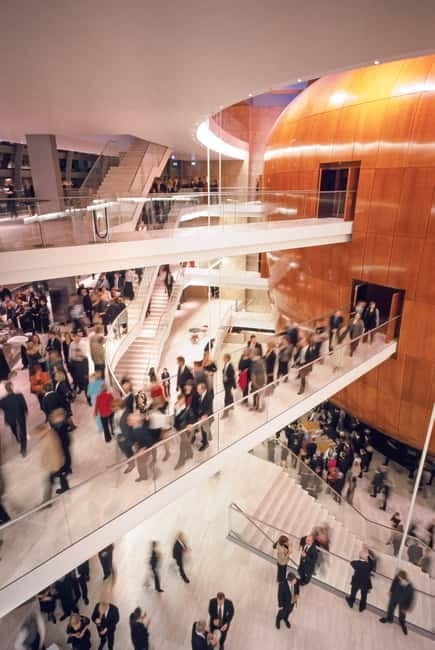
- The foyer is part of the experience: Expect strong light, Olafur Eliasson sculptures and a glossy maple finish before the tour even reaches the auditorium.
- The auditorium has a formal, theatrical look: Look up at the gilded ceiling and take in the warm woodwork around the hall.
- The backstage visit explains the machinery: Movable stage fields allow large and complicated scenery to shift into position.
- The focus goes beyond architecture: Your guide also covers staging, costumes and scenography, the visual design of a performance.
- The tour lasts 75 minutes: That gives you enough time for several areas without turning it into an all-day commitment.
- The practical rules matter: Arrive 15 minutes early, meet in the harbor-side entrance lobby and leave large bags elsewhere.
Why this Opera House tour is worth your time
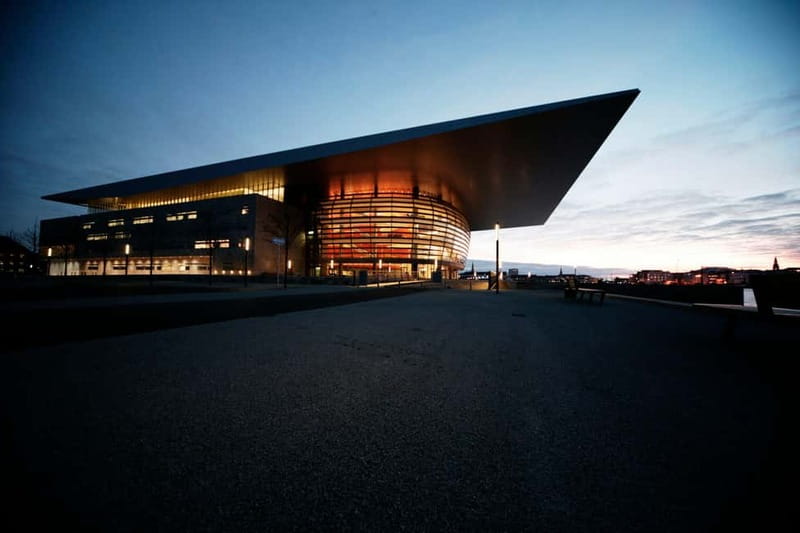
The Royal Danish Opera House is one of Copenhagen’s most striking modern buildings, but a quick look from outside tells you only part of the story. This tour shows how the building works as both a public space and a performance machine.
The experience is especially useful if you enjoy architecture, theater, design or the practical side of live performance. You do not need to know opera to get something from it. The guide explains how a production comes together, so you can appreciate the work that happens before the curtain rises.
At $24 per person, the tour is fairly priced for a 75-minute guided visit to a major cultural building. You are paying not only for entry, but also for access to areas that are not part of a normal performance ticket. The value is strongest if you want context and backstage access, rather than simply a quick look at an impressive interior.
The tour is offered in English, and the live guide format gives you a better chance to understand the purpose behind the building’s design. A self-guided visit might show you the foyer and auditorium, but it would not explain how movable stage fields, costumes and scenery support a production.
More Opera House Tours in the world:
- Venice: La Fenice Opera House Entry Ticket with Audio Guide
★ 4.6 · 11,742 reviews - Sydney: Opera House Guided Tour with Entrance Ticket
★ 4.8 · 8,312 reviews - Sydney Opera House Official Guided Walking Tour
★ 4.5 · 3,770 reviews
Starting at the harbor-side entrance
Your meeting point is in the lobby at the main entrance facing the harbor. It is just around the corner from the official address, Ekvipagemestervej 10, so do not rely only on the street number when finding the group.
Arrive 15 minutes early. That extra time matters because the meeting point is not described as being directly at the official address. You will also need to follow the rules about bags and personal items before the tour begins.
The Opera House is wheelchair accessible. Baby strollers are not allowed on the tour, and neither are food, drinks, luggage or large bags. Assistance dogs are allowed, but other pets are not.
The tour is not recommended for children under seven. Younger children may find the 75-minute format and the backstage explanations difficult to follow, while older children with an interest in theater or machinery may find the moving stage systems more engaging.
First stop: the light-filled foyer
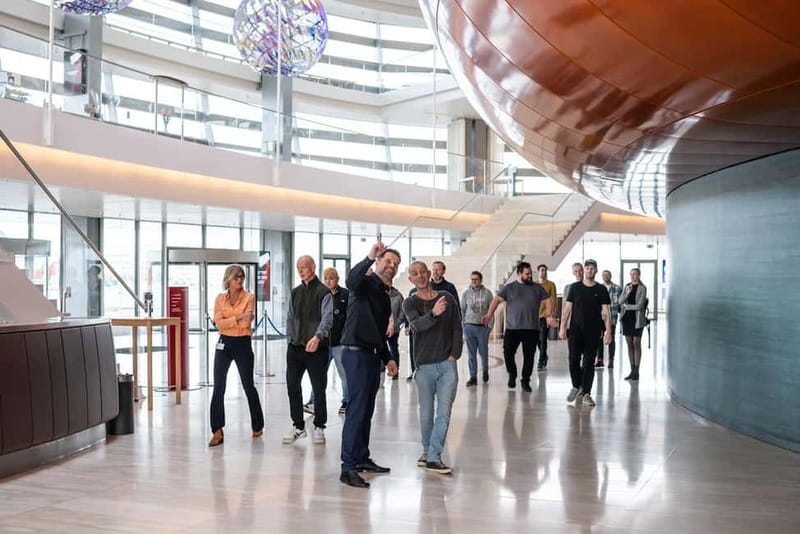
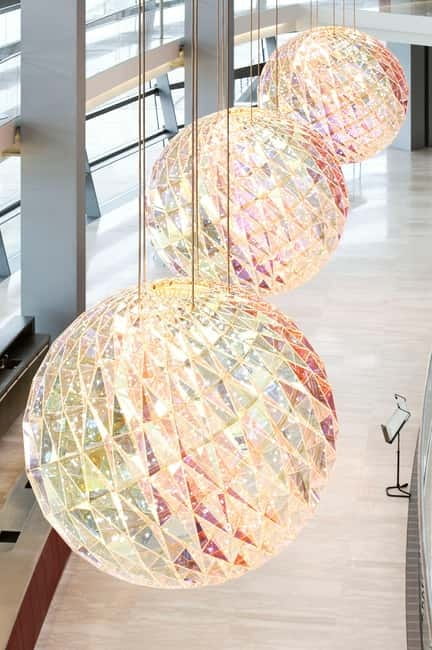
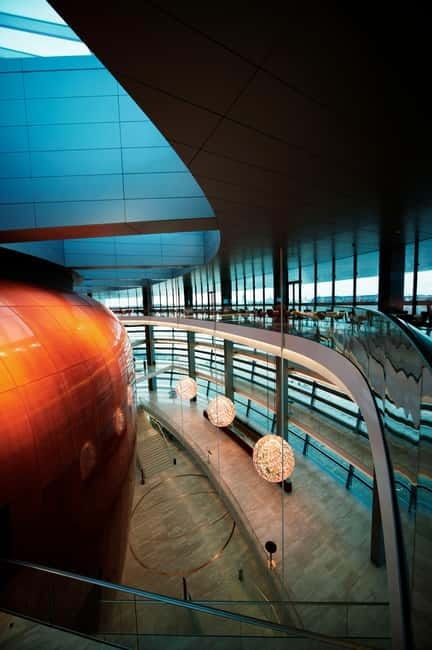
The foyer makes an immediate impression. Its design uses a huge amount of light, polished surfaces and open space, giving the entrance a bright, almost overwhelming feel.
This is where you first see Olafur Eliasson’s world-renowned light sculptures. They are not a small decorative detail tucked into a corner. They help define the mood of the building and give the foyer a strong artistic identity.
I like this opening because it shows that the Opera House is designed to be experienced before you reach your seat. The architecture does not simply move you from the door to the auditorium. It sets a visual tone through light, sculpture and material.
You will also see the glossy maple shell surrounding the Main Stage. The warm wood surface contrasts with the bright foyer and helps signal the transition from public entrance space to performance space.
Your guide can give meaning to these details instead of leaving you to guess what you are looking at. That makes the opening section more useful for anyone interested in architecture and design, not only opera fans.
Still, this part of the tour is mainly visual. If you prefer machinery and practical theater work, the backstage portion will probably hold your attention more strongly. The foyer is about atmosphere, materials and artistic choices.
Inside the auditorium, look up
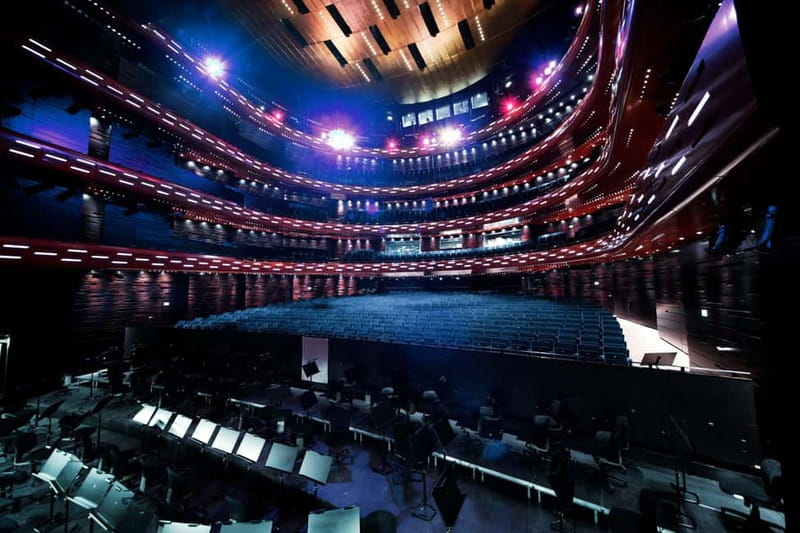
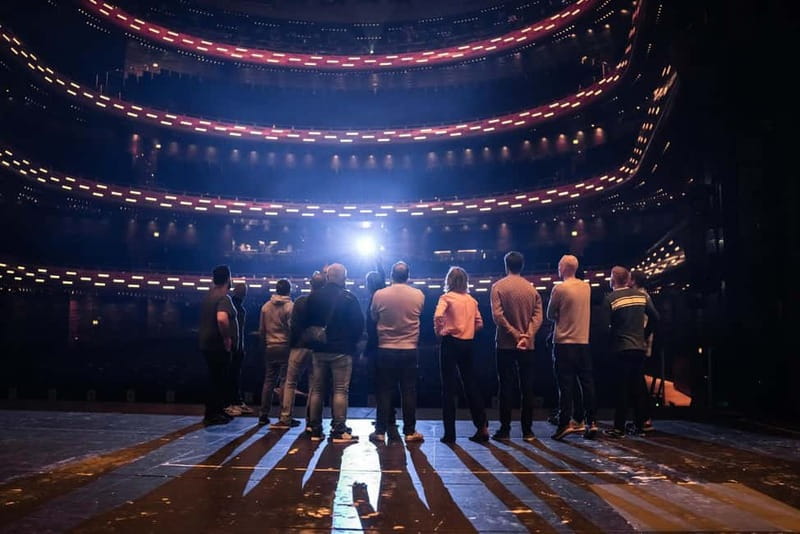
The auditorium has a different mood from the foyer. Here, the gilded ceiling and glowing woodwork take center stage.
The gold above you gives the hall a formal, ceremonial character. The wood brings warmth and keeps the space from feeling cold or overly technical. Together, these details show how an opera house balances spectacle with comfort and function.
Take a moment to look upward. The ceiling is one of the details easiest to miss if you focus only on the stage. The guided format helps direct your attention to parts of the hall that you might otherwise pass without understanding their role.
The auditorium is also where the building’s public image and working purpose meet. It has to look special enough for major performances, but it must also support the practical needs of the Royal Danish Opera.
The tour does not promise a performance, so you should book it for access and explanation rather than live music. If you want to see the Opera House during a show, you would need a separate performance ticket. This tour gives you a different kind of access, with the building and its production systems as the subject.
More Guided Tours in the world:
- Liverpool: City & Beatles Tour with Live Guide & Live Music
★ 4.7 · 5,944 reviews - Palermo: Teatro Massimo Opera House Guided Tour
★ 4.5 · 1,573 reviews - Budapest: Opera House Guided Tour
★ 4.6 · 1,533 reviews - Sydney Opera House Backstage Guided Tour with Breakfast
★ 5.0 · 329 reviews
Behind the scenes with movable stage fields
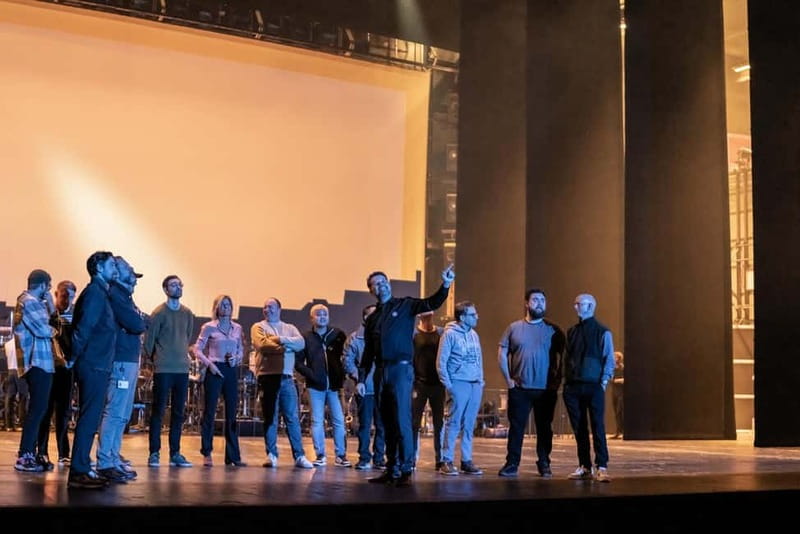
The most distinctive part of the tour is the backstage visit. You learn how movable stage fields allow gigantic and complicated scenery to move into position.
This is the point where the Opera House changes from beautiful building to working machine. A performance may look simple from the audience, but behind the curtain are large pieces of scenery, changing stage arrangements and high-tech systems that must work together.
The tour explains how these systems create theatrical magic and illusions that cannot be achieved in the same way without advanced stage technology. You are not simply shown a hidden corridor or a staff-only room. You are shown how the stage itself can be rearranged.
That is valuable because it changes the way you watch theater afterward. A set that appears to arrive instantly may depend on carefully designed movement beneath or around the stage. A change in scenery may require a large technical operation that the audience never sees.
The exact backstage route and machinery visible on the day can depend on how the Opera House is being used. The supplied information describes movable stage fields and high-tech solutions, but it does not promise that every part of the technical system will be operating during your visit. Think of this as an explanation of the stage’s capabilities, not a live demonstration of every mechanism.
If you are curious about engineering, production design or the hidden labor behind performances, this section is likely to be the strongest reason to book.
Staging, costumes and scenography
The tour also covers staging performances, costumes and scenography. Scenography means the visual design of a performance, including the way scenery, space and artistic elements work together.
This broader approach keeps the tour from becoming a simple architecture walk. You learn how a production is built as a whole. The set must fit the stage systems, costumes must support the performers and the visual design must help create the intended world of the performance.
For you, that means the tour offers a look at theater as a team effort. The final result onstage depends on many choices that are invisible once the lights go down.
Costumes receive attention as part of the production process, though the available information does not specify a dedicated costume collection or particular garments on display. Expect an explanation of how costumes fit into staging rather than a separate costume exhibition.
The same applies to scenography. You will learn about its role in creating performances, but the tour is not described as a workshop where you design a set yourself. Its strength is explanation and access to the Opera House’s working areas.
How the 75-minute length works
Seventy-five minutes is a sensible length for this visit. It gives the guide room to cover the foyer, auditorium and backstage areas while keeping the experience short enough to fit into a Copenhagen sightseeing day.
I would allow extra time before the start for finding the correct entrance and arriving early. After the tour, you may also want time to think over the design details, especially if the light sculptures or stage machinery catch your interest.
The tour has a clear progression:
- You meet in the harbor-side lobby.
- You enter the bright foyer and see Olafur Eliasson’s light sculptures.
- You examine the glossy maple shell around the Main Stage.
- You move into the auditorium with its gilded ceiling and glowing woodwork.
- You go behind the scenes to learn about movable stage fields and technical effects.
- You finish with more context on staging, costumes and scenography.
That sequence works well because it moves from appearance to function. First you see what the audience sees. Then you learn what happens behind it.
Is $24 a good value?
At $24, this is a reasonably priced cultural activity in Copenhagen. The tour is not the cheapest way to spend an hour, but the price includes entrance and a live guided visit in English.
The value depends on what you want. If you only want a photograph of the building or a quick look at the entrance, $24 may feel unnecessary. If you want to understand the building’s design and see how performances are made, the price is easier to justify.
The backstage access is the key value. Many cultural buildings can be viewed from public areas, but the technical side of an opera house is harder to understand without a guide. Here, you get a clear explanation of scenery movement and theatrical systems in addition to the architecture.
The reserve-now, pay-later option can help if your Copenhagen schedule is still changing. Free cancellation is available up to 24 hours before the tour for a full refund. Check the available starting times before booking, since the duration is fixed but the start time can vary.
Who should book this experience?
I would recommend this tour to adults and children over seven who enjoy:
- Opera, theater and live performance
- Modern architecture and interior design
- Olafur Eliasson’s light-based artwork
- Stage machinery and technical systems
- Costumes, scenery and visual storytelling
- Short cultural activities with a clear timetable
It also suits you if you want something different from Copenhagen’s streets, museums and historic buildings. The Opera House presents a modern side of the city, with polished wood, dramatic light and advanced production technology.
You may want to skip it if you dislike guided tours, have no interest in architecture or theater, or need to bring a stroller or large bag. You also should not book it expecting a live opera performance. The focus is the building and the work behind performances.
The English-language format is useful for international visitors. A Danish-language tour is available through The Royal Danish Theatre’s website, but this particular experience is conducted in English.
Practical advice for a smoother visit
Start by putting large bags and luggage somewhere secure before heading to the Opera House. They are not allowed on the tour, and the same rule applies to food and drinks.
Use the official address as a general reference, then look for the lobby at the harbor-facing main entrance just around the corner. Arriving 15 minutes early gives you time to get oriented without rushing.
Wear something comfortable enough for a 75-minute guided walk and standing visit. The tour is wheelchair accessible, which makes it suitable for visitors who need step-free access, though the provided information does not describe every part of the route in detail.
Keep your expectations focused. You will see major interior spaces, learn how the stage works and hear about production roles. You are not promised a rehearsal, a performance or access to every backstage room.
Should you book the Opera House guided tour?
Book it if you want to see more than the polished public face of Copenhagen’s Opera House. The foyer, Eliasson light sculptures, maple shell, gilded auditorium and backstage stage fields give you four different ways to understand the building.
At $24, the tour offers good value for anyone interested in how theater is made. The strongest parts are the guide’s explanation of the technical systems and the chance to connect the beautiful interiors with the demanding work behind a performance.
Skip it if you are looking for live opera, a fully self-guided visit or a family activity for very young children. For adults, older children and anyone curious about design or stagecraft, this is a focused and practical way to spend 75 minutes in one of Copenhagen’s most impressive modern cultural spaces.
FAQ
How long does the Opera House guided tour last?
The tour lasts 75 minutes.
How much does the tour cost?
The listed price is $24 per person.
What language is the tour conducted in?
The guided tour is conducted in English.
Where is the meeting point?
Meet in the lobby at the main entrance facing the harbor. It is just around the corner from the official address, Ekvipagemestervej 10.
How early should I arrive?
Arrive 15 minutes before the tour begins.
Is the tour wheelchair accessible?
Yes, the tour is wheelchair accessible.
Are children allowed on the tour?
Children are allowed, but the tour is not recommended for children under seven.
Can I bring a baby stroller?
No. Baby strollers are not allowed on the tour.
Can I bring food, drinks or luggage?
No. Food, drinks, luggage and large bags are not allowed.
Can I cancel the tour for a refund?
Yes. You can cancel up to 24 hours in advance for a full refund.
Just added to the listings in the world
- Beijing: Night Tour Of Peking Opera Show / Transfer★ 4.3 · 5 reviews
- Barcelona: Jam Session – Jazz, Cocktails and Tapas★ 4.8 · 19 reviews
- Barcelona: Taste 5 Spanish Wines paired with Live Music★ 5.0 · 3 reviews
- Beijing Culture Event: Tea Ceremony, Music Show, Calligraphy★ 5.0 · 5 reviews
- Bangkok: ThreeSixty Jazz Lounge at Millennium Hilton★ 4.0 · 8 reviews
- Barcelona: Solo Piano Intimate concerts in Barcelona★ 4.9 · 9 reviews
- Bangkok: Party Boat Cruise with DJ and Live Music★ 4.3 · 3 reviews
- Bali Phinisi Cruise: Sunset Dinner with Live Music & Buffet★ 3.7 · 18 reviews
Opera House Tours, compared.
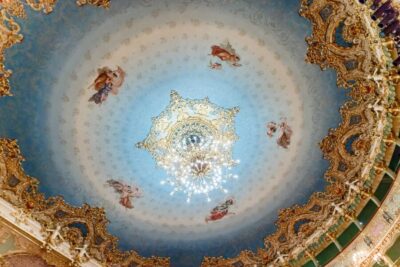
La Fenice Opera House Entry Ticket with Audio Guide
Read our review →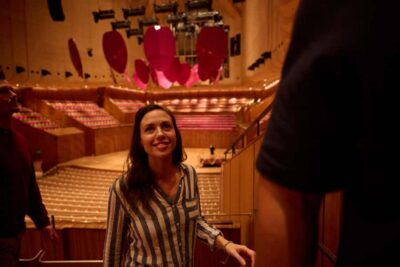
Opera House Guided Tour with Entrance Ticket
Read our review →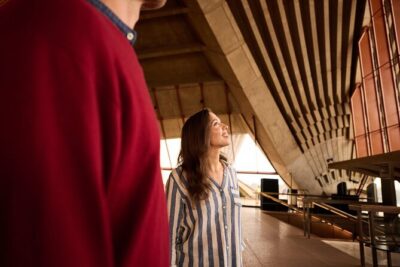
Sydney Opera House Official Guided Walking Tour
Read our review →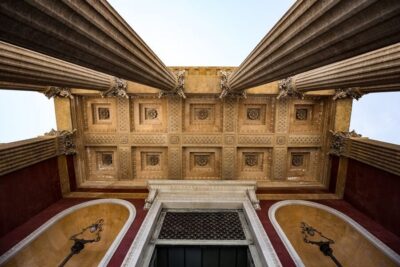
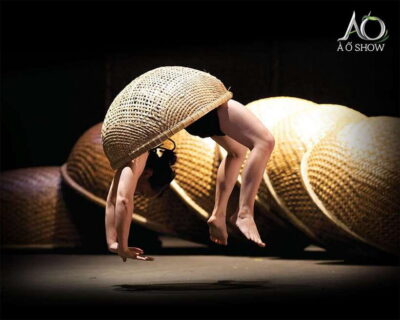
A O Show Bamboo Circus at Saigon Opera House
Read our review →
Sunrise Kayak, Opera House & Under Harbour Bridge
Read our review →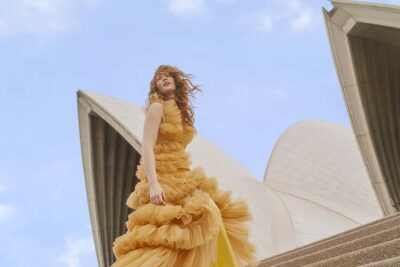
Browse the lists this tour appears in