
REVIEW · AUSTRALIA
Sydney Opera House Official Guided Walking Tour
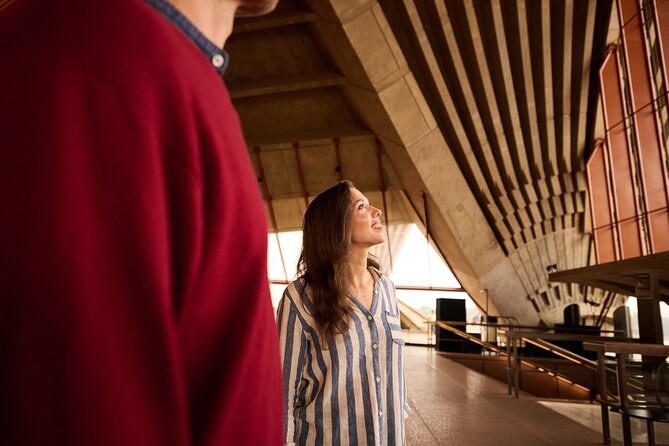
The best part of this tour is getting beneath the famous sails and seeing how the building works from inside. You walk through elegant foyers, enter two performance spaces, sit in a white birch chair, and look up at the vaulted ceilings while a guide explains the design and construction story. The architecture lesson is the real prize.
I like the access to spaces normally reserved for ticket holders, and I like the clear, focused one-hour format. Guides such as Sheila, Laura, Michael, Emmi, Katharina, and Peter have been praised for making the history lively, with Peter bringing an especially useful perspective from his background as a retired architect who worked on Opera House projects. The main drawback is physical: the route includes about 300 stairs, and you see only two of the venue’s halls rather than the entire complex.
Key points to know before you book
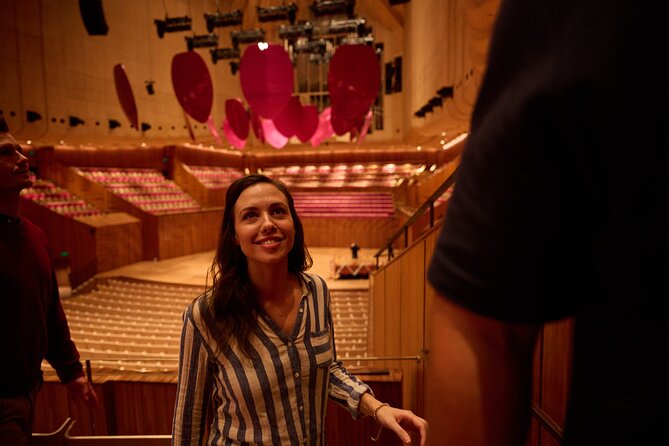
- Two performance spaces: The route can include the main Concert Hall and one smaller venue, such as The Studio, depending on access that day.
- About 300 stairs: The steps come in smaller sections, but comfortable shoes and reasonable mobility are important.
- A strong architecture focus: You learn about the shell tiles, the Danish architect Jørn Utzon, construction problems, and how the building’s acoustics work.
- One-hour pace: It fits neatly into a morning or afternoon, though some people will wish the tour lasted longer.
- Optional meal add-on: Tour and Dine can be redeemed at House Canteen or Opera Bar from 11:30 a.m. to 6 p.m., or at Midden by Mark Olive during specified midday and evening times.
- Strict arrival rule: Check in at the Welcome Centre 15 minutes early. Arriving more than five minutes after the start means you cannot join.
Why the inside matters more than the postcard view
Sydney’s Opera House is easy to admire from the outside. Its white sails, harbor setting, and unmistakable outline make it one of the city’s essential sights. But an exterior photo tells you almost nothing about the difficult engineering and artistic choices behind it.
This walking tour gives you the missing piece. Instead of simply circling the building, you enter the foyers and performance areas with a guide who can explain what you are seeing. That makes the building feel less like a sculpture and more like a working venue designed for opera, concerts, plays, musicals, and ballet.
The Opera House stages more than 1,500 performances each year, with some descriptions placing the number above 1,800 depending on what is counted. Either way, this is not a museum frozen in time. It remains a busy performance center, and access to particular halls can change according to rehearsals, performances, and venue operations.
That uncertainty is worth understanding before you pay. You are buying an informed walk through part of the building, not a guarantee that every hall will be open. The tour is strongest when you want the story of the building and a close look at its spaces, rather than a complete inspection of every room.
More Opera House Tours in the world:
- Venice: La Fenice Opera House Entry Ticket with Audio Guide
★ 4.6 · 11,742 reviews - Sydney: Opera House Guided Tour with Entrance Ticket
★ 4.8 · 8,312 reviews - Palermo: Teatro Massimo Opera House Guided Tour
★ 4.5 · 1,573 reviews
Meeting at the Welcome Centre
You need to find the Welcome Centre on the lower concourse level and arrive 15 minutes before departure. The check-in and cloaking procedures take time, so do not plan to stroll in at the last moment.
Finding the tour meeting point can be harder than expected. Signage is limited, and a small sign directs you to the lower level. Give yourself extra time if you are unfamiliar with the Opera House grounds, especially if you are fitting this into a tightly scheduled day.
Large bags and backpacks must be checked. Pack lightly and keep anything you need before the tour accessible. The experience provider sets a firm departure time, and anyone more than five minutes late forfeits the tour rather than joining the group halfway through.
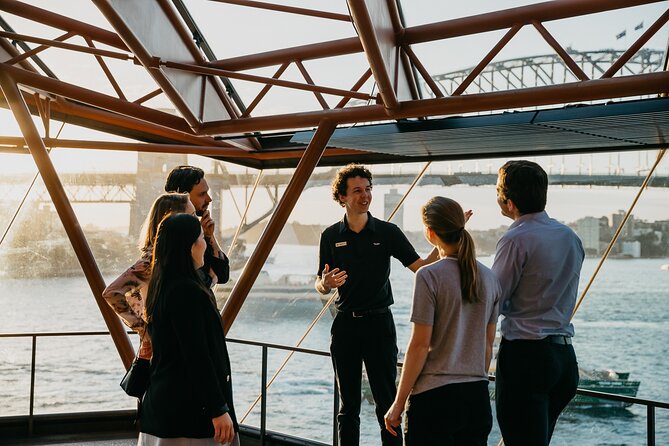
The group can have up to 35 people. That is not an intimate private walk, but the use of individual headsets helps you hear the guide even when the group spreads through the foyers. The headsets also let the guide speak at a normal volume instead of shouting across the building.
You should also confirm the tour language when booking. Selecting the wrong language can spoil an otherwise worthwhile hour.
Walking beneath the sails
The opening part of the tour introduces the Opera House as both an architectural landmark and a functioning venue. You hear about its Danish architect, Jørn Utzon, the ideas that shaped the design, and the practical problems that made construction so difficult.
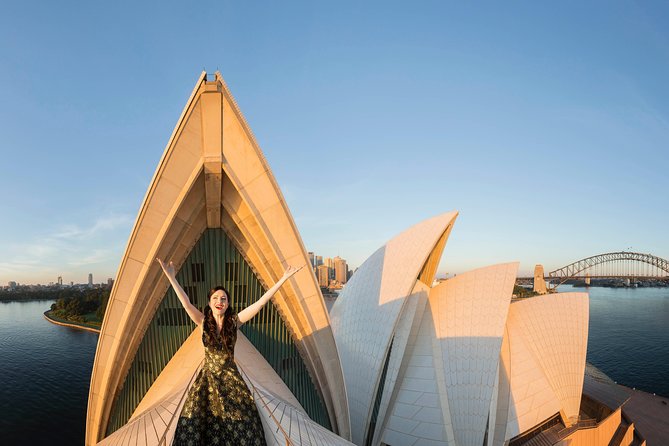
The exterior shell tiles receive particular attention. Up close, their repeated pattern is much easier to appreciate than from the harbor promenade. The guide explains how the shell-like forms create the building’s signature profile and why turning an ambitious design into a usable performance center took so much work.
This is where the guide’s skill matters most. A dry list of dates and measurements would not do much for you, but the better guides connect the design choices to the challenges of building the Opera House. Peter, described as a retired architect who worked on Opera House projects, is the sort of guide who can add useful professional context. Guides including Sheila, Laura, Michael, Katharina, and Emmi have also been singled out for clear explanations, energy, and humor.
Do not expect every guide to tell the story in exactly the same way. The core material remains the architecture, construction, performances, and operation of the building, but the delivery can vary. That is normal on a public walking tour and one reason the guide contributes so much to the experience.
The foyers and vaulted interiors
Inside, the tour moves through the Opera House foyers and into selected performance areas. The foyers are valuable not only for their polished design, but also because they show how people move through a huge building before a performance begins.
You may sit in a custom-made white birch chair and look up at a vaulted ceiling. These details help you notice the building at human scale. Instead of seeing only giant shells and sweeping terraces, you see the materials, seating, ceilings, and lines that shape the experience for people attending a performance.
The tour typically includes two of the Opera House’s halls, not all of them. One may be the main Concert Hall, while the second can be a smaller venue such as The Studio. The exact rooms depend on availability at the time, and that can change even close to departure.
This is an important point for anyone expecting a full building tour. You will not necessarily see all five or six performance venues. You might catch a rehearsal or see a working part of the building, but that is not promised. The changing access is a limitation, yet it also reflects the fact that the Opera House is still producing shows rather than operating solely as a sightseeing attraction.
The main Concert Hall is the highlight for many people. Seeing it empty gives you a better look at its scale, seating arrangement, and ceiling than you get when arriving for a performance. The guide can also explain how the acoustic profile changes for different types of performances, a useful detail if you plan to attend a concert or show later.
More Guided Tours in the world:
- Liverpool: City & Beatles Tour with Live Guide & Live Music
★ 4.7 · 5,944 reviews - Budapest: Opera House Guided Tour
★ 4.6 · 1,533 reviews - Sydney Opera House Backstage Guided Tour with Breakfast
★ 5.0 · 329 reviews - 2 Hour Guided Boat Tour in Gig Harbor and Narrows Bridges
★ 5.0 · 233 reviews
The stair count and the walking pace
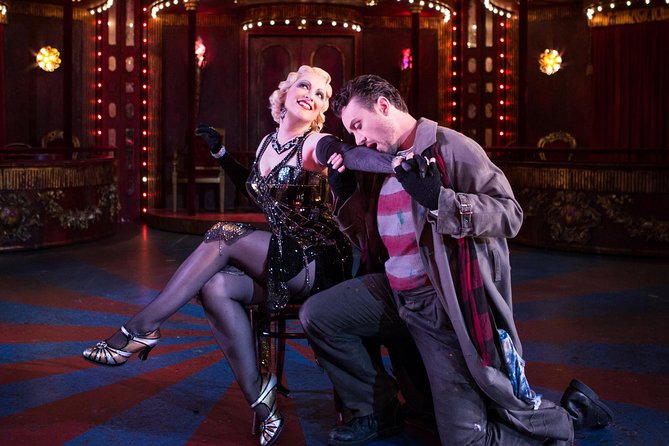
The standard route includes approximately 300 stairs. The steps are spread through the hour rather than tackled in one punishing climb, and the route is described as low impact. Still, you should take the figure seriously.
Wear comfortable shoes. If knees, hips, balance, or stamina are a concern, ask about one of the daily mobility access tours before booking. These tours require advance contact with the provider, so do not assume you can switch routes at the door.
The stairs are one reason the experience feels more like an active building tour than a simple indoor talk. You move between levels, halls, and foyers, and the changes in height help reveal how the Opera House is arranged. For many people, the route is manageable because the climbing comes in short stretches. For others, the total number may make a mobility tour the better choice.
The standard tour is not described as fully accessible, and the venue’s available spaces can change. If you need a particular access arrangement, contact the provider before reserving rather than relying on a same-day solution.
What one hour gives you
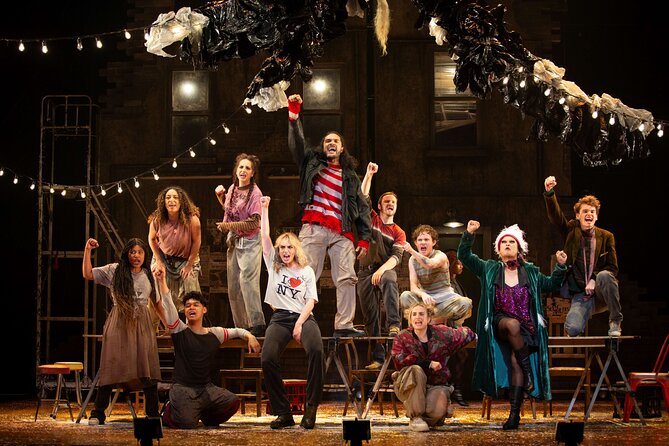
Sixty minutes is enough to establish a clear picture of the Opera House. You learn why the building looks the way it does, how the construction unfolded, what the shell tiles do, and how the performance rooms function.
The format also works well at the start of a Sydney visit. Once you understand the building’s layout and story, the harbor setting becomes more meaningful. You may also decide that you want to return for a concert, play, ballet, musical, or opera after seeing the halls without a performance crowd.
The tradeoff is pace. There is time for selected spaces and focused explanations, but not for lingering in every foyer or stopping for long photographs. Some people will find the hour ideal, while others will wish the tour continued beyond the scheduled finish.
I would not book this if you want a slow photography walk or a complete architectural survey. I would book it if you want a well-organized introduction before attending a show, or if you want to understand why this building became such an important part of Sydney.
Is the price fair?
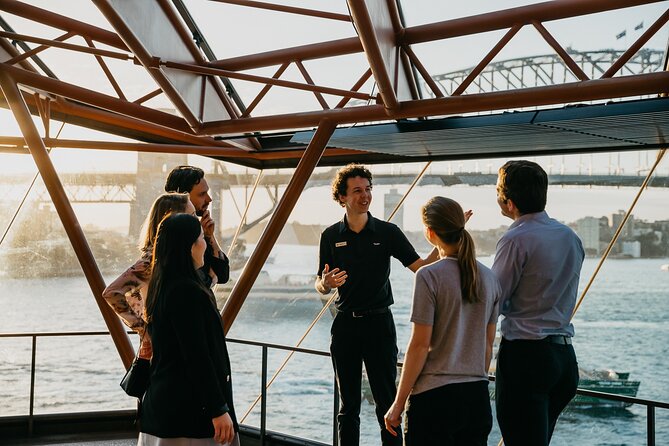
At $34.43 per person, the tour is not the cheapest way to admire the Opera House. You can photograph the exterior and walk around the surrounding precinct without paying anything. The ticket becomes worthwhile when you place value on entering the performance areas and having the building explained by a guide.
The strongest value comes from the combination of access and interpretation. You are not just looking into a hall from a public corridor. You can sit in the custom white birch seating, examine design features up close, hear about the construction problems, and enter areas normally reserved for ticket holders and showgoers.
The one-hour duration keeps the cost from becoming a major time commitment. If you are spending several days in Sydney, it is easy to fit this around other sights. If you add the Tour and Dine option, the meal can make the package more useful, especially if you already plan to eat near Circular Quay.
The dining add-on has set redemption windows. House Canteen and Opera Bar accept it from 11:30 a.m. to 6 p.m. Midden by Mark Olive accepts it from 11:30 a.m. to 2:30 p.m., or from 5 p.m. to 6 p.m. Check those times against your tour before choosing the meal option.
Who will enjoy this tour most?
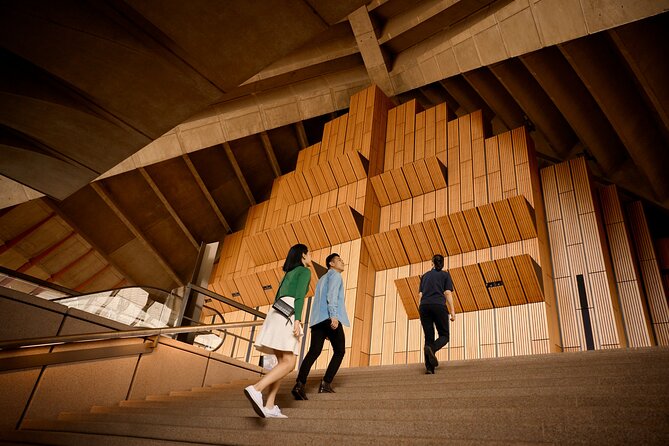
This experience suits first-time visitors who want a clear introduction to Sydney’s best-known building. It is also a good match for architecture fans, people attending a performance later, and anyone curious about how a beautiful but difficult design became a practical venue.
Families can take part because most people can participate, but the stair count matters for young children, older relatives, and anyone with limited mobility. The short duration helps, though a child who dislikes walking and listening may find the architecture talk less appealing than the harbor views outside.
People who enjoy local guides will get the most from it. The best moments come from the explanations: why the exterior has its distinctive form, how the halls work, what changed during construction, and how the building handles thousands of performances.
You should skip it if you are satisfied with exterior views, if you need a completely step-free route without arranging a mobility tour, or if your main goal is to see every performance space. The access schedule is not fully under the tour’s control.
Practical booking advice
Reserve ahead when possible. Availability can fill, and confirmation is subject to availability. The stated cancellation policy allows a full refund when you cancel at least 24 hours before the start time. Cancellations or changes inside that window are not accepted for a refund.
Plan to arrive early enough to locate the lower concourse, check in, and deal with cloaking. Avoid scheduling another activity immediately afterward if you need time to collect a bag or move across the harbor precinct.
The venue can change which spaces are open until the tour departs. Treat the listed halls as examples of what you may see, not a fixed promise. That flexibility is the price of touring an active performance building.
Should you book the Sydney Opera House walking tour?
Book it if you want more than the classic exterior photograph. The guide-led access, architecture story, major hall interiors, shell-tile explanation, and chance to see working parts of the Opera House make the $34.43 fee reasonable for most first visits.
Go in with the right expectations: one hour, two selected performance spaces, a maximum group of 35, and about 300 stairs. If those conditions suit you, this is one of the most useful ways to understand Sydney’s defining building. If you need easier access, arrange the mobility tour in advance. If you want to extend the experience, choose the meal add-on only after checking its redemption hours.
FAQ
How long does the Sydney Opera House guided tour last?
The standard guided walking tour lasts approximately one hour.
How many stairs are included?
The standard route includes approximately 300 stairs, spread across the tour in smaller sections.
Which performance spaces will I see?
The tour visits two performance spaces, subject to venue access on the day. These can include the main Concert Hall and a smaller venue such as The Studio. The exact spaces can change.
Where do I check in?
Check in at the Sydney Opera House Welcome Centre on the lower concourse level. You should arrive 15 minutes before the scheduled start for check-in and cloaking.
Can I join if I arrive late?
If you arrive more than five minutes after the tour begins, you cannot join and the tour is forfeited.
Is food included?
Food and drinks are not included in the standard tour. An optional Tour and Dine add-on can be redeemed at House Canteen, Opera Bar, or Midden by Mark Olive during their specified redemption times.
Just added to the listings in the world
- Beijing: Night Tour Of Peking Opera Show / Transfer★ 4.3 · 5 reviews
- Barcelona: Jam Session – Jazz, Cocktails and Tapas★ 4.8 · 19 reviews
- Barcelona: Taste 5 Spanish Wines paired with Live Music★ 5.0 · 3 reviews
- Beijing Culture Event: Tea Ceremony, Music Show, Calligraphy★ 5.0 · 5 reviews
- Bangkok: ThreeSixty Jazz Lounge at Millennium Hilton★ 4.0 · 8 reviews
- Barcelona: Solo Piano Intimate concerts in Barcelona★ 4.9 · 9 reviews
- Bangkok: Party Boat Cruise with DJ and Live Music★ 4.3 · 3 reviews
- Bali Phinisi Cruise: Sunset Dinner with Live Music & Buffet★ 3.7 · 18 reviews
Opera House Tours, compared.
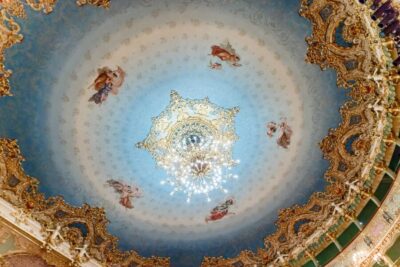
La Fenice Opera House Entry Ticket with Audio Guide
Read our review →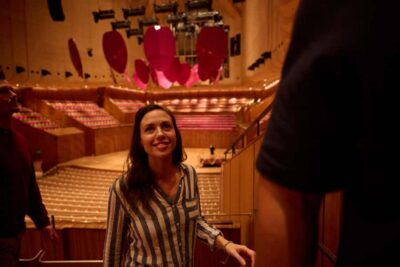
Opera House Guided Tour with Entrance Ticket
Read our review →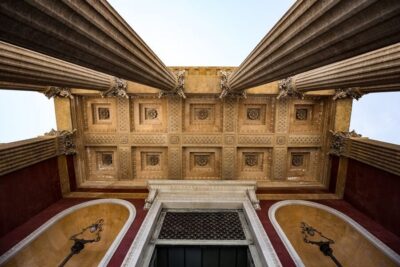
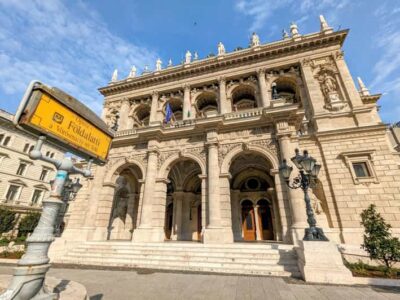
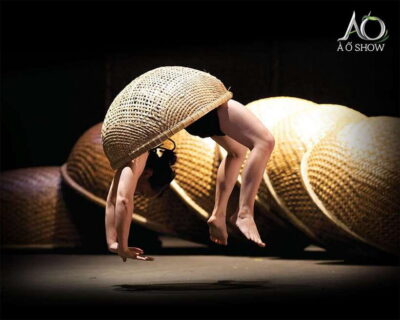
A O Show Bamboo Circus at Saigon Opera House
Read our review →
Sunrise Kayak, Opera House & Under Harbour Bridge
Read our review →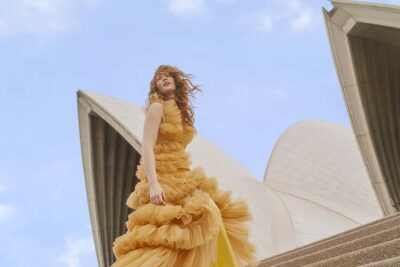
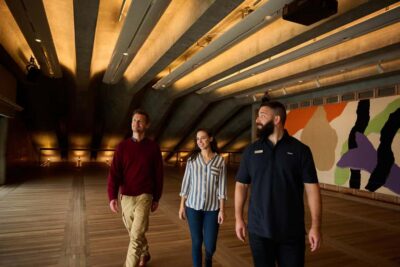
1-Hour Opera House Tour with Meal and Drink
Read our review →Browse the lists this tour appears in