
REVIEW · USA
New Orleans Jazz Walking Tour
New Orleans jazz comes alive here through places, people, and sound. You begin among the monuments and old dance halls of Louis Armstrong Park, visit the former St. Pierre Hotel linked to Armstrong, stand on Congo Square, and finish with live music on Frenchmen Street. The route gives you a useful map of how music and city life grew together.
I like the way the guides use recorded songs to bring different eras into focus, and I like the personal approach of guides such as Harris Parson and Robin. Both are praised for linking jazz to architecture, local customs, and the lives of musicians. The main drawback is that this is a history-heavy walking tour, not a full evening of club hopping, and younger children may lose interest.
Key points to know before booking
- Congo Square puts the music in a wider cultural setting: You learn why this public gathering place matters to the story of New Orleans music.
- Harris Parson and Robin are notable guide names: Guides vary, but these two are praised for clear storytelling, warmth, and strong musical knowledge.
- The tour ends on Frenchmen Street: You finish near Snug Harbor, the Maison, the Spotted Cat, and other places known for live music.
- The pace is steady rather than strenuous: The walk lasts about two hours, but you must be able to stand for long periods.
- The $35 price buys a focused introduction: It is good value if you want context before exploring jazz clubs on your own.
- Book for at least two people: The tour requires a minimum of two participants unless arranged as a private experience.
Why this route explains New Orleans jazz well
Many music tours make you memorize names and dates, then leave you somewhere near a club. This one takes a more useful approach. It places jazz within New Orleans itself, moving from public gathering spaces and early dance halls to musicians, hotels, recording sites, and modern live music.
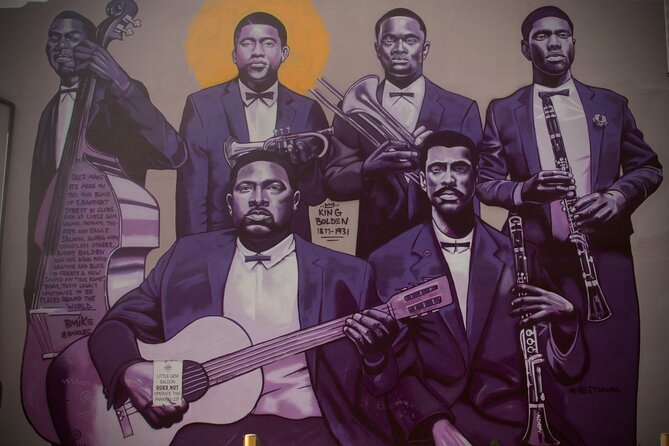
That matters because jazz did not develop in a vacuum. The route connects African American culture, neighborhood life, local architecture, and the careers of major performers. You hear about Louis Armstrong, Jelly Roll Morton, Charles Buddy Bolden, and other figures while standing in places tied to the city’s past.
The guides also add music to the talk. Harris Parson, who is described as a drummer and jazz musician, has used songs during the walk to show how styles and periods changed. That small touch can help you follow the story if you do not already know jazz well.
You do not need a music degree to enjoy this. One participant began with little idea of how jazz developed and found the explanation accessible. At the same time, the tour has enough cultural and musical detail for serious fans, especially when the guide discusses the social conditions that shaped musicians’ lives.
More Jazz Shows in New Orleans
- New Orleans Steamboat Natchez Jazz Cruise with Dinner Option
★ 4.0 · 7,533 reviews - New Orleans Steamboat Natchez Jazz Cruise
★ 4.5 · 5,334 reviews - New Orleans: Evening Steamboat Jazz Cruise + Optional Dinner
★ 4.3 · 4,548 reviews
Louis Armstrong Park: 40 minutes among early jazz figures
The tour begins at Louis Armstrong Park, at 701 North Rampart Street. This is more than a convenient starting point. The park contains monuments to early jazz pioneers and points to former dance halls where the music gained a following.
Expect the guide to introduce names such as Louis Armstrong, Jelly Roll Morton, and Charles Buddy Bolden. Their stories help you see that jazz was built by many musicians, not by one famous star alone. Armstrong may be the best-known name, but Bolden and Morton are essential to understanding the music’s early development.
This first section also gives the guide room to explain how New Orleans neighborhoods and social life shaped performance. You may hear about the places where people gathered, danced, played, and shared music. The setting makes the talk easier to picture than a lecture inside a museum.
I particularly like starting here because it gives you a physical sense of the city before the tour moves to individual buildings and institutions. The free admission also keeps the opening simple. You meet your guide, hear the basic story, and start walking without spending extra money at the first stop.
The limitation is that this portion depends heavily on the guide’s storytelling. The monuments and park setting provide context, but the experience will not feel like a concert or a formal stage presentation. If you want nonstop music, you may find the opening talk slower than expected.
The former St. Pierre Hotel and the New Orleans Jazz Museum
The next section lasts about 40 minutes and focuses on the New Orleans Jazz Museum, described as the first jazz museum, along with the St. Pierre Hotel. Louis Armstrong stayed at the hotel when he performed in New Orleans, so the stop adds a direct connection between the city and one of its best-known musicians.
The museum stop is useful because it shifts the story from public spaces to objects, buildings, and personal connections. Instead of hearing only about jazz as a sound, you get a sense of the people who carried it from one place to another.
The information provided lists admission as free. Still, you should treat that as part of the supplied tour arrangement rather than assume every exhibit or special program is included. The tour is sold as a guided experience, so ask the operator if museum access or interior viewing changes on your date.
This stop may also include broader New Orleans information. Past guiding has covered architecture and city history as well as jazz, and that makes the hotel and museum easier to understand. You are not simply ticking off a music attraction. You are seeing how performers, buildings, neighborhoods, and tourism overlap.
The time here is enough for an introduction, not a full museum visit. If you are the sort of person who studies every display, you may want to return independently after the walk. The tour is designed to keep moving toward Congo Square and Frenchmen Street.
Congo Square: where music, memory, and debate meet
Congo Square receives about 20 minutes, making it the shortest major historical stop. Do not mistake the short visit for a lack of importance. This is one of the key places on the route.
The square is described as sacred ground and as a place where the origins of jazz have been said to emerge. The wording matters. Jazz developed through many influences and over time, so the tour presents Congo Square as a crucial part of the story rather than a simplistic single birthplace claim.
You also learn about Sunday gatherings of freed and enslaved African Americans, where people could drum, dance, and socialize. That context helps you understand why rhythm, communal performance, and African musical traditions matter so much to New Orleans music.
The square sits near Tremé, described here as the oldest African American neighborhood in the country. The stop therefore reaches beyond music. It gives you a brief look at the people and communities whose culture helped shape New Orleans.
Twenty minutes is enough to explain the site and its importance, but not enough for a long neighborhood walk. If Tremé interests you, consider returning for a separate tour. The provider also offers Tremé experiences, but this jazz walk gives you only a concise introduction.
Pay attention to the guide’s framing here. A strong guide can explain the difference between a popular origin story and the larger, more complicated development of jazz. Harris Parson has been praised for connecting music to social and cultural forces, which is especially useful at this stop.
More Jazz Shows in the USA
- New Orleans: Daytime Steamboat Jazz Cruise + Optional Lunch
★ 4.3 · 4,164 reviews - Paddlewheeler Creole Queen Jazz Dinner Cruise in New Orleans
★ 4.0 · 1,469 reviews - New Orleans: Evening Jazz Boat Cruise with Optional Dinner
★ 4.4 · 1,024 reviews - Sunday Jazz Brunch Cruise in New Orleans
★ 4.0 · 889 reviews
Frenchmen Street: finishing with actual live music
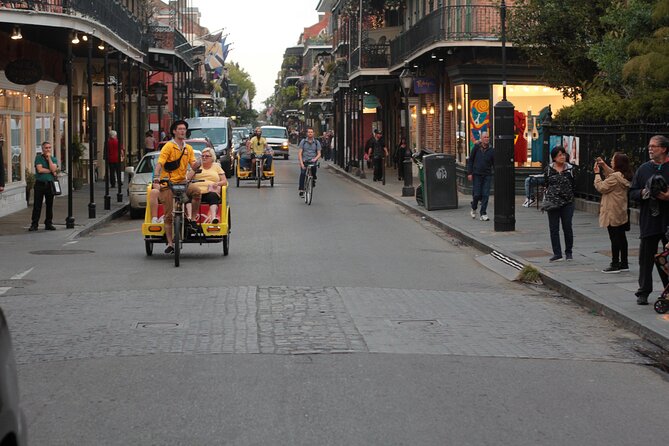
The final 20 minutes bring you to Frenchmen Street, one of New Orleans’ best-known locations for live music. This is the tour’s most immediate payoff. Instead of ending with a monument or a lecture, you finish where you can hear performers for yourself.
The tour does not include dinner, drinks, or a club admission. It also does not promise a reserved seat or a full concert. What it does provide is orientation. You learn where to continue the evening and arrive with a better sense of what you are hearing.
The area includes venues such as Snug Harbor, the Maison, and the Spotted Cat. These examples give you a starting point, though the tour ends on Frenchmen Street rather than guaranteeing entry to any particular venue.
I like this ending because it turns background into a plan. You can stay for music, choose a club, or use the location as a base for the rest of your evening. The area is described as family-friendly for younger visitors, but the earlier content may still be too detailed for small children.
The short 20-minute allocation means you should not expect the guide to lead you through a long club session. Think of it as a handoff from guided learning to your own night out. That arrangement works well if you want freedom after the tour.
What the guides add to the experience
The strongest part of this experience is the guide. The company describes its guides as local Cultural Ambassadors and licensed New Orleans guides. That label matters less than the actual style of presentation, which is personal, musical, and tied to place.
Harris Parson receives especially strong praise for his energy, warmth, and command of jazz and New Orleans culture. He is also described as an oral historian and an active drummer. His approach includes answering questions, playing songs connected to the discussion, and adding details about architecture and city life.
Robin is another guide named in the feedback. She is praised for extensive musical and city knowledge, an easy manner, and using music to show changes across eras and genres. These are useful qualities on a two-hour walk because the subject can otherwise become a list of unfamiliar names.
Guide assignment is not guaranteed, so you should not book on the assumption that Harris or Robin will lead your group. Still, the repeated praise for these guides shows what to look for: a guide who can explain the music clearly, connect it to local life, and answer questions without turning the walk into a dry classroom.
The company’s stated goal is to preserve New Orleans jazz culture, traditions, and heritage. That purpose comes through most clearly when the guide talks about musicians as people, not just as names on a plaque.
Price, timing, and physical demands
At $35 per person, this is a reasonable price for a two-hour guided introduction, especially if you are new to New Orleans jazz. You are paying for a local guide, structured route, cultural interpretation, and a useful finish on Frenchmen Street. The value is strongest when you use the tour to shape the rest of your visit.
The price does not cover snacks, lunch, dinner, drinks, or a separate evening at a jazz club. You may want to plan food around the walk, particularly since the route ends in an area with music venues and other places to continue your night.
The group can reach 28 people. That is not an intimate private walk, though it is still manageable if the guide keeps the group together. A smaller group may make it easier to ask questions, but group size can vary.
Plan for moderate physical fitness. You must walk and stand for long periods, and the tour does not appear suited to someone who needs frequent seating. Comfortable shoes, water, and weather-appropriate clothing are sensible choices, though those items are not included.
Public transportation is nearby, and the tour begins at Louis Armstrong Park and ends on Frenchmen Street. Since the start and finish are different, think about your return trip before you set out. The end point is useful if you plan to stay for music, but you will need to arrange your own way back.
The experience normally requires at least two participants. A solo booking is not operated unless you arrange a private tour, so solo visitors should confirm availability before paying.
Who will get the most from this walk
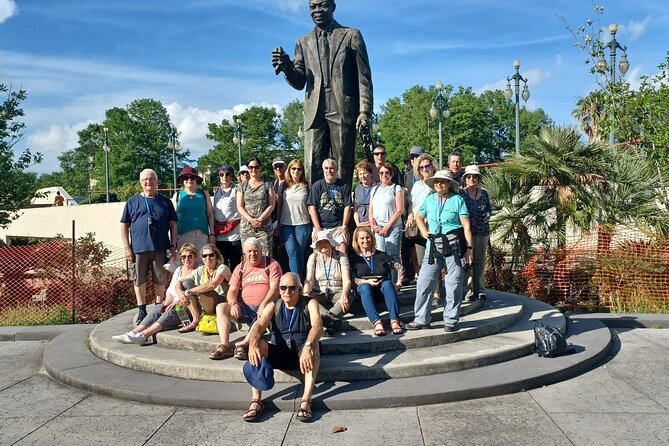
I would choose this tour early in a New Orleans visit. The information can sharpen your understanding of later music, neighborhoods, architecture, and local stories. By the time you reach Frenchmen Street, you have more context for the sounds coming from the clubs.
It suits:
- First-time visitors who want an introduction to jazz without spending a full night in clubs
- Music fans who want biographies and cultural context, not just venue recommendations
- Adults and older children who can listen and stand for extended periods
- Visitors who enjoy local guides with room for questions
- Anyone planning to explore Frenchmen Street after the walk
I would be more cautious if you have very young children, limited mobility, or little patience for spoken history. One family found the tour less suited to younger kids even though the guide was friendly and engaging.
Jazz experts may also find some material familiar. The tour’s value for an experienced listener is likely to come from the New Orleans setting, local details, and guide’s personal interpretation rather than from rare technical analysis.
Weather, cancellations, and a sensible booking plan
The tour requires good weather. If poor weather causes a cancellation, you are offered another date or a full refund. You can cancel for a full refund up to 24 hours before the start time, but changes or cancellations made inside that window are not accepted.
The experience is often reserved well ahead of time, with an average booking point of about 26 days in advance. That does not guarantee every date will sell out, but it is a reason to book ahead if your schedule is fixed.
One practical warning concerns communication if a guide becomes ill. A past cancellation was not communicated promptly through the booking channel, leaving the party at the meeting point. The provider apologized and explained that the guide’s health came first, which is fair, but you should still confirm the tour near the date and keep the booking contact handy.
That issue appears to be an exception within a very strong overall rating, but it is worth knowing. Good planning means checking for updates, especially when your tour is tied to a busy sightseeing day.
Should you book the New Orleans Jazz Walking Tour?
Book it if you want to understand New Orleans jazz before you hear it. The route covers major people and places, the guides add songs and personal context, and Frenchmen Street gives you a practical way to continue the evening.
The best reason to choose it is the combination of Congo Square, Louis Armstrong Park, and live music in one compact walk. The main caution is equally clear: two hours is spent largely on stories, standing, and walking, not on a full club performance.
For $35, I consider it a good buy for first-time visitors, curious music fans, and anyone who wants a local frame for the city. If you need frequent rest stops or want a concert rather than interpretation, choose a different plan. Otherwise, schedule this near the start of your stay, listen closely, and let Frenchmen Street handle the encore.
FAQ
How long does the New Orleans Jazz Walking Tour last?
The tour lasts approximately two hours.
How much does the tour cost?
The price is $35 per person.
Where does the tour begin?
The tour begins at Louis Armstrong Park, 701 N Rampart St, New Orleans, Louisiana 70116.
Where does the tour end?
The tour ends on Frenchmen Street in New Orleans.
Is the tour offered in English?
Yes. The tour is offered in English and includes a mobile ticket.
Does the tour include live music?
The tour finishes on Frenchmen Street, where live New Orleans music is available. A club admission, meal, or drinks are not included.
Are food and drinks included?
No. Snacks, lunch, and dinner are not included.
How much walking and standing is required?
You should have a moderate fitness level and be able to stand for a long period.
How many people are required for the tour to operate?
The tour operates with a minimum of two participants. A solo booking requires a private tour arrangement.
What happens if bad weather cancels the tour?
You will be offered a different date or a full refund if the experience is canceled because of poor weather. You can also cancel up to 24 hours before the start time for a full refund.
Just added to the listings in New Orleans
- The Soul of New Orleans: Jazz History Private Tour★ 5.0 · 4 reviews
- Small-Group New Orleans Jazz Tour★ 4.5 · 16 reviews
- New Orleans Jazz History and New Orleans People of Color★ 5.0 · 2 reviews
- Private VIP Frenchmen Street Live Music Pub Crawl New Orleans★ 4.5 · 17 reviews
- Citywide Driving Tour with Local Jazz Musician★ 5.0 · 135 reviews
- Creole Queen Weekend Jazz Brunch Cruise on the Mississippi River★ 4.0 · 6 reviews
- New Orleans: Jazz Walking Tour★ 5.0 · 4 reviews
- New Orleans: Dew Drop Inn Guided Tour with Live Blues Show★ 5.0 · 5 reviews
Jazz Shows, compared.
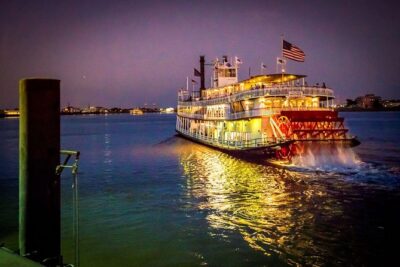
New Orleans Steamboat Natchez Jazz Cruise with Dinner Option
Read our review →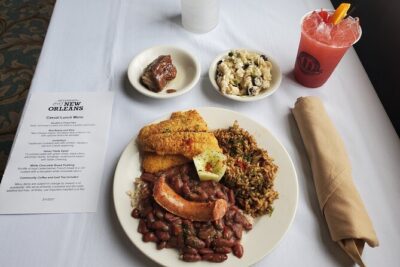
New Orleans Steamboat Natchez Jazz Cruise
Read our review →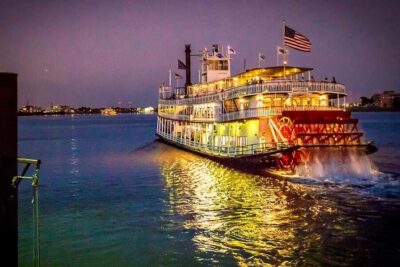
Evening Steamboat Jazz Cruise + Optional Dinner
Read our review →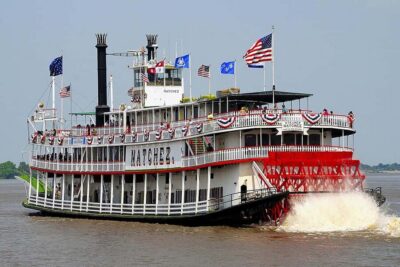
Daytime Steamboat Jazz Cruise + Optional Lunch
Read our review →
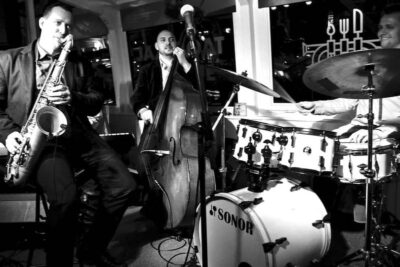
Jazz Boat Popular Live Jazz Dinner Cruise
Read our review →
Catamaran Cruise with optional Live Jazz Music
Read our review →
Paddlewheeler Creole Queen Jazz Dinner Cruise in New Orleans
Read our review →Browse the lists this tour appears in