REVIEW · AUSTRIA
Vienna: Classical Concerts in the Minorite Church Ticket
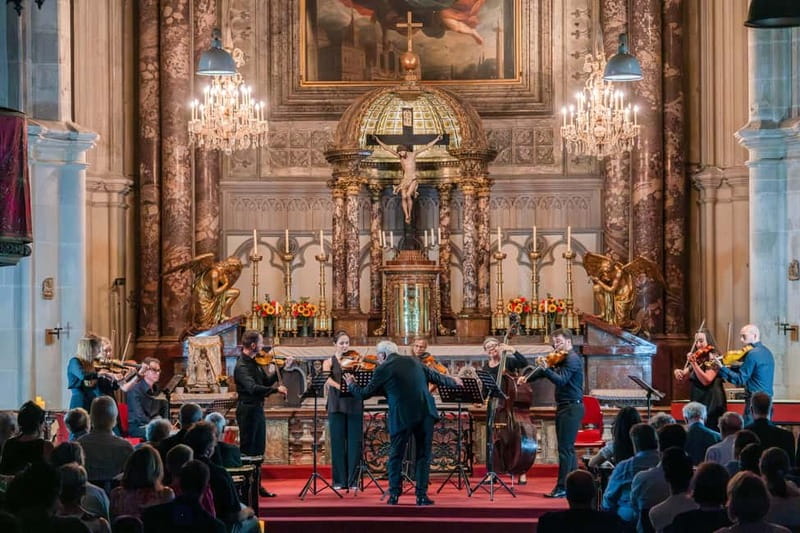
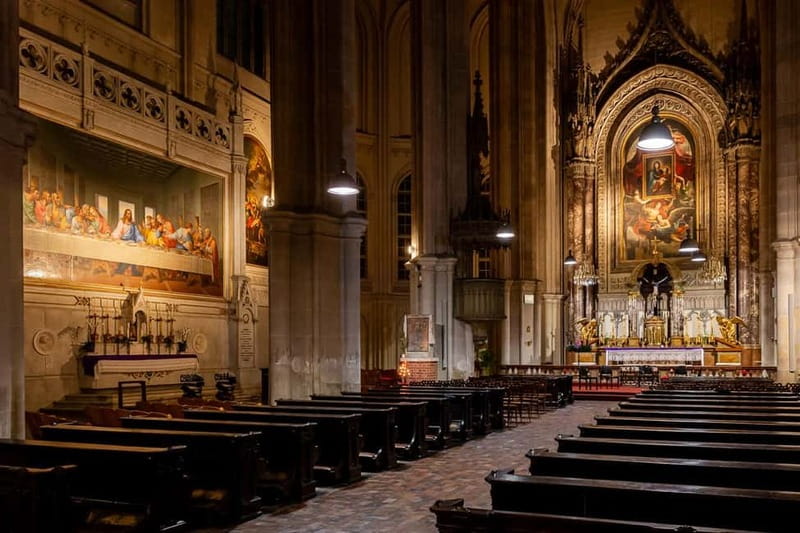
Vienna’s Minoritenkirche concert pairs serious music with one of the city center’s most memorable settings. Inside this Gothic church, musicians perform Mozart, Beethoven, Bach, Vivaldi, and changing seasonal programs beneath a beautiful altar and stone arches. The church’s clear, ringing acoustics are a big part of the experience.
I like the intimate scale and the chance to sit close enough to watch a violinist’s hands at work. I also like the program variety. You may hear a familiar crowd pleaser such as Vivaldi’s Four Seasons, or something less routine, such as Bach’s Goldberg Variations arranged for string trio.
The main caution is seating. Tickets are unnumbered within their category, and some seats can have a limited view from a pillar or side position. Church pews may also be hard on your back, so arrive when admission opens if your seat matters.
Key points at a glance
- A Gothic city-center venue: The Minoritenkirche gives the concert a striking visual setting, with stonework, a historic altar, and church acoustics.
- Programs change often: Choices include Mozart, Beethoven, Vivaldi, Bach, Haydn, Bruckner, Paganini, Schubert, and modern works.
- Close-up music making: String ensembles and soloists perform at a scale that lets you watch bowing, fingering, and musical exchange.
- About one hour long: Concerts last 60 to 70 minutes, a useful length for fitting music into a busy Vienna evening.
- Seating needs attention: Seats are unnumbered, category rules apply, and a pillar or speaker can affect the view or sound from some places.
- Good practical terms: The ticket includes a program sheet, admission begins 30 minutes early, and cancellation is free up to 24 hours before the concert.
Why the Minoritenkirche setting matters
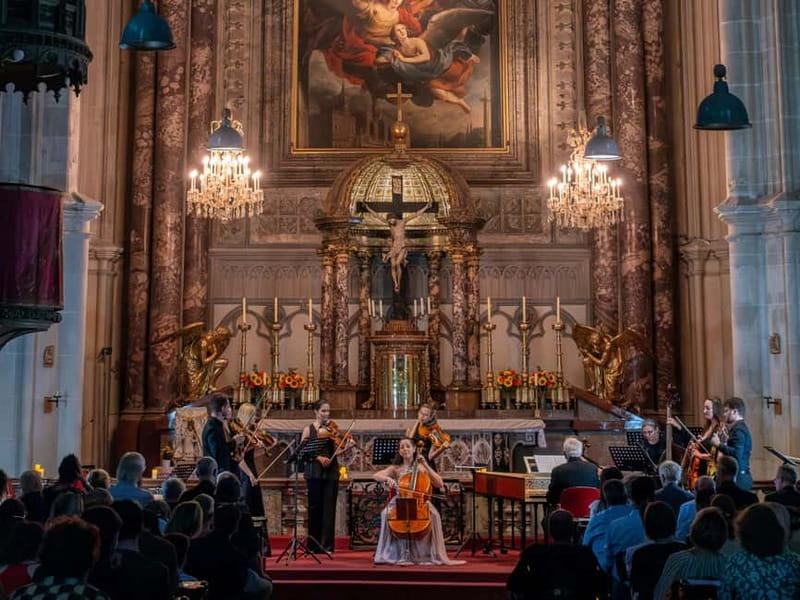
A concert in a church is not the same as a concert in Vienna’s famous Golden Hall. The Minoritenkirche feels smaller and more personal. You are close to the performers, and the music has room to echo through the stone interior.
That reverberation suits Baroque music especially well. A string quintet playing Vivaldi or Bach can sound warm and spacious without needing a huge orchestra. At the same time, the church’s acoustic tail can blur very fast passages. That is part of the character of the venue, not necessarily a flaw, but listeners who prefer dry, highly separated sound may notice it.
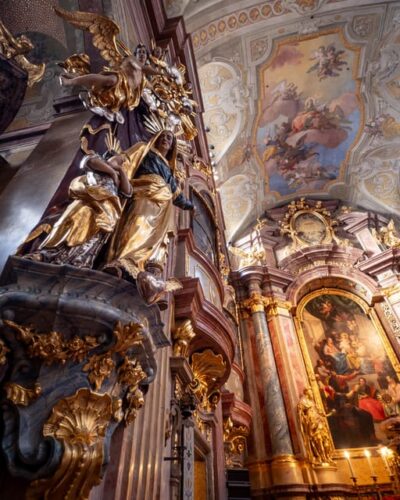
The visual setting does real work here. You are not simply watching a stage. You are sitting in a historic church with the altar behind the musicians, which gives even a short concert a sense of occasion. The setting is formal without feeling like a grand production aimed only at tourists.
The church is in Vienna’s historic center and is reported to be right opposite a metro station, making it easy to add to an evening walk or dinner plan. The entrance is under the church arcade, not necessarily through the most obvious front door. Look for staff at the arcade entrance.
More Church and Cathedral Concerts in Austria
- Vienna: Classical Concert in St. Anne’s Church (Annakirche)
★ 4.6 · 3,414 reviews - Vienna Classical Concert at St. Peter’s Church
★ 4.5 · 2,039 reviews - Vienna: Classical Concert in St. Anne’s Church (Annakirche)
★ 4.5 · 1,000 reviews
What the 60 to 70 minutes feels like
The concert length is one of its practical strengths. At 60 to 70 minutes, it gives you a proper musical experience without taking an entire evening. You can attend before dinner, after sightseeing, or as the final activity of the day.
The exact shape depends on the program. A solo piano evening may focus on three substantial works. A string program may move through several shorter pieces. Larger offerings can include an orchestra, conductor, and soloist, while other nights use a small ensemble.
Admission begins 30 minutes before the stated start time. You do not need to arrive hours early, but arriving near the beginning of that admission period gives you a better chance of finding a comfortable seat within your section. Since seating is unnumbered, the first people inside have more choice.
The staff guide you toward suitable seats, and hosts or greeters may speak English, German, Spanish, or Italian. The concert is intended to begin on time, so do not treat the admission period as a loose suggestion.
Choosing among the changing programs
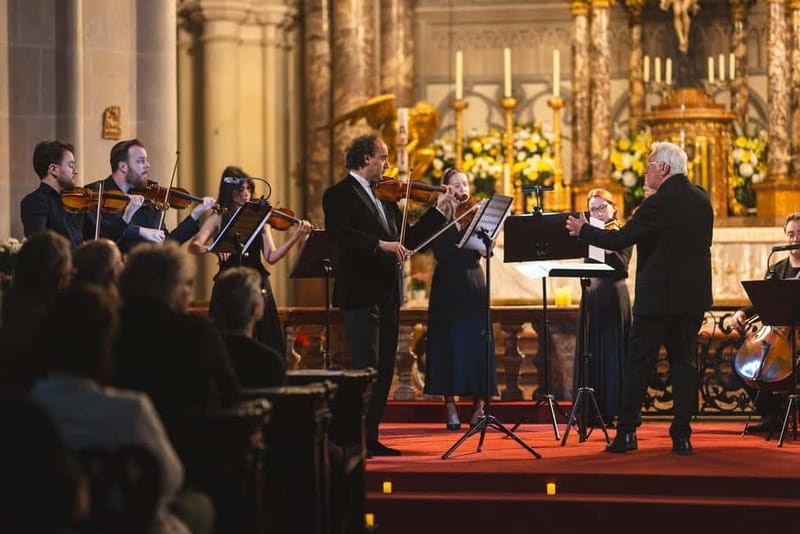
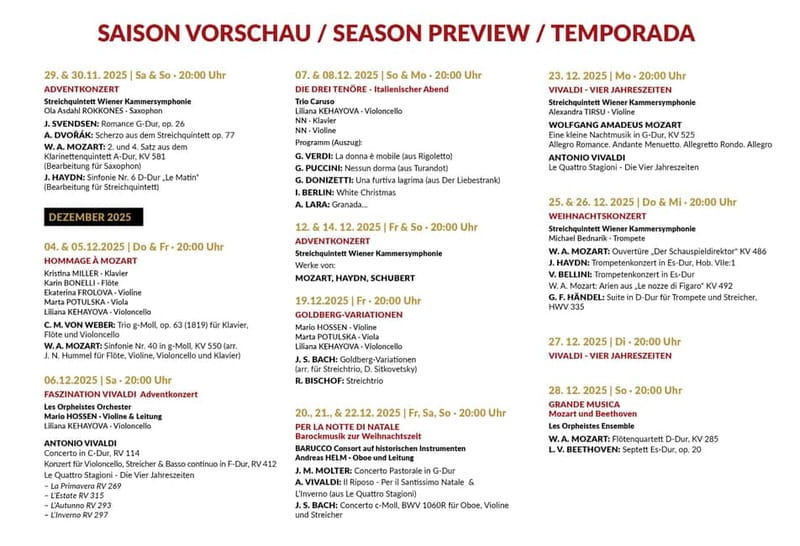
The program is not fixed year-round, and that is good news for repeat visits. It also means you should check the exact date before booking. The music can range from famous works to unusual arrangements and less commonly programmed composers.
Familiar favorites
Vivaldi’s Four Seasons is the safest choice if you want music you already know. The solo violin has plenty of drama, and the church setting gives the familiar work a fresh sound. One performance pairs it with Haydn’s Symphony No. 104, creating a full Classical and Baroque evening.
Mozart programs may include the Divertimento in D major, the Violin Concerto in A major, and the Symphony No. 1 in E-flat major. A scheduled Mozart cycle also features Mario Hossen as conductor and violinist. This sort of program suits first-time classical listeners because the music is accessible, varied, and easy to follow without preparation.
More Church and Cathedral Concerts in Vienna
- Vienna: Christmas & New Year’s Concert in St. Peter’s Church
★ 4.6 · 763 reviews - Concert at Vienna’s St. Stephen’s Cathedral
★ 4.0 · 432 reviews - Christmas and New Year Concert at St. Peter’s Church in Vienna
★ 4.5 · 155 reviews - Vienna: A Little Night Music – Concert at Capuchin Church
★ 4.8 · 145 reviews
Bach and unusual arrangements
The Goldberg Variations arranged for violin, viola, and cello is a more unusual pick. It replaces Bach’s original keyboard setting with a string trio, changing the texture while keeping the work’s repeating variation structure. If you like hearing familiar composers presented in a less expected form, this is one of the more interesting options.
The St John Passion is a larger Easter offering, with orchestra, chorus, soloists, and Martin Sieghart conducting. It is a more substantial and serious evening than the short chamber programs, so check the listed length and format for your chosen date.
Big orchestral works
Bruckner’s Symphony No. 7, performed by the Győr Philharmonic Orchestra with Martin Sieghart conducting, offers a different scale from a five-piece string group. If you want a full orchestral sound, this is the sort of date to choose.
Other scheduled performances include Haydn’s La Passione, Mozart’s Prague Symphony, and works for orchestra and soloist. These nights may feel more formal and expansive, while the chamber concerts bring you closer to individual musicians.
Modern color and mixed programs
The schedule also includes pairings such as Vivaldi versus Paganini, flute and strings, and a program titled Between Fantasy and Variation. The latter combines Mozart’s Fantasy in D minor, Schubert’s Death and the Maiden string quartet, and Chopin variations on a theme from Don Giovanni.
These mixed programs are useful if you want more than a greatest-hits evening. The Vivaldi and Paganini program, for example, combines familiar Vivaldi movements with technically demanding Paganini pieces, including works for violin and a piece based on a Rossini theme.
One date listed as Mozart and Schubert currently repeats the Haydn and Vivaldi program shown for another date. Treat that as a reason to confirm the exact program before you pay, especially if one composer is the main reason you are booking.
Musicians and the close-up advantage
The performers vary by date. You may hear the Wiener Kammersymphonie string quintet, Les Orpheistes Orchestra, the Győr Philharmonic Orchestra, or named soloists such as pianist Luis González Lladó, violinist Cornelia Gradwohl, Mario Hossen, flutist Massimo Mercelli, and marimba player Christoph Sietzen.
The small ensembles are where the venue’s scale makes the most sense. From nearby seats, you can follow the musicians’ hand movements and see how they communicate without words. That physical detail helps you listen more closely, even if you do not normally attend classical concerts.
The performances are not presented as background music. The best programs ask you to follow changes in rhythm, tone, and balance. A listener who is new to classical music can simply enjoy the sound, while a regular concertgoer can pay attention to the arrangement and phrasing.
If your main goal is to see the musicians clearly, pay for a front or preferred category if available. Several people received upgrades when space remained, but that is not something you should count on. Buy the section you would be satisfied with from the start.
Seating, sightlines, and comfort
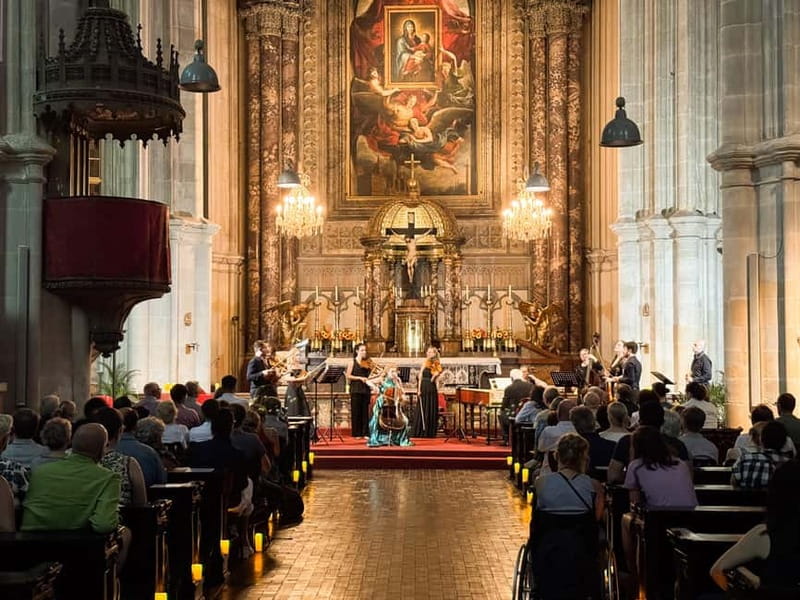
Seating is unnumbered, even when tickets are divided into categories. Staff direct you to seats in the section you purchased, but you generally do not select a precise chair in advance.
This system can work well when the church is not full. You may receive a better position if space remains. It can be less satisfying when a side seat, pillar, or added chair affects your view. A category label does not guarantee that every seat in that category has the same sightline.
Arrive during the 30-minute admission window if you want to improve your options. Sit where you can see both the performers and the altar, and check that a pillar is not directly in front of you. If you are sensitive to sound equipment, look around for nearby speakers before settling in.
The church pews and chairs are not designed for long lounging. Some audience members found the pews very hard, and one practical complaint was the lack of cushions. For a 60 to 70-minute concert, most people can manage, but anyone with back or hip trouble should consider a better seating category and arrive early.
The church is heated for winter performances, according to several concertgoers, so cold should not be your main concern. Temperatures in old churches can still vary, and a light layer is sensible.
How the atmosphere compares with grand concert halls
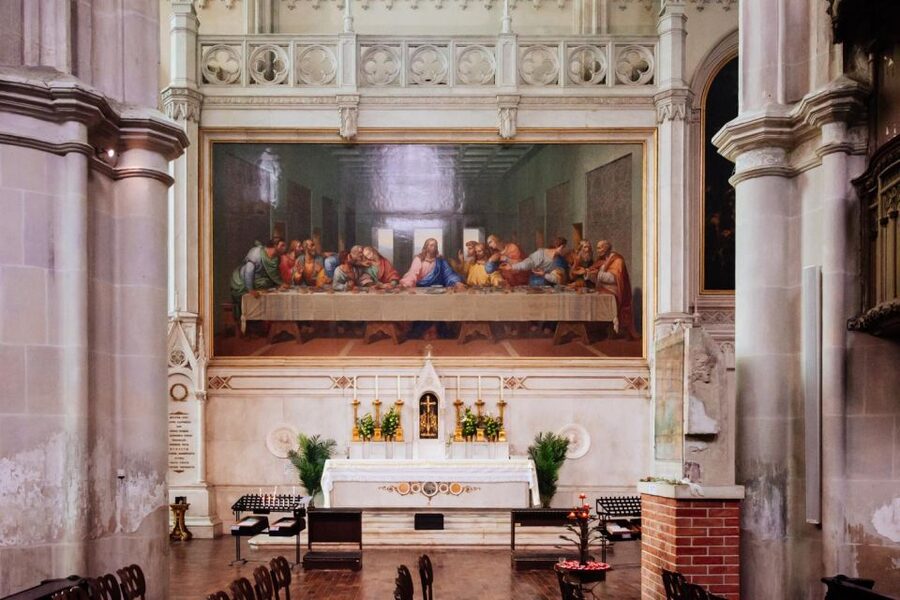
Vienna offers grand concert halls with polished foyers, formal seating, and a large audience. The Minoritenkirche gives you something else: music in a working historic church, close to the performers and surrounded by stone.
That difference matters. If you want the biggest possible orchestra and a traditional concert-hall sound, choose a program with a full orchestra or book one of Vienna’s major halls. If you want the setting to be part of the evening, the church has the stronger character.
The venue can also feel less anonymous than a large hall. A string quintet in front of the altar creates a direct connection between the room and the music. This is especially effective for Vivaldi, Mozart, Bach, and other works that suit chamber performance.
Keep your expectations realistic. You are paying about $22 per person, not the price of a premium seat at a major opera house. At that price, the combination of live musicians, a central location, a program sheet, and a historic venue is strong value. The trade-off is simpler seating and less control over your exact place.
Practical rules for a smooth evening
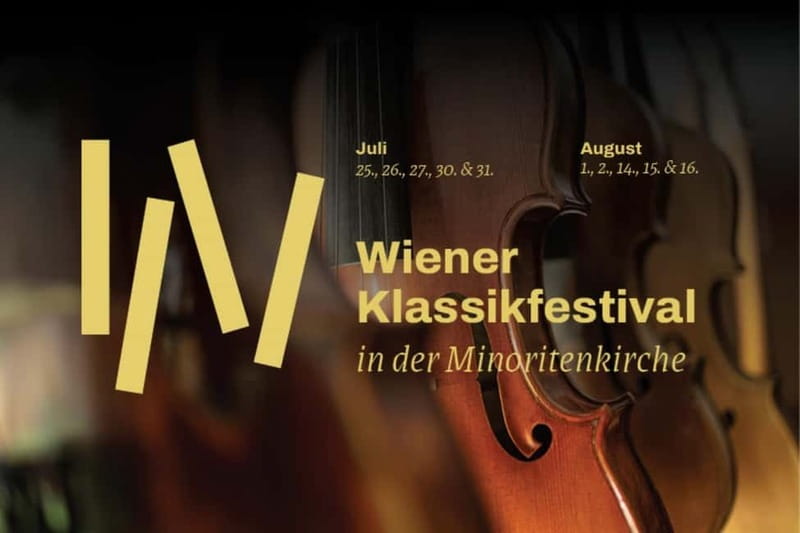
The ticket includes entrance and a program sheet or booklet. The concert is wheelchair accessible, and children under six are not admitted.
Photography and video are not allowed inside, and neither are food, drinks, smoking, alcohol, or drugs. Put your phone away before the performance begins. Strict enforcement matters because a bright screen or a phone hitting the stone floor can distract people nearby.
The meeting point can vary by the option booked. Check your voucher carefully, then look for the entrance beneath the church arcade. Staff are present to welcome you and direct you inside.
Free cancellation is available up to 24 hours before the concert, and you can reserve now and pay later. That is useful if your Vienna schedule is still changing. It is less useful as a reason to postpone checking the date, since the exact musical program is central to the decision.
Who should book this concert
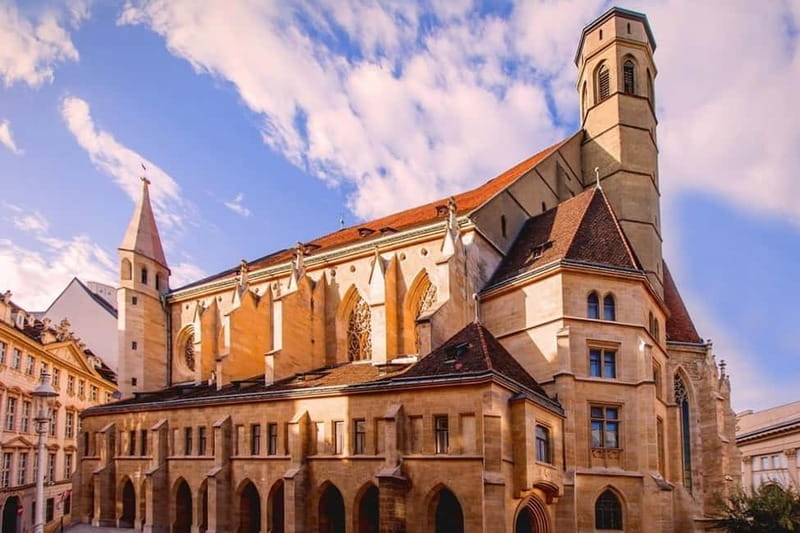
I would recommend it to you if you want a compact evening of live music in a memorable setting. It works particularly well for first-time classical listeners, couples looking for a calm evening activity, and music fans who like chamber arrangements and unusual programs.
It is also a good choice if you are already walking around the central district. The short duration leaves room for dinner or another evening stop, and the central location avoids a long trip across the city.
You may want another venue if you need guaranteed numbered seating, plush chairs, a completely unobstructed view, or a very large orchestra on every date. You should also check the program carefully if you are booking a concert advertised around one composer, since schedules can change or display errors can occur.
Is the Minoritenkirche concert worth booking?
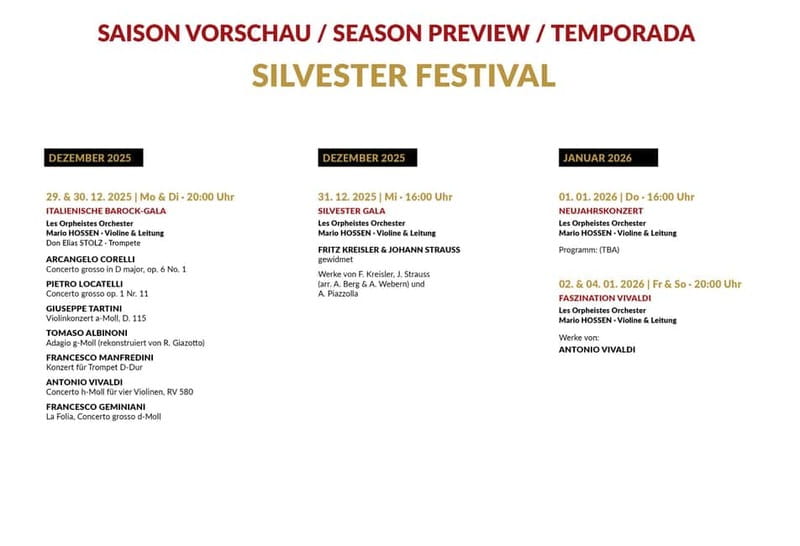
For about $22, this is a strong value when you choose a program you genuinely want to hear. The church setting, excellent acoustics, and close view of the performers give it more character than a generic evening concert.
My advice is simple: pick the music first, then choose the best seating category your budget allows. Arrive during the half-hour admission period, inspect your sightline, and expect firm seating. If you can accept those small compromises, the Minoritenkirche offers a memorable and distinctly Viennese night.
FAQ
How long does the concert last?
Concerts last between 60 and 70 minutes. The exact duration can vary by program.
Where does the concert take place?
The concert takes place in Vienna’s Minoritenkirche, a historic Gothic church in the city center. The entrance is located under the arcade of the church.
When should I arrive?
Admission begins 30 minutes before the concert starts. You do not need to arrive much earlier, but arriving near the beginning of admission can help you find a better seat within your ticket category.
Are seats numbered?
No. Seating is unnumbered within the category you book. Staff are present to welcome you and guide you to suitable seats.
Is the venue wheelchair accessible?
Yes. The experience is listed as wheelchair accessible.
Are children allowed?
Children under six are not permitted to attend.
What does the ticket include?
The ticket includes entrance to the concert and a program sheet or booklet.
Can I take photos or record the concert?
No. Photography, flash photography, and video recording are not allowed inside. Food, drinks, smoking, alcohol, and drugs are also prohibited.
More Classical Concerts in Vienna
- Vienna: Classical Concert at Mozart’s First House
2,423 reviews - Vienna Mozart Concert in Historical Costumes at the Musikverein
★ 4.5 · 888 reviews - Vienna: Classical Concert at Eschenbach Palace
★ 4.8 · 787 reviews - Classical concert Vivaldi 4 seasons in Karlskirche Vienna
★ 4.5 · 610 reviews
More Classical Concerts in Austria
- Vienna: Vivaldi’s Four Seasons Concert in Karlskirche
★ 4.7 · 14,951 reviews - Vienna: Classical Concert in the World-Famous Musikverein
★ 4.6 · 6,673 reviews - Vienna: Mozart Concert at the Musikverein – Golden Hall
★ 4.6 · 5,194 reviews - Vienna: Mozart and Strauss Concert at Schönbrunn
★ 4.5 · 2,967 reviews
Just added to the listings in Vienna
- Christmas Concerts in Capuchin Church★ 4.5 · 81 reviews
- Vienna: A Little Night Music – Concert at Capuchin Church★ 4.8 · 145 reviews
- Konzerte der Wiener Royal Orchester★ 4.5 · 143 reviews
- Christmas and New Year Concert at St. Peter’s Church in Vienna★ 4.5 · 155 reviews
- Concert at the Palais Schönborn-Batthyány by the Vienna Baroque Orchestra★ 4.5 · 168 reviews
- Vienna: Classical Music Concert in the World-Famous Musikverein★ 4.5 · 180 reviews
- Vienna: Mozart Concert and Austrian Delights Dinner★ 4.4 · 170 reviews
- Vienna: Strauss and Mozart Concert at Hofburg Palace★ 4.7 · 214 reviews
Classical Concerts, compared.
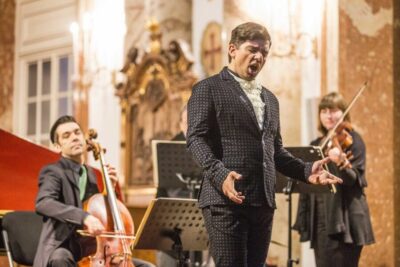
Vivaldi’s Four Seasons Concert in Karlskirche
Read our review →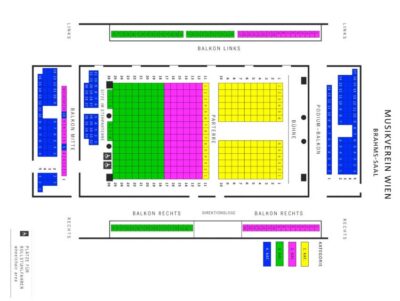
Classical Concert in the World-Famous Musikverein
Read our review →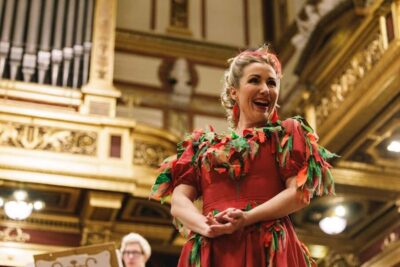
Mozart Concert at the Musikverein – Golden Hall
Read our review →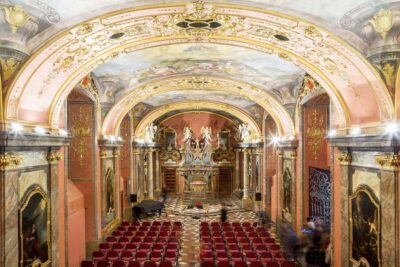
Entry Ticket Classical Concert at the Mirror Chapel
Read our review →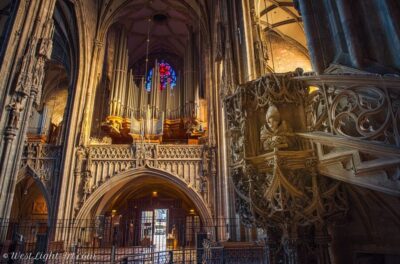
Classical Concert at St. Stephen’s Cathedral
Read our review →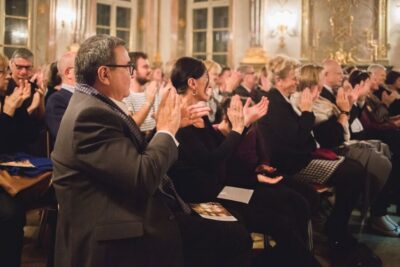
Classical Concert in St. Anne’s Church (Annakirche)
Read our review →