
REVIEW · JAPAN
Experience the Asakusa Kabuki Opera Show!
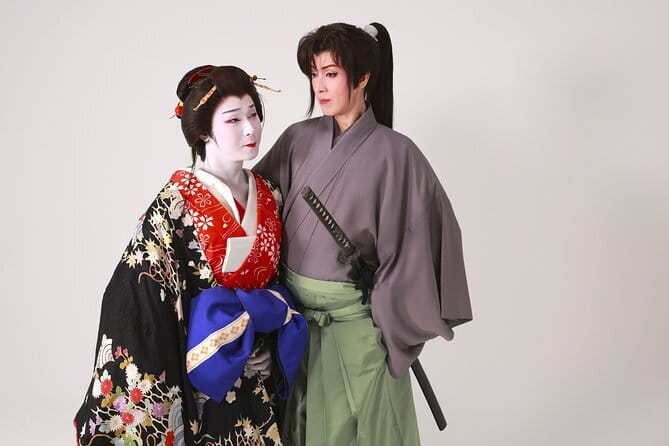
Carmen gets a striking Japanese makeover here. The Spanish heroine becomes Karume, an oiran in Asakusa’s Yoshiwara district, while the music, movement, and emotional force draw from both opera and Kabuki. The result is not a standard Kabuki play or a full Western opera, but a lively hybrid with a clear story and strong visual style.
I like the English subtitles, which make the performance easy to follow even if you know little about Kabuki or opera. I also like the small, interactive theater setting, where expressive acting, audience participation, drums, dance, and close-up stage action matter as much as the plot.
The main consideration is pacing. Subtitles are sometimes slightly out of sync with the live action, and the blend of styles may feel unusual if you expect a traditional Kabuki production or a conventional Carmen.
Key points to know before booking
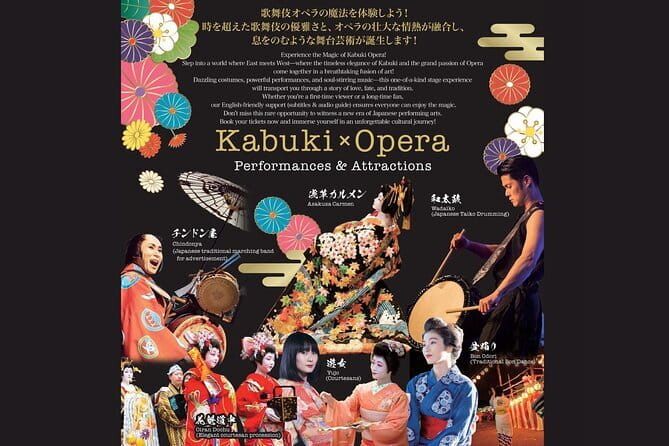
- Carmen becomes Karume: Bizet’s free-spirited woman is reimagined as an oiran in Edo-period Yoshiwara.
- English-friendly performance: English subtitles run throughout, with Japanese subtitles included at times.
- A compact 90-minute show: It fits neatly into an afternoon or evening in Asakusa.
- Kabuki meets opera: Expect traditional Japanese music, drums, dance, stylized movement, and operatic storytelling.
- Audience interaction is part of the fun: The show is designed to feel welcoming and involved rather than distant.
- Good value at $49.68: The ticket includes the performance, one bottled drink, snacks, and subtitles.
Carmen moves from Seville to Yoshiwara
The clever idea behind this production is not simply to place a European opera in Japan. It asks what happens when Carmen’s fight for freedom is told through the world of Kabuki.
Here, Carmen becomes Karume, an oiran living in Yoshiwara, the historic pleasure district associated with Asakusa. The two women share a central conflict. One was sold into a cage. The other kept running from one. Both understand desire, power, love, and the danger of men who want to control them.
That change of setting gives the story a different emotional color. You are not watching a direct reproduction of Bizet’s opera. You are seeing a new drama shaped by Japanese theatrical language, with the familiar ideas of jealousy, independence, loneliness, and fate placed in an Edo-period setting.
The production also plays with the contrast between Carmen and Karume. Carmen is associated with movement and personal freedom. Karume is tied to a rigid social system and a life chosen for her. Their stories meet through the performance, raising a question that matters beyond the stage: what does freedom look like when every available choice carries a cost?
You do not need to know the original opera to follow the basic story. If you already know Carmen, you will have fun spotting the connections and changes.
More Opera Shows in the world:
- Florence: Santa Monaca Church Italian Opera Concert Ticket
★ 4.7 · 2,692 reviews - Lucca: Puccini Festival Opera Recitals and Concerts
★ 4.7 · 1,278 reviews - Rome: Opera Concert at Palazzo Poli – Fontana di Trevi
★ 4.7 · 1,026 reviews
Entering Asakusa Kyugeki
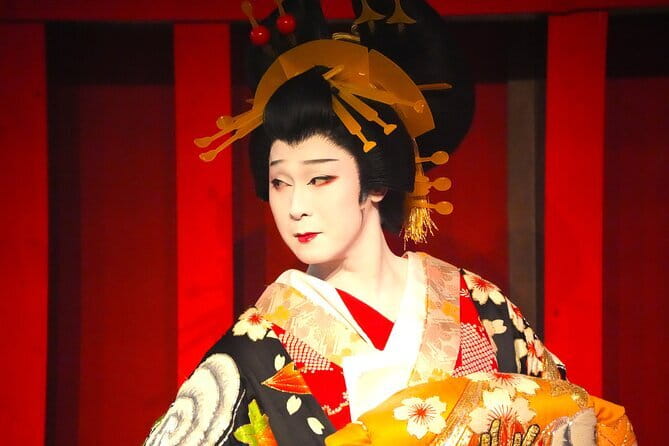
The performance takes place at Asakusa Kyugeki, a compact theater in Asakusa. That size is important. You are not sitting in a vast concert hall where small facial expressions disappear. The acting style, especially the fixed poses, eye movements, and Kabuki stare known as mie, can be seen clearly.
The theater is near public transportation, so it is easy to pair the show with other Asakusa sights. A 90-minute performance also gives you room to plan around it. You could schedule it between temple visits, shopping, a meal, or an evening walk, rather than giving up an entire day.
The included bottled water or soft drink and snacks are modest extras, but they make the ticket feel more complete. This is still a stage performance, not a meal or a guided cultural tour, so you should not book it for the food. Think of the refreshments as a useful touch before or during a short theatrical outing.
The theater’s compact scale also supports the show’s friendly tone. Audience participation is part of the experience, and the format seems designed to help people who may be new to Kabuki feel at ease.
What the 90-minute performance feels like
The show brings together several theatrical traditions. You can expect Kabuki acting techniques, stylized gestures, dramatic entrances, Japanese instruments, drums, dance, opera-inspired singing, costumes, and a story built around Carmen.
That mix is the heart of the experience. The music is not limited to one tradition. A familiar operatic idea may be followed by a strong drum passage or a more distinctly Japanese musical section. The production uses contrast rather than trying to hide the differences between East and West.
The acting is also larger than everyday realism. Faces, posture, movement, and stillness carry meaning. A sharp look or formal pose may say as much as a spoken line. This is useful to remember if you usually prefer naturalistic theater. Kabuki asks you to watch the body and the stage picture, not only listen for realistic conversation.
The show also uses humor and audience interaction. That keeps the experience from becoming stiff or overly formal. You may find the interactive moments especially helpful if you are attending Kabuki for the first time, since they give the room a shared energy and make the performance feel less intimidating.
At the same time, this is not a quiet museum-style display of Japanese culture. There is action, emotion, laughter, dance, and theatrical drama. It is a performance first, with cultural value built into the way it is presented.
English subtitles make the story accessible
The subtitles are one of the most useful features for international visitors. English text appears throughout the performance, so you can follow the plot even without Japanese language skills.
The production also includes Japanese subtitles at times and offers guidance on how to enjoy the play. That matters because Kabuki expression can be unfamiliar at first. Without context, a stylized pose or extended pause may seem puzzling. With the performance’s visual cues and subtitle support, you have a better chance of understanding what the actors are doing and why the moment matters.
The subtitles are not always perfectly synchronized with the live action. A small delay is a reasonable possibility in any live theater with projected text, and one performance note specifically pointed out that the timing can be close rather than exact. If you try to read every word, you may occasionally miss a gesture. I suggest using the subtitles to follow the main story, then looking back at the stage for the actors’ expressions and movement.
You should not expect a word-for-word English translation to explain every cultural reference. The subtitles help you understand the plot and emotional direction. They do not replace the pleasure of watching the actors communicate through posture, music, costume, and rhythm.
More Live Music in the world:
- Vienna: Vivaldi’s Four Seasons Concert in Karlskirche
★ 4.7 · 14,951 reviews - Venice: La Fenice Opera House Entry Ticket with Audio Guide
★ 4.6 · 11,742 reviews - Sydney: Opera House Guided Tour with Entrance Ticket
★ 4.8 · 8,312 reviews - New Orleans Steamboat Natchez Jazz Cruise with Dinner Option
★ 4.0 · 7,533 reviews
Kabuki technique with an opera-sized emotional range
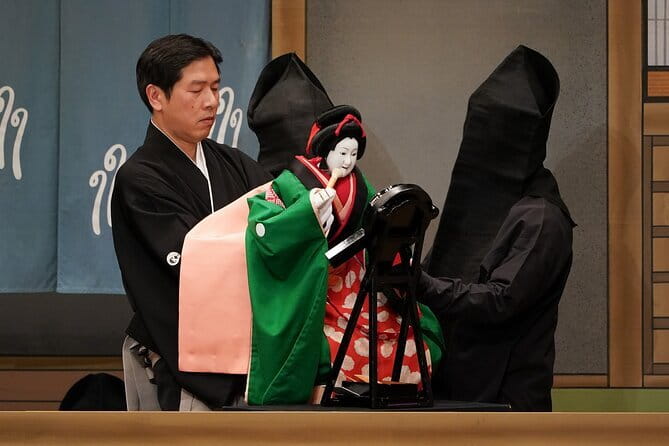
Traditional Kabuki is often associated with male performers playing all roles. This production takes a more modern approach, with a male actor playing the female lead and a female actor playing the male lead. That gender reversal adds another layer to a story already concerned with identity, control, and freedom.
The casting is not just a novelty. It fits the production’s interest in changing expectations. You are watching a familiar European story filtered through Japanese performance traditions, then given another twist through the casting and stage presentation.
The strongest performances depend on physical control. Kabuki actors use refined movement and deliberate expressions. Carmen also calls for large emotions, from attraction and defiance to fear and grief. The show brings those demands together, giving the leads room to command attention.
You may find the result more theatrical than subtle. The acting aims for clear effect, and the music, drums, and costumes support that choice. If you enjoy powerful stage pictures and expressive performances, this approach should work well. If you prefer a restrained opera with a large orchestra and naturalistic acting, it may feel less familiar.
Why the small theater works
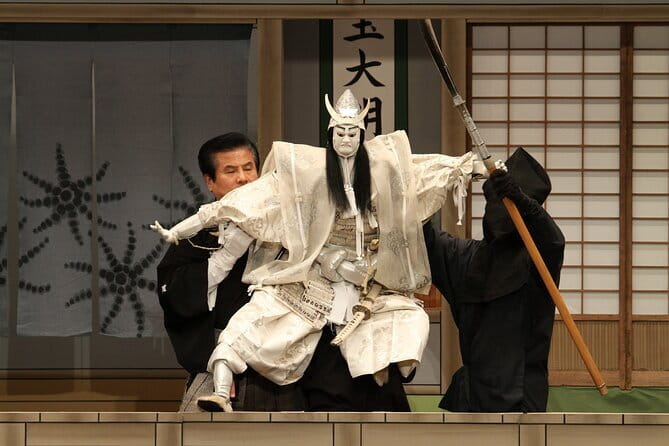
A compact venue changes the way you watch. You can see the actors’ faces more clearly, which is especially valuable in Kabuki, where a glance or fixed expression can become a major dramatic event.
The close setting also helps with audience participation. You are not simply observing from a great distance. The performance invites a response, and the room’s energy becomes part of the show.
That intimacy has one tradeoff: the experience is not built around the scale of a grand opera house. You will not get the spectacle of a huge set or a massive chorus. The appeal lies in the performers, the music, the costumes, and the unusual meeting of traditions.
For many first-time visitors, that is a benefit. You get a focused introduction to Kabuki without committing to a long, formal production that may be difficult to understand. The short running time keeps the experience approachable.
How the ticket price measures up
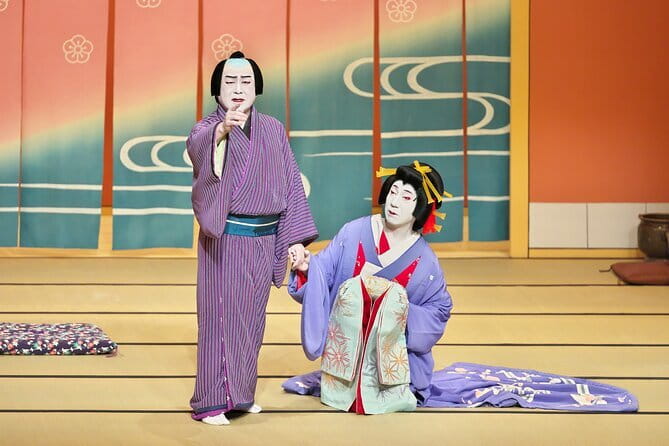
At $49.68 per person, this is not the cheapest entertainment option in Tokyo. It is, however, a fair price for a dedicated 90-minute theater performance that includes English subtitles, snacks, and one bottled drink.
The value depends on what you want. If you are looking for a quick cultural activity between sightseeing stops, the ticket makes sense. You get a complete performance rather than a short demonstration or a photo opportunity. If you want a full traditional Kabuki program with several separate acts, this is not that product.
I especially like the fact that the show gives you a story to hold onto. You are not only looking at costumes or listening to unfamiliar music. You are following Carmen’s central struggle in a new setting, which makes the artistic choices easier to appreciate.
The included refreshments will not determine the purchase for most people, but they are a practical bonus. The real value is the chance to see a purpose-built Kabuki and opera fusion in Asakusa, with language support and a manageable time commitment.
The experience is often booked about 34 days in advance. That suggests you should not leave it until the last night of a short Tokyo visit, especially if the show is a priority. Confirmation arrives at booking, and the ticket is mobile, so you can keep the admission details on your phone.
Who will enjoy Asakusa Carmen most
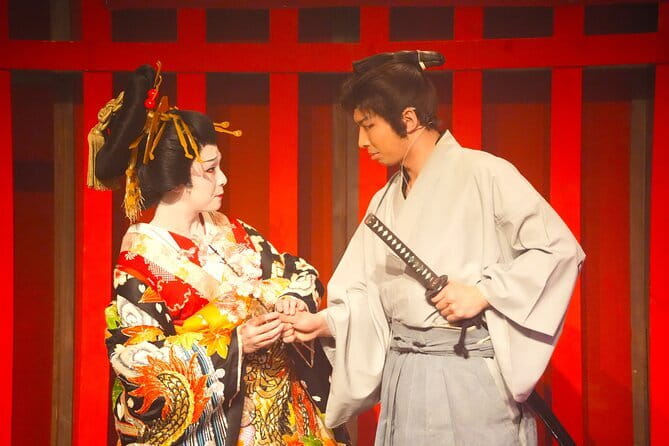
I would recommend this performance to you if you want to see Japanese culture through live theater rather than a temple visit, craft class, or museum display.
It suits:
- First-time Kabuki audiences
- Opera fans curious about a Japanese interpretation of Carmen
- Visitors who need English subtitles
- Couples and friends looking for an evening activity
- Families with older children who can follow a dramatic stage show
- People with only 90 minutes available
- Anyone interested in modern interpretations of traditional art
You do not need prior knowledge of Kabuki, Japanese history, or Bizet’s opera. The subtitles and presentation help you follow along.
You may want to think twice if you dislike audience participation, stylized acting, or performances that combine several musical traditions. The show is also not the right choice if you want a complete, conventional production of Carmen in its original setting and language.
Practical planning for your Asakusa visit
Plan to arrive with enough time to find Asakusa Kyugeki and settle in. The venue is near public transportation, and private transportation is not included, so you will make your own way there.
Because the show lasts about 90 minutes, it is easy to fit into a larger Asakusa plan. You can schedule it after sightseeing or before dinner. Its short length also helps if you are traveling with someone who is unsure about committing to a long theater performance.
Keep your phone ready for the mobile ticket. The experience is confirmed at booking, and the digital format avoids the need to collect a paper ticket.
The cancellation policy is useful if your plans are still shifting. You can cancel for a full refund up to 24 hours before the start time. Changes or cancellations made within 24 hours are not accepted for a refund, and the cut-off follows local time.
If you feel unwell on the day, do not attend. Participation can also be refused for health and safety reasons.
Should you book this Kabuki and opera fusion?
I would book it if you want an accessible, energetic introduction to Kabuki with a clear story and English support. The combination of Karume’s Yoshiwara setting, Carmen’s themes of freedom, live music, expressive acting, and audience interaction gives you more than a standard sightseeing stop.
The strongest reasons to choose it are the subtitles, the close theater setting, and the unusual creative idea. You can see the actors clearly, follow the plot, and experience Japanese performance techniques without needing to speak Japanese.
I would skip it only if you are set on seeing traditional Kabuki in its most formal form or a conventional staging of Bizet’s opera. For everyone else, especially visitors who have a spare 90 minutes in Asakusa, the $49.68 ticket offers a memorable and practical way to meet both traditions at once.
FAQ
Where does the performance take place?
The show takes place at Asakusa Kyugeki in Tokyo’s Asakusa area.
How long is the experience?
The performance lasts approximately 90 minutes.
Is Carmen performed as a traditional Western opera?
No. Carmen is reimagined through Kabuki and placed in Edo-period Yoshiwara, with the female lead becoming Karume, an oiran.
Are English subtitles available?
Yes. English subtitles are included throughout the performance.
Are Japanese subtitles used too?
Japanese subtitles may also appear during the show.
Is the performance suitable for people new to Kabuki?
Yes. The performance includes guidance on how to enjoy the play, and the English subtitles help you follow the story.
Is audience participation included?
Yes. Audience interaction is part of the performance style.
What is included in the ticket price?
The ticket includes the 90-minute performance, one bottled water or soft drink, snacks, and English subtitles.
Is transportation included?
No. Private transportation is not included, though the theater is near public transportation.
Can I cancel for a full refund?
Yes, if you cancel at least 24 hours before the experience start time. Cancellations or changes made less than 24 hours in advance are not refunded or accepted.
Just added to the listings in the world
- Beijing: Night Tour Of Peking Opera Show / Transfer★ 4.3 · 5 reviews
- Barcelona: Jam Session – Jazz, Cocktails and Tapas★ 4.8 · 19 reviews
- Barcelona: Taste 5 Spanish Wines paired with Live Music★ 5.0 · 3 reviews
- Beijing Culture Event: Tea Ceremony, Music Show, Calligraphy★ 5.0 · 5 reviews
- Bangkok: ThreeSixty Jazz Lounge at Millennium Hilton★ 4.0 · 8 reviews
- Barcelona: Solo Piano Intimate concerts in Barcelona★ 4.9 · 9 reviews
- Bangkok: Party Boat Cruise with DJ and Live Music★ 4.3 · 3 reviews
- Bali Phinisi Cruise: Sunset Dinner with Live Music & Buffet★ 3.7 · 18 reviews
Opera Shows, compared.

Santa Monaca Church Italian Opera Concert Ticket
Read our review →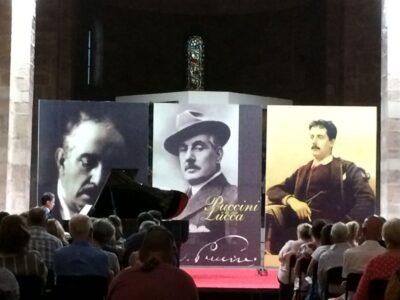
Puccini Festival Opera Recitals and Concerts
Read our review →
Opera Concert at Palazzo Poli – Fontana di Trevi
Read our review →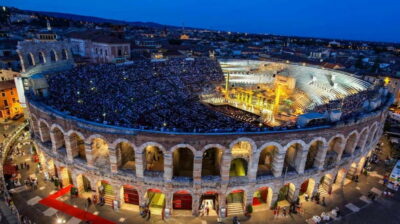
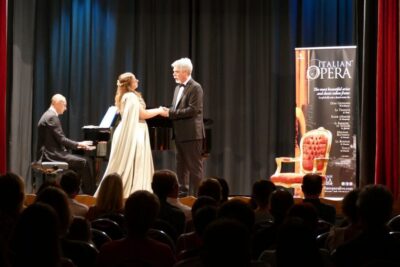
Taormina: Opera Performance in the Nazarena Theater
Read our review →
Italian Opera Night Concert by Candle Glow
Read our review →
Italian Opera Concert Ticket in Florence’s Santa Monaca Church
Read our review →
Browse the lists this tour appears in