
REVIEW · JAPAN
Private Japanese music concert
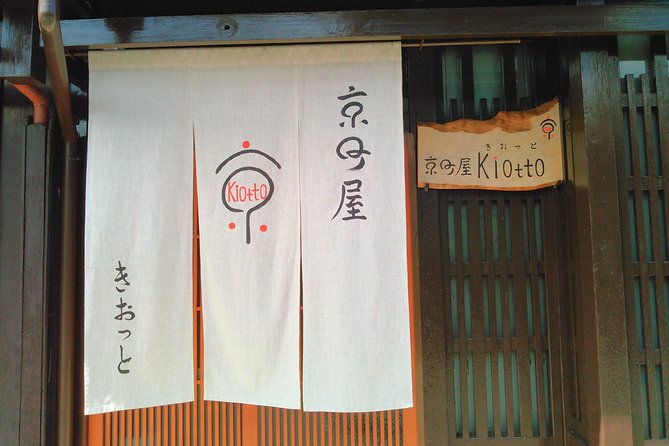
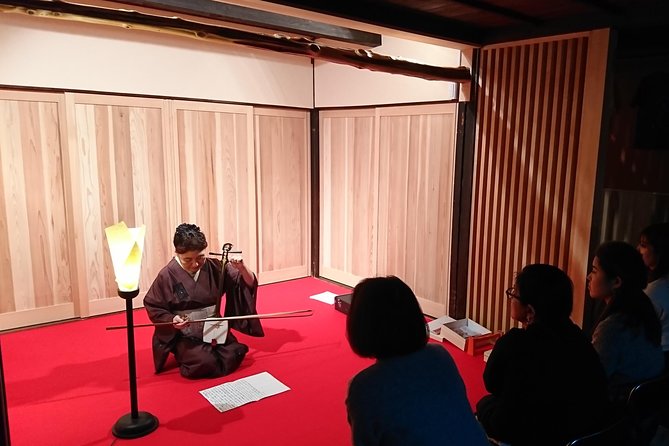
A private koto concert in a renovated Kyoto townhouse gives you something a large stage cannot: a close look at the performer’s hands, strings, and technique. At Kyomachiya Kiotto, you sit in a chair just a short distance from the instruments while traditional Japanese music fills a former home.
I like the personal setting, where the performer plays just for your party. I also like the chance to learn about the instruments and try them, an especially useful touch for families and anyone who wants more than a passive concert.
The main consideration is the short one-hour format. It suits a compact Kyoto evening or afternoon, but it may feel brief if you want a full lecture, several performers, or a long formal concert.
Key points to know before booking
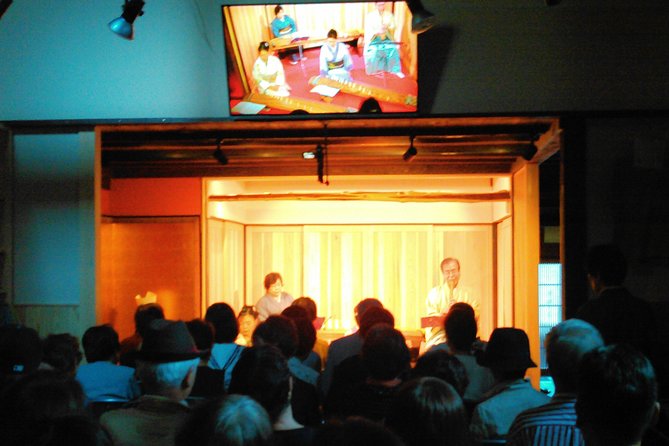
- Private music in a Kyoto townhouse: The concert takes place at Kyomachiya Kiotto, a renovated traditional Kyoto house rather than a large hall.
- Two distinctive instruments: The program centers on the koto, a Japanese harp-like zither, and the kokyu, a traditional bowed string instrument.
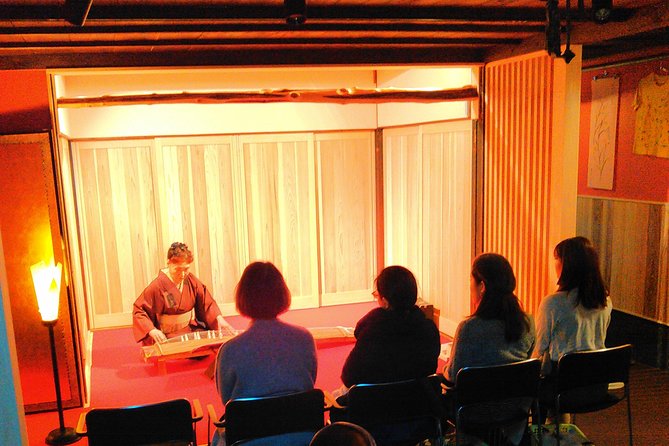
- Close-up performance: Comfortable chairs put you near the performer and the instruments.
- Hands-on learning: The session may include explanations, conversation, and an opportunity to try the koto or other instruments.
- Short and easy to fit into a day: The experience lasts about one hour and is near public transportation.
- A reasonable private-concert price: At $57.23 per person, the value depends on your group size and how much you value personal attention over a longer public concert.
Why a private koto concert feels different in Kyoto
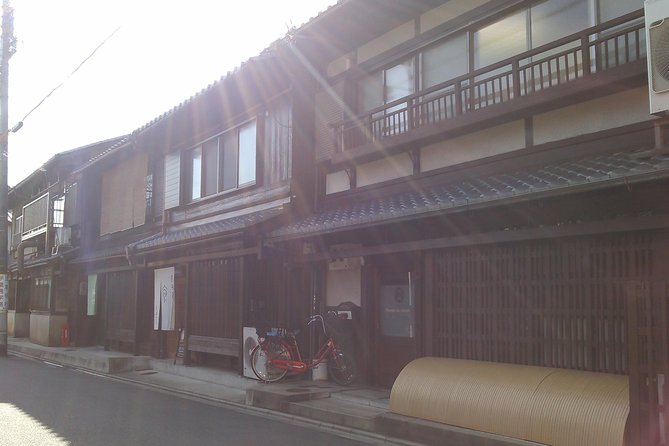
Kyoto offers plenty of ways to see traditional arts, but many performances place you in a hall, behind a crowd, or several rows from the musicians. This experience takes the opposite approach. You enter a traditional townhouse and sit close enough to watch the performer’s hands work across the strings.
That setting matters. A Kyomachiya is a traditional Kyoto townhouse, and this one has been renovated for use as a comfortable performance space. You are not simply looking at an old building from the street. You are hearing Japanese instruments inside the sort of local architectural setting that gives the music a natural home.
The private format also changes the mood. A public show must keep moving for a broad audience. Here, the performer can focus on your party, explain the instruments, and make room for questions or conversation. The tone is more personal than a standard stage performance.
The price is $57.23 per person, and the experience runs for about an hour. That is not the cheapest way to hear Japanese music, but it is a fair price if you want a private session rather than a seat in a larger concert. Group discounts are available, which can make the cost easier to justify for a family or small group.
More Live Music in Japan:
- Kyoto: Traditional Concert at Townhouse or Bathhouse
★ 4.9 · 224 reviews - Experience the Asakusa Kabuki Opera Show!
★ 5.0 · 99 reviews - Japanese Traditional Music Show in Tokyo
★ 5.0 · 72 reviews
Entering Kyomachiya Kiotto at 9-10 Mibu Hinokicho
The entire activity takes place at Kyomachiya Kiotto, located at 9-10 Mibu Hinokicho in Nakagyo Ward, Kyoto City. You should check the map and address carefully before setting out. The location is near public transportation, which makes it practical to add to a day of sightseeing without treating it as a major expedition across the city.
The building itself is part of the experience. The renovated townhouse provides a more intimate backdrop than a concert hall, while chairs give you a comfortable place to sit. That combination is useful if you want traditional surroundings without spending an hour on the floor.
The space is described as a local Kyoto setting, away from the feel of the city’s busiest sightseeing stops. That does not mean the area is remote or difficult to reach. It means the atmosphere is more residential and personal than the grand temples, shopping arcades, and major performance venues that fill many Kyoto itineraries.
Your visit begins with a welcome to Kyoto, followed by the private performance. Since the program is only about an hour, the transition from arrival to music should be straightforward. Confirmation is provided within 48 hours of booking, subject to availability, so leave room for that confirmation before building a tightly timed schedule around it.
Hearing the koto up close
The koto is the main musical focus. It is often described as a Japanese harp, though its long body and horizontal strings give it a distinct form. The sound can be delicate and ringing, with notes that suit the calm atmosphere of a traditional house.
From a nearby chair, you can pay attention to details that are easy to miss at a distant show. You can watch the performer’s hand movements and see how the instrument is handled. The point is not only to hear a beautiful sound, but to understand how that sound is made.
The performer works as an assistant teacher at Kyomachiya Kiotto. That detail gives the session an educational side without turning it into a classroom. You receive a live performance from someone connected with the teaching of the instrument, and the setting leaves room for explanation.
The program can also include discussion of the instrument’s history and use. One particularly memorable element is the opportunity to speak with the teacher and master koto player. The available comments describe this personal exchange as an important part of the visit, so you should think of the activity as music plus conversation, not simply a concert with a fixed playlist.
The kokyu adds a different sound
The program also includes the kokyu, a traditional Japanese bowed instrument. Its presence gives the performance a change in tone from the plucked sound of the koto.
Hearing the two instruments together helps you notice contrast. The koto produces its sound through plucked strings, while the kokyu is played with a bow. Even if you know little about Japanese music, you can follow that basic difference by watching the musicians and listening to the change in texture.
The kokyu is less familiar to many visitors than the koto, which makes its inclusion worthwhile. It gives the session a broader picture of Japanese string music instead of placing all the attention on the more widely recognized instrument.
The information provided does not list a detailed program or set length for each piece. That is worth keeping in mind if you prefer a concert with a published schedule. The strength here is the close, flexible format rather than a formal recital with a long printed program.
Another night with a band on stage:
- Traditional Japanese Music show & Experience Tour in Kyoto
★ 5.0 · 57 reviews - Concerts Played with Traditional Instruments in Kyoto
★ 5.0 · 50 reviews - Kyoto: Japanese Koto & Shamisen Concert and Koto Class
★ 4.9 · 31 reviews - Traditional Japanese Music show & Experience Tour in Osaka
★ 5.0 · 25 reviews
More than listening: stories, questions, and trying the instruments
The most useful part for many people may come after the performance. The session can include explanations about the instruments, a chance to ask questions, and the opportunity to try playing them.
Children have been encouraged to handle the instruments, and adults can benefit from the same invitation. Even a very short attempt changes how you hear the music. After trying to produce a note yourself, you may pay more attention to the performer’s control and precision.
This hands-on element makes the experience a good choice for families. Young children may not sit patiently through a long formal concert, but a short performance followed by an active moment gives them a reason to stay engaged. Parents should still remember that the event is built around live music in an indoor townhouse, so calm attention is part of the setting.
The personal conversation can be just as valuable as the instrument demonstration. The available information points to friendly exchanges with the teacher and master koto player, as well as discussion of the instruments. If you enjoy asking about technique, training, or the place of traditional music in Japan, this format offers more room for that than a show where the performers leave immediately after the final piece.
One family also found the session especially pleasant because the children were invited to try the instruments. That is a practical clue for parents comparing this with a purely observational cultural activity. Here, you are not only telling children to sit quietly and watch. You may be able to give them a direct connection to what they have just heard.
What the one-hour schedule means for your Kyoto day
At about one hour, this is an easy activity to place between larger plans. You can use it as a focused cultural stop rather than committing half a day to a performance.
The short duration is also the chief limitation. If you want an extended study of Japanese music, multiple performers, or a full evening concert, this will probably feel too brief. The format is designed for a concentrated encounter with the instruments and the performer.
I would allow extra time around the official hour for finding the townhouse and settling into the space, even though the performance itself is short. The address is clearly given, and the location is near public transportation, but Kyoto’s streets can still require attention, particularly if you are moving between neighborhoods.
The mobile ticket is useful when you are planning from your phone. Group discounts may help if you are booking for a family or a small party. Since the experience is often booked about nine days ahead, it is wise to reserve before your Kyoto plans are completely full, especially if your schedule has only one open afternoon.
Is $57.23 a fair price?
At $57.23 per person, this is priced as a special private activity rather than a basic music demonstration. The value rests on three things: the private format, the townhouse setting, and the personal access to the performer and instruments.
For a solo visitor, the cost may seem high compared with attending a public concert. You are paying for a more focused encounter, though, not simply for the number of minutes of music. If you care about being close to the instrument and having a chance to ask questions, the price is easier to defend.
For a family, the calculation changes. Group discounts may reduce the total, and the chance for children to try the instruments gives the experience more substance than a standard one-hour recital. It can serve as both entertainment and a small cultural lesson.
The price is less compelling if you only want background music or a large-scale stage performance. You may prefer a public show with a longer program and more performers. This booking makes the most sense when privacy and direct contact are the main reasons you are interested.
Who will enjoy this experience most?
I would point this toward several kinds of visitors:
- Families with curious children: The chance to try the instruments gives kids something active to look forward to.
- First-time listeners of Japanese music: The close setting and explanations make the instruments easier to understand.
- Couples or small groups: A private performance can feel more personal than a crowded public show.
- Music lovers: You can observe technique at close range and hear both plucked and bowed string instruments.
- Visitors seeking a quieter Kyoto activity: The townhouse setting offers a change from busy sightseeing areas.
It is less suited to someone who wants a grand theatrical production. The appeal is intimacy, not spectacle. You should also choose another activity if your main goal is a long, formal concert with a detailed repertoire.
Most people can participate, and service animals are allowed. The space uses chairs, which may be more comfortable than floor seating, though the information provided does not give a full accessibility description of the townhouse.
Booking, confirmation, and cancellation details
Confirmation arrives within 48 hours of booking, subject to availability. Since the activity is private, availability matters, so do not assume that a preferred time is final until you receive confirmation.
You can use a mobile ticket, and the location is near public transportation. The experience offers free cancellation if you cancel at least 24 hours before the local start time. Cancellations made less than 24 hours before the experience, along with changes during that period, are not accepted for a refund.
The booking pattern suggests that people commonly reserve about nine days ahead. That is not a required lead time, but it is a useful planning guide. Reserve early if your Kyoto schedule is fixed, then keep the cancellation deadline in mind.
Should you book the private Japanese music concert?
Book it if you want a small-scale cultural experience with real personal contact. The koto and kokyu are heard in a comfortable renovated townhouse, the performer plays close to your party, and the session can include instrument stories, conversation, and hands-on practice.
I especially recommend it for families and visitors who have already seen Kyoto’s major temples and want an activity with a different rhythm. The one-hour length is easy to manage, and group discounts may improve the value.
Skip it if you want a long concert, a large audience atmosphere, or a highly structured program. At $57.23 per person, the cost is justified by the private setting and access to the musicians, not by sheer duration. For the right visitor, that trade is worthwhile: you leave with more than a few recorded sounds in your memory. You have seen how the instruments are played and, possibly, felt their strings under your own fingers.
FAQ
Where does the private Japanese music concert take place?
It takes place at Kyomachiya Kiotto, located at 9-10 Mibu Hinokicho, Nakagyo Ward, Kyoto City.
How long does the experience last?
The concert lasts approximately one hour.
Which instruments are included?
The performance features the koto and kokyu, two traditional Japanese string instruments.
Is the concert private?
Yes. The performer plays a private live performance for your party.
Can children try the instruments?
Children may be encouraged and allowed to try the instruments after the performance. The session can also include explanations and conversation about the music.
How much does the experience cost?
The listed price is $57.23 per person. Group discounts are available.
Can I cancel for a full refund?
Yes. You can cancel at least 24 hours before the local start time for a full refund. Cancellations or changes made less than 24 hours before the start time are not accepted for a refund.
Just added to the listings in Japan
- Tsugaru shamisen performance over traditional dinner★ 5.0 · 9 reviews
- Japanaese tradtional Tsugaru Shamisen music lesson in Tokyo★ 4.5 · 3 reviews
- Easy for everyone! Now you can play handmade mini shamisen and show off to everyone! Musical instruments, sweets and live music★ 5.0 · 3 reviews
- Traditional Japanese Music show & Experience Tour in Osaka★ 5.0 · 25 reviews
- Traditional Concert in Public bath near Kyoto Station★ 5.0 · 5 reviews
- Kyoto: Matcha & Traditional Japanese Music Immersive Experience★ 5.0 · 9 reviews
- Kyoto: Kujo-yu Sento Traditional Japanese Instrument Concert★ 5.0 · 2 reviews
- Echoes of Peace – A Soul-Stirring Koto Concert in Hiroshima★ 4.5 · 5 reviews
Live Music, compared.
Vivaldi’s Four Seasons Concert in Karlskirche
Read our review →
La Fenice Opera House Entry Ticket with Audio Guide
Read our review →
Opera House Guided Tour with Entrance Ticket
Read our review →
New Orleans Steamboat Natchez Jazz Cruise with Dinner Option
Read our review →
Budapest Danube Cruise and Dinner Options, Live Music and Dance
Read our review →
3-Course-Dinner Cruise on the Seine with live music
Read our review →
Classical Concert in the World-Famous Musikverein
Read our review →
Browse the lists this tour appears in