
REVIEW · JAPAN
Kyoto: Traditional Concert at Townhouse or Bathhouse
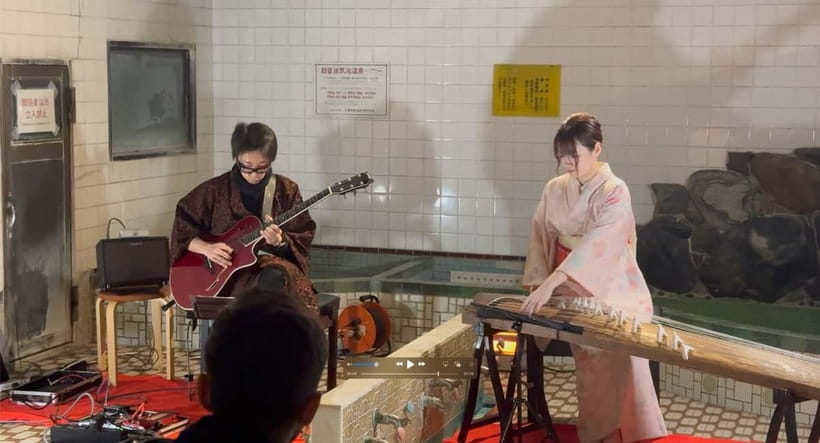
Kyoto’s traditional music is at its best when you can see the player’s hands and hear each plucked note fade into the room. This $32 concert puts you close to professional koto and shamisen musicians, either in a small Japanese townhouse or a former bathhouse with striking natural echo.
I especially like the small audience size and the clear explanations of instruments, notation, and musical history. The optional koto workshop is another strong point: you do not just sit and listen, you get to try a short phrase yourself. The main thing to consider is that the bathhouse program runs irregularly, and the townhouse can be tricky to find.
Key points
- Choose your setting: The townhouse holds about 11 people and offers solo music, while the historic bathhouse accommodates about 30 and features koto duets.
- Hear four or five pieces: Programs mix classical works, modern arrangements, original music, and sometimes singing.
- Get bilingual context: Short Japanese and English explanations cover the instruments, materials, picks, bridges, notation, and the meaning of the music.
- Try the koto: The 35 to 40 minute workshop is available only with townhouse bookings and suits complete beginners.
- Meet the performers: A short question period and photo time follow the concert.
- Plan around the calendar: Townhouse performances run almost daily, while bathhouse dates are offered irregularly, usually on Mondays.
A close-up concert in two very different Kyoto rooms
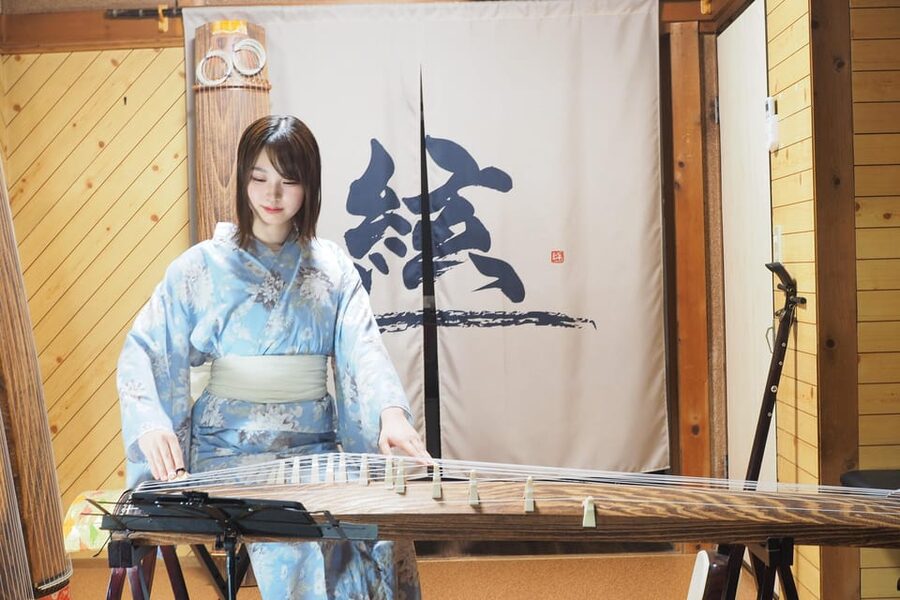
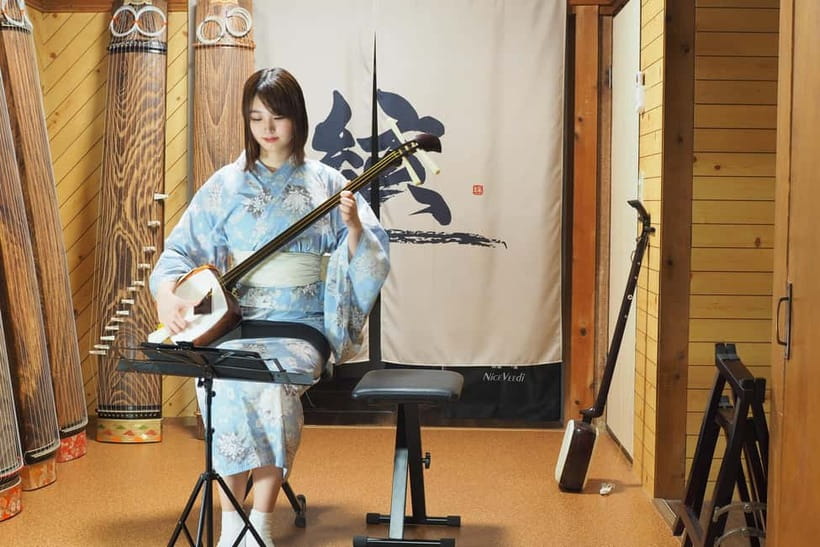
This experience gives you two ways to hear Japanese string music. The traditional townhouse is the intimate choice. It feels more like entering a private living room than taking a seat in a formal concert hall. Cushions or chairs are arranged close to the performer, and the small scale lets you notice the movement of the picks, the shape of the instruments, and the changes in tone.
The townhouse program is a solo performance on koto and shamisen. A musician plays four or five classical and contemporary pieces, with the exact selection changing by performer and season. Some programs also include singing. The setting is especially good if you want a quiet cultural experience rather than a large stage show.
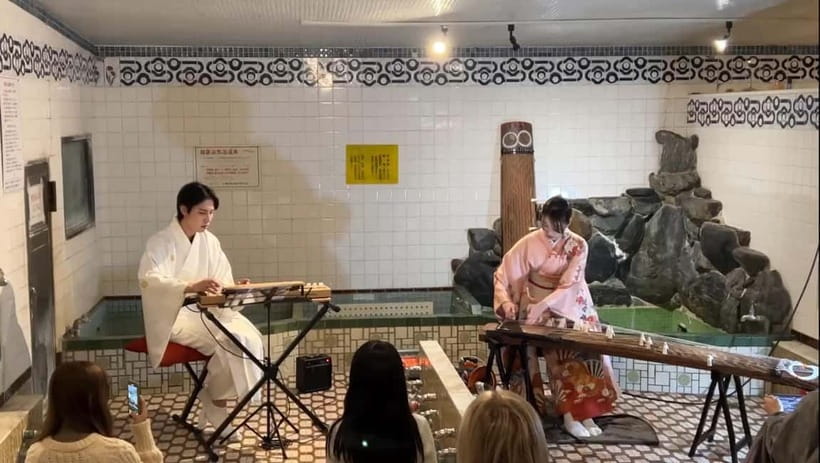
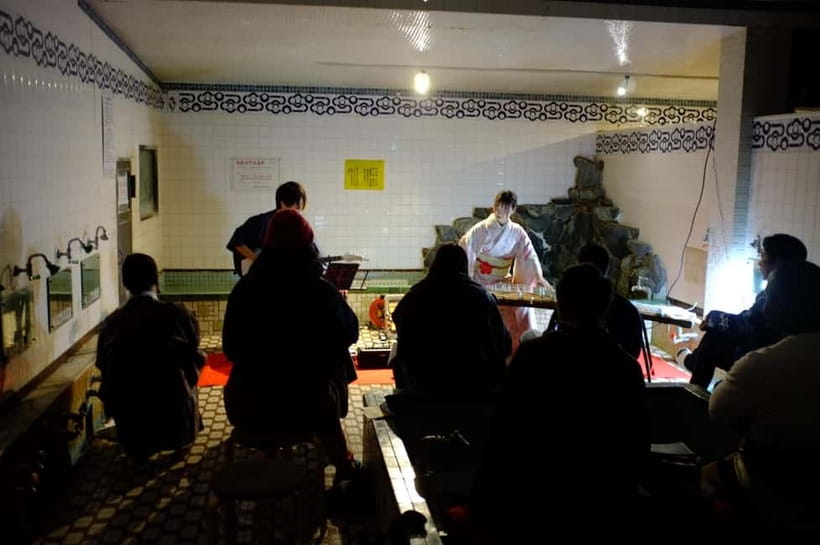
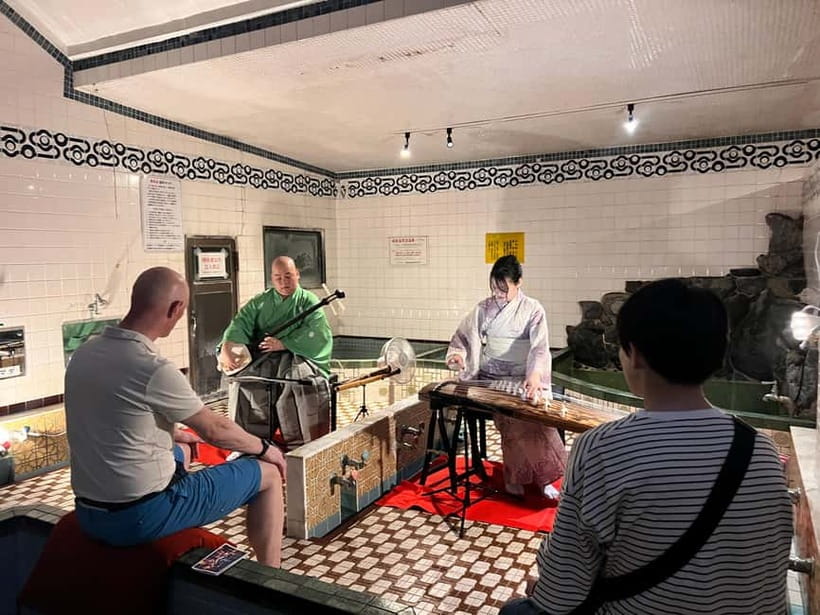
The historic bathhouse hall offers a different sound. Its tiled walls create natural reverberation, so the music spreads through the room and feels more dramatic. Here, a koto player may perform with shamisen, shakuhachi, taishōgoto, flute, or guitar. The program still includes four or five pieces, but the duet format gives it more variety and musical contrast.
The bathhouse is not a bathing experience. You are attending a concert in a former bathhouse setting, with no bathing, food, or drinks included. That distinction matters when you are planning your evening.
More Live Music in the world:
- Vienna: Vivaldi’s Four Seasons Concert in Karlskirche
★ 4.7 · 14,951 reviews - Venice: La Fenice Opera House Entry Ticket with Audio Guide
★ 4.6 · 11,742 reviews - Sydney: Opera House Guided Tour with Entrance Ticket
★ 4.8 · 8,312 reviews
What happens during the 45 to 105 minutes
The shorter concert portion lasts about 45 minutes. If you add the townhouse workshop, plan on as much as 105 minutes. The schedule is straightforward and gives you enough context without turning the event into a lecture.
Check-in and seating, 5 to 10 minutes
You are welcomed, shown where to sit, and given a brief explanation of venue etiquette. In the townhouse, the small room means you are close to the musician. That is part of the appeal, but anyone who prefers a roomy performance space should know that the atmosphere is intentionally compact.
At the bathhouse, seats are arranged in rows. The larger capacity gives you more room, although you lose some of the private-home feeling. The hall’s tiles make up for that with sound that lingers longer.
Instrument introduction, 10 to 15 minutes
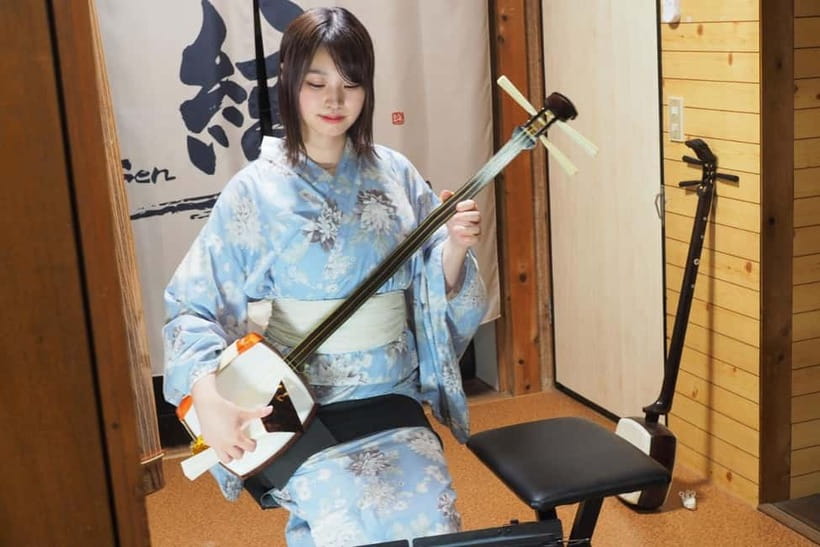
Before the music begins, the host explains how the koto and shamisen work. You learn about the materials, strings, bridges, picks, and the unusual notation used for traditional music. The bilingual mini-commentary is useful because it gives you something specific to listen for.
Hosts have included Gen, Shohei, Samuel, Sofia, and others, depending on the session. The guiding style can vary, but the purpose is consistent: to make the music understandable to people who have never encountered these instruments.
This part is particularly helpful for families and first-time listeners. You do not need any knowledge of Japanese music. The explanations also make the performance more personal, since you know something about the instrument before the first note.
Another night with a band on stage:
- New Orleans Steamboat Natchez Jazz Cruise with Dinner Option
★ 4.0 · 7,533 reviews - Budapest Danube Cruise and Dinner Options, Live Music and Dance
★ 4.5 · 7,428 reviews - Paris: 3-Course-Dinner Cruise on the Seine with live music
★ 4.7 · 7,248 reviews - Vienna: Classical Concert in the World-Famous Musikverein
★ 4.6 · 6,673 reviews
Concert, 25 to 30 minutes
The main performance includes four or five pieces, not counting a possible opener at the bathhouse. The program may move from Japanese classical music to newer arrangements, contemporary works, or pieces written by the performer.
Sample townhouse selections include Kajimakura, Chidorino Kyoku, and Kaede no Hana. You should not expect the exact same program at every booking. Each musician selects works that show their own style and technical skill.
The koto is a long, horizontal instrument with a bright, clean sound. The shamisen has a sharper, more percussive voice. Hearing both in a small room helps you tell them apart. At the bathhouse, the sound of the koto can expand into the tiled space, while a duet adds rhythm, breath, or a contrasting melody.
Several programs include singing. This can surprise people who expect only instrumental music, but it helps show the full range of traditional performance. The artists are not simply demonstrating instruments. They are presenting complete musical works.
Questions and photographs, 5 to 10 minutes
After the last piece, you can ask questions and spend a little time with the performers. Photo opportunities are included, and the close setting makes it easy to ask about the musician’s training, the pieces, or the instruments.
The question period is one of the best reasons to choose this over a recorded performance. You can ask what the notation means, why a certain instrument was paired with another, or how the performer learned a difficult passage. The answers give the concert a human scale.
The townhouse is the better pick for personal contact
If you want the most intimate version, choose the townhouse. Capacity is about 11 people, and some bookings may have only a handful of audience members. That small size allows the host to involve you in the discussion and gives the musician a direct connection with the room.
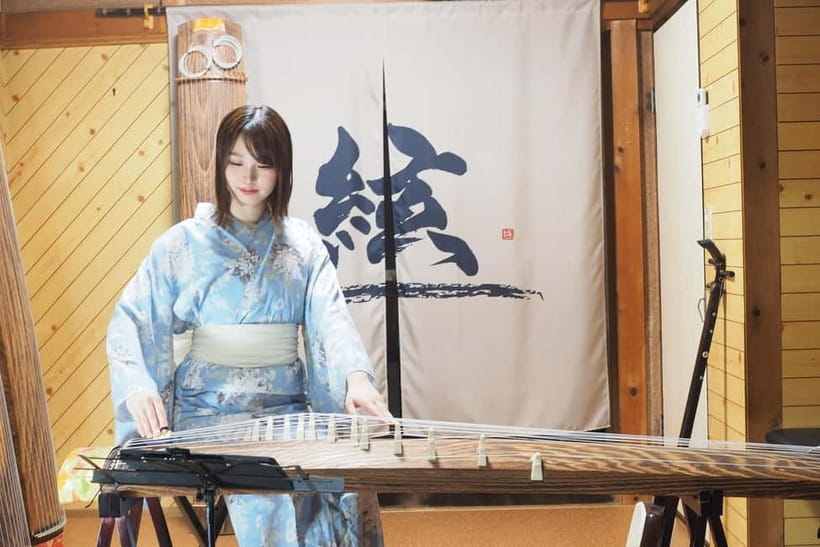
The townhouse also includes the only available hands-on workshop. After the concert, you sit at the koto, learn how to position yourself, pluck the strings, and play a short phrase. The instruments are sanitized, and guidance is provided throughout.
Do not expect to become a koto player in 40 minutes. The point is to feel how the instrument responds and to understand the control required to make clean music. Even a simple phrase gives you a new respect for the performance you have just heard.
This option suits solo visitors, couples, families with older children, and anyone who likes conversation. It is also a good rainy-day activity, since the focus is indoors and the experience does not depend on Kyoto’s weather.
The limitation is space. A very small room may feel crowded when the booking is full, and some people may find floor-style seating less comfortable than a regular theater seat. The meeting point can also be hard to spot. Use the exact map details provided with your booking and allow extra time.
The bathhouse gives the music more room to breathe
The bathhouse hall is the choice for sound and variety. Its tiled walls create a natural echo that changes the character of the music. A solo koto piece can feel spacious, while a duet with shamisen, shakuhachi, flute, guitar, or taishōgoto can build a stronger sense of occasion.
This option holds about 30 people, so it feels less private than the townhouse. That is not necessarily a weakness. If you prefer a proper row of seats and a more theatrical presentation, the bathhouse may suit you better.
The tradeoff is scheduling. Townhouse sessions are held almost every day, but bathhouse concerts are offered irregularly, usually on Mondays. Check the calendar before building the rest of your day around it. You may need to choose the townhouse simply because the bathhouse date does not match your plans.
There is also no koto workshop at this venue. If playing the instrument matters more to you than the hall’s sound, book the townhouse instead.
Classical pieces, modern arrangements, and changing programs
The music is not locked into one period or mood. A typical program may combine old Japanese pieces with modern works, original compositions, or songs. That mix helps prevent the concert from feeling like a museum display.
The performers choose pieces to match their strengths. One musician may focus on lyrical koto playing and singing. Another may show more shamisen technique. At the bathhouse, the selection also has to suit the echoing room and the other instrument in the duet.
You may hear a calm, reflective work followed by something more rhythmic. The commentary gives you a basic guide to the pieces, but this is still a listening experience rather than a full music history class. If you want extensive historical detail, you may find the explanations brief. For most people, that balance works well.
The program length is also sensible for a busy Kyoto itinerary. You receive enough music to understand the instruments without giving up half a day of sightseeing.
How the price compares with other Kyoto activities
At $32 per person, the concert offers good value if you care about direct contact with performers. You are paying for a professional performance, bilingual explanations, a question period, photo time, and venue seating. The townhouse booking can also include a substantial koto workshop.
The value comes from the setting as much as the music. A large public show may offer a bigger stage, but it is unlikely to let you watch from a few feet away or ask the artist questions afterward. Here, the small group format turns a concert into a cultural encounter.
The price is less compelling if you only want a long musical program. The actual concert lasts around 25 to 30 minutes, with the rest of the time devoted to introductions and conversation. I think that is the right format for most international visitors, but serious concertgoers should set their expectations accordingly.
Private and small-group options are available. A private booking may be worthwhile for families or friends who want a more personal session, though the standard price and exact private-group terms should be checked when booking.
Fitting the concert into a day around Saiin
The venues are positioned well for combining music with major Kyoto sights, but transportation is not included. The nearby sightseeing times are approximate, so allow extra time for walking, transfers, and finding the meeting point.
- Nijō Castle: About 20 minutes away. This is an easy pairing before or after the concert, especially if you want history and music on the same day.
- Arashiyama: About 25 minutes away by walking to Saiin Station, taking the Hankyu Line to Katsura, then transferring to the Randen Line.
- Kinkaku-ji: About 20 minutes away by bus from Nishioji Sanjō, followed by a short walk.
- Nishiki Market: About 25 minutes by direct Hankyu service to Karasuma or Kawaramachi. It works well before an evening concert if you want food shopping nearby.
I would not schedule the concert too tightly between major sights. The townhouse meeting point may take a moment to locate, and the bathhouse date is less flexible. Give yourself breathing room rather than arriving flustered.
Who will enjoy this most
I would choose this experience if you want a cultural activity that feels personal and easy to understand. It is a strong fit for:
- First-time visitors to Japan who want more than temples and food
- Music lovers interested in unusual instruments
- Couples seeking a quiet evening
- Families with children old enough to sit through a short concert
- Visitors who enjoy asking questions and trying things themselves
- Anyone with limited time who wants a focused Kyoto activity
It may not suit you if you want a large-scale stage production, a long concert, or a completely hands-off evening. The music is traditional, but the format is friendly and explanatory rather than formal.
The baby restriction is simple: this is not suitable for infants under one year. English and Japanese are spoken, and no specialist knowledge is expected.
Booking advice and final verdict
I would book the townhouse for the best all-around experience. The small room, changing solo programs, and optional koto workshop offer the most contact with the artists. It is also easier to find a date because sessions run nearly every day.
Choose the bathhouse if sound matters most to you and you can match your schedule to an occasional Monday. The reverberation and duet format give it a different character, but you will not have the workshop or the same living-room intimacy.
Free cancellation is available up to 24 hours before the experience, and you can reserve now and pay later. Those terms help if your Kyoto plans are still shifting, but the key decision is the venue. At $32, this is a worthwhile buy for anyone who wants to hear Japanese music up close, learn what they are hearing, and leave with more than a quick photograph of a temple.
FAQ
How long does the Kyoto traditional concert last?
The concert experience lasts between 45 and 105 minutes, depending on the option. The longer duration includes the optional 35 to 40 minute koto workshop at the traditional townhouse.
What instruments will I hear?
You may hear koto and shamisen at either venue. The bathhouse duet program may also pair the koto with shakuhachi, taishōgoto, flute, guitar, or another instrument.
Is the concert suitable for beginners?
Yes. Most participants have little or no prior knowledge of Japanese instruments, and the bilingual introduction explains how the instruments, picks, bridges, and notation work.
Can I play the koto?
Yes, but only with a traditional townhouse booking. The optional workshop teaches basic koto techniques and a short phrase with sanitized instruments and guidance.
Is the bathhouse experience a bathing activity?
No. The bathhouse option is a concert in a historic bathhouse hall. Bathing, food, and drinks are not included.
How many people attend?
The traditional townhouse holds up to about 11 people. The historic bathhouse hall holds up to about 30 people. Private and small-group bookings are also available.
How close are the concert venues to Kyoto sights?
Approximate travel times are 20 minutes to Nijō Castle, 25 minutes to Arashiyama, 20 minutes to Kinkaku-ji, and 25 minutes to Nishiki Market. Transportation is not included, and the exact meeting point depends on the option you book.
Just added to the listings in the world
- Arena di Verona Opera Ticket Package★ 4.0 · 46 reviews
- Waitangi Treaty Grounds: Combo Pass (Hāngī + Concert + Admission)★ 5.0 · 122 reviews
- Rhodes Sunset Cruise – Swim and Dine w/ Live Music & Sunset!★ 5.0 · 44 reviews
- Private Shore Excursion Rotorua/ Tauranga Maori culture, Geyser & concert★ 5.0 · 20 reviews
- 7 Hours Te Puia Rotorua Tour from Tauranga with Concert★ 3.5 · 10 reviews
- Verona: Orchestra Concert in the city of Romeo and Giulietta★ 4.8 · 82 reviews
- Waitangi: Treaty Grounds Hāngī and Concert Combo Pass★ 4.7 · 67 reviews
- Master Concert in the Max-Joseph Hall in Munich★ 4.9 · 49 reviews
Live Music, compared.
Vivaldi’s Four Seasons Concert in Karlskirche
Read our review →
La Fenice Opera House Entry Ticket with Audio Guide
Read our review →
Opera House Guided Tour with Entrance Ticket
Read our review →
New Orleans Steamboat Natchez Jazz Cruise with Dinner Option
Read our review →
Budapest Danube Cruise and Dinner Options, Live Music and Dance
Read our review →
3-Course-Dinner Cruise on the Seine with live music
Read our review →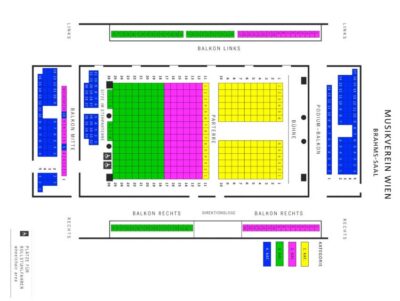
Classical Concert in the World-Famous Musikverein
Read our review →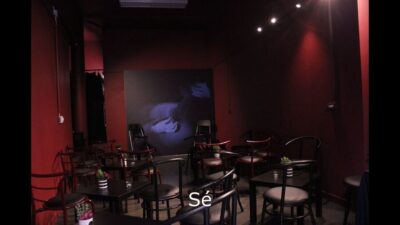
Browse the lists this tour appears in