
REVIEW · JAPAN
Kyoto: Kujo-yu Sento Traditional Japanese Instrument Concert
Kyoto’s Kujo-yu concert turns an old bathhouse into a small music hall. The koto and shamisen sound especially at home here, with the notes carrying through the former sento and blending with its warm, intimate setting. It is a gentle change from Kyoto’s temples and crowded streets.
I like the unusual venue and the way the program moves from classical Japanese pieces to modern arrangements and original music. I also like the short 50-minute length, which fits neatly into an evening near Kyoto Station.
The main consideration is access: the venue is not suitable for wheelchair users. And at $32, this is best for you if the music and setting matter more than seeing a famous landmark or filling several hours with activity.
Key points to know before booking
- A renovated sento becomes the concert hall: Kujo-yu gives the performance a setting you will not get in a standard theater.
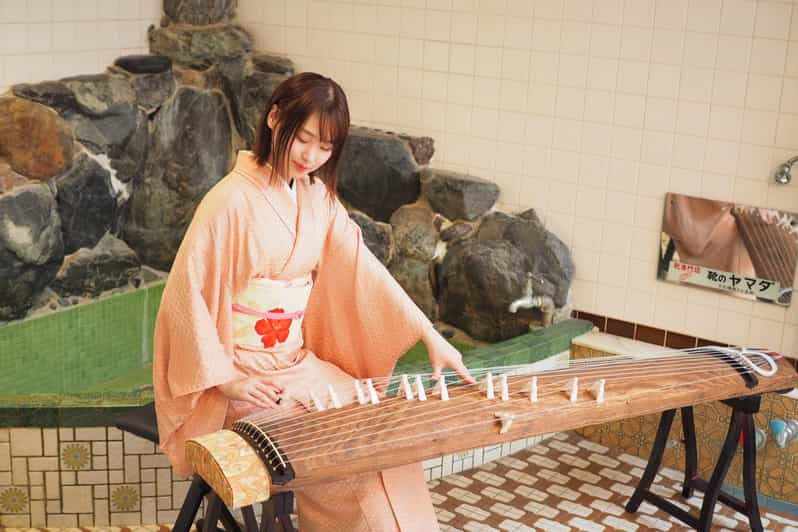
- Koto and shamisen lead the program: Expect the bright, intricate sound of the koto alongside the more percussive character of the shamisen.
- The music changes: The program may include classical works, contemporary arrangements, and original compositions, with seasonal and performer-related changes.
- The concert lasts 50 minutes: It is long enough to feel substantial, yet short enough to pair with Kyoto Station, Fushimi Inari, or Toji Temple.
- The acoustics are part of the experience: Sound travels through the bathhouse, making the building more than a backdrop.
- Planning is flexible: You can cancel up to 24 hours before the start for a full refund and reserve now while paying later.
Why a Kyoto bathhouse makes an unusual concert hall
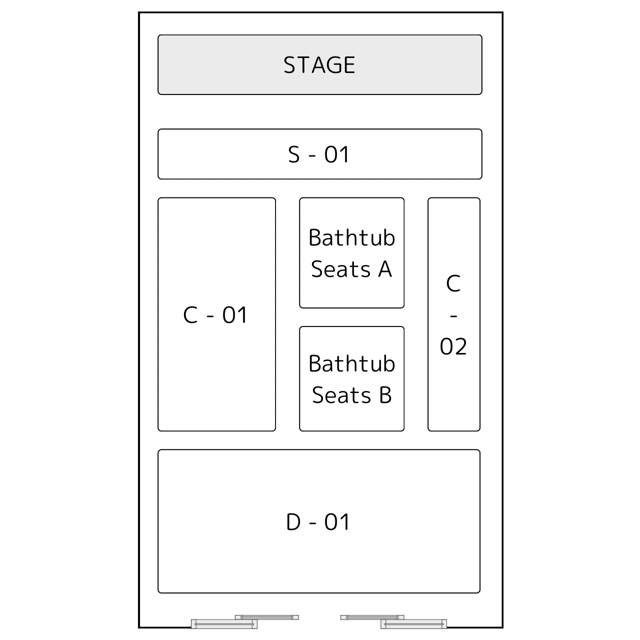
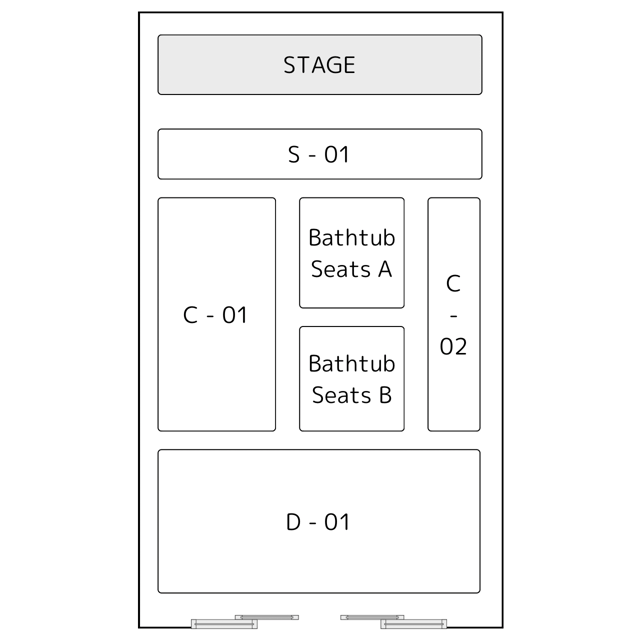
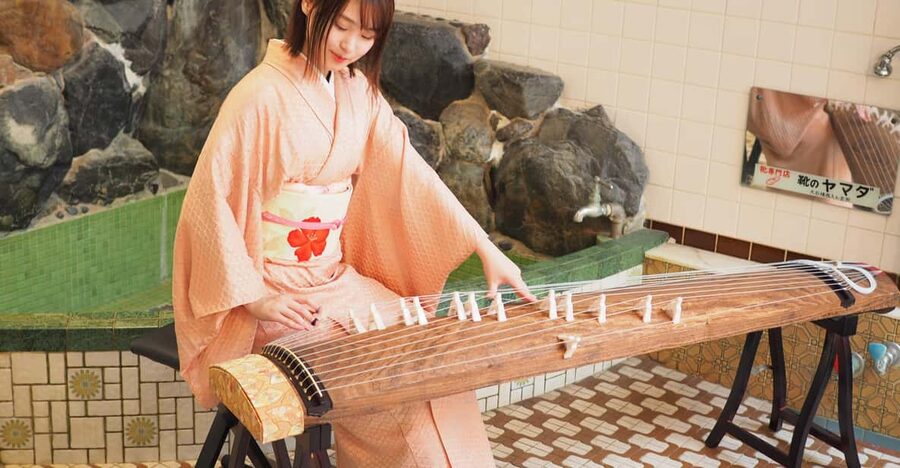
Kujo-yu is a renovated sento, or traditional Japanese public bathhouse, near Kyoto Station. Its original purpose was practical and local. Here, the space has been given a new role without losing the sense that it belongs to the neighborhood.
That matters because the concert is not simply a performance placed inside an attractive old building. The room affects the music. The sound of the instruments spreads through the bathhouse, giving the performance a sense of place that a regular concert room cannot copy.
I like this kind of setting because it gives you a small piece of everyday Japanese culture, not only the grand sights prepared for sightseeing. Kyoto is famous for temples, gardens, and wooden streets, but a sento tells a different story about local life. Even in renovated form, Kujo-yu connects the music to a familiar community space.
The atmosphere is warm and intimate rather than grand. You are not going for spectacle, a large stage, or a long theatrical production. You are going to sit with the sound and the building for less than an hour.
More Live Music in Japan:
- Kyoto: Traditional Concert at Townhouse or Bathhouse
★ 4.9 · 224 reviews - Experience the Asakusa Kabuki Opera Show!
★ 5.0 · 99 reviews - Japanese Traditional Music Show in Tokyo
★ 5.0 · 72 reviews
Hearing the koto and shamisen up close
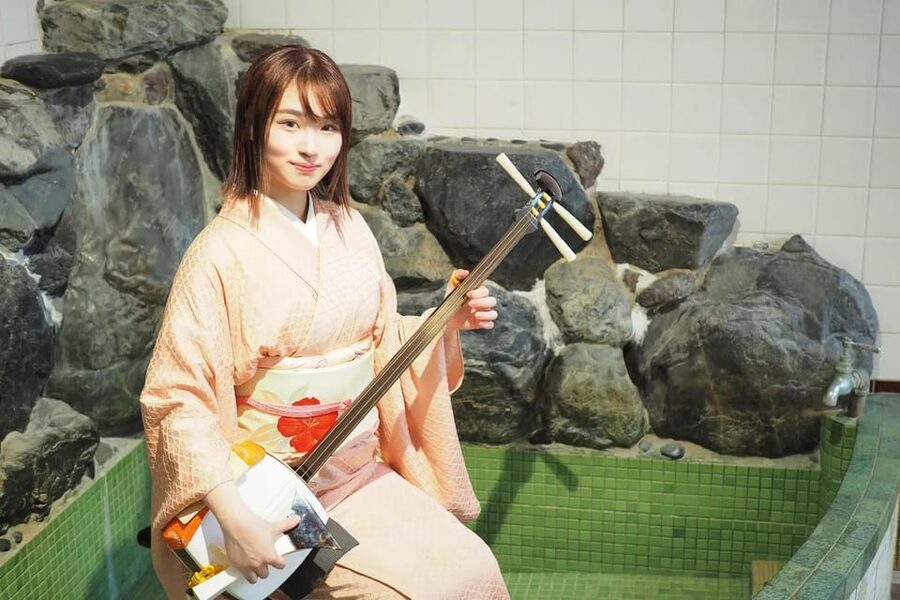
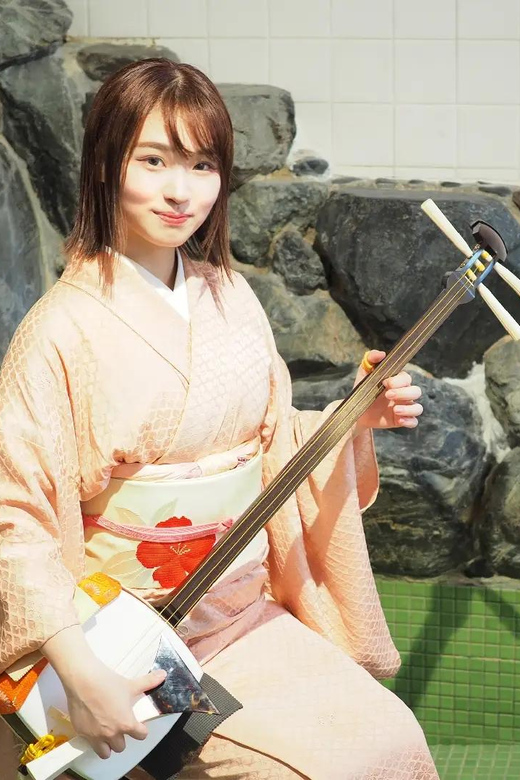
The performance features a koto and shamisen player. These instruments give the concert its clear Japanese character, but they offer different sounds.
The koto is a long zither with strings stretched across a wooden body. Its sound can be delicate and ringing, with individual notes that seem to hang in the air. The shamisen is a three-stringed instrument with a sharper, more rhythmic voice. Together, they can create contrast between bright, flowing passages and firmer, more textured sections.
You do not need a detailed background in Japanese music to follow the performance. I would simply listen for the change in tone and pace. Notice how the koto can sound almost weightless, then how the shamisen brings a stronger pulse or attack.
The venue helps you hear those differences. The bathhouse acoustics enhance the music, so the instruments are not just something you watch. Their sound travels around you and becomes part of the room.
Two verified five-star ratings describe the musicians as highly skilled and the music as fascinating. One also calls the performance enchanting, with the bathhouse making the acoustics unique. That matches the central appeal here: the musicians and the room work together.
What the 50-minute program may include
There is no single fixed program for every visit. The repertoire changes with the season and the performers, so the exact pieces are not promised in advance.
You can expect a mix that may include:
- Classical Japanese masterpieces
- Contemporary arrangements
- Original compositions
This variety keeps the concert from feeling like a museum display of old music. Traditional sounds remain at the center, but the program can also show how koto and shamisen work in newer musical settings.
I see that as a strength if you want culture presented as something still alive. You may hear a familiar traditional style followed by a modern treatment, or an original work that uses the instruments in a less expected way. The changing program also means a second visit need not repeat the first experience.
The trade-off is that you cannot choose a set list or count on hearing one particular famous composition. If a specific piece is the reason you are booking, this concert may be too flexible. If you are happy to let the performers shape the hour, the changing program adds interest.
The character of Kujo-yu during the performance
The old bathhouse is more than a photo opportunity before the music begins. Its surfaces and open feel help the sound carry, while its modest scale keeps the mood personal.
I would arrive ready to pay attention to the room as well as the instruments. Look at how the renovated sento preserves its identity. The setting gives you a visual reminder that Japanese culture is not limited to shrines and formal arts. A public bathhouse, once part of local daily life, can now support a concert without losing its sense of warmth.
The venue also changes how you listen. In a formal hall, you may focus on the stage and the technical quality of the performance. At Kujo-yu, the room remains present. The music appears to merge with the surroundings, which is one reason the experience can stay with you after the final notes.
There is a little useful humility in the setting. You are not being told that the building is a grand monument. Instead, you are hearing skilled musicians in a place that has been cherished by the local community and given a fresh purpose.
Another night with a band on stage:
- Traditional Japanese Music show & Experience Tour in Kyoto
★ 5.0 · 57 reviews - Concerts Played with Traditional Instruments in Kyoto
★ 5.0 · 50 reviews - Kyoto: Japanese Koto & Shamisen Concert and Koto Class
★ 4.9 · 31 reviews - Traditional Japanese Music show & Experience Tour in Osaka
★ 5.0 · 25 reviews
Fitting the concert into your Kyoto day
The location near Kyoto Station makes this an easy add-on to a sightseeing day. Kujo Station is one stop from Kyoto Station, and Kyoto Tower is about 15 minutes away by train and on foot.
That makes the concert practical after exploring the station area. You could also use it as a quiet break from a day of major sights. The 50-minute duration is helpful here. It is long enough to settle into the performance, but not so long that it takes over your entire evening.
Several major sights are within reasonable reach:
- Fushimi Inari Taisha: About 10 to 15 minutes by taxi. The distance is approximately 2 kilometers, and the taxi fare is just under ¥1,000.
- Kyoto Tower and Kyoto Station: About 15 minutes by train and on foot. Kujo Station is one stop from Kyoto Station.
- Toji Temple: About 15 to 20 minutes by bus and on foot. Its five-story pagoda is one of Kyoto’s familiar landmarks.
- Kiyomizu-dera: About 30 minutes by bus and on foot.
These times are useful for planning, but I would not try to cram all of these sights around the concert. Kyoto’s transport and walking time can wear you down, especially if you have already spent the day on your feet. Pick one nearby area and let the music be the calm part of the schedule.
Fushimi Inari is the most convenient pairing by taxi. Toji Temple is another sensible choice if you want to combine a famous Buddhist temple with a smaller cultural experience. Kiyomizu-dera takes longer to reach, so it works better as part of a wider eastern Kyoto day than as a quick side trip.
Is $32 a fair price?
At $32 per person, this is not a bargain in the sense of a free temple visit or a low-cost neighborhood activity. The price pays for a dedicated music performance, not transportation, a meal, or entry to several attractions.
I think the value is reasonable if you care about three things: live Japanese music, a distinctive historic setting, and a short program that fits into a packed Kyoto schedule. You are paying for the combination, since you could hear traditional instruments elsewhere, but not necessarily in a renovated sento with these acoustics.
The price is harder to justify if you want a long evening or a full explanation of Japanese instruments. The information provided promises an English host or greeter, but it does not describe a lengthy lecture or guided demonstration. Think of this as a concert first, with cultural atmosphere built into the setting.
Nothing extra is listed as excluded, and there are no additional paid elements named. That keeps the cost clear. You know you are booking the concert itself rather than a package with uncertain add-ons.
Who will get the most from Kujo-yu
I would recommend this to several kinds of visitors.
Music lovers will appreciate the chance to hear koto and shamisen in a room that supports their sound. You do not need to be an expert, but curiosity about Japanese instruments will make the 50 minutes more rewarding.
Culture-focused visitors will like the meeting of old and new. The instruments are traditional, yet the program can include contemporary arrangements and original works. The bathhouse adds a slice of local culture beyond Kyoto’s usual sightseeing list.
Families may find the shorter format useful. A 50-minute concert is easier to manage than a long formal performance, and the unusual building gives children something concrete to notice. The activity details describe it as suitable for families, though accessibility remains a concern for wheelchair users.
Couples and solo visitors can treat it as a quiet pause in the middle of a busy trip. The intimate atmosphere suits anyone who wants a slower cultural experience rather than another crowded attraction.
I would be more cautious if your schedule is already overloaded or if you need step-free access. I would also think twice if you expect a large-scale stage show, a famous soloist, or a fixed list of well-known pieces. This is a small, setting-led concert.
Practical planning details
The concert lasts 50 minutes, and starting times depend on availability. Check the time carefully against your train, meal, or temple plans.
An English host or greeter is listed, and English is the available language. The music itself does not require translation, but English support can make arrival and basic orientation easier.
Free cancellation is available up to 24 hours in advance for a full refund. You can also reserve now and pay later, which helps if your Kyoto plans are still moving around.
The venue is not suitable for wheelchair users. No other accessibility details are provided, so if you have mobility needs beyond that point, confirm the arrangements before booking rather than guessing.
The experience is provided by Gen. No individual performer names are supplied, so you should book for the instruments, venue, and changing program rather than for a named artist.
Should you book this Kyoto concert?
I would book Kujo-yu if you want a compact cultural experience with a real sense of place. The strongest reasons are the renovated sento, the unusual acoustics, and the chance to hear koto and shamisen in a program that can move between classical and modern music.
I would skip it if you are looking for a major Kyoto landmark, a long guided lesson, or guaranteed access for a wheelchair. Otherwise, the 50-minute length and location near Kyoto Station make it an easy addition to your day. At $32, it earns its price through atmosphere and live music, not through quantity. That is a fair trade when you want one memorable hour rather than another item to check off.
FAQ
Where does the concert take place?
The concert takes place at Kujo-yu, a renovated sento, or traditional Japanese bathhouse, near Kyoto Station.
How long does the concert last?
The concert lasts 50 minutes.
What instruments are performed?
The performance features a koto and shamisen player.
What type of music will I hear?
The program can include classical Japanese masterpieces, contemporary arrangements, and original compositions.
Does the program stay the same for every concert?
No. The repertoire changes according to the season and the performers.
Is the activity available in English?
Yes. An English host or greeter is provided, and English is the listed language.
How far is Kujo-yu from Kyoto Station?
Kujo Station is one stop from Kyoto Station. Kyoto Station and Kyoto Tower are about 15 minutes away by train and on foot.
How far is Fushimi Inari Taisha from the venue?
Fushimi Inari Taisha is about 10 to 15 minutes away by taxi. The distance is approximately 2 kilometers, and the taxi fare is just under ¥1,000.
Is the venue wheelchair accessible?
The activity is not suitable for wheelchair users.
Can I cancel the booking?
Yes. You can cancel up to 24 hours in advance for a full refund. You can also reserve now and pay later.
Just added to the listings in Japan
- Japanaese tradtional Tsugaru Shamisen music lesson in Tokyo★ 4.5 · 3 reviews
- Tsugaru shamisen performance over traditional dinner★ 5.0 · 9 reviews
- Easy for everyone! Now you can play handmade mini shamisen and show off to everyone! Musical instruments, sweets and live music★ 5.0 · 3 reviews
- Traditional Japanese Music show & Experience Tour in Osaka★ 5.0 · 25 reviews
- Traditional Concert in Public bath near Kyoto Station★ 5.0 · 5 reviews
- Private Japanese music concert★ 5.0 · 4 reviews
- Kyoto: Matcha & Traditional Japanese Music Immersive Experience★ 5.0 · 9 reviews
- Echoes of Peace – A Soul-Stirring Koto Concert in Hiroshima★ 4.5 · 5 reviews
Live Music, compared.

Vivaldi’s Four Seasons Concert in Karlskirche
Read our review →
La Fenice Opera House Entry Ticket with Audio Guide
Read our review →
Opera House Guided Tour with Entrance Ticket
Read our review →
New Orleans Steamboat Natchez Jazz Cruise with Dinner Option
Read our review →
Budapest Danube Cruise and Dinner Options, Live Music and Dance
Read our review →
3-Course-Dinner Cruise on the Seine with live music
Read our review →
Classical Concert in the World-Famous Musikverein
Read our review →
Browse the lists this tour appears in