
REVIEW · JAPAN
Echoes of Peace – A Soul-Stirring Koto Concert in Hiroshima
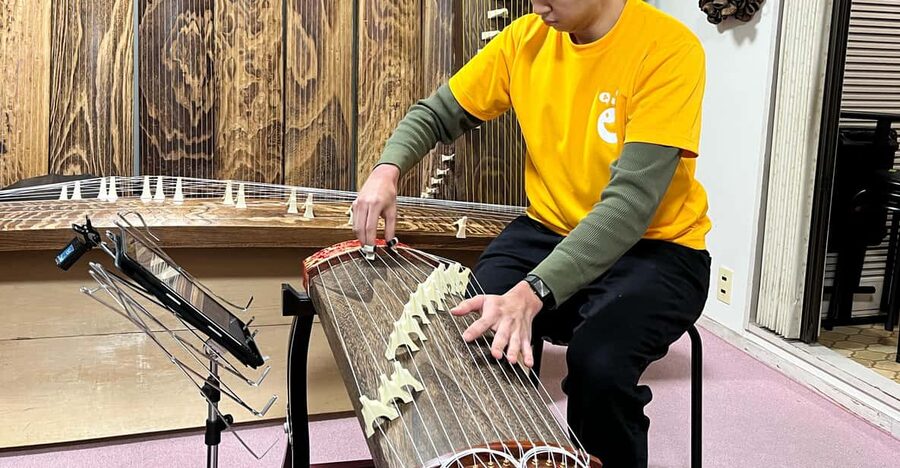
The most moving part of this Hiroshima experience is the way the koto connects music with the city’s message of peace. In a small studio near Hiroshima Peace Memorial Park, you hear a 25-minute concert that can move from Bach and Pachelbel to John Lennon and Japanese pop arrangements.
I like the small group of up to 10 people, which keeps the setting personal, and I like the English introduction to the koto’s history and construction. At $25, it is also an easy cultural stop to add between visits around central Hiroshima.
The main caution is that the concert is short, and the peace theme may not fill the entire program. One attendee also found the outside sign hard to spot, so allow a little extra time to find the entrance.
Key points at a glance
- A 25-minute live koto concert: Hear classical works, modern arrangements, and original music in an intimate studio.
- Music linked to Hiroshima: The program includes a peace-focused original piece and music connected with hope and harmony.
- More than a performance: An English introduction covers the koto’s history, craftsmanship, and spiritual importance.
- A useful central location: The studio is near Hiroshima Peace Memorial Park and reachable from Tatemachi streetcar station.
- A personal scale: The group is limited to 10 participants, with free conversation with the performer in English.
- Optional hands-on follow-up: You can add a short koto workshop if you want to try the instrument yourself.
Why this short koto concert fits Hiroshima
Hiroshima has plenty to see, from the Peace Memorial Museum and Atomic Bomb Dome to the city’s food streets and riverside walks. This concert gives you a quieter way to think about the same themes.
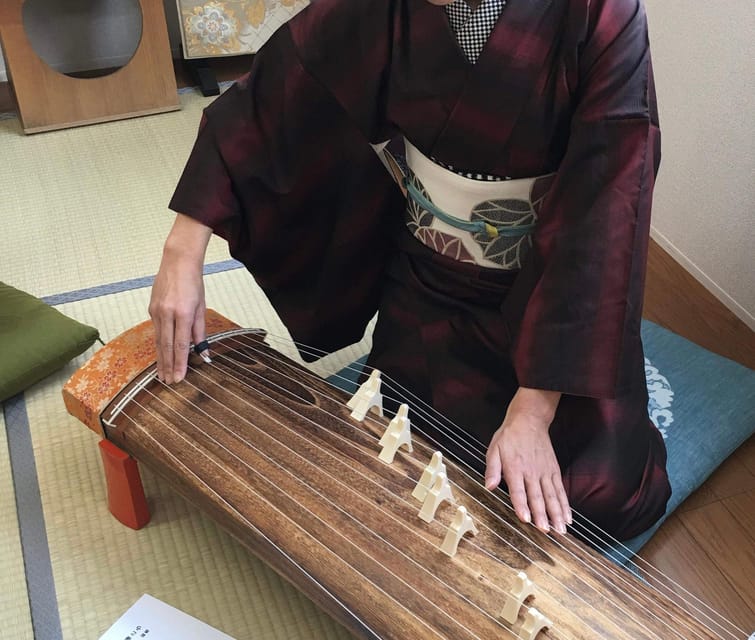
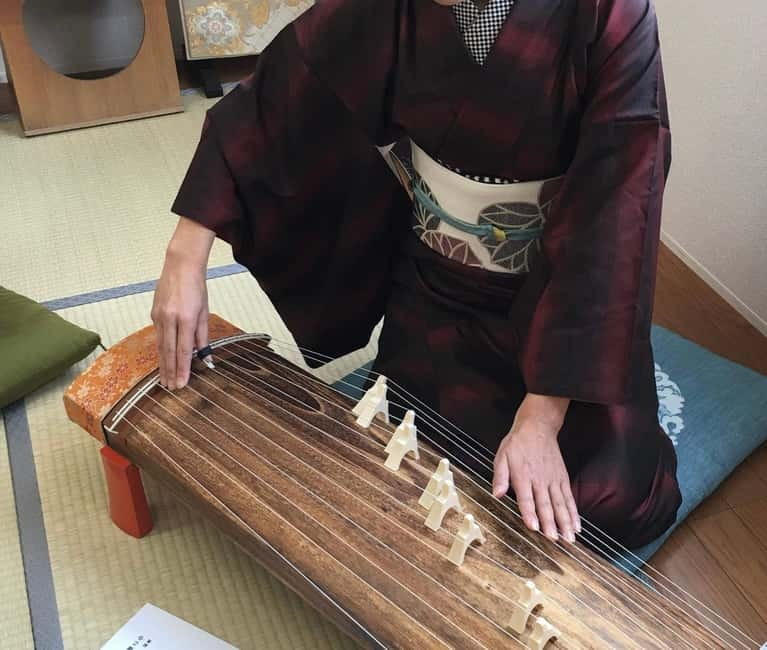
The koto is a traditional Japanese string instrument played with picks worn on the fingers. Its sound can be bright and ringing, but it can also be soft and spacious. That range makes it a good fit for a program that moves between old Japanese tradition, European classical music, contemporary songs, and works about peace.
I especially like the setting of this activity near the Peace Memorial Park. It does not try to replace the serious memorial sites. Instead, it gives you 30 calm minutes to listen and reflect after, or before, the heavier parts of your Hiroshima visit.
The activity is not a large stage show. It takes place in a studio, with the performer close to the audience. That makes the experience feel more like a cultural meeting than a formal concert hall event. If you enjoy small-scale music and direct contact with an artist, this is a strong point.
More Live Music in Japan:
- Kyoto: Traditional Concert at Townhouse or Bathhouse
★ 4.9 · 224 reviews - Experience the Asakusa Kabuki Opera Show!
★ 5.0 · 99 reviews - Japanese Traditional Music Show in Tokyo
★ 5.0 · 72 reviews
What happens during the 30 minutes
The total activity lasts about 30 minutes, with the live concert itself described as roughly 25 minutes. The remaining time is used for a short cultural introduction and the chance to speak with the performer in English.
The exact running order may vary, but you can expect the session to cover three main parts:
- An introduction to the koto and its role in Japanese culture
- A short live program
- Conversation with the performer, with an optional workshop available
That compact format works well if you are fitting the concert into a full day in Hiroshima. You do not need to give up half a day, and the activity is short enough for children over 10 who can sit quietly for a brief performance.
The trade-off is simple: this is a sample of koto music, not a full evening recital. If you want a long concert with many pieces and extended explanations, 30 minutes may feel brief. If you want a focused cultural pause, the timing is useful.
Hearing Bach, Pachelbel, and John Lennon on the koto
The program is designed to show how flexible the koto can be. You may hear Bach’s Air on the G String, Ave Maria, and Pachelbel’s Canon in D. These familiar melodies give you an easy way to notice how the koto changes music you may already know.
The instrument’s tone brings a different color to European classical works. You are not simply hearing a standard concert version. You are hearing well-known melodies shaped by a Japanese instrument with a very different sound and playing style.
John Lennon’s Imagine fits the concert’s peace message directly. It is a familiar song for many people, and its presence helps connect Japanese musical tradition with a wider idea of global harmony.
You can also expect surprising pop arrangements. The activity does not list every modern song in advance, so part of the fun is hearing how the performer adapts a contemporary tune for the koto. This mix is likely to work best for people who want tradition without a strictly formal or academic concert.
The peace theme and its limits
The original piece Echo of Serenity is dedicated to peace. The program also honors the victims of the atomic bombing and includes prayers for harmony around the world. In Hiroshima, those ideas carry real weight.
I would approach this as a respectful musical tribute rather than a full memorial ceremony. The activity gives you a peaceful setting and music linked to remembrance, but its main format remains a concert with several different types of music.
That distinction matters. One attendee enjoyed the performer and the music but wanted more of the program to focus on peace. If you book this experience mainly for a sustained memorial presentation, you may find the classical and pop sections less closely tied to Hiroshima’s history than expected.
If you see the concert as one part of a larger Hiroshima visit, the balance makes sense. Spend time at the memorial sites for historical context, then use this performance as a quieter moment built around music and hope.
Another night with a band on stage:
- Traditional Japanese Music show & Experience Tour in Kyoto
★ 5.0 · 57 reviews - Concerts Played with Traditional Instruments in Kyoto
★ 5.0 · 50 reviews - Kyoto: Japanese Koto & Shamisen Concert and Koto Class
★ 4.9 · 31 reviews - Traditional Japanese Music show & Experience Tour in Osaka
★ 5.0 · 25 reviews
Learning how the koto is made and played
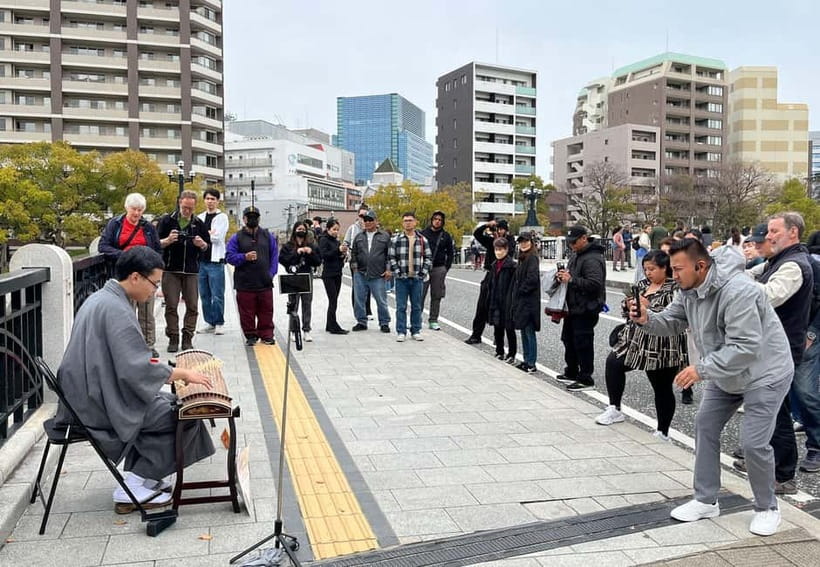
The introduction covers the koto’s history, craftsmanship, and spiritual significance. This is important because the instrument can look simple from a distance. The short talk gives you a better sense of why it matters and how its sound is produced.
You should not expect a technical music class during the concert. The focus is on understanding the instrument before hearing it in action. That approach helps you listen more closely to the changes between a classical piece, a traditional-style passage, and a pop arrangement.
The performer also offers free conversation in English. That is a useful feature for visitors who want to ask about the instrument, the music, or the performer’s work without needing Japanese. Since the group is capped at 10, you have a better chance of getting a direct answer than you would at a large public concert.
The optional mini-workshop adds a hands-on element. The supplied details do not specify how long it lasts or whether it carries an extra charge, so check those points when booking. It is best treated as an add-on for people who want to try the koto, not as part of the guaranteed 25-minute concert.
Finding the studio near Tatemachi
The meeting point is in central Hiroshima, near the Peace Memorial Park. If you arrive by streetcar, get off at Tatemachi station.
From there, go straight along the street and use Tully’s coffee shop as a landmark. When you reach the Gokku, 悟空, okonomiyaki restaurant, turn right. Look for the activity sign, then go to the second floor.
The directions are fairly specific, but the outside sign may not be as clear as you hope. I would not leave this search until the last minute, especially if your start time follows a visit to another attraction. Once you reach the correct floor, the entrance is visible as you exit the elevator. You are told to enter freely.
Transportation is not included, so you arrange your own streetcar ride or walk. The central location makes this fairly easy to combine with other Hiroshima sights, but the activity does not include food or refreshments. The booking information also lists glasses as not included, which is unusual wording, so ask the provider if that detail matters to you.
Is $25 a fair price?
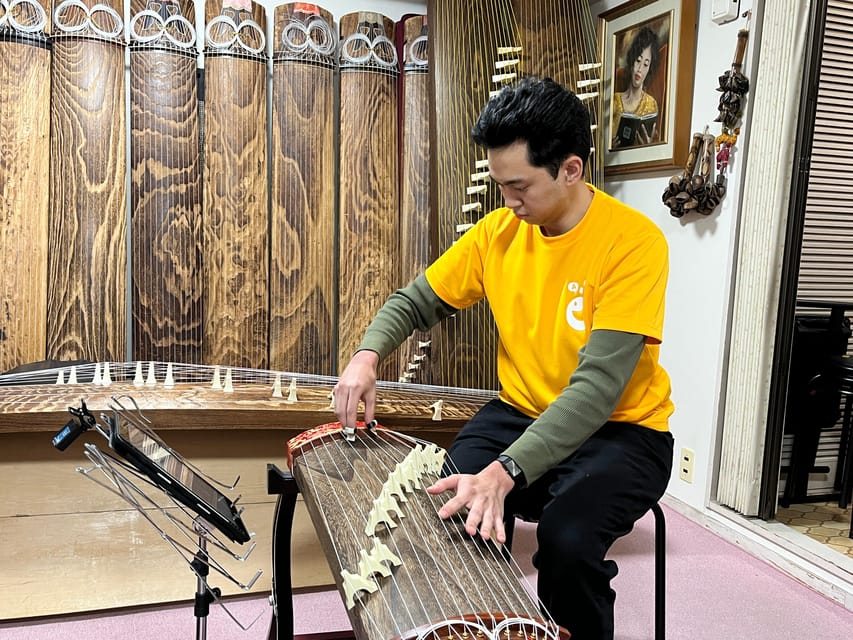
At $25 per person, the value depends on what you want from a cultural activity. You are paying for a short live performance, an English explanation of the koto, and the chance to talk with the performer. You are not paying for a long concert, a meal, or transportation.
I think the price is fair for a compact, personal experience, especially if you are already spending time near the Peace Memorial Park. It gives you something you are unlikely to get from a museum display alone: live sound and a close look at how a traditional instrument works.
The value is less clear if you measure activities by minutes alone. A 25-minute concert can feel brief, and the program includes some familiar Western pieces and pop arrangements rather than only traditional Japanese music.
For many visitors, that variety improves the value. You do not need prior knowledge of Japanese music, and familiar melodies give you an easy entry point. The program also avoids treating the koto as a museum object. You hear it used in several musical styles.
Who will enjoy this most
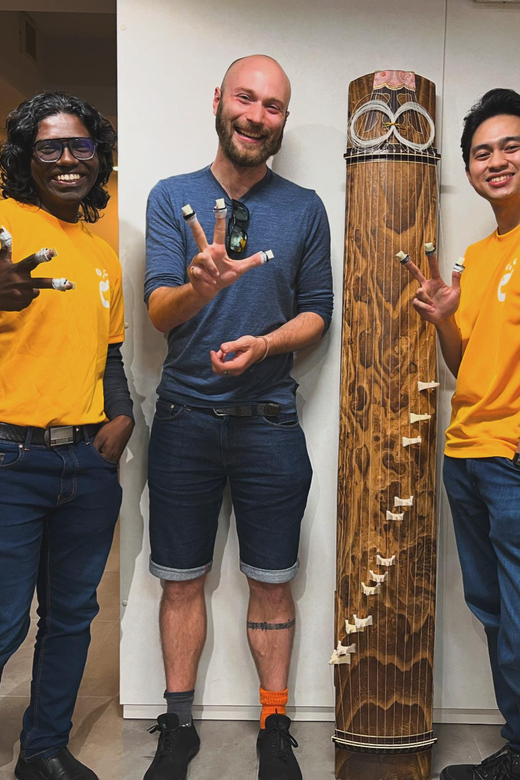
I would recommend the concert to you if you like:
- Traditional instruments presented in a relaxed way
- Small groups rather than large stage productions
- Short cultural activities that fit into a busy sightseeing day
- Music connected with peace and remembrance
- English conversation with a performer
- Seeing how a traditional instrument handles Western classical and modern music
It is also a good choice for couples, solo visitors, and small groups of friends who want a calm break from sightseeing. The activity is not suitable for children under 10, and the quiet concert setting may not suit younger children even above that age if they cannot sit through a short performance.
You may want to skip it if you need a long, strongly traditional recital, or if your main goal is an extensive account of Hiroshima’s wartime history. The concert touches those themes but does not replace a visit to the city’s memorial museums and monuments.
Practical timing and booking advice
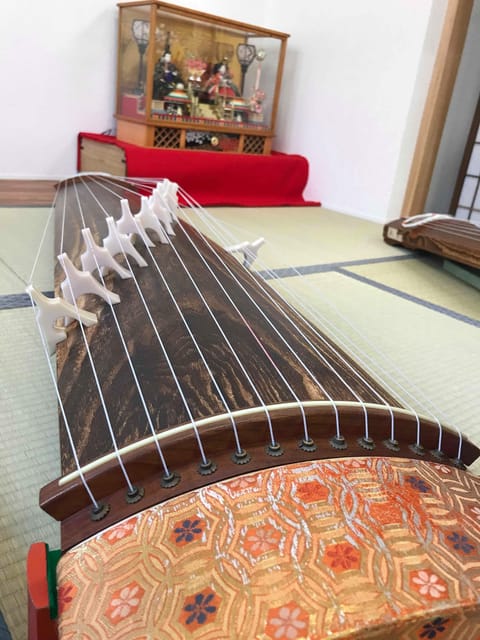
You can reserve the activity and pay later, which helps if your Hiroshima schedule is still changing. Free cancellation is available up to 24 hours before the start time for a full refund.
Check the available starting times before building the rest of your day. The performance itself is short, but you will need time to reach the second-floor studio and get settled. I would arrive early enough to look for the sign around Tatemachi rather than rushing in at the start.
The activity is offered in English. The small group limit of 10 is worth noting because it supports the personal feel of the introduction and conversation. It also means that available places may be limited on the day you want.
The provider is Impression LLC. The performer’s name is not provided in the booking information, so you should not expect to meet a named guide advertised in advance. What is clear is that the performer gives the presentation, plays the concert, and speaks with you in English.
My take on the music and atmosphere
The strongest part of this activity is its intimacy. You are close enough to notice the instrument and its sound without the distance of a large theater. The performer’s studio also gives the event a personal setting, and the introductory presentation helps you understand what you are hearing.
The music itself earns the most praise. The selection ranges from Bach and Pachelbel to Imagine, original music, and pop adaptations. That makes the concert accessible, though it also means the program may not satisfy someone seeking only old Japanese repertoire.
I would keep your expectations focused. This is not a grand production with elaborate staging. It is a short live session built around one instrument, one performer, and a theme of peace. That simplicity is exactly why it can work well in Hiroshima.
The biggest practical weakness is finding the entrance. Follow the Tatemachi directions carefully, use Tully’s and Gokku as markers, and look for the sign before heading upstairs. The activity would be easier to find with a clearer outside marker.
Should you book Echoes of Peace?
Book it if you want a short, thoughtful music experience near Hiroshima’s main peace sites. At $25, the concert offers a personal introduction to the koto, a varied program, English conversation, and a calm setting without taking much time from your day.
Go in expecting a 25-minute performance, not a full concert or a long memorial program. If that sounds right, this is an appealing way to hear Japanese tradition in a modern setting, with music that links sorrow, hope, and the idea of peace.
FAQ
How long does the koto concert last?
The total activity lasts 30 minutes. The live concert itself is described as approximately 25 minutes, with time also used for the cultural introduction and conversation.
Where does the activity take place?
It takes place in a serene studio near Hiroshima Peace Memorial Park in the Chugoku Region of Japan.
How do I reach the meeting point?
Take the streetcar to Tatemachi station. Walk straight, using Tully’s coffee shop as a landmark. Turn right when you see the Gokku, 悟空, okonomiyaki restaurant, then follow the sign to the second floor.
Is the activity offered in English?
Yes. The instructor and conversation with the koto performer are offered in English.
How many people can join?
The activity is limited to 10 participants.
Is the koto workshop included?
An optional koto workshop is available. The provided details do not state its exact length or price, so confirm those points when booking.
Is the experience suitable for young children?
Children under 10 are not permitted to join.
Can I cancel for a full refund?
Yes. You can cancel up to 24 hours in advance for a full refund. You can also reserve now and pay later.
Just added to the listings in Japan
- Japanaese tradtional Tsugaru Shamisen music lesson in Tokyo★ 4.5 · 3 reviews
- Tsugaru shamisen performance over traditional dinner★ 5.0 · 9 reviews
- Easy for everyone! Now you can play handmade mini shamisen and show off to everyone! Musical instruments, sweets and live music★ 5.0 · 3 reviews
- Traditional Japanese Music show & Experience Tour in Osaka★ 5.0 · 25 reviews
- Traditional Concert in Public bath near Kyoto Station★ 5.0 · 5 reviews
- Private Japanese music concert★ 5.0 · 4 reviews
- Kyoto: Matcha & Traditional Japanese Music Immersive Experience★ 5.0 · 9 reviews
- Kyoto: Kujo-yu Sento Traditional Japanese Instrument Concert★ 5.0 · 2 reviews
Live Music, compared.
Vivaldi’s Four Seasons Concert in Karlskirche
Read our review →
La Fenice Opera House Entry Ticket with Audio Guide
Read our review →
Opera House Guided Tour with Entrance Ticket
Read our review →
New Orleans Steamboat Natchez Jazz Cruise with Dinner Option
Read our review →
Budapest Danube Cruise and Dinner Options, Live Music and Dance
Read our review →
3-Course-Dinner Cruise on the Seine with live music
Read our review →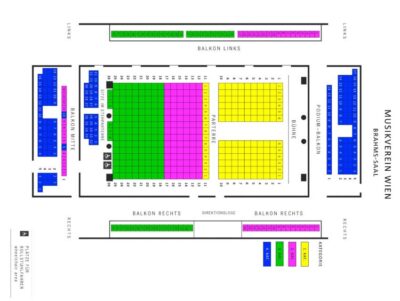
Classical Concert in the World-Famous Musikverein
Read our review →
Browse the lists this tour appears in