
REVIEW · JAPAN
Kyoto: Matcha & Traditional Japanese Music Immersive Experience
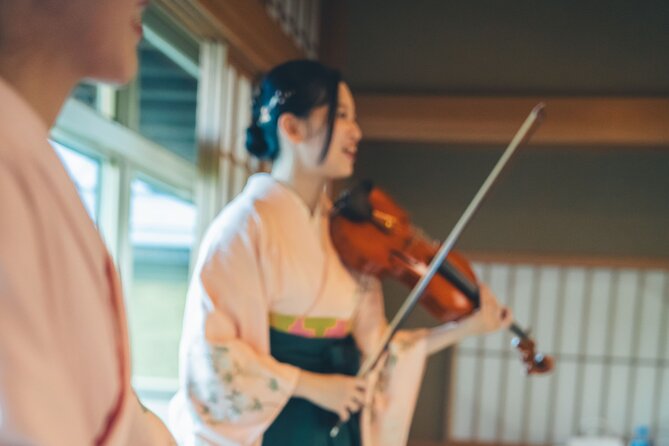
The unusual hook here is the koto and violin pairing. You’ll hear the bright, plucked tones of a Japanese koto beside the warmer, singing sound of a violin, with the program moving from traditional music to anime, game songs, and original arrangements. I like the hands-on koto session, and I like that the musicians stay afterward to explain their instruments and creative work. Matcha adds a quiet cultural touch.
The main drawback is the $850 price per person. That is a very high cost for an experience lasting about an hour to an hour and 20 minutes, even with the concert, koto practice, matcha, and artist conversation included. I would check the final price carefully before booking and consider how much you value a private-feeling cultural encounter.
Key points to know before you book
- Koto and violin share the program: Expect Japanese traditional pieces alongside anime, game music, and original arrangements.
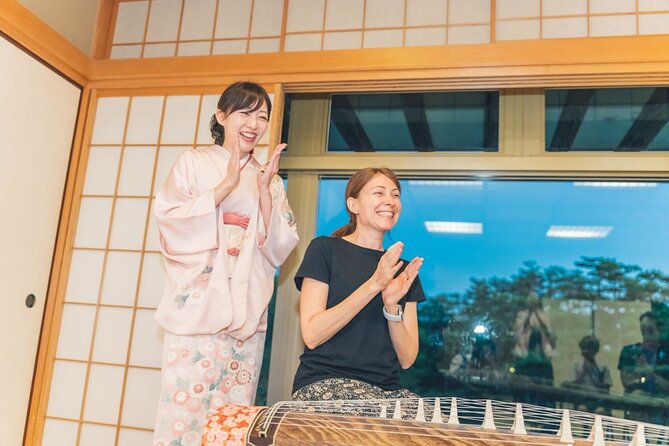
- You get to play the koto: Musicians guide you through a short hands-on session rather than asking you to remain a passive audience member.
- Suzaku Garden provides the setting: The venue includes tea rooms and Japanese-style spaces that suit the music.
- The artists meet you afterward: Use this time to ask about the instruments, their training, and how they arrange modern music.
- Matcha is included: Snacks and green tea are part of the experience, while meals are not.
- Allow 60 to 80 minutes: The compact length works well beside other Kyoto plans, but the high price deserves careful thought.
A Kyoto concert built around contrast
This is not a standard recital of old Japanese music. The program places the koto beside the Western violin, then stretches across several musical worlds: traditional Japanese melodies, anime tunes, game music, and original arrangements.
That mix gives you an easy way into the koto. If you already love Japanese music, you’ll appreciate hearing a familiar instrument in a new setting. If you know little about the koto, the anime and game selections may give you a more natural starting point than a formal program of classical pieces alone.
The koto has a distinctive sound. Its strings produce clear, delicate notes, while the violin can push toward a fuller and more emotional tone. The contrast should make the musical conversation easy to hear, even if you are not trained in music. I would pay attention to how the two instruments share the melody, rather than treating the violin as a Western add-on.
The musicians are young and passionate about passing traditional instruments to a new audience. That matters here because the program is not trying to freeze the koto in the past. Anime, game music, and new arrangements show how a traditional instrument can continue to develop.
More Live Music in Japan:
- Kyoto: Traditional Concert at Townhouse or Bathhouse
★ 4.9 · 224 reviews - Experience the Asakusa Kabuki Opera Show!
★ 5.0 · 99 reviews - Japanese Traditional Music Show in Tokyo
★ 5.0 · 72 reviews
Suzaku Garden and its Japanese-style rooms
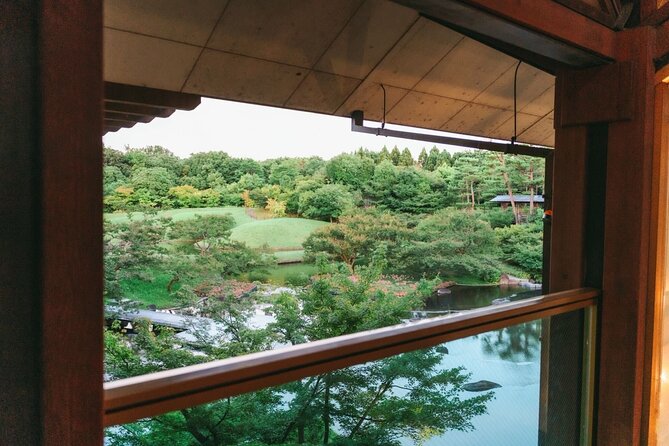
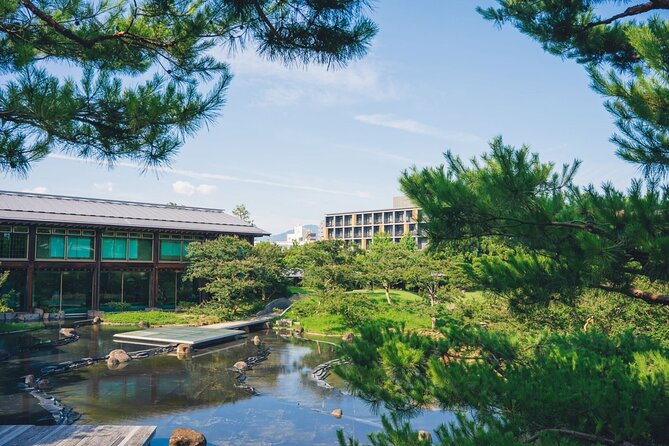
The performance takes place at Suzaku Garden, an indoor venue with tea rooms and Japanese-style spaces. You are not simply sitting in an anonymous concert hall. The surroundings help connect the music with the visual atmosphere of Japan.
The setting should appeal to you if you prefer a calm cultural activity over a large, busy attraction. There is no need to plan around weather, and an indoor concert can provide a welcome pause during a packed day of temples and walking.
The venue also gives the matcha portion a suitable home. Green tea is included, and the Japanese-style rooms offer a natural place to slow down before or after the music. Keep your expectations measured, though. This is not advertised as a full meal or an extended tea-school lesson. A café and restaurant are located on the first floor if you want more food.
One practical point is worth noting: private transportation is not included. The venue is near public transportation, so you’ll need to make your own way there. A mobile ticket is provided, which keeps the arrival process simple, but you should still allow enough time to find the correct entrance and settle in.
What happens during the live performance
The concert is the center of the experience. You’ll hear a blend of Japanese koto and Western violin, with the musicians moving across traditional songs, anime and game melodies, and their own arrangements.
That range gives the hour more variety than a single-style recital. Traditional pieces let you hear the koto in a more familiar setting. Contemporary selections show how its sound changes when used with modern melodies. Original arrangements add a personal layer, since they reflect the musicians’ own choices rather than simply repeating a standard version.
The program is likely to appeal most to people who enjoy music but do not want a long formal concert. The duration is about 60 to 80 minutes, making it short enough to fit into a Kyoto day without taking over your schedule.
The compact format is also a limitation. At this price, some people may expect a longer concert or a more extensive cultural program. You are paying for the combination of performance, participation, tea, and conversation, not just for the number of minutes of music.
I would treat this as a focused cultural appointment. It is not a broad tour of Kyoto, and it does not include transportation or a meal. Its value depends on how much you care about hearing these instruments close up and having direct contact with the performers.
Your chance to play the koto
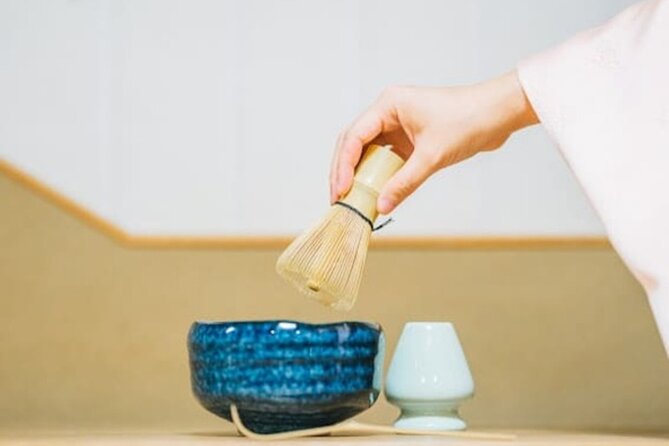
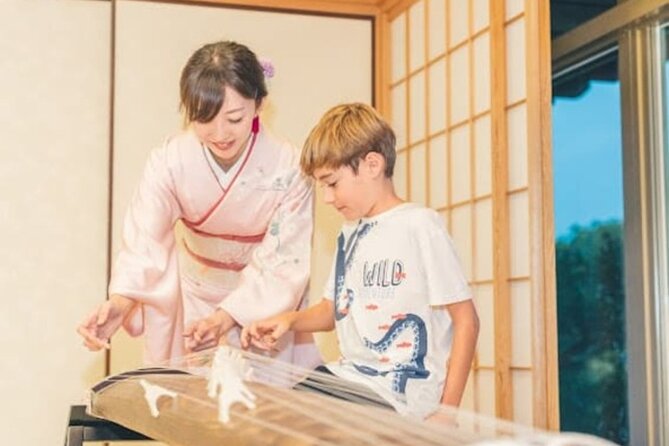
The koto session is the part that changes the experience from a concert into a hands-on activity. You’ll have access to the instrument and receive guidance from the musicians, giving you a chance to try its strings yourself.
You should not expect to become skilled in one short session. The point is to feel how the instrument responds, learn something about its construction and sound, and gain a better sense of the control required to perform well.
That small act of playing can make the concert more meaningful. After you try the koto, you may listen differently to the musicians. A sound that seemed simple from the audience can feel more demanding once you have attempted to produce it yourself.
This portion is particularly useful for families and groups with mixed interests. Someone who is not drawn to a formal concert may enjoy the practical element. It also gives children and first-time visitors a clear way to take part, although the information provided does not set a minimum age or specify how long each person plays.
The session is guided by the artists, which is important. You are not left alone with an unfamiliar instrument and told to work it out. Their instruction should also help you connect the physical experience with the music you have just heard.
Another night with a band on stage:
- Traditional Japanese Music show & Experience Tour in Kyoto
★ 5.0 · 57 reviews - Concerts Played with Traditional Instruments in Kyoto
★ 5.0 · 50 reviews - Kyoto: Japanese Koto & Shamisen Concert and Koto Class
★ 4.9 · 31 reviews - Traditional Japanese Music show & Experience Tour in Osaka
★ 5.0 · 25 reviews
Meeting the artists after the music
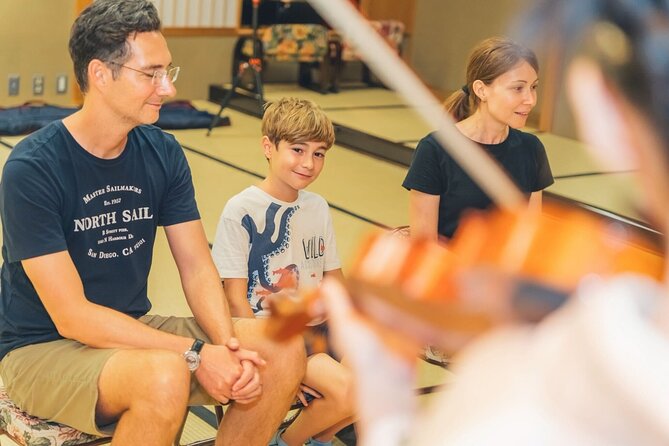
The conversation after the performance is another strong feature. You can speak with the musicians about the koto, the violin, their training, and the way they build arrangements that cross musical styles.
This is where I would ask the questions that a concert alone cannot answer. How do they adapt an anime melody for koto? What changes when violin and koto share a line? Which pieces are traditional, and which were written or arranged by the performers?
The artists are described as having trained from childhood, a detail that gives the performance some useful context. You’ll have a chance to understand the work behind the polished sound rather than seeing only the final result.
The post-concert exchange also makes the event feel more personal than a large public show. It is a good fit if you enjoy meeting performers and asking questions. If you prefer to listen quietly and leave at once, this part may matter less to you, though it is still included in the overall format.
No individual musician names are provided, so I would not book this expecting a particular named artist. The appeal is the group’s instruments, repertoire, and willingness to talk with you afterward.
Matcha, snacks, and the limits of the food offering
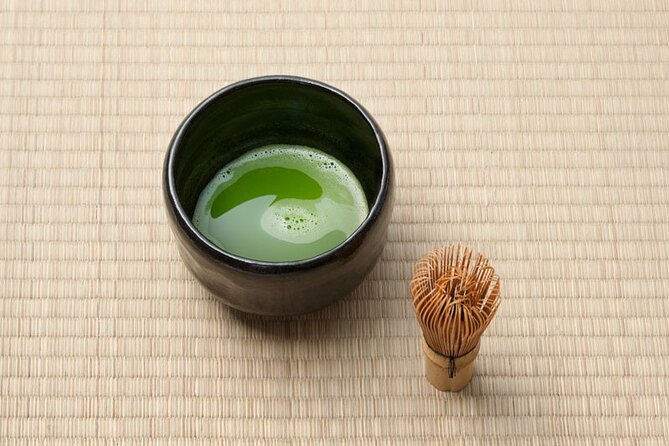
Matcha, or green tea, is included as a snack. It fits the setting and gives the experience a simple Japanese ritual element without turning the event into a full dining occasion.
I like this because the tea supports the mood rather than competing with the music. You can enjoy a cup in the traditional-style surroundings and take a short pause before returning to Kyoto’s streets.
Do not arrive hungry expecting a meal. Food is not included, and the venue’s café and restaurant are on the first floor if you want lunch, dinner, or something more substantial. Since private transportation is also not included, you can pair the concert with a meal nearby, but you will need to arrange that yourself.
A past experience connected the music with time over tea with a family, which suggests that the human side of the event can be as memorable as the performance. Still, the confirmed offering here is matcha and snacks, so I would not assume a full tea ceremony unless your booking details specifically say so.
Is $850 a fair price?
At $850 per person, this experience sits in a very expensive category. The price may make sense to you if it covers a special private arrangement, a small group setting, or a rare chance to handle the instrument and speak directly with professional performers. The published details do not specify the group size, so I would ask about that before committing.
For a short concert alone, the cost is difficult to justify. Kyoto offers many ways to hear traditional music, and this experience asks you to pay a premium for its combination of music, participation, matcha, and personal contact.
The strongest value comes from the full package:
- A live performance with an unusual koto and violin pairing
- Traditional, anime, game, and original music in one program
- Guided access to the koto
- Time with the artists after the performance
- Matcha in a Japanese-style venue
If all of those parts matter to you, the price may feel reasonable for a special occasion. If you mainly want to hear koto music, I would compare other concert options first.
The five-star rating and small number of published ratings suggest a very positive response, but I would not use that alone to justify such a large payment. Ask yourself what you want from Kyoto: a broad sightseeing day, or a concentrated cultural meeting that you will remember for its music and personal attention.
Who will enjoy this experience most?
I would recommend it most strongly to:
- People who enjoy live music but want something outside the usual concert format
- Anime and game music fans who want to hear those melodies on traditional instruments
- Visitors curious about the koto and eager to try it themselves
- Couples, families, or friends looking for a quiet indoor activity
- People who enjoy speaking with artists after a performance
- Visitors with enough flexibility and budget for a premium cultural experience
It may not suit you if you want a full-day cultural tour, a meal, transportation, or a low-cost activity. It is also not the best fit if you dislike audience participation or prefer a long, formal concert with no discussion afterward.
Most people can take part, and the venue is near public transportation. The duration makes it easy to fit into a larger Kyoto itinerary, though the exact start time still matters when you plan temples, meals, and train connections.
Booking, timing, and cancellation advice
The experience is usually booked about 27 days ahead, so planning early is sensible. Confirmation normally arrives when you book. If you book within two days of the date, confirmation can take up to 48 hours and depends on availability.
You receive a mobile ticket, and free cancellation is available up to 24 hours before the local start time. Changes or cancellations inside that 24-hour window are not accepted for a refund.
I would avoid placing this immediately before an important train departure. The activity itself lasts about an hour to an hour and 20 minutes, but you still need time for public transportation, finding Suzaku Garden, and leaving the venue.
Should you book the Kyoto koto and violin experience?
Book it if you want a small-scale music encounter with a hands-on element, matcha, and a chance to speak directly with the artists. The combination of koto, violin, anime and game melodies, and traditional Japanese music gives the program a clear identity.
Pause before booking if you are mainly searching for an inexpensive concert or a broad Kyoto tour. At $850, the experience needs to feel personally special to you. I would confirm the group size and exactly what your date includes, then book early if the price fits your budget.
FAQ
Where does the experience take place?
It takes place at Suzaku Garden in Kyoto, which includes tea rooms and Japanese-style spaces.
How long does the activity last?
The experience lasts approximately one hour to one hour and 20 minutes.
What music will be performed?
The program includes traditional Japanese music, anime melodies, game music, and original arrangements performed with koto and violin.
Can I play the koto?
Yes. You receive guided hands-on access to the koto during the experience.
Is matcha included?
Yes. Matcha, or green tea, and snacks are included.
Are meals included?
No. Meals are not included, but the venue has a café and restaurant on the first floor.
Is transportation included?
No. Private transportation is not included. The venue is near public transportation.
What is the cancellation policy?
You can cancel up to 24 hours before the local start time for a full refund. Cancellations or changes made less than 24 hours before the start are not accepted for a refund.
Just added to the listings in Japan
- Japanaese tradtional Tsugaru Shamisen music lesson in Tokyo★ 4.5 · 3 reviews
- Tsugaru shamisen performance over traditional dinner★ 5.0 · 9 reviews
- Easy for everyone! Now you can play handmade mini shamisen and show off to everyone! Musical instruments, sweets and live music★ 5.0 · 3 reviews
- Traditional Japanese Music show & Experience Tour in Osaka★ 5.0 · 25 reviews
- Traditional Concert in Public bath near Kyoto Station★ 5.0 · 5 reviews
- Private Japanese music concert★ 5.0 · 4 reviews
- Kyoto: Kujo-yu Sento Traditional Japanese Instrument Concert★ 5.0 · 2 reviews
- Echoes of Peace – A Soul-Stirring Koto Concert in Hiroshima★ 4.5 · 5 reviews
Live Music, compared.

Vivaldi’s Four Seasons Concert in Karlskirche
Read our review →
La Fenice Opera House Entry Ticket with Audio Guide
Read our review →
Opera House Guided Tour with Entrance Ticket
Read our review →
New Orleans Steamboat Natchez Jazz Cruise with Dinner Option
Read our review →
Budapest Danube Cruise and Dinner Options, Live Music and Dance
Read our review →
3-Course-Dinner Cruise on the Seine with live music
Read our review →
Classical Concert in the World-Famous Musikverein
Read our review →
Browse the lists this tour appears in