
REVIEW · JAPAN
Traditional Concert in Public bath near Kyoto Station
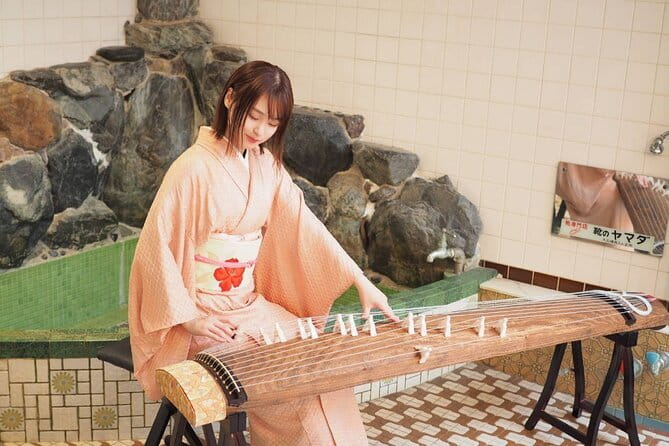
A concert in a former public bathhouse is not the usual Kyoto evening. At Kujo-yu, tiled walls and high ceilings give the koto and shamisen a clear, resonant setting, while the old neighborhood bathhouse adds a sense of place that a standard hall cannot match. I like the unusual venue, and I like that the music can range from classical Japanese works to newer arrangements and original compositions.
The one-hour format fits neatly into a busy Kyoto schedule, especially if you are staying near Kyoto Station. The main consideration is that this is a focused concert, not a broad cultural tour, and coffee, tea, and private transportation are not included.
Key points to know before booking
- A former sento becomes the concert hall: Kujo-yu has been carefully renovated while keeping the character of a Japanese public bathhouse.
- Tile and height shape the sound: The old bathhouse design helps carry the delicate notes of the koto and the sharper tones of the shamisen.
- The program changes: You may hear classical pieces, modern arrangements, or original compositions, depending on the season and performers.
- The timing is easy to manage: The concert lasts about one hour and takes place near Kyoto Station.
- The ticket is simple: Admission is included, and the booking provides a mobile ticket.
- The price is reasonable for a special setting: At $32.52 per person, you pay for a small cultural performance in a venue you are unlikely to find elsewhere in Kyoto.
Entering Kyoto’s former Kujo-yu bathhouse
The setting is the main story here. Kujo-yu was once a Japanese sento, or public bathhouse, a place built for everyday local use rather than formal performance. It has now been renovated as a coworking and event space, while its bathhouse character remains part of the experience.
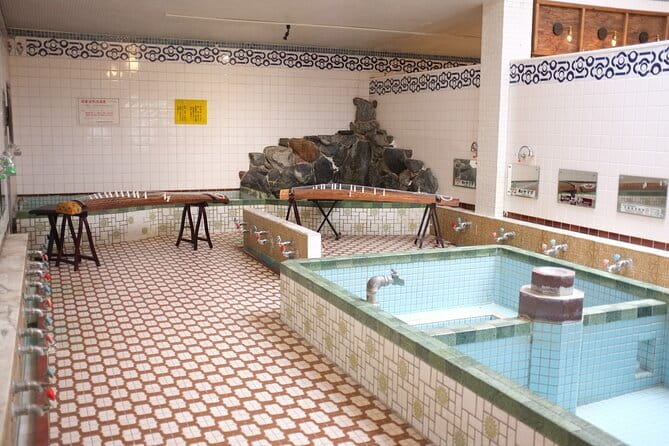
You will not be walking into a conventional concert hall with velvet seats and a stage built for orchestras. Instead, you enter a space shaped by its earlier life as a sento. The tiled surfaces and tall ceiling create a cool, open feel, and the room’s unusual proportions help the instruments carry across the space.
That setting gives the concert a useful sense of context. You are not only hearing traditional Japanese instruments. You are hearing them in a building connected to ordinary community life in Kyoto. The old bathhouse is not decoration added after the fact. It is the room that shapes the performance.
The space has also been cherished by the local community over the years, which matters when you are looking for an experience with some connection to the city beyond its famous temples. This is a small cultural encounter rather than a grand sightseeing production.
More Live Music in Japan:
- Kyoto: Traditional Concert at Townhouse or Bathhouse
★ 4.9 · 224 reviews - Experience the Asakusa Kabuki Opera Show!
★ 5.0 · 99 reviews - Japanese Traditional Music Show in Tokyo
★ 5.0 · 72 reviews
How the koto and shamisen sound in the tiled room
The koto is a long Japanese string instrument with a gentle, finely detailed sound. Its notes can feel delicate in a large modern hall, but the high ceilings and tiled walls at Kujo-yu help the sound travel and linger.
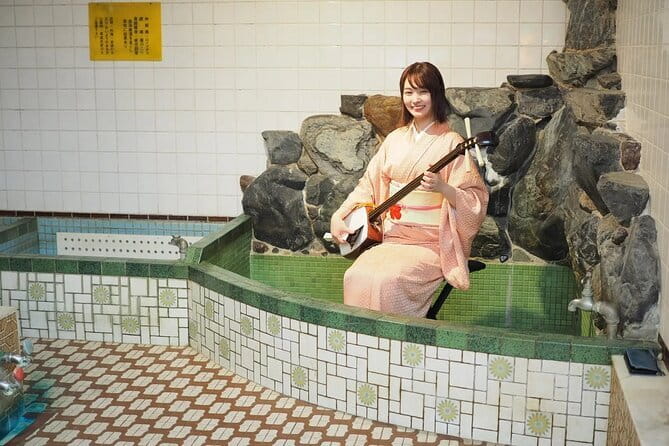
The shamisen has a different character. Its three strings produce a more pointed, lively tone, giving the music a stronger edge. Hearing the koto and shamisen in the same room lets you notice the contrast between the instruments instead of treating traditional Japanese music as one single sound.
The bathhouse acoustics are central to the experience. Hard tiled surfaces reflect sound, and the high ceiling gives the music room to spread. That can make quiet passages easier to notice, while sharper notes may have extra presence.
The effect is not about volume. It is about clarity and atmosphere. The room becomes part of the performance, and the music feels tied to the building around you. I particularly like this aspect because it gives the concert an identity beyond the instruments themselves.
A one-hour program with changing musical choices
The program is not locked into one style. It may include classical Japanese masterpieces, contemporary arrangements, and original compositions. That mix helps the concert appeal to people who are curious about traditional music but do not already know the standard repertoire.
You might hear an older work followed by a newer interpretation. You might also encounter an original composition created for the performers or the setting. The precise selection changes according to the season and the performers, so you should book this for the format and venue rather than for one guaranteed piece.
That changing program is useful for repeat visits. Someone returning to Kyoto could find a different musical evening at another time of year. It also keeps the concert from feeling like a fixed demonstration repeated without variation.
The one-hour length is another strength. You get a complete cultural activity without giving up an entire evening. It can fit before dinner, after a day of sightseeing, or between other plans near Kyoto Station.
Still, you should set the right expectation. This is not a long introduction to every Japanese instrument, nor is it described as a lesson with extensive background explanation. The focus is the live concert and the setting.
Why the venue matters more than a standard hall
Kyoto offers many polished cultural performances, but a renovated sento gives you something more specific. The building carries traces of a place made for bathing, conversation, and neighborhood routines. Its new use allows you to experience that architecture in a different way.
I like the way this connects music with local history without turning the evening into a formal lecture. The building itself does some of the explaining. Its tile, height, and layout tell you that this was designed for a practical community purpose, not for chamber music.
That contrast makes the experience memorable. The koto and shamisen are traditional instruments, but the program can include contemporary arrangements and original music. The venue has an earlier life, while the music can look forward. Both old and new elements are present without needing a large production.
The bathhouse setting also makes this a good choice for anyone who has already seen several temples and shrines. You still get a clear connection to Japanese culture, but in a smaller and less familiar setting. It adds variety to a Kyoto itinerary that might otherwise lean heavily toward gardens, gates, and historic streets.
Another night with a band on stage:
- Traditional Japanese Music show & Experience Tour in Kyoto
★ 5.0 · 57 reviews - Concerts Played with Traditional Instruments in Kyoto
★ 5.0 · 50 reviews - Kyoto: Japanese Koto & Shamisen Concert and Koto Class
★ 4.9 · 31 reviews - Traditional Japanese Music show & Experience Tour in Osaka
★ 5.0 · 25 reviews
The value of the $32.52 ticket
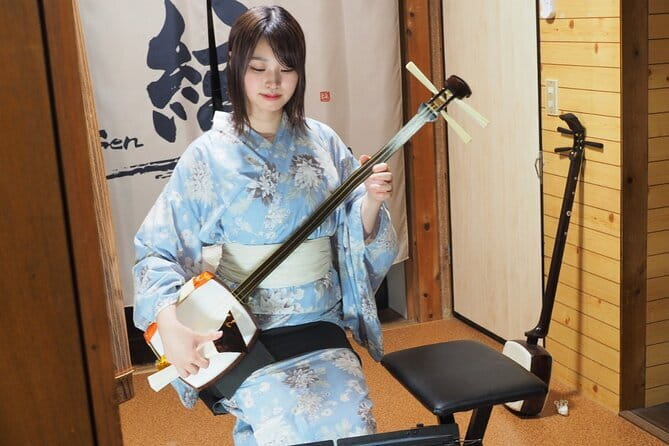
At $32.52 per person, this is not the cheapest way to spend an hour in Kyoto. You could listen to street sounds or visit a public area at no cost. The value here comes from the combination of a live performance, a carefully renovated historic venue, and a convenient one-hour schedule.
The price includes the concert ticket, so there is no separate admission charge once you arrive. You are paying for access to a dedicated performance in a special room rather than simply entering a building.
For me, the cost makes sense if you care about music, architecture, or experiences that feel specific to Kyoto. It is less compelling if your main goal is a long performance, a meal, or a guided explanation of Japanese culture.
The lack of included coffee or tea is worth noting, though it should not affect the core value. This is a concert ticket, not a tea-house visit or dinner event. Plan to eat and drink elsewhere.
Private transportation is also not included. Since the venue is near Kyoto Station and public transportation is nearby, that is unlikely to be a major problem for most people. You will need to make your own way there, using the mobile ticket for admission.
Who will enjoy this concert most
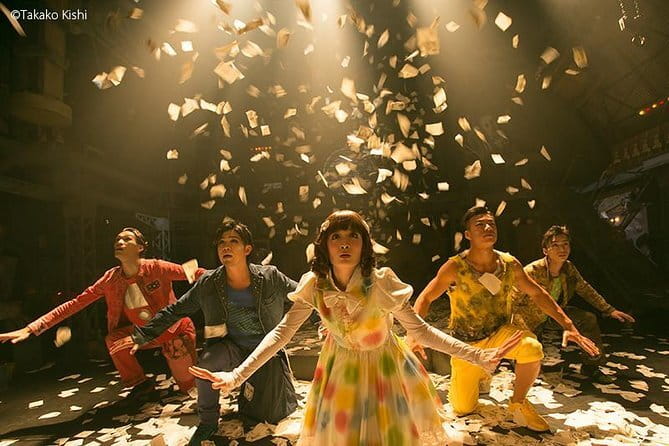
I would recommend this experience to several kinds of visitors:
- First-time Kyoto visitors who want more than temples and gardens.
- Music lovers interested in the sound of the koto and shamisen.
- Architecture fans who enjoy seeing old buildings used in new ways.
- Couples and solo visitors looking for a calm, contained evening activity.
- Repeat visitors to Kyoto who want a cultural experience outside the standard route.
- Busy planners who need an activity lasting about one hour.
Families and older visitors may also find the short format manageable, since most travelers can participate. The information provided does not give detailed seating, access, or room-layout details, so you should ask the provider if you have a specific mobility need.
This may not suit you if you want a large-scale show with costumes, several performers, or a long explanation in English. The available information focuses on the instruments, the room, and the changing program, not on a full stage production.
Planning the concert near Kyoto Station
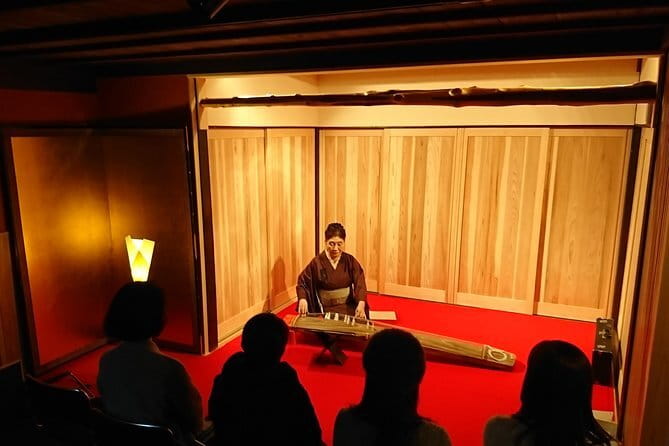
The location near Kyoto Station makes this easier to add to a full day. You can place it around your train arrival, use it as an evening activity before dinner, or pair it with other plans in the station area.
Do not treat the one-hour duration as the total time needed from door to door. You still need time to reach Kujo-yu and get settled. Exact travel time and performance start details should be checked on your booking confirmation.
The mobile ticket is practical. You do not need to arrange a separate paper voucher based on the information provided. Confirmation is sent at the time of booking, so keep the ticket available on your phone.
Because the concert program changes by season and performer, check the date carefully if the musical selection matters to you. The venue and format are consistent, but the exact repertoire is not promised.
The experience is available with free cancellation up to 24 hours before the start time. If you cancel less than 24 hours ahead, you will not receive a refund, and changes made within that period are not accepted. The cut-off follows local Kyoto time.
What makes it feel authentic
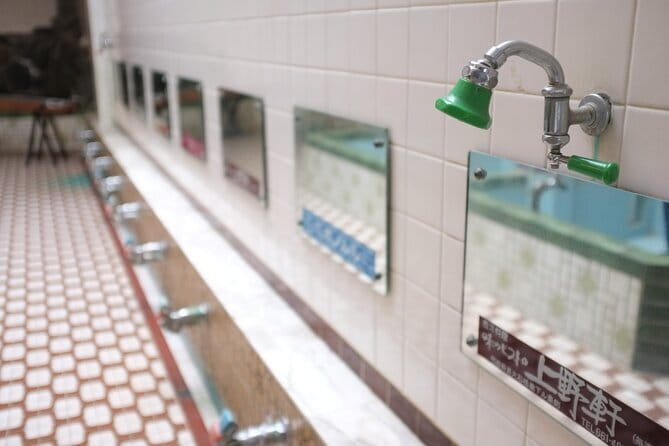
Authenticity is often used too loosely in travel advertising. Here, the strongest case comes from the building and the instruments rather than from claims about a staged local encounter.
A sento was part of everyday Japanese life. Turning one into a performance space does change its purpose, but the tiled interior and high ceiling still shape what you see and hear. The concert lets you experience a reimagined community place while listening to instruments with long traditions in Japan.
The program also avoids being limited to a museum-style display. Classical music may be paired with contemporary arrangements and original pieces. That matters because Japanese musical traditions are living practices, not objects kept unchanged behind glass.
I also like that the event is intimate in scale. A smaller performance can make it easier to pay attention to the texture of the instruments and the way the sound moves through the room. The setting encourages you to listen rather than rush from one sight to the next.
Possible drawbacks to consider
The biggest limitation is the lack of detail about the exact performance format. The supplied information does not specify the number of musicians, the language used for introductions, the seating arrangement, or the precise repertoire for each date. If those points matter to you, contact the provider, Gen, before booking.
The venue may also be the main attraction for some people, while others may prefer a longer concert. One hour is convenient, but it leaves little room for an extended explanation of the instruments or a broad survey of Japanese music.
You should also budget for your own transport and refreshments. Neither private transportation nor coffee and tea is included. These are small costs, but knowing them ahead of time helps avoid confusion.
Even with those limits, the format is clear. You get a short traditional music concert in a former bathhouse near Kyoto Station, with a program that can change and an atmosphere created by the building itself.
Should you book the Kujo-yu concert?
Book it if you want a distinctive Kyoto evening built around place, sound, and a manageable time commitment. The former sento is the reason to choose this over a regular concert hall, and the koto and shamisen provide a direct way to hear traditional Japanese instruments in an unusual setting.
I would especially choose it after several days of temples and sightseeing. It adds a different side of Kyoto without requiring a long trip or a full night out. The $32.52 price is fair for a one-hour performance in a carefully renovated bathhouse, provided you value the venue as much as the music.
Skip it if you need a guaranteed program, a long educational talk, or an elaborate show. Otherwise, this is a smart addition for visitors who want something unusual, calm, and closely tied to the character of Kyoto.
FAQ
Where does the traditional concert take place?
The concert takes place at Kujo-yu, a carefully renovated former Japanese sento near Kyoto Station in Kyoto, Japan.
How long does the experience last?
The concert lasts approximately one hour.
Which instruments are featured?
The performance features traditional Japanese instruments including the koto and shamisen.
What type of music is performed?
The program can include classical Japanese masterpieces, contemporary arrangements, and original compositions. The exact repertoire changes according to the season and performers.
Is admission included in the price?
Yes. The concert ticket is included.
Are coffee, tea, or private transportation included?
No. Coffee and tea are not included, and private transportation is also not included.
Can I cancel for a full refund?
Yes, if you cancel at least 24 hours before the experience start time. Cancellations made less than 24 hours before the start time are not refunded, and changes within that period are not accepted.
Just added to the listings in Japan
- Japanaese tradtional Tsugaru Shamisen music lesson in Tokyo★ 4.5 · 3 reviews
- Tsugaru shamisen performance over traditional dinner★ 5.0 · 9 reviews
- Easy for everyone! Now you can play handmade mini shamisen and show off to everyone! Musical instruments, sweets and live music★ 5.0 · 3 reviews
- Traditional Japanese Music show & Experience Tour in Osaka★ 5.0 · 25 reviews
- Private Japanese music concert★ 5.0 · 4 reviews
- Kyoto: Matcha & Traditional Japanese Music Immersive Experience★ 5.0 · 9 reviews
- Kyoto: Kujo-yu Sento Traditional Japanese Instrument Concert★ 5.0 · 2 reviews
- Echoes of Peace – A Soul-Stirring Koto Concert in Hiroshima★ 4.5 · 5 reviews
Live Music, compared.

Vivaldi’s Four Seasons Concert in Karlskirche
Read our review →
La Fenice Opera House Entry Ticket with Audio Guide
Read our review →
Opera House Guided Tour with Entrance Ticket
Read our review →
New Orleans Steamboat Natchez Jazz Cruise with Dinner Option
Read our review →
Budapest Danube Cruise and Dinner Options, Live Music and Dance
Read our review →
3-Course-Dinner Cruise on the Seine with live music
Read our review →
Classical Concert in the World-Famous Musikverein
Read our review →
Browse the lists this tour appears in